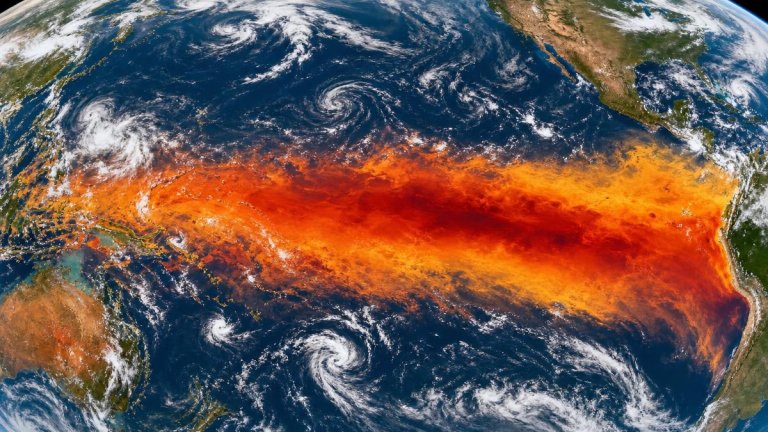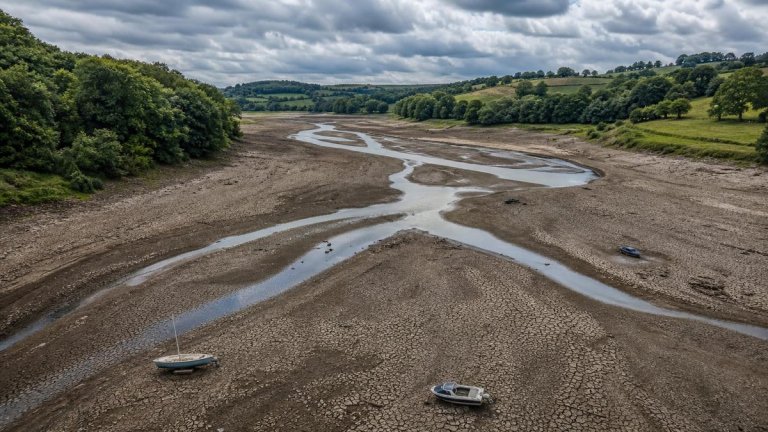

‘Risk multiplier’: super El Niño looms over Cop31 as climate pattern fuels global disasters
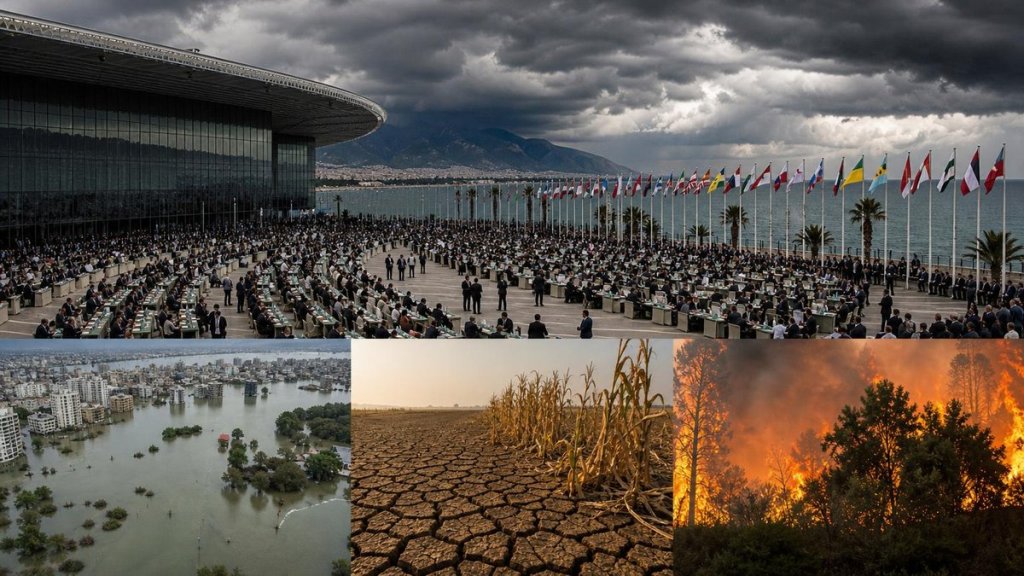
Delegates arriving in Antalya for Cop31 this November are walking into a negotiation already overshadowed by nature itself. The strongest El Niño event in at least a millennium is rewriting weather patterns worldwide, and vulnerable nations are demanding that wealthy countries finally deliver on promises made years ago. For anyone tracking record-breaking temperature trends, the timing could hardly be more ominous.
What Makes This El Niño Different
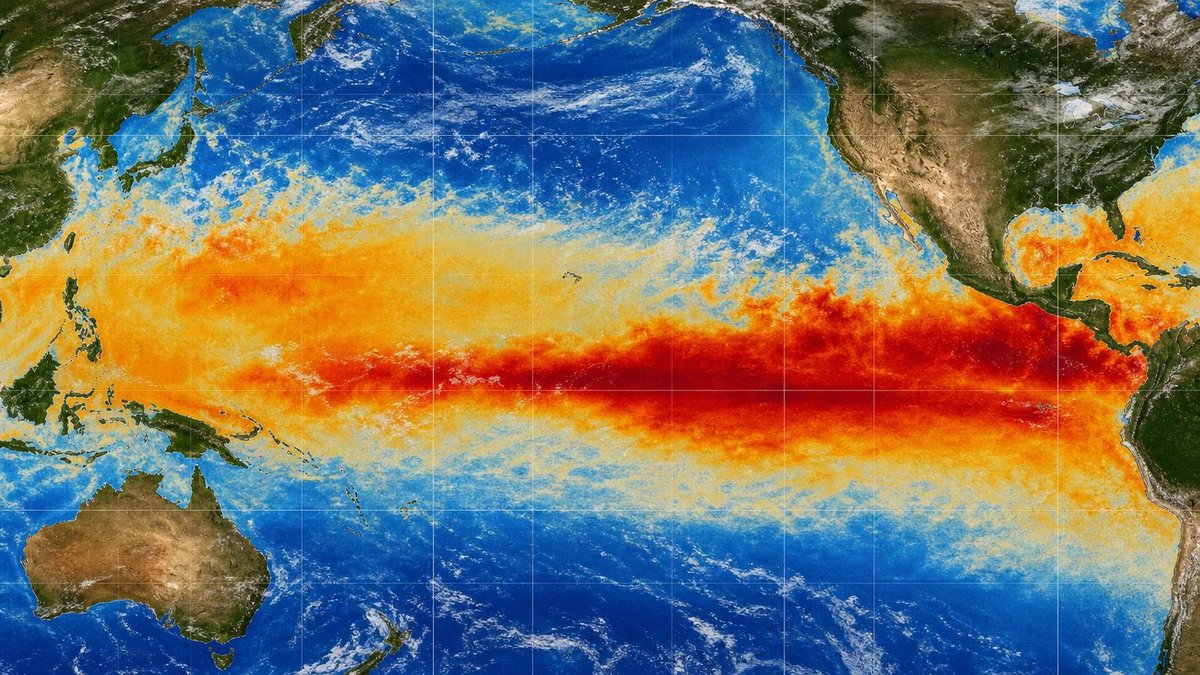
El Niño events are familiar enough. Every few years, warm water pools in the eastern Pacific, temporarily redistributing heat and moisture across the planet. The effects ripple outward: some regions flood, others bake, fisheries shift, and agricultural calendars unravel.
This one is not familiar. Scientists are calling it unprecedented in the modern record, and possibly the most intense in a thousand years. The World Meteorological Organization has been tracking its development with growing alarm. Where typical El Niños nudge global temperatures upward, this event is slamming into a climate system already pushed to the edge by human emissions.
Celeste Saulo, the WMO’s secretary-general, put it bluntly. “We are supercharging our weather and El Niño will be a risk multiplier.” That phrase, “risk multiplier,” has become the shorthand for what delegates in Turkey are confronting. It is not just that disasters are happening. It is that they are stacking on top of each other, eroding the margin any society needs to recover.
The Damage Already Unfolding
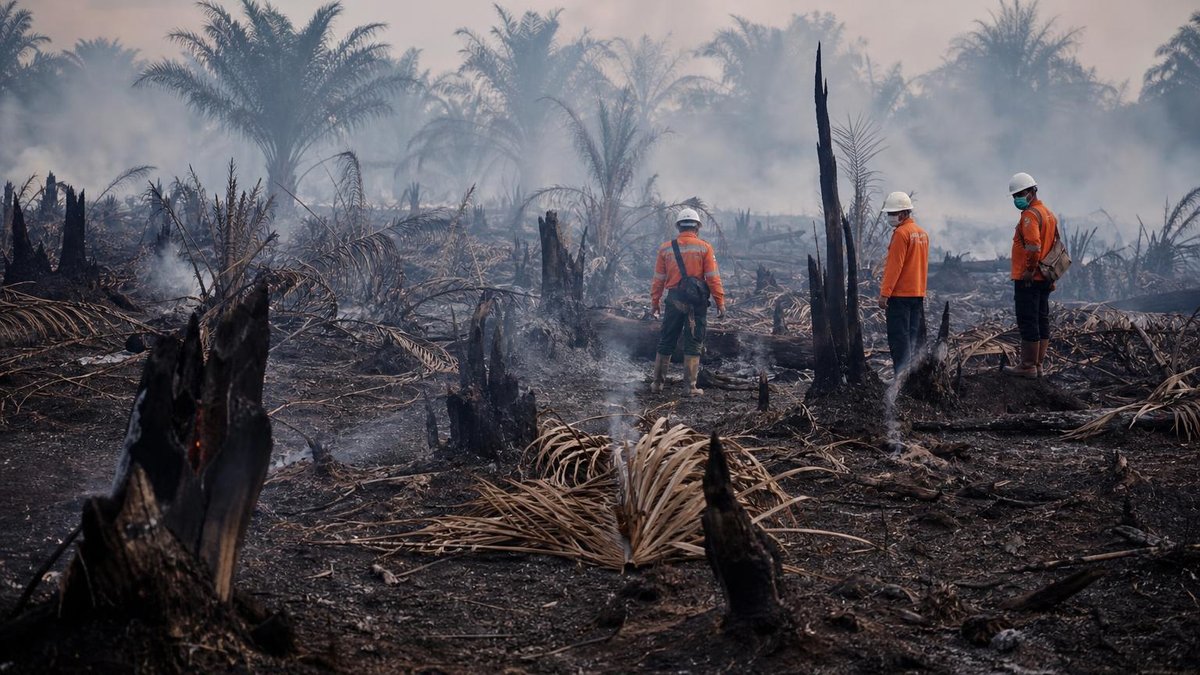
By mid-2026, the fingerprints showed up everywhere at once.
Indonesia burned. Forests primed by heat went up fast; crops that should have fed millions turned to ash in the fields. The US watched neighborhoods vanish under rising coastlines, again and again. Sudan dried out. Ecuador flooded. Somalia’s rivers broke loose and killed.
Any one of these would have tested a government’s capacity. Hitting together, they broke it.
The Pacific island nation of the Marshall Islands illustrates the cruel arithmetic. Kathy Jetn̄il-Kijiner, the country’s climate envoy, described a cascade with no relief. “It’s a compounding crisis, we are trying to prepare but the drought has already hit and it’s on top of having to deal with rising seas that threaten our homes and drinking water.” The government declared a state of emergency.
For atoll nations, drought hits different.
Rain is everything. When it stops, there’s no backup. No rivers to tap, no deep aquifers to sink a well into. Rising seas don’t only eat land; they salt the thin freshwater lenses sitting under the soil, ruining what’s left. Jetn̄il-Kijiner didn’t soft-pedal the anger. “It’s so frustrating as countries that have done the least to cause climate change are being left with bills we can’t afford.”
Her critique of where money flows instead has resonated in Antalya. “They say there’s no money but it’s going to AI, it’s going to the military. Just not on climate change.”
The Funding Gap at Cop31
The summit’s central tension predates this particular El Niño, but the event has stripped away any plausible deniability about urgency. At Cop30 last year, wealthy nations agreed to triple adaptation finance directed toward poorer countries most exposed to climate impacts. The target was $305 billion annually by 2035. Delivery remains a fraction of that.
Bill Hare, a climate scientist who leads Climate Analytics, warned that the disconnect between pledges and reality is about to become lethal. “It won’t be any joke, it will feel like accelerated global warming.” He expects more humanitarian disasters linked to food systems, water scarcity, drought, and in some regions catastrophic flooding. “There doesn’t seem to be the right recognition of the scale of the threats.”
The clock is not forgiving.
Peak El Niño hits December 2026. The aftershocks roll through 2027, a year almost certain to top every heat record before it thanks to the Pacific’s stored heat unloading into the atmosphere. On land, that means sharper heatwaves, hungrier harvests, rainfall lurching from biblical flood to total absence. The oceans get hit too. Thermal stress was already pushing corals toward mass bleaching; this dumps fuel on that.
Those tracking ocean temperature records will recognize this as continuation of a trend already documented through 2025.
Displacement and Humanitarian Crisis
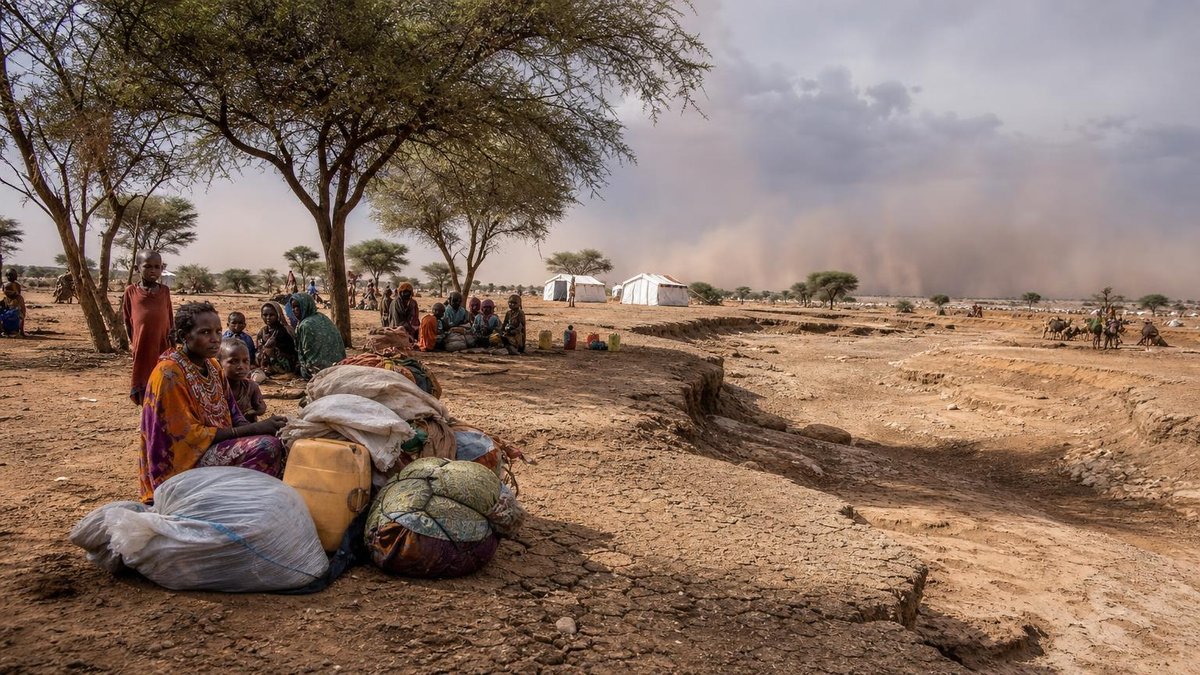
UN agencies have identified eastern Africa as the most acute flashpoint. The UN High Commissioner for Refugees has projected up to 3 million displacements across four countries, Kenya, Somalia, South Sudan, and Uganda, directly attributable to this El Niño’s exacerbated drought.
Antón Leis García, UNHCR’s assistant high commissioner, did not mince words. “We are very concerned as the forecast for El Niño this year is the worst one ever.” He singled out the eastern horn of Africa as the region requiring immediate international attention. “There are so many places around the world where forced displacement is prevalent but if you were to zoom into just one area it would be the eastern horn of Africa.”
The food security implications are already materializing. Kenya’s maize production has dropped by approximately 40%, a reduction that simultaneously reduces food available for refugees arriving in the country and degrades Kenya’s capacity to absorb additional displaced populations. It is the risk multiplier in human form: climate stress, migration, resource competition, and political instability amplifying each other.
The following table summarizes the primary impacts and affected regions documented through November 2026, based on reporting from the World Meteorological Organization, UNHCR, and national disaster agencies.
| Impact Category | Affected Regions | Documented Consequences |
|---|---|---|
| Wildfire and crop failure | Indonesia | Large-scale agricultural losses, air quality degradation |
| Coastal inundation | United States (multiple regions) | Property damage, infrastructure stress |
| Severe drought | Sudan, Marshall Islands | Water emergency declarations, agricultural collapse |
| Severe flooding | Ecuador, Somalia | Displacement, sanitation crises |
| Forced displacement | Kenya, Somalia, South Sudan, Uganda | Up to 3 million projected displaced per UNHCR |
| Maize production decline | Kenya | Approximately 40% reduction in output |
Voices from the Front Lines
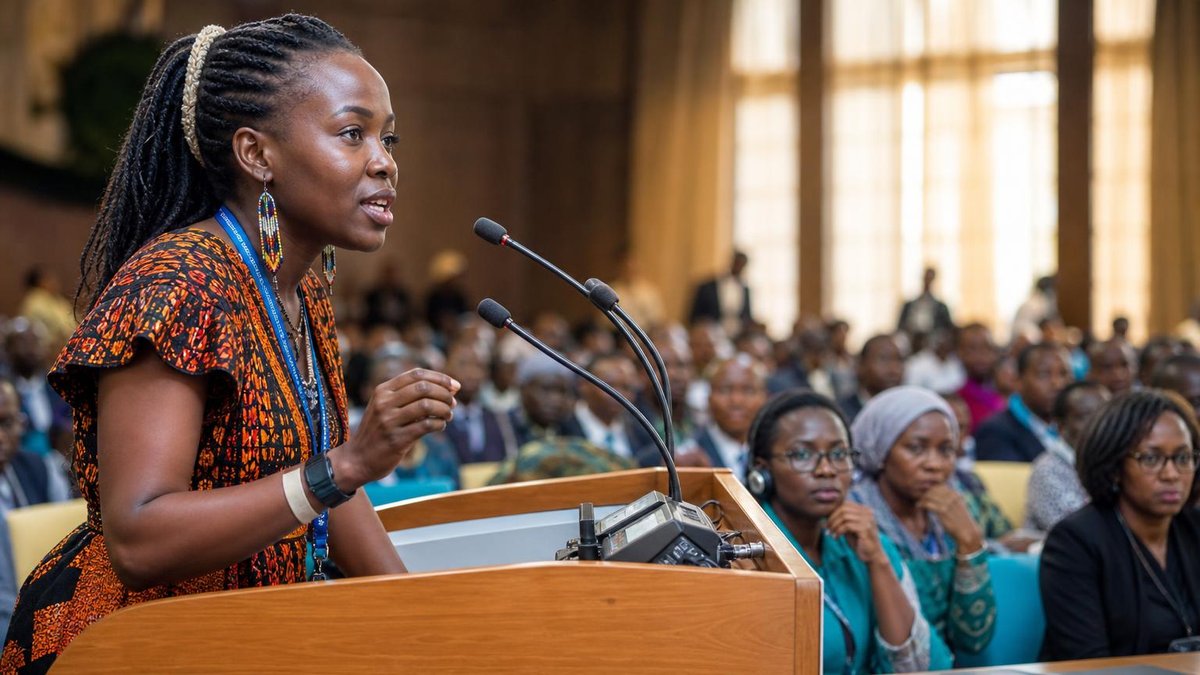
Mohamed Adow, who founded the Kenya-based think tank Power Shift Africa, has been pressing delegates in Antalya to move beyond the familiar cycle of commitments and delays. His message is pointed: “People living with the climate crisis cannot afford to wait for another round of diplomatic promises. You cannot protect a harvest with a pledge. People need resources on the ground.”
That distinction between pledges and resources runs through every conversation in Turkey. The $305 billion adaptation target was already understood as insufficient by many advocates; the failure to even approach it has bred deep cynicism among nations that contributed least to atmospheric carbon loading but face the most immediate existential threats.
Those interested in how climate stress compounds with other resource pressures may find analysis of global water and food system vulnerabilities increasingly relevant.
What Happens Next
The trajectory from November 2026 through the following year is largely set by ocean physics. The El Niño will peak, then gradually decay, but its atmospheric effects will persist for months. The calendar year 2027 will almost certainly surpass 2026 as the warmest on record, continuing a string of record years that has become almost routine.
For Cop31 specifically, the question is whether the visible crisis can overcome the inertia that has characterized climate finance negotiations. The contrast between acknowledged needs and delivered resources has been a feature of these talks for decades. What is different now is the scale of concurrent impacts, the scientific confidence in attribution, and the narrowing window for adaptation investments to outpace damage accumulation.
Hare’s assessment of “accelerated global warming” is worth parsing carefully. The El Niño itself is a natural oscillation. What makes this event historically significant is the baseline it is operating from, a planet already warmed by human emissions, with diminished ice, altered circulation patterns, and ecosystems pushed toward thresholds. The superposition of natural variability on that shifted baseline produces outcomes neither factor would generate alone.
That is the risk multiplier mechanism in physical terms. In policy terms, it means that adaptation planning based on historical variability is systematically underestimating exposure. The past is no longer prologue.
Frequently asked questions
Understanding super El Niño events
What is a super El Niño, and how does it differ from a regular one?
A super El Niño refers to an event where sea surface temperature anomalies in the central-eastern Pacific substantially exceed typical El Niño thresholds. While standard El Niños warm the region by about 1 to 1.5 degrees Celsius above average, super events push anomalies toward or beyond 2 degrees Celsius. The 2026 event is exceptional even within that category, with the World Meteorological Organization describing it as the strongest in at least 1,000 years based on paleoclimate reconstructions and modern instrument records.
What are the super El Niño 2026 predictions for peak timing?
Climate models and observational data indicate the current event will peak in December 2026, with atmospheric effects extending well into 2027. The lag between ocean temperature peaks and terrestrial impacts means the most severe consequences for agriculture, water resources, and public health may unfold in the first half of 2027, even as the oceanic signal begins weakening.
How does super El Niño winter weather differ between regions?
The effects are regionally specific and often opposite:
- Wetter than normal conditions typically affect the southern United States, parts of South America, and East Africa
- Drier conditions prevail across Australia, Indonesia, and northeastern South America
- Warmer winters occur across northern North America and parts of Europe
- Altered jet stream patterns can produce unusual cold outbreaks in regions not typically affected
Policy and preparedness implications
How is the El Niño Cop31 impact shaping negotiations?
The concurrent timing has made abstract finance commitments concrete. Delegates from affected nations are citing real-time disasters as evidence that adaptation funding cannot remain aspirational. The Marshall Islands’ state of emergency declaration and UNHCR displacement projections have been referenced in plenary sessions as illustrations of implementation gaps.
What does “climate disaster risk multiplier” mean in practice?
It describes how El Niño effects compound with existing vulnerabilities. A community facing gradual sea level rise may manage through incremental adaptation. When El Niño simultaneously produces drought, that community loses water security just as saltwater intrusion accelerates. The combined stress exceeds the sum of individual stresses because responses to one crisis deplete resources needed for the other.
Are wealthy countries responding to demands for increased climate finance?
As of November 2026, delivery remains far below the $305 billion annual adaptation target agreed for 2035. Jetn̄il-Kijiner’s critique that funds flow to military and technology sectors instead reflects a persistent pattern. Whether Cop31 produces substantive acceleration in disbursement is the summit’s central unresolved question.
How does this event connect to broader global weather extremes in 2026?
The year has already demonstrated the pattern. Record ocean temperatures documented through 2025 provided thermal momentum. The El Niño added organized Pacific heat release to that baseline. The result has been synchronized extremes across multiple continents, a pattern consistent with climate model projections for strong El Niño events in a warmed world.
Sources
- Milman, Oliver. 2026. “‘Risk multiplier’: super El Niño looms over Cop31 as climate pattern fuels global disasters.” The Guardian, November 15, 2026. https://www.theguardian.com/environment/2026/nov/15/el-nino-cop31-turkey-climate
- World Meteorological Organization. 2026. Statements by Secretary-General Celeste Saulo regarding 2026 El Niño event intensity. https://wmo.int [VERIFY]
- United Nations High Commissioner for Refugees (UNHCR). 2026. Projected displacement figures for East Africa horn region, 2026-2027. https://www.unhcr.org [VERIFY]
- Intergovernmental Panel on Climate Change (IPCC). 2021. “Climate Change 2021: The Physical Science Basis.” Working Group I Contribution to the Sixth Assessment Report. https://www.ipcc.ch/report/ar6/wg1/
- National Oceanic and Atmospheric Administration (NOAA). 2026. El Niño/Southern Oscillation (ENSO) diagnostic discussion and outlook. https://www.climate.gov/enso
This article is for informational purposes only.
Reference: https://www.theguardian.com/environment/2026/nov/15/el-nino-cop31-turkey-climate

Dr. Alexander Tabibi is an entrepreneur, investor, and advocate for sustainable innovation with a deep commitment to leveraging technology for environmental and social good. As a thought leader at the intersection of business and sustainability, Dr. Tabibi brings a strategic vision to Green.org, helping guide its mission to inspire global climate awareness and actionable change.
With a background in both medicine and business, Dr. Tabibi combines analytical rigor with entrepreneurial insight.