

You can see the water going down’: residents on edge as one of England’s worst-hit reservoirs dries up

Caroline Allan has lived near Ardingly reservoir her entire life. These days, she watches the waterline retreat like a tide that never returns. “You can see the water level going down and down,” she told reporters in late October 2026. “I don’t remember ever seeing it this low.”
Allan’s home in Haywards Heath, West Sussex, sits beside one of England’s most severely depleted reservoirs. Managed by South East Water, Ardingly currently holds just 19% of its capacity. On a grey, rainy day when a photographer visited, the muddy bed that should have lain beneath six metres of water lay exposed instead. The image is stark: where water once stretched, now there is cracked earth and uncertainty.
England Reservoir Drought 2024 and Beyond: A Crisis Deepens
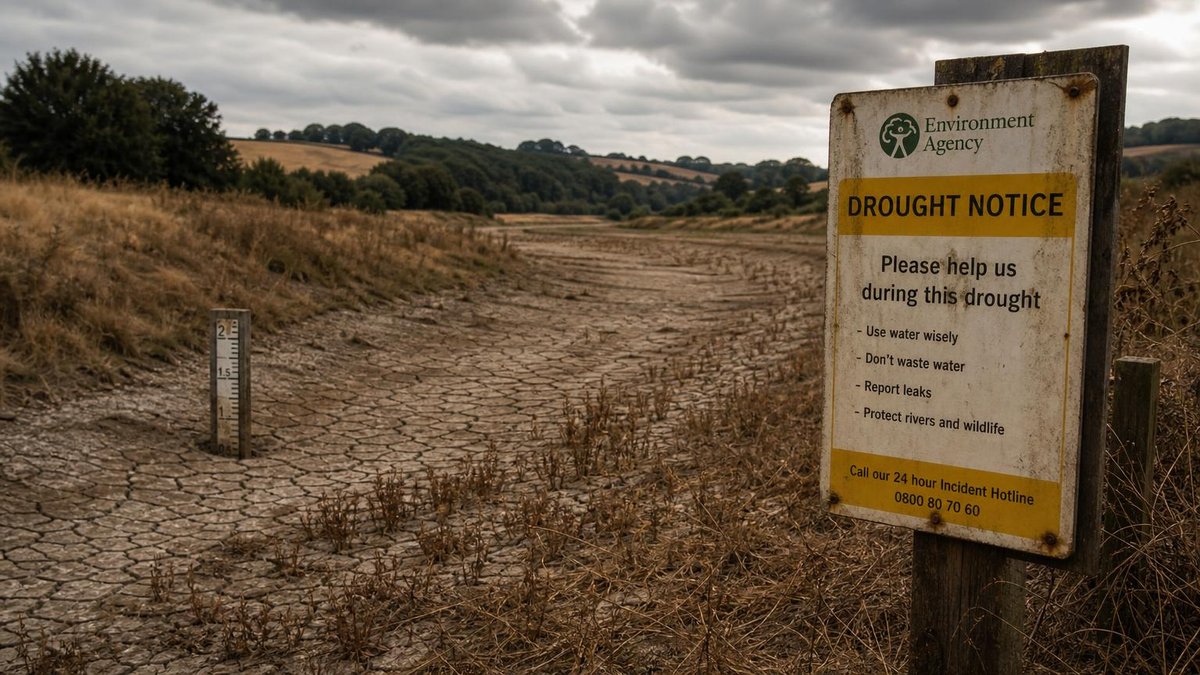
The situation at Ardingly did not arrive overnight. Earlier in October 2026, authorities declared severe drought across parts of Devon, Cornwall, Dorset, Somerset, East Sussex and West Sussex. This classification represents the highest drought level, triggered when evidence shows serious harm is occurring or imminent, and emergency action becomes necessary to protect people, water supplies, farming, infrastructure and the environment.
The immediate cause was straightforward enough. The United Kingdom had just endured its hottest summer on record. Most of Europe suffered back-to-back climate-driven heatwaves. Extreme temperatures combined with minimal rainfall left nearly three-quarters of England and large portions of Wales still in drought or severe drought conditions by late autumn.
Yet the crisis also exposes longer-term failures. Water demand keeps climbing as populations grow and new industrial needs emerge. Data centres and energy infrastructure now compete for supply alongside households. Meanwhile, available water diminishes as climate change intensifies. Rainfall grows more variable and unpredictable; hotter, drier summers increase consumption just when supply shrinks. Decades of underinvestment in leak repair and new reservoir construction have compounded the problem.
The weak enforcement patterns that plague environmental regulation find their parallel here. Water infrastructure has suffered from similar neglect, with consequences now visible in reservoir beds that should be underwater.
The Numbers Behind the UK Water Shortage Crisis
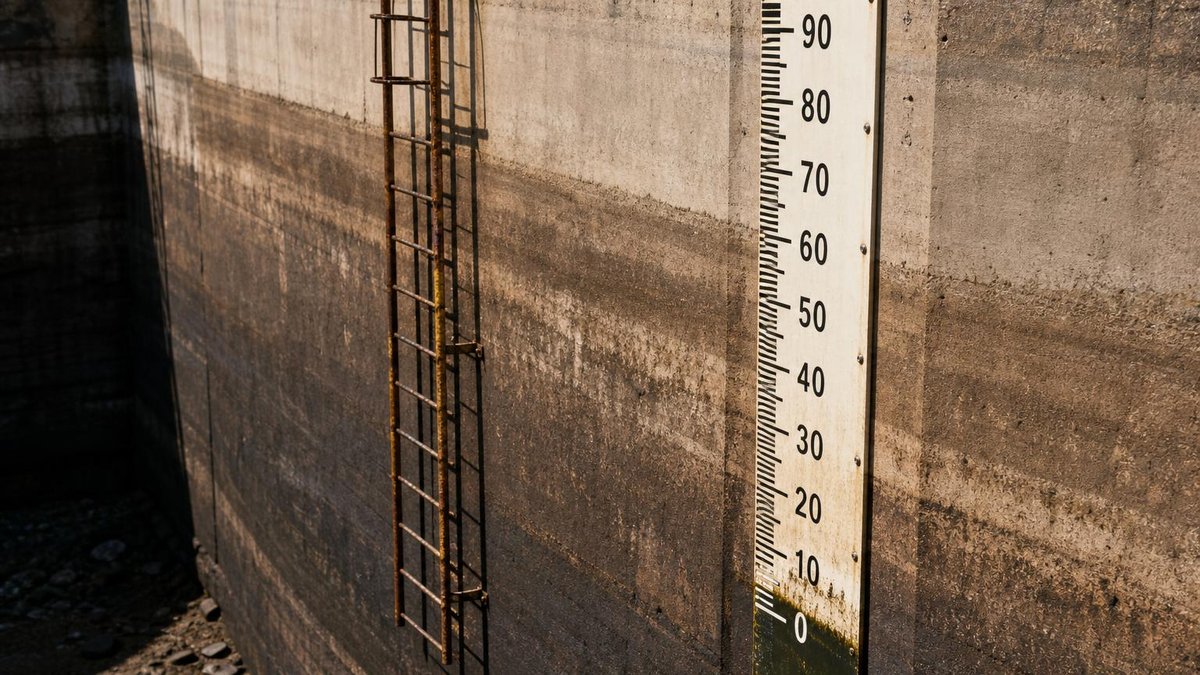
The Environment Agency expects reservoir storage to sit around 75% at this time of year. Current figures tell a different story. Several major reservoirs have fallen critically low, with two standing out as particularly alarming.
The table below compares reservoir conditions and their sources as reported by the Environment Agency and water companies in October 2026:
| Reservoir | Water Company | Current Capacity | Status |
|---|---|---|---|
| Ardingly | South East Water | 19% full | Severely depleted; supplies ~95,000 properties |
| Wimbleball | South West Water | 14.5% full | One of three lowest in England; old stone Bessom Bridge visible |
| Weir Wood | Southern Water | 80% full | Unusable since 2018 due to broken treatment works |
Recovery will not come easily. The government’s national drought group was informed on 28 October 2026 that approximately 120% of average rainfall would be needed between then and April 2027 for all areas to exit drought status. Despite Storm Austen and Storm Boelo bringing “weather whiplash” with heavy precipitation, the recent rain had not fundamentally altered the drought outlook. Hardened ground simply cannot absorb water quickly enough after prolonged dryness.
The Reservoir Next Door: A Bitter Irony
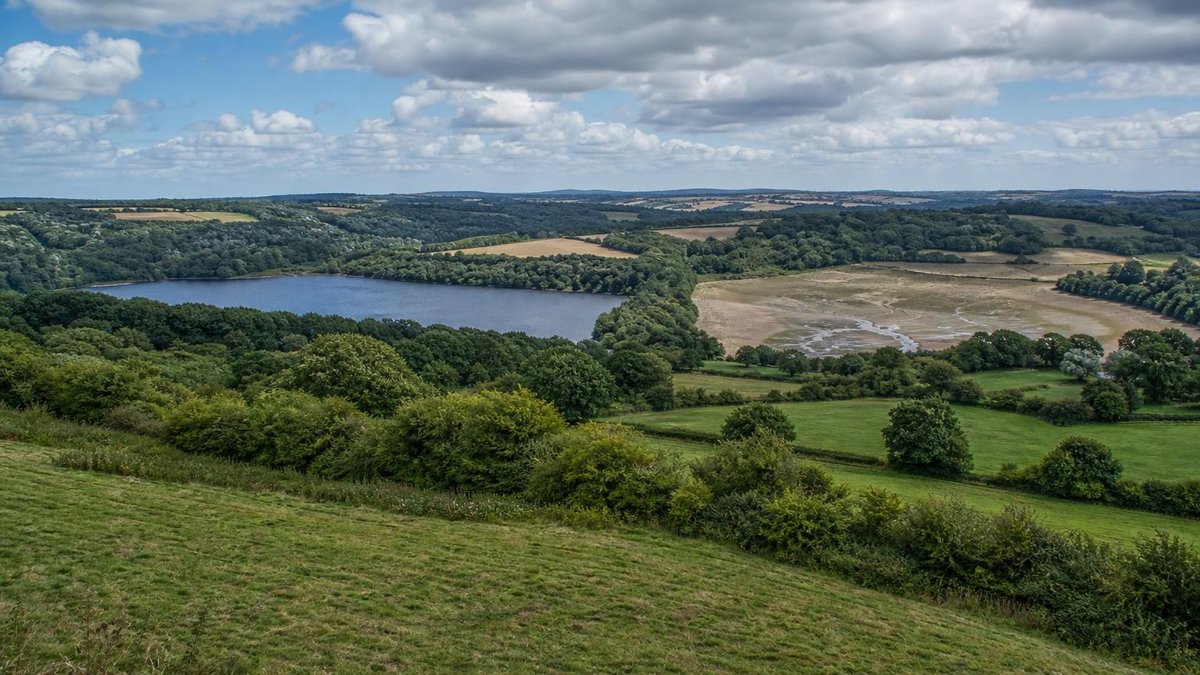
Less than six miles from struggling Ardingly sits Weir Wood reservoir at 80% capacity. Local residents find this maddening. The catch? Its water treatment works, dating from the 1950s, reached the end of operational life and was decommissioned in 2018.
“It’s crazy that they’ve got Weir Wood next door and they’re not using it,” Allan said. “I think that’s madness.”
Graham Ward, another lifelong Haywards Heath resident, agreed. He has already begun storing water in anticipation of worse to come. The frustration runs deeper than inconvenience. New housing developments continue around Haywards Heath despite local opposition, with residents questioning how population growth can proceed without corresponding investment in water capacity. Allan put it bluntly: “They will probably never lift the hosepipe ban and it just seems so unfair that they’re making the area more and more crowded but they’re not increasing the capacity to store water.”
The tipping point dynamics that threaten coral reefs operate in water systems too. Past a certain threshold, recovery becomes exponentially more difficult. Ardingly may be approaching that territory.
Failed Connections and Delayed Solutions

This is not the first time officials considered linking Ardingly and Weir Wood. During the 2025 drought, South East Water announced emergency plans to connect the two reservoirs via an overground pipeline. When rains eventually came and drought conditions temporarily eased, those plans were shelved.
Now, Southern Water aims to rebuild Weir Wood’s treatment works by 2030. South East Water is conducting feasibility studies for a buried pipeline between the reservoirs. But these timelines offer little comfort to residents facing immediate scarcity. Government guidance to stockpile essential goods has only heightened anxiety.
“We’re really not that far away from Weir Wood, and we’ve got Ardingly with hardly any water in it and we’re told to buy water,” Allan said. “It’s just crazy.”
Ward sees systemic failure. “I am worried, but I also think there should be responsibility on the water companies to get the reservoirs working as they should be. The infrastructure is crumbling and it’s not fit for purpose any more; if we continually have hot summers, this is going to be a problem every year.”
Delphine Hazeldone, who has lived in Haywards Heath for more than two decades, shares the alarm. She has never seen Ardingly so low. Her relatives in Australia, no strangers to drought themselves, react with horror at her updates. At nearly 80, Hazeldone worries less for herself than for the generations to follow. “We think well, it’ll be our children and our children’s children facing the problem. The whole thing is a mess.”
Official Responses and the Road Ahead
Southern Water defended its Weir Wood timeline in a statement to the Guardian. The company explained that the 1950s-era treatment works faced “significant reliability and water-quality challenges” that prompted its 2018 removal from supply. A complete rebuild was selected as the best long-term solution for reliable, resilient supply. The company noted that even operational Weir Wood treatment works would not resolve Ardingly’s current situation, given existing interconnection arrangements.
Water minister Emma Hardy, who chaired the national drought group meeting on 28 October 2026, struck a sombre tone. “Despite the recent rain, the situation remains serious. As we move through autumn and winter, we now face the challenge of having drought and flood simultaneously as the rain struggles to be absorbed by the hardened ground.”
Hardy emphasised looking ahead. “Resilience to our changing climate is key and we need to be thinking about next year now. Water companies must continue to take every available measure to secure current supplies while also ensuring that we start the spring in the strongest possible position.”
South East Water declined to comment on the record.
The phrase “now you see me” takes on uncomfortable resonance here. Where water once dominated the landscape, residents now see only absence. The disappearing reservoir has become an unintended spectacle, its vanishing act performed not by magicians but by climate change and institutional neglect.
Frequently Asked Questions
The Current Crisis
How low is Ardingly reservoir?
As of late October 2026, Ardingly reservoir stands at 19% of its total capacity. The Environment Agency would expect approximately 75% storage at this time of year under normal conditions. The reservoir supplies roughly 95,000 properties in Haywards Heath, Uckfield and surrounding Sussex areas.
What caused the England reservoir drought in 2024 and beyond?
Multiple factors converged:
- The UK’s hottest summer on record, part of broader European heatwaves
- Extreme heat combined with minimal rainfall
- Increased water demand from population growth and new industrial uses including data centres
- Reduced supply from greater rainfall variability and hotter, drier summers
- Decades of underinvestment in leak repair and new reservoir construction
Why can’t Weir Wood reservoir help Ardingly?
Weir Wood sits at 80% capacity but has been unusable since 2018 when its 1950s-era water treatment works reached end of life. Southern Water is rebuilding the facility with a 2030 target date. South East Water studied an emergency overground pipeline during the 2025 drought but shelved plans when conditions temporarily improved.
Looking Forward
What would end the drought?
The national drought group was told that roughly 120% of average rainfall between October 2026 and April 2027 would be needed for all areas to exit drought. Recent storms Austen and Boelo brought heavy rain but could not offset the deficit because hardened ground absorbs water too slowly after prolonged dryness.
How does this connect to reservoir drying up and climate change?
The current crisis exemplifies climate change impacts on water systems. Hotter summers increase demand while reducing supply. Rainfall becomes more erratic. As one resident noted, if hot summers continue, “this is going to be a problem every year.” The situation also illustrates how major events like the Paris Olympics have tried to model sustainable water use, though systemic infrastructure change remains slower.
Are there plans to prevent future crises?
Several initiatives are in progress, though timelines extend years into the future:
- Southern Water’s Weir Wood treatment works rebuild, targeted for 2030
- South East Water’s feasibility study for a buried pipeline connecting Ardingly and Weir Wood
- Ongoing pressure on water companies to reduce leaks and increase supply resilience
- Government calls for companies to secure current supplies while preparing for spring 2027
What can residents do?
Some locals have begun storing water personally. Hosepipe bans remain in effect. Beyond individual action, residents like Graham Ward argue for holding water companies accountable for infrastructure investment. The broader lesson, as with many climate adaptation challenges, is that reactive emergency measures prove more costly than proactive preparation.
Sources
- The Guardian, 2026, “‘You can see the water going down’: residents on edge as one of England’s worst-hit reservoirs dries up,” https://www.theguardian.com/environment/2026/oct/30/haywards-heath-ardingly-reservoir-water-level-drought-england
- Environment Agency, drought classification and reservoir storage expectations, cited in Guardian reporting, October 2026 [VERIFY]
- Southern Water, statement on Weir Wood reservoir rebuild, October 2026, cited in Guardian reporting [VERIFY]
- UK Government, national drought group meeting outcomes, October 2026, cited in Guardian reporting [VERIFY]
This article is for informational purposes only.

Dr. Alexander Tabibi is an entrepreneur, investor, and advocate for sustainable innovation with a deep commitment to leveraging technology for environmental and social good. As a thought leader at the intersection of business and sustainability, Dr. Tabibi brings a strategic vision to Green.org, helping guide its mission to inspire global climate awareness and actionable change.
With a background in both medicine and business, Dr. Tabibi combines analytical rigor with entrepreneurial insight.