

Europe has had a rough few years. Wildfires tearing through Greece and Spain, catastrophic flooding in Germany and Slovenia, droughts baking the continent’s agricultural heartland. And every time disaster strikes, the same painful question surfaces: who pays? For millions of homeowners, farmers, and small businesses, the answer is increasingly “you do,” as insurers quietly exit markets they’ve decided are too risky. That trend, often called insurance withdrawal climate risk, is becoming one of the continent’s most urgent financial problems. Now the European Union is stepping in with a proposed climate insurance scheme designed to fill that gap before it becomes a full-blown crisis.
Why Europe Needed This, and Needed It Now
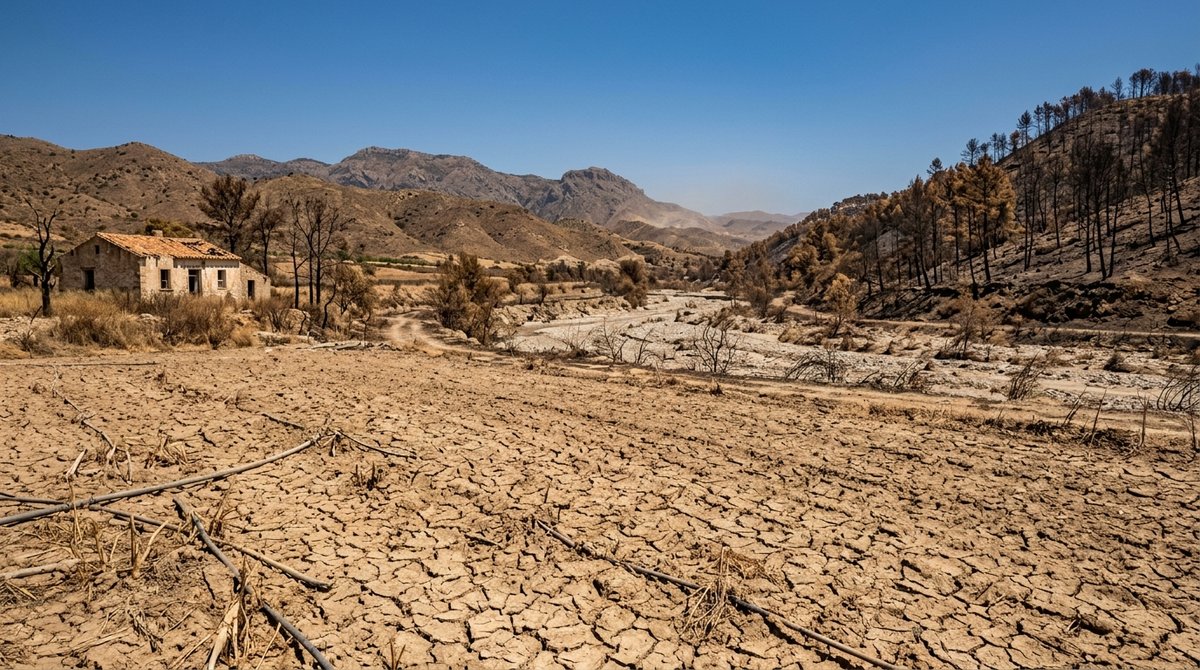
The summer of 2024 made the argument impossible to ignore. Record heat. Flash floods. Droughts that just wouldn’t quit. These weren’t flukes anymore; they were arriving on schedule, season after season. February 2024 had already broken global temperature records, signaling early in the year that the trend line was heading in only one direction.
By autumn, European policymakers were sitting with a stark set of numbers. According to the European Insurance and Reinsurance Federation, less than a quarter of climate-related losses across Europe are currently covered by insurance. That gap, between what disasters cost and what actually gets paid out, is widening fast.
Private insurers are pulling back from high-risk zones. Flood plains, coastal areas, wildfire corridors: coverage in these places is becoming either unaffordable or simply gone. That’s not a market failure in the abstract sense. It’s a real and immediate problem for the people living there.
What the EU Is Actually Proposing
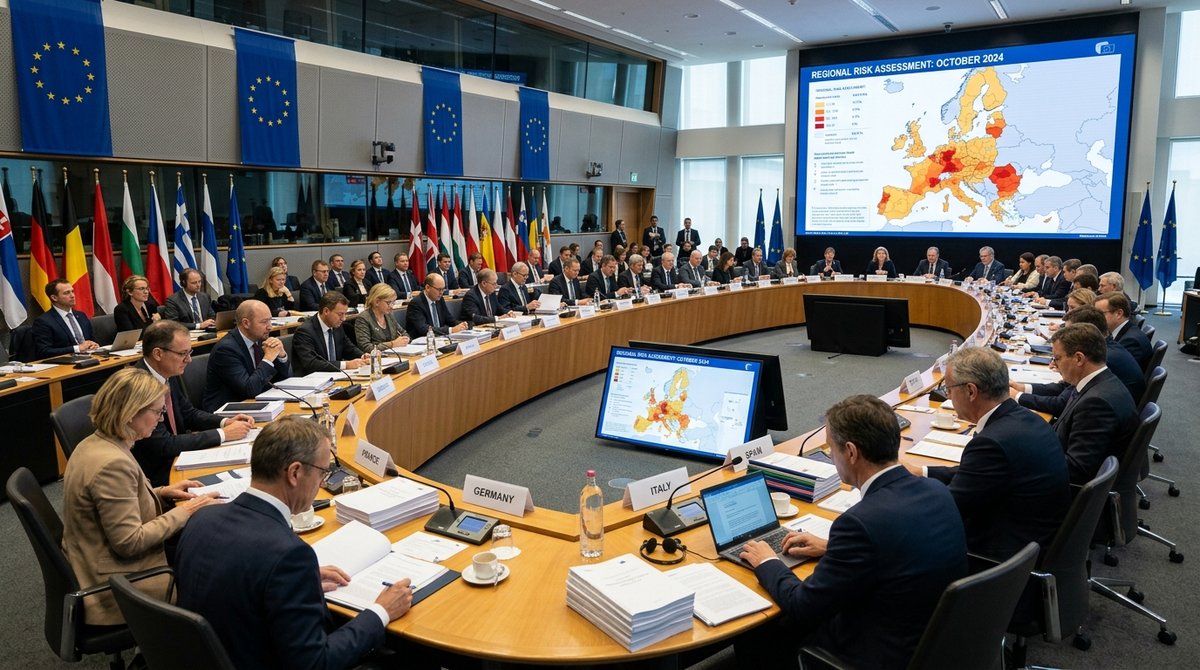
The European Commission has been working on a climate risk insurance framework that would function as a backstop for national insurance markets. The core idea is fairly straightforward: create a pooled fund at the EU level capable of absorbing large-scale climate losses that would overwhelm any single country’s capacity to respond.
Think of it as reinsurance for governments. When a major flood or drought causes damage that exceeds what national schemes can handle, the EU-level fund kicks in and covers the overflow. This keeps national markets from collapsing and ensures that individuals and businesses can still access coverage even in the riskiest regions.
The scheme also covers prevention and adaptation, not just payouts. Insuring against risk only works long-term if you’re shrinking that risk at the same time. So funding would move toward flood defenses, drought-resistant farming, and building resilience improvements that cut community vulnerability before the next disaster hits.
There’s also a proposed EU-wide database for tracking climate-related losses. Right now the data is fragmented by country, often by region, making accurate continent-wide risk modeling genuinely difficult. A shared database would give insurers, governments, and researchers something far more useful to work with when pricing risk and shaping policy.
The Insurance Gap Is Getting Harder to Ignore

One of the strongest drivers behind this initiative is the reality that private insurers are retreating faster than governments can respond. The phenomenon of insurance withdrawal climate risk isn’t unique to Europe; it’s playing out in Florida, California, and parts of Australia too. But in Europe, it’s hitting populations that have historically relied on stable insurance markets and aren’t prepared for this kind of disruption.
Farmers in southern France and smallholders in eastern Europe simply don’t have cash reserves to survive a catastrophic harvest loss uninsured. A flooded home in the Netherlands or Germany isn’t something you can just walk away from. When insurers exit, personal finances collapse first. Local businesses follow. Then people leave, and entire regions hollow out.
The pattern of heat waves and wildfires sweeping across Europe in recent summers has made this painfully visible. Insurance companies respond to actuarial reality; if the risk is too high and too uncertain, they exit. The question the EU is trying to answer is whether public policy can stabilize those markets long enough for adaptation to catch up.
Political Momentum and Pushback
The proposal hasn’t been universally welcomed. Some northern European member states, particularly those less exposed to southern European wildfire risk or Mediterranean drought, are skeptical about pooling liabilities at the EU level. Their position is simple: we have less risk, so why are we covering yours?
It’s a charged debate, and it maps onto familiar fault lines inside the bloc. Fiscal solidarity versus national sovereignty. Advocates for the scheme reject that framing outright, pointing out that climate risk doesn’t stop at borders. A drought in Spain pushes up food prices from Lisbon to Tallinn. Flooding in Germany sends supply chain shocks rippling into Poland and the Czech Republic. Treating this as a purely national problem ignores how deeply tangled European economies already are.
There’s also a growing body of evidence that prevention spending at scale is dramatically cheaper than disaster response. Every euro invested in flood defenses or firebreaks saves multiple euros in post-disaster reconstruction. That math makes a stronger case for pooled EU investment than political rhetoric alone ever could.
What It Means for Businesses and Individuals

For ordinary Europeans, the scheme would ideally mean continued access to affordable coverage in high-risk areas, clearer and more standardized policy terms across borders, and a government-backed safety net for when private markets fail entirely.
For businesses, especially small and medium enterprises in agriculture, tourism, and construction, it could mean the difference between staying viable after a climate shock and shutting down. Climate risk insurance news out of Brussels has increasingly focused on the economic resilience angle, framing coverage not just as financial protection but as a tool for economic stability.
The scheme also aligns with broader EU sustainability goals. Sustainability is reshaping how businesses and economies are structured, and climate insurance is part of that transformation. Getting the financial architecture right means businesses can take calculated risks on adaptation investments without betting their entire operation on good weather.
The EU’s proposal will also be watched closely by other regions dealing with similar challenges. If the framework works, it could serve as a model for pooled climate risk coverage elsewhere, particularly in developing nations where the protection gap is even wider and the consequences of under-insurance are even more severe.
Frequently Asked Questions About the EU Climate Insurance Scheme
What is the EU climate insurance scheme?
It’s a proposed European Union framework that would create a pooled fund to cover large-scale climate-related losses across member states. The goal is to backstop national insurance markets when individual countries face losses too large to manage on their own, particularly after major floods, droughts, or wildfires.
Why are insurers pulling out of climate-risk areas in Europe?
Private insurers are retreating because covering properties in high-risk zones has become too uncertain and too costly. As extreme weather becomes more frequent and severe, the actuarial models that once made coverage profitable are breaking down. This insurance withdrawal driven by climate risk leaves homeowners, farmers, and businesses without the protection they need.
How would the EU scheme be funded?
- Contributions from EU member states, likely weighted by national income and risk exposure
- Possible premium contributions from participating national insurance schemes
- EU budget allocations tied to the broader climate adaptation funding framework
- Potential private sector co-investment through public-private partnerships
Would coverage be mandatory for EU citizens?
The current proposal doesn’t mandate individual coverage. Instead, it focuses on creating a reinsurance layer at the EU level that national governments and insurers can draw on. Member states would still design and administer their own retail insurance markets, but with access to the EU backstop in catastrophic scenarios.
How does this relate to climate risk insurance news coming out of the EU?
The scheme is one of the most significant policy responses to the growing climate risk insurance coverage gap in Europe. It reflects a broader shift in climate risk insurance news, where governments are moving away from relying entirely on private markets toward creating hybrid public-private systems that can handle the scale and unpredictability of climate-driven losses.
When could the scheme be implemented?
Timelines are still being negotiated. The European Commission has indicated it wants a framework in place by the mid-2020s, but final approval depends on agreement among member states, many of which have competing priorities and concerns about fiscal exposure. Pilot programs in the most vulnerable regions are possible before any full rollout.
Does the scheme include flood and drought coverage?
- Yes, both flood and drought are priority risks under the proposed framework
- Agricultural drought coverage is particularly important for southern and eastern member states
- Flood coverage would address gaps left by private insurers exiting high-risk zones in countries like Germany, Belgium, and the Netherlands
- Wildfire risk, increasingly relevant for Mediterranean countries, is also on the table
What happens if the EU scheme doesn’t pass?
Without a coordinated EU response, the protection gap will keep widening. More insurers will exit risky markets, more households will be left without coverage, and national governments will face mounting pressure to fund disaster recovery from public budgets. That outcome is likely to be both more expensive and less equitable than a properly designed insurance scheme.
Sources
- European Insurance and Reinsurance Federation (Insurance Europe), Climate protection gap data
- European Commission, Climate Adaptation Strategy 2024 framework documents
- Swiss Re Institute, Natural catastrophe insurance gap analysis, Europe 2023-2024
- Copernicus Climate Change Service, European extreme weather monitoring reports
- European Parliament Research Service, Climate risk and financial stability briefings
This article is for informational purposes only.

Dr. Alexander Tabibi is an entrepreneur, investor, and advocate for sustainable innovation with a deep commitment to leveraging technology for environmental and social good. As a thought leader at the intersection of business and sustainability, Dr. Tabibi brings a strategic vision to Green.org, helping guide its mission to inspire global climate awareness and actionable change.
With a background in both medicine and business, Dr. Tabibi combines analytical rigor with entrepreneurial insight.