When most people think about climate change, heat is the first thing that comes to mind. Record-breaking temperatures, deadly heatwaves, cities turned into ovens. And yes, that’s real and serious – but scientists are increasingly alarmed by a whole other set of changes happening alongside the heat – shifts that don’t make the same headlines but are, in many ways, just as frightening.
My go to line is – the earth needs to be in an ICU at this rate of deterioration and from the ocean floor to the upper atmosphere, from rainfall patterns to animal migrations, the climate crisis is rewriting rules that ecosystems spent millions of years learning. Some of these changes are outpacing even the most pessimistic models researchers built just a decade ago. Even my own.
Here’s what’s catching scientists off guard, and why the story of climate change is much bigger than temperature alone.
The Ocean Is Behaving in Ways Nobody Predicted
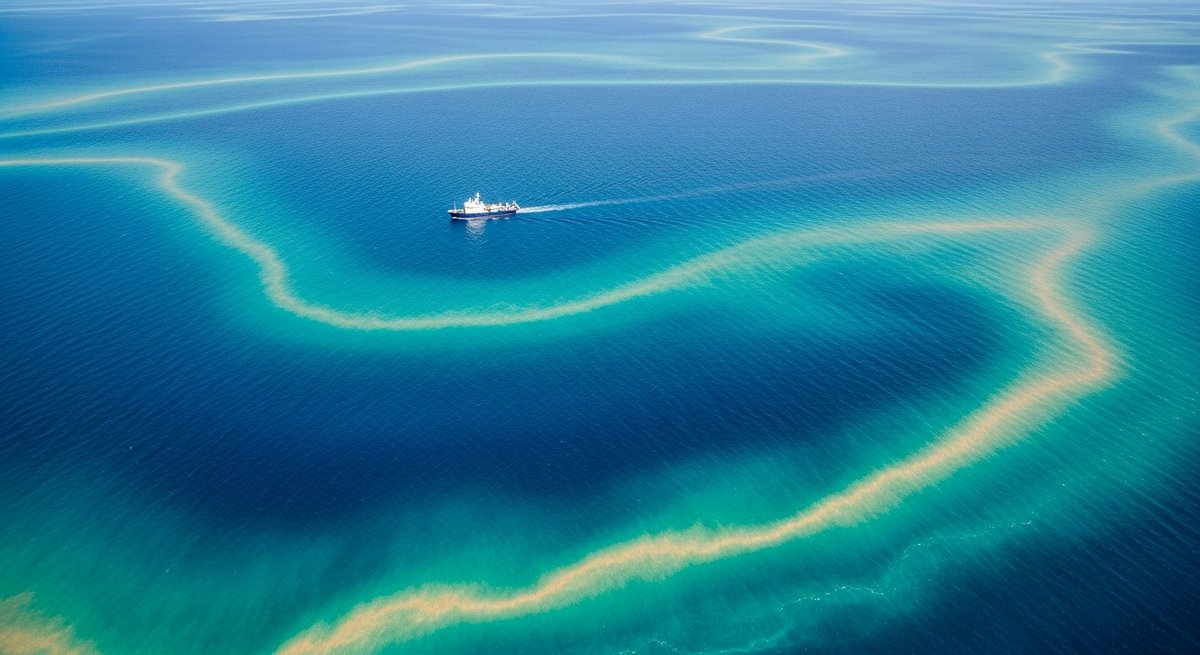
The world’s oceans absorb about 90% of the excess heat generated by greenhouse gas emissions. That’s actually protected us from even more severe atmospheric warming. But the ocean is paying a steep price – and it’s starting to push back in unexpected ways.
In 2023 and into 2024, sea surface temperatures hit levels that baffled oceanographers. The North Atlantic was running so far above average that some researchers described it as “uncharted territory.” with marine heatwaves now more frequent, more intense, and lasting longer than models predicted.
What worries scientists most is what this means for ocean circulation – the well known AMOC (The Atlantic Meridional Overturning Circulation) – often called the ocean’s conveyor belt – shows signs of slowing. If it weakens significantly or collapses, it could disrupt weather patterns across Europe and North America in ways that go far beyond warmer summers. Think colder winters in parts of Europe, more intense storms, and altered monsoon systems affecting billions of people.
Ocean acidification is another piece of this puzzle. As the ocean absorbs CO2, it becomes more acidic, threatening shellfish, coral reefs, and the entire marine food chain and note – his isn’t a future problem. It’s happening now, and it’s accelerating at frankly alarming rates.
Rainfall and Drought Are Rewriting Geography
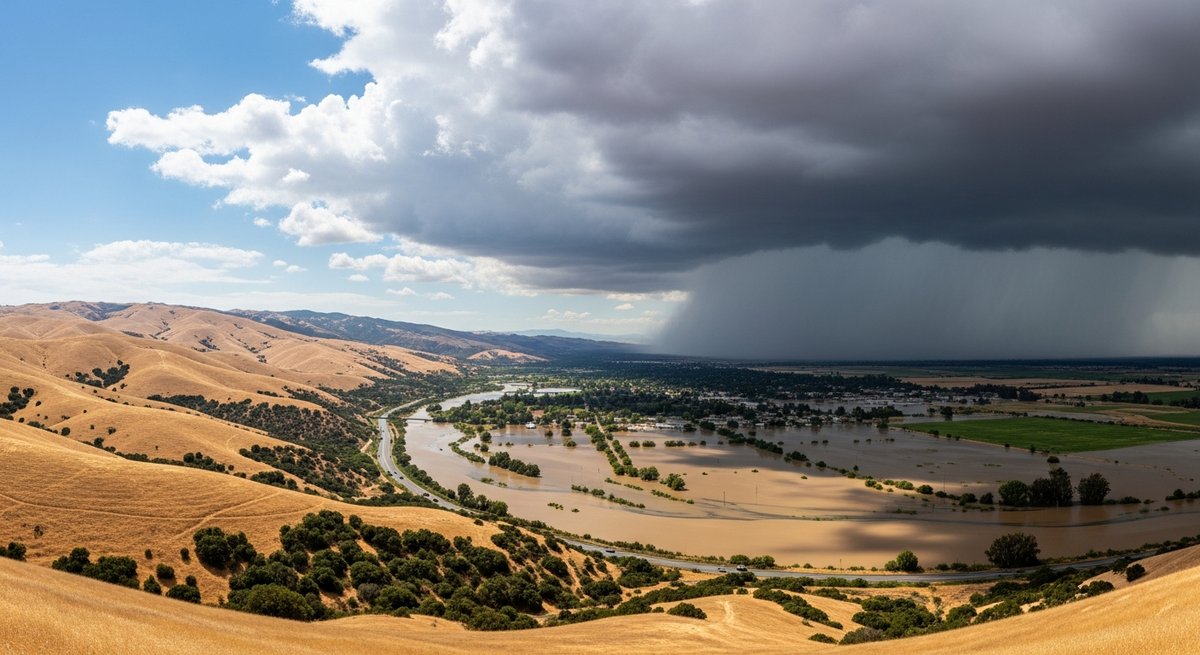
One of the more counterintuitive effects of global warming is that it simultaneously makes some places wetter and others drier – often in the same region, within the same year. Scientists call this “precipitation whiplash,” and it’s becoming more common.
California experienced this dramatically in recent years, swinging from historic drought to catastrophic flooding within a single season while the same pattern is playing out across the Middle East, South Asia, and sub-Saharan Africa. The warming atmosphere holds more moisture, so when it does rain, it pours. But longer dry periods in between mean the ground can’t absorb the sudden deluge, leading to floods and runoff instead of replenishment.
Glaciers and snowpack are also part of this water story as mountain snowpack acts as a natural reservoir, slowly releasing meltwater through spring and summer. As it disappears, regions that depend on it for agriculture and drinking water face a growing crisis – affecting hundreds of millions of people across South America, Central Asia, and the western United States.
Understanding how these shifts connect to broader warming is something researchers are working urgently to communicate. Katharine Hayhoe’s work on climate science communication highlights exactly why bridging this gap matters so much right now.
Ecosystems Are Losing Their Timing
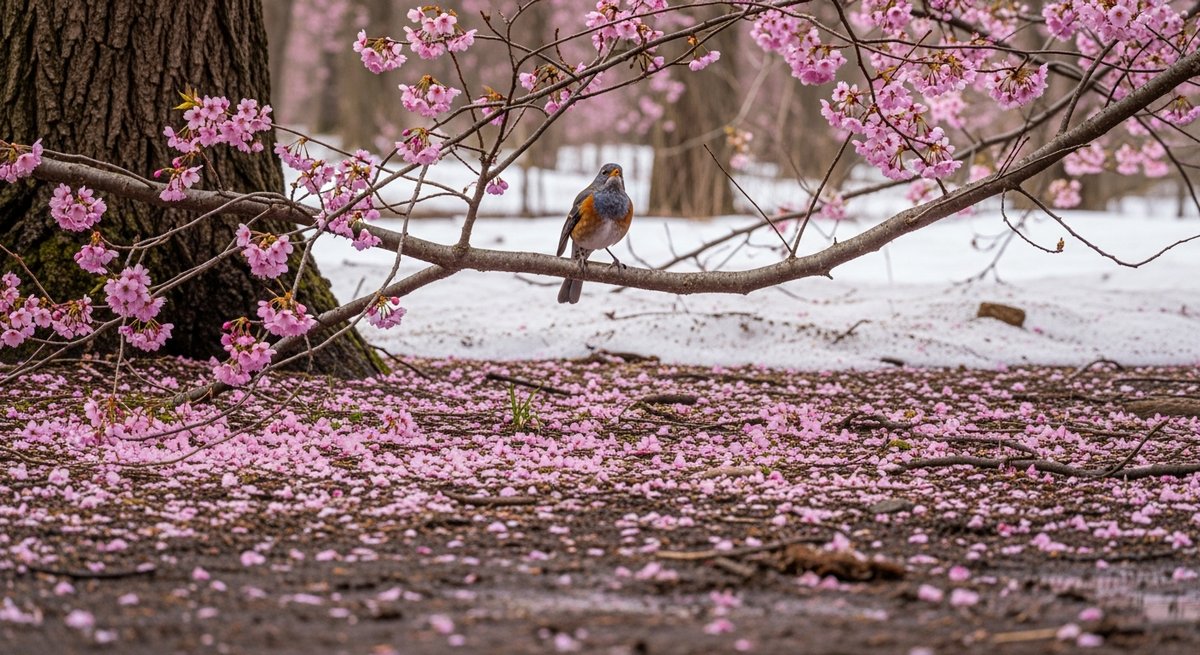
There’s a concept in ecology called “phenological mismatch.” It refers to what happens when the timing of interdependent natural events falls out of sync – flowers blooming before their pollinators emerge, birds arriving to find their insect prey has already peaked, caterpillars hatching before the leaves they need have appeared.
Climate change is causing widespread phenological disruption. Species that evolved together over thousands of years are now operating on different schedules, and the consequences ripple through entire food webs. Some bird populations have declined sharply because the insects they depend on during breeding season are no longer abundant at the right time. Certain tree species are flowering weeks earlier than they did 50 years ago, throwing off relationships with the insects and animals that depended on those predictable signals.
In marine ecosystems, similar disruptions are playing out. Plankton blooms are shifting in timing and location, affecting fish populations that feed on them, which in turn affects marine mammals and seabirds higher up the chain.
These changes are subtle compared to a dramatic heatwave or wildfire, but ecologists argue they may be more fundamentally destabilizin as while forest that burns can regrow, a food web that unravels is much harder to reassemble.
Tipping Points Are Closer Than the Models Suggested
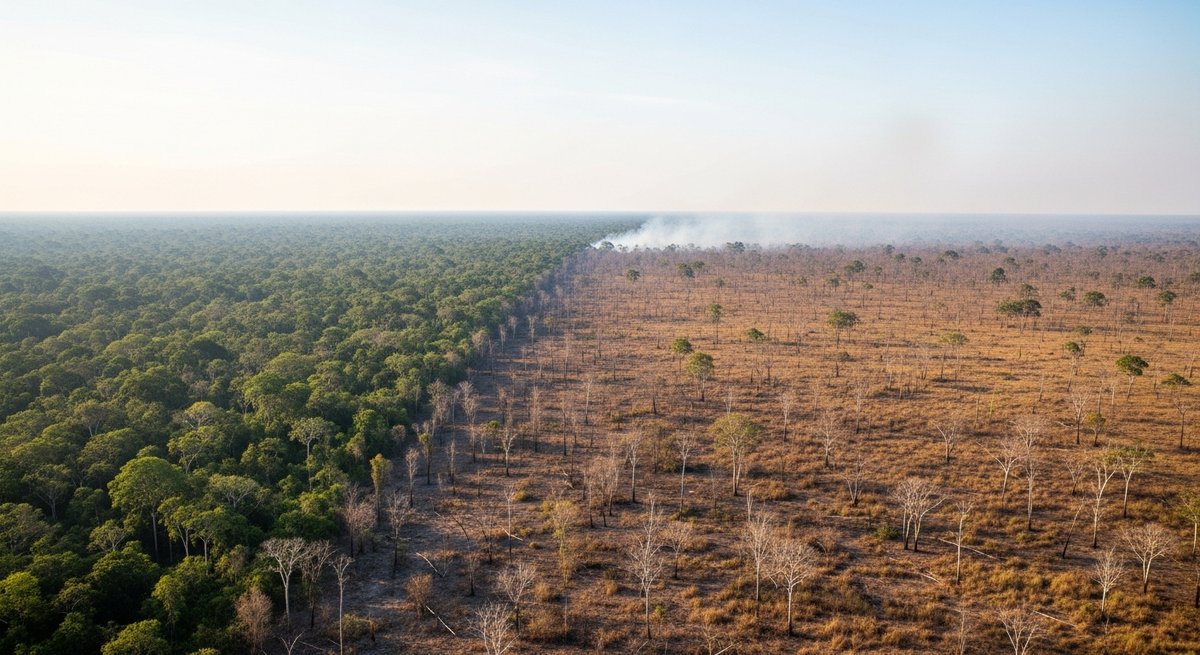
For years, climate scientists warned about tipping points – thresholds beyond which certain systems shift irreversibly into a new state. The Amazon transitioning from rainforest to savanna. Arctic permafrost releasing stored carbon in a feedback loop. The Greenland ice sheet entering a self-sustaining melt cycle.
The alarming news is that some of these tipping points appear to be closer, and potentially interconnected, in ways that earlier models didn’t fully capture. Crossing one threshold can increase the likelihood of crossing others, creating cascading effects researchers call “tipping cascades.”
The conversation around crossing the 1.5°C climate threshold is particularly urgent in this context. That number isn’t arbitrary. It represents the point at which several tipping points become significantly more likely to trigger – not guaranteed, but dangerously probable.
What’s shocking scientists isn’t just that we’re approaching 1.5°C. It’s how fast we got here, and how some systems are already showing signs of tipping behavior at temperatures we thought were still within a safe range.
Human Health and Society Feel It in Unexpected Places
The health impacts of climate change extend well beyond heatstroke. Researchers are documenting shifts in the geographic range of disease-carrying insects, with mosquito-borne illnesses like dengue and malaria appearing in regions previously too cold to support them. Tick populations are expanding into new latitudes and elevations, bringing Lyme disease with them.
Air quality is another underappreciated impact. Longer wildfire seasons pump smoke across entire continents, and warmer temperatures increase ground-level ozone. People with respiratory conditions are already experiencing longer, harder seasons because of it.
Food security is shifting too. Crop yields for staples like wheat, corn, and rice are increasingly affected by erratic weather, heat stress during pollination, and changes in growing season length. Leaders like Mia Mottley have made climate justice central to the global conversation precisely because these burdens fall most heavily on nations that contributed least to the problem.
What Researchers Are Saying About the Road Ahead
Scientists aren’t despairing, but they are increasingly direct about the urgency. The gap between what the science shows and what policy has delivered remains enormous. International frameworks like those being shaped at COP30 represent critical opportunities to close that gap, but only if ambition matches the scale of what the data is showing.
The surprising nature of many of these climate impacts – the speed, the interconnectedness, the appearance of effects in places and systems once considered resilient – is itself a kind of message. Complex systems, when pushed hard enough, don’t always fail gradually. Sometimes they shift suddenly.
That’s not a reason for fatalism. It’s a reason to take seriously what the science is saying, act with the urgency it warrants, and stop treating heat as the only metric that matters.
Frequently asked questions about climate change impacts beyond heat
Beyond temperature rise, significant non-heat climate impacts include:
- Ocean acidification and disruption of marine food chains
- Changes in precipitation patterns, including more intense flooding and prolonged drought
- Loss of glaciers and snowpack that supply freshwater to hundreds of millions of people
- Ecosystem disruption caused by phenological mismatches between species
- Expansion of disease-carrying insects into new regions
- Potential slowdown or collapse of ocean circulation systems like the AMOC
Why are scientists surprised by recent climate findings?
Many current changes are occurring faster or at lower temperature thresholds than earlier models predicted. Ocean temperatures in 2023 and 2024 reached levels that shocked oceanographers, and some ecological tipping points are showing warning signs earlier than expected. The interconnected nature of these systems means one change can trigger others in ways that are difficult to model.
What is a climate tipping point and why does it matter?
A climate tipping point is a threshold beyond which a system shifts irreversibly into a new state. Examples include the Amazon rainforest converting to savanna, Arctic permafrost releasing stored carbon, or the Greenland ice sheet entering an unstoppable melt. These matter because they can trigger further changes in other systems, potentially accelerating warming in ways that go beyond human control.
How does climate change affect water supplies?
Climate change disrupts water in several ways:
- Glaciers and mountain snowpack are shrinking, reducing natural water storage
- Rainfall is becoming more erratic, swinging between drought and intense flooding
- Higher temperatures increase evaporation, drying out soils faster
- Sea level rise threatens freshwater supplies in coastal and island regions through saltwater intrusion
What is phenological mismatch and how is climate change causing it?
Phenological mismatch occurs when species that evolved together – like a plant and its pollinator, or a predator and its prey – become out of sync in their seasonal timing. Warming temperatures are shifting when flowers bloom, insects emerge, and birds migrate, sometimes breaking relationships that entire ecosystems depend on. This can reduce reproduction rates and cause population declines across multiple species at once.
Are climate change health impacts limited to heatstroke?
No, the health impacts are much broader. Warmer temperatures are expanding the range of mosquitoes and ticks, bringing dengue fever, malaria, and Lyme disease to regions that previously had no exposure. Longer wildfire seasons worsen air quality across wide areas, increasing respiratory illness. Changes in food production also threaten nutrition security in vulnerable regions.
What does the 1.5°C climate threshold mean in practical terms?
The 1.5°C threshold represents the level of global average warming above pre-industrial temperatures at which several dangerous tipping points become significantly more likely. Beyond this point, risks of irreversible changes to ice sheets, ecosystems, and ocean circulation increase sharply. Many nations agreed to pursue this limit under international climate agreements, though current trajectories suggest it may be breached within this decade.
Sources: Intergovernmental Panel on Climate Change (IPCC), National Oceanic and Atmospheric Administration (NOAA), Nature Climate Change journal, World Health Organization (WHO), NASA Earth Observatory, Woods Hole Oceanographic Institution.
This article is for informational purposes only.

Dr. Alexander Tabibi is an entrepreneur, investor, and advocate for sustainable innovation with a deep commitment to leveraging technology for environmental and social good. As a thought leader at the intersection of business and sustainability, Dr. Tabibi brings a strategic vision to Green.org, helping guide its mission to inspire global climate awareness and actionable change.
With a background in both medicine and business, Dr. Tabibi combines analytical rigor with entrepreneurial insight.