

The ocean has always been Earth’s great stabilizer, absorbing heat, cycling carbon, feeding billions of people, and quietly doing the heavy lifting that keeps this planet livable. But a sweeping new UN report is sounding an alarm that scientists say we can no longer afford to ignore: our oceans are being pushed toward a tipping point, and the combination of climate change and relentless pollution is accelerating the damage faster than most models predicted.
This isn’t abstract, far-off science. The consequences are already showing up in bleached coral reefs, collapsing fish populations, rising sea levels, and coastlines that look nothing like they did a generation ago. What the UN report makes clear is that we are not dealing with isolated problems – we are dealing with a cascading system under compounding stress.
What the UN Report Actually Found
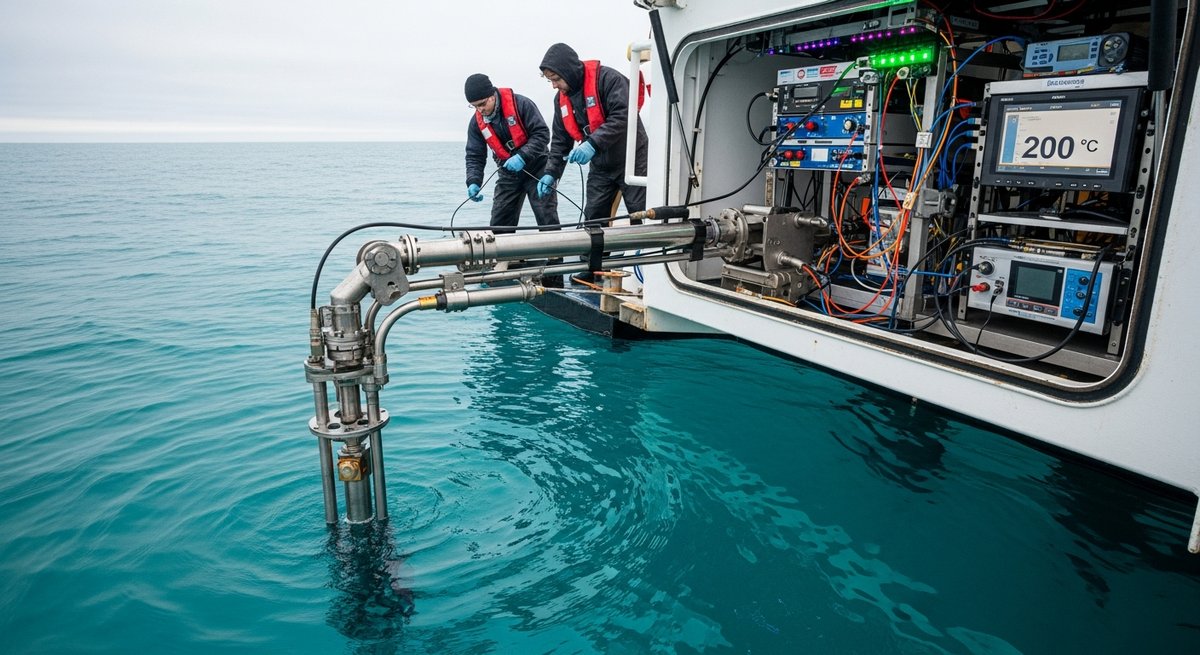
The report, released as part of ongoing UN climate assessment efforts, paints a detailed and sobering picture of ocean health. Rising sea temperatures, ocean acidification, deoxygenation, and pollution are not just co-existing threats – they are interacting with each other in ways that amplify damage across marine ecosystems.
Sea surface temperatures have been climbing for decades, but the rate of warming has spiked sharply in recent years. Ocean temperatures reached another record high in 2025, continuing a trend that is stressing marine species at every level of the food web. Warmer water holds less oxygen, disrupts spawning cycles, and creates the conditions for mass coral bleaching events that were once rare but are now practically annual in some regions.
Ocean acidification – driven by the ocean absorbing excess CO2 from the atmosphere – is dissolving the calcium carbonate structures that shellfish, corals, and countless other species depend on. The chemistry of seawater is changing at a rate that many marine organisms simply cannot adapt to quickly enough.
Pollution Is Making Everything Worse
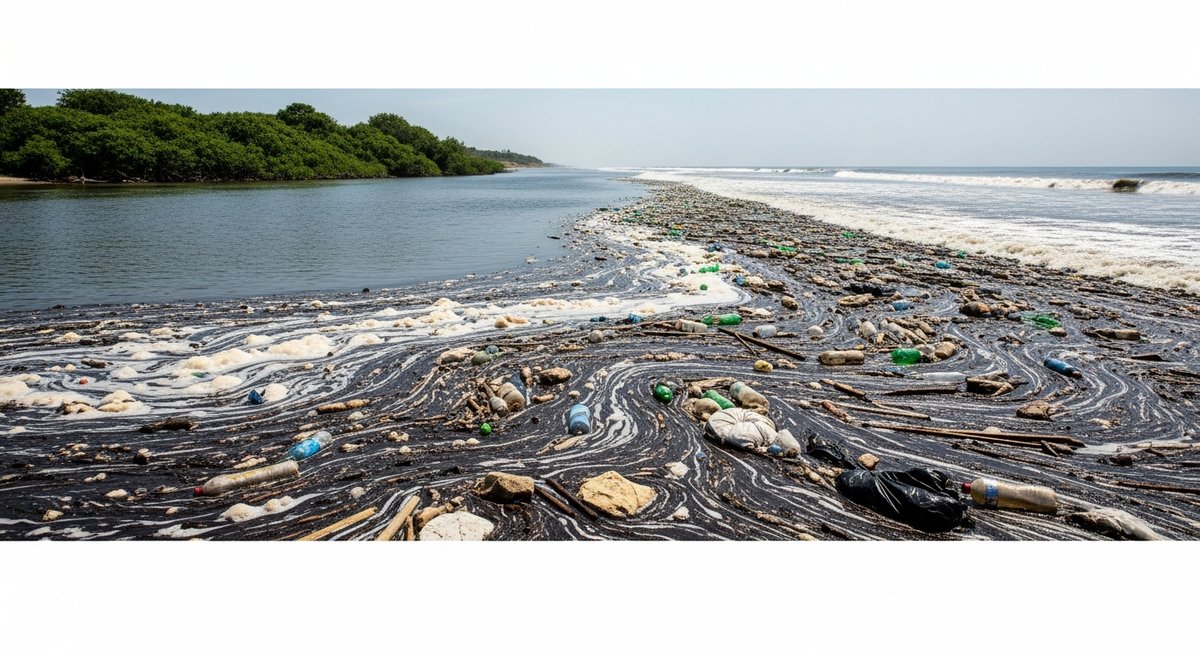
Climate change alone would be bad enough, but pollution is piling onto an already stressed system. Plastic waste, agricultural runoff, industrial discharge, and oil contamination are degrading water quality, disrupting food chains, and introducing toxins into marine environments at scale.
Microplastics have now been found in the deepest ocean trenches, in fish tissue, in sea turtle digestive systems, and in the water column at virtually every depth. The pollution impact on oceans from plastic represents a chronic, slow-moving crisis that compounds the acute shocks from warming. You can read more about the broader scope of this problem in our piece on plastic pollution as a global crisis affecting Earth’s systems.
Oil contamination adds another layer. Spills get attention when they are catastrophic, but everyday seepage from shipping, offshore operations, and runoff is far more widespread. Research suggests that only about 0.5% of oil slicks are ever officially reported, meaning the true scale of hydrocarbon contamination is almost certainly being vastly underestimated.
Agricultural runoff creates dead zones – coastal areas where nitrogen and phosphorus from fertilizers trigger algae blooms that strip oxygen from the water, suffocating marine life. There are now hundreds of these hypoxic zones around the world, and they are growing.
Marine Ecosystems on the Edge
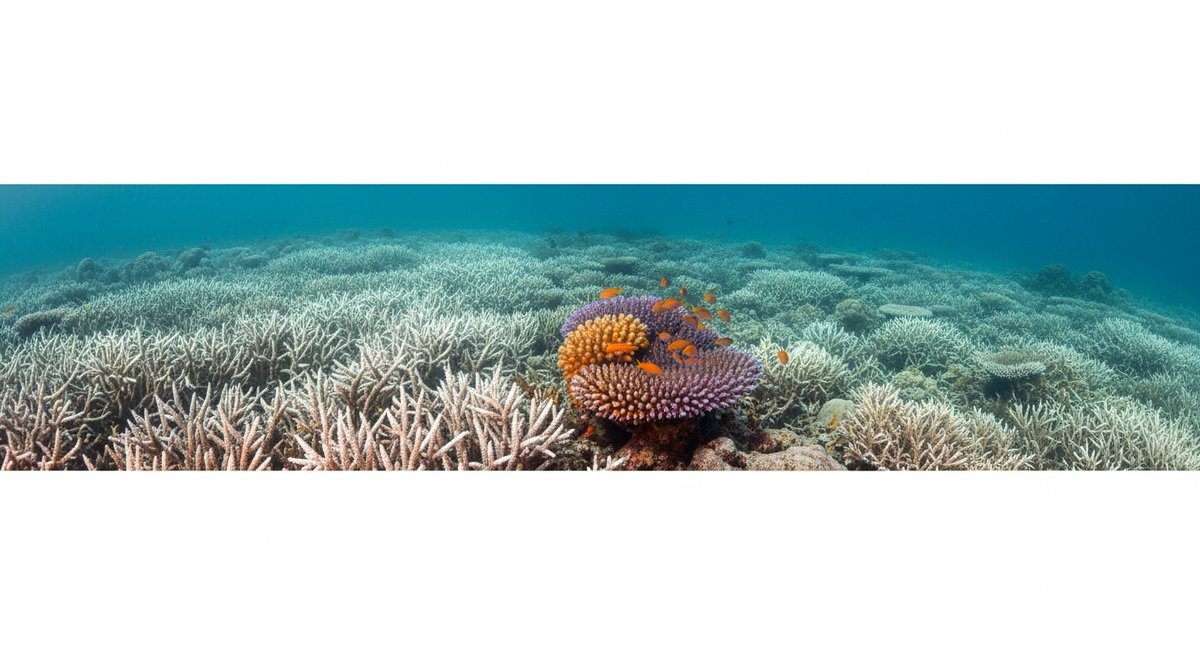
The concept of a tipping point is not rhetorical. In ecological systems, tipping points describe thresholds where incremental stress suddenly produces non-linear, potentially irreversible change. The UN report identifies several marine ecosystems that are either approaching or have already crossed such thresholds.
Coral reefs are the most visible example. These ecosystems support roughly 25% of all marine species despite covering less than 1% of the ocean floor. They are extraordinarily sensitive to temperature, and repeated bleaching events are killing them faster than they can recover. The question of whether the coral reef tipping point is approaching or already here is one researchers are now debating in earnest.
Ocean heatwaves are becoming longer, more intense, and more frequent. Studies show these events have tripled in duration compared to just a few decades ago, with devastating effects on kelp forests, seagrass beds, and the species that depend on them. The tripling duration of ocean heatwaves represents one of the clearest signals that the ocean is changing structurally, not just seasonally. Ocean biodiversity loss is accelerating as a result, with ripple effects through food webs that are hard to predict and even harder to reverse.
The Intersection of Science and Policy
Science can document the problem with precision. Translating that into meaningful policy action is another matter. The UN report adds to a growing body of evidence that demands urgent response, but the gap between what the data says and what governments are doing remains wide.
The High Seas Treaty, which aims to designate 30% of the ocean as protected areas by 2030, was a landmark moment in global environmental diplomacy. But ratification has been slow, and protected areas mean little without enforcement and complementary action to reduce emissions and cut pollution at the source.
On the climate side, every fraction of a degree of warming matters. The difference between 1.5 and 2 degrees Celsius of global warming translates, in ocean terms, into the difference between damaged reefs and functionally dead ones, between stressed fisheries and collapsed ones. The UN report urges member states to treat ocean protection not as a separate environmental priority but as inseparable from climate action.
What Can Still Be Done
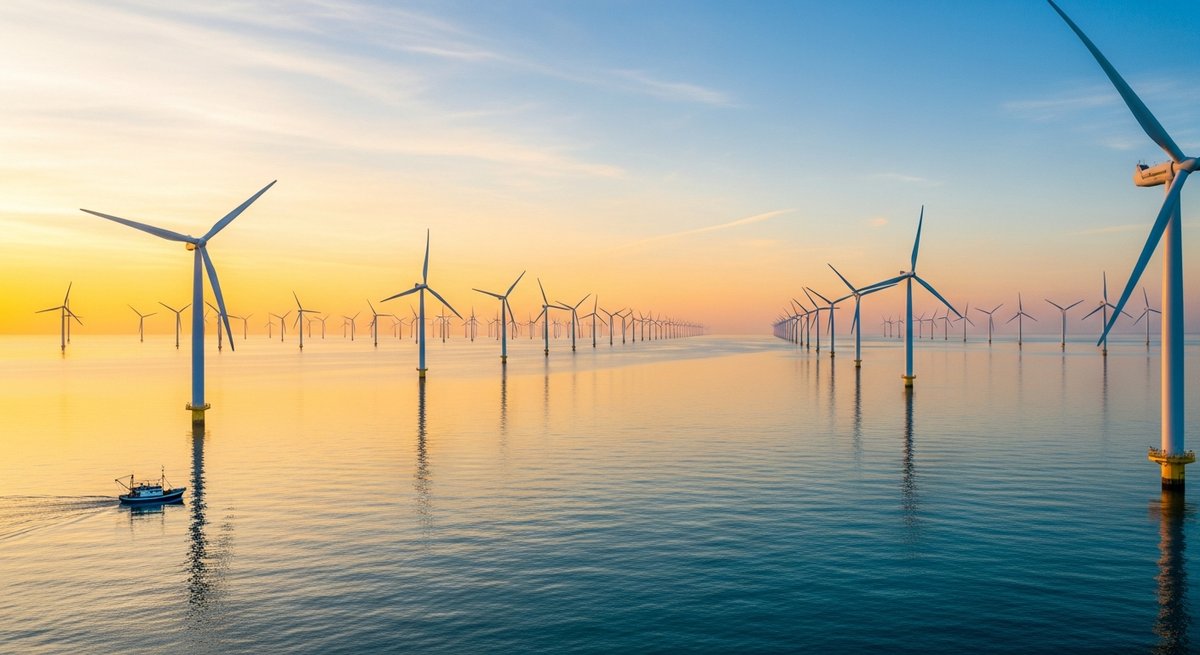
It would be a mistake to read any of this as a reason for despair. The same scientific understanding that documents the damage also points toward solutions – and some of those solutions are gaining real traction.
Reducing carbon emissions remains the foundational response. Without meaningful cuts, every other intervention is just slowing the decline. Coastal and marine protected areas, when properly enforced, do allow ecosystems to recover. Healthy reefs and seagrass meadows are more resilient to temperature stress than degraded ones, and reducing local stressors like overfishing and runoff buys ecosystems time to adapt.
Plastic reduction – at the production end, not just the cleanup end – is critical. Systemic change in how we produce and manage plastics is what will actually shift the trajectory. Individual action matters too: consumer choices, political engagement, and public pressure on corporations and governments are all part of the picture.
Frequently Asked Questions About Ocean Tipping Points and the UN Report
What does “ocean tipping point” actually mean?
A tipping point in ocean systems is a threshold where accumulated stress causes a sudden, large-scale shift that is difficult or impossible to reverse. Examples include mass coral bleaching that prevents reef recovery, or the collapse of fish populations that cannot rebound even after fishing pressure is reduced. The UN report warns that several of these thresholds are within reach under current warming trajectories.
What are the main causes of ocean acidification?
Ocean acidification is primarily caused by the ocean absorbing carbon dioxide from the atmosphere. As CO2 dissolves in seawater, it forms carbonic acid, which lowers the pH of the ocean. Key drivers include:
- Burning fossil fuels, which releases massive amounts of CO2
- Deforestation, which reduces the land’s ability to absorb carbon
- Industrial processes that add greenhouse gases to the atmosphere
How does rising sea temperature affect marine biodiversity?
Warmer water disrupts reproduction cycles, reduces oxygen levels, and forces species to migrate toward cooler regions – often faster than ecosystems can adjust. Species that cannot adapt or relocate face population collapse, reshaping entire food webs and reducing ocean biodiversity in ways that affect both wildlife and human food security.
What does the UN report say about plastic pollution in the ocean?
The report identifies plastic pollution as a compounding stressor that interacts with climate-driven damage. Microplastics introduce toxins into food chains, physically harm marine animals, and may interfere with the ocean’s carbon cycling. Combined with warming and acidification, plastic contamination pushes already-stressed ecosystems closer to collapse.
Are any international agreements actually protecting the ocean?
The High Seas Treaty, adopted in 2023, commits to protecting 30% of the ocean by 2030. This is a significant step, but ratification has been slow. Existing marine protected areas vary widely in enforcement quality. Scientists argue that legal protection must be paired with aggressive emissions reductions to be genuinely effective.
Can the ocean recover if we act now?
Yes, but the window is narrowing. Marine ecosystems have shown resilience when local stressors are removed and warming is limited. Coral reefs can recover from bleaching events if temperatures stabilize and water quality improves. The critical factor is whether global emissions are cut fast enough to keep warming below the thresholds that would trigger irreversible change.
What is the connection between ocean health and human food security?
Oceans provide protein for more than three billion people worldwide. Collapsing fish populations, degraded coastal fisheries, and disrupted marine food webs directly threaten the food supply for communities that depend on seafood – particularly in developing nations. Ocean health and human nutrition are deeply interconnected.
The ocean does not have a voice in any parliament or boardroom. But the UN report is, in effect, speaking on its behalf – and the message is urgent. The choices made in the next decade about emissions, pollution, and ocean governance will determine whether these systems stabilize or slide past the point where recovery is realistic. That is not a distant problem. It is the defining environmental challenge happening right now.
Sources
- United Nations Environment Programme (UNEP) – Ocean and Climate Reports
- Intergovernmental Panel on Climate Change (IPCC) – Ocean and Cryosphere Assessment
- National Oceanic and Atmospheric Administration (NOAA) – Ocean Acidification Program
- International Union for Conservation of Nature (IUCN) – Marine Biodiversity Reports
- Nature Climate Change – Peer-reviewed studies on ocean heatwaves and tipping points
This article is for informational purposes only.

Dr. Alexander Tabibi is an entrepreneur, investor, and advocate for sustainable innovation with a deep commitment to leveraging technology for environmental and social good. As a thought leader at the intersection of business and sustainability, Dr. Tabibi brings a strategic vision to Green.org, helping guide its mission to inspire global climate awareness and actionable change.
With a background in both medicine and business, Dr. Tabibi combines analytical rigor with entrepreneurial insight.