
As someone who has actively follows battery technology development very closely I can say that I believe that this is the moment that we have been waiting for in terms of making batteries cheap safe and highly energy dense.
Chinese battery company called Gotion High-Tech – in which Volkswagen now holds a 30% ownership stake – has just unveiled a sodium-ion battery with an energy density of 261 Wh/kg. That is not only 60% higher than any sodium battery that came before it, and not far from the best lithium batteries.
For years, critics wrote off sodium-ion as a niche technology. Too heavy. Not dense enough. Fine for stationary storage, maybe, but definitely not for your car – but those arguments just fell off a cliff alongside IMO combustions of me.
What Gotion Just Announced – And Why It’s a Big Deal
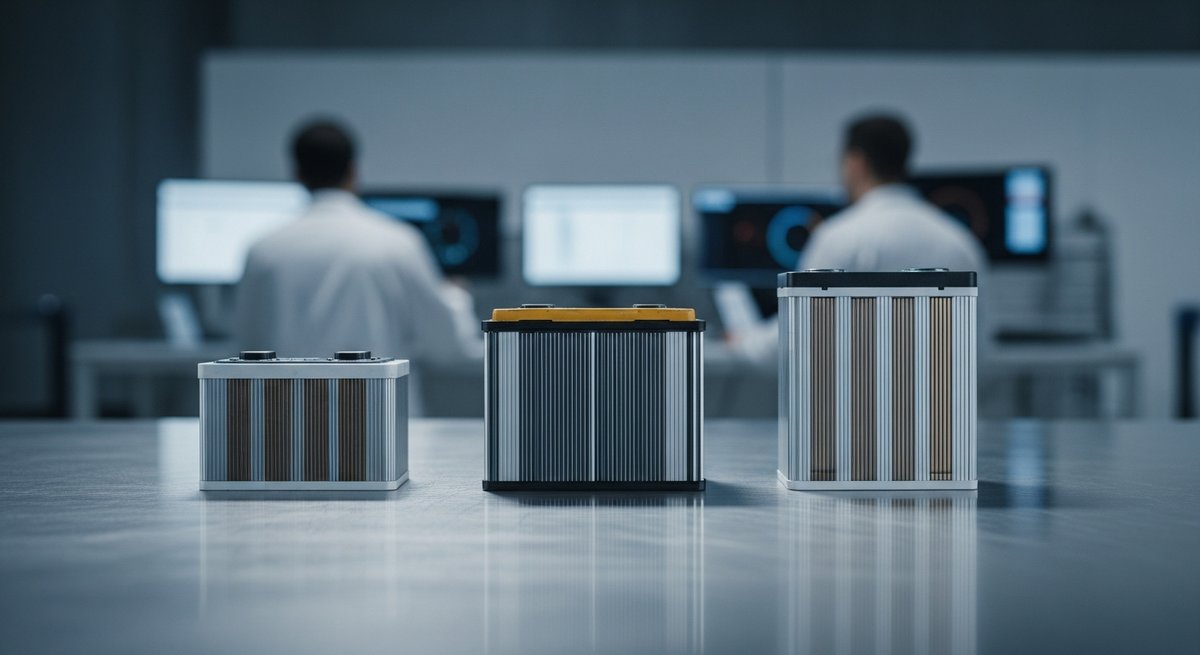
Gotion High-Tech didn’t just release one battery. They released three, each aimed at a different application, under a product family they’re calling Nasen. Each one tells a different part of the story about where sodium-ion technology is heading.
The headline grabber is the 261 Wh/kg cell, designed specifically for electric cars and drones. To put that in context, CATL’s Naxtra sodium battery – which was itself considered groundbreaking when it launched less than six months ago – came in at 175 Wh/kg. BYD’s Blade battery, a lithium iron phosphate cell celebrated for its safety and durability, sits at around 192 Wh/kg. Gotion’s new sodium cell beats both of them on energy density alone. That’s not a small step forward. That’s a leap.
The second cell is a high-power version rated at 162 Wh/kg, built for commercial vehicles, construction equipment, and buses. Its standout feature is cold-weather resilience – it can discharge at temperatures as low as -50 degrees Celsius. If you’re running a fleet of electric buses in northern Canada, or managing construction equipment in extreme mountain climates, that’s not a nice-to-have. That’s a requirement.
The third battery is where things get genuinely mind-bending. It’s an energy storage variant rated for 20,000 charge-discharge cycles while maintaining 80% capacity at -40 degrees Celsius. The previous benchmark for sodium-ion longevity was roughly 10,000 cycles, from CATL’s energy storage offering. Gotion just doubled it. At normal usage rates, 20,000 cycles translates to something like a century of useful life for a stationary storage system.
Sodium vs Lithium-Ion – The Numbers Are Shifting
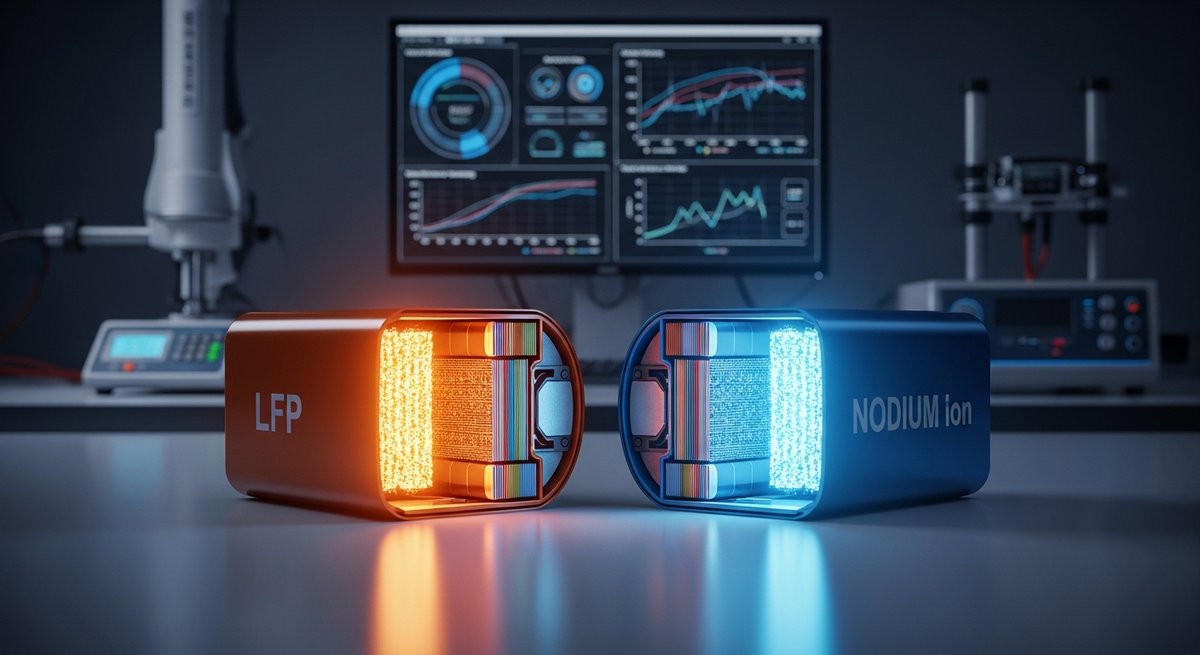
The comparison that matters most here is sodium-ion vs lithium iron phosphate, because LFP has been the go-to affordable and safe battery chemistry for EVs and grid storage over the past several years. LFP cells typically land in the 150-200 Wh/kg range depending on the format. Gotion’s new sodium cell at 261 Wh/kg clears that range entirely.
More importantly, sodium doesn’t require lithium, cobalt, or nickel. The materials are more abundant, more geographically distributed, and historically cheaper to source. CATL has projected that sodium-ion battery costs could eventually fall to around $19 per kilowatt-hour. Current LFP cells cost roughly $55 per kilowatt-hour. If those projections hold, you’re looking at a battery that’s simultaneously cheaper to make, lighter per unit of energy stored, safer, and longer-lasting than what we’re using today.
The cathode chemistry behind Gotion’s high-density cell reportedly uses sodium manganese iron pyrophosphate – a compound that doesn’t carry the cost premium of nickel or cobalt. Combined with an anodeless design that reduces material costs further and improves manufacturing speed, the economics start to look very different from legacy lithium chemistries. This kind of shift is exactly what analysts tracking the future of the electric vehicle battery industry have been watching for.
None of this means lithium disappears tomorrow. Supply chains, manufacturing scale, and installed base all create enormous inertia. But the argument that sodium-ion can’t compete on performance? That argument is done.
Volkswagen’s Strategic Bet Is Starting to Pay Off
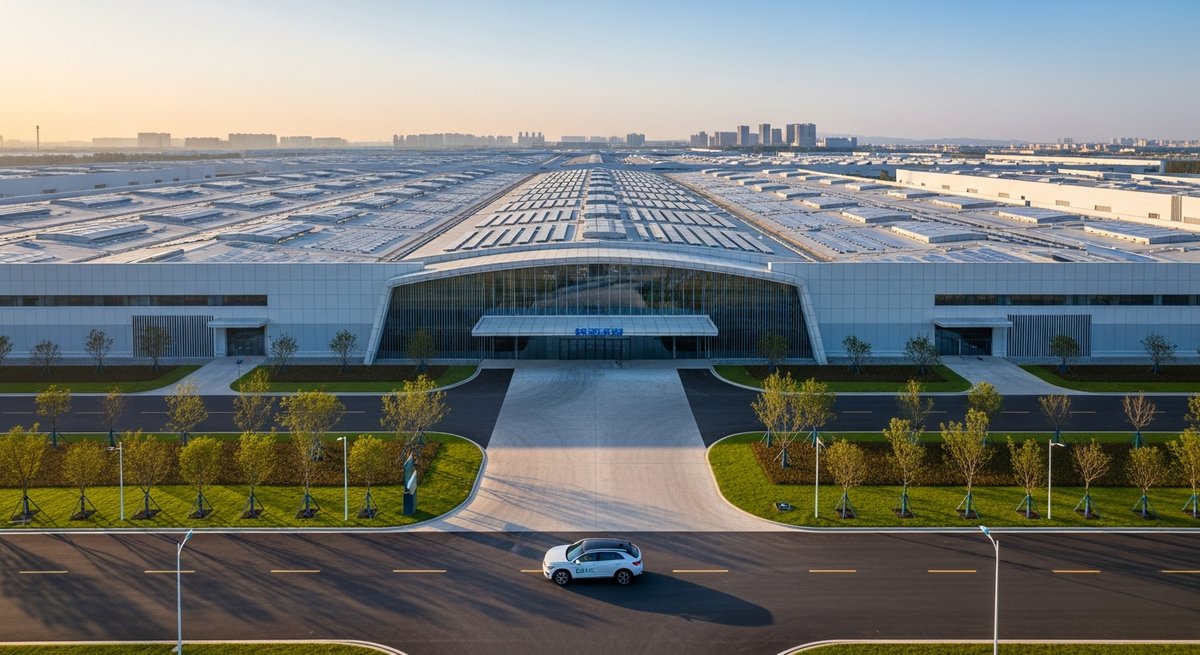
About 18 months ago, Volkswagen Group quietly purchased a 25% ownership stake in Gotion High-Tech, later increasing it to 30%. At the time, it looked like a hedging move – a large legacy automaker trying to stay relevant by investing in a Chinese battery supplier. In hindsight, it looks like one of the smartest investments in the EV industry in recent memory.
Volkswagen has had a rough few years. Their transition to EVs has been slower and bumpier than hoped. Sales of models like the ID.4 have faced stiff competition from domestic Chinese brands, and their software division has been a source of ongoing frustration. The Gotion relationship changes the conversation. If VW can bring sodium-ion cells at this energy density into their production vehicles within the next few years, they could reclaim a cost and performance advantage that’s been slipping away.
Gotion isn’t a startup making promises on slides. Founded in 2006, the company already had an installed energy storage capacity of 400 gigawatt-hours by the end of 2025, supported by 20 factories worldwide including a facility in the United States. Their Nasen batteries are backed by more than 90 patents covering cathode materials, and gigawatt-hour scale production lines for these new sodium cells are already running at two megafactories in China right now. Battery announcements that never make it out of the lab have a long history in this industry. Gotion is not in that category.
What This Means for Energy Storage – Not Just EVs

The 20,000-cycle energy storage battery deserves its own spotlight. The energy storage market is enormous and growing, driven by the need to pair variable renewable generation with reliable dispatch. The biggest limitations holding back battery storage – cost, degradation over time, and safety – are exactly what Gotion is addressing with this third product.
A battery that lasts 20,000 cycles while surviving -40 degree temperatures and passing both nail-penetration and 400-degree heating tests is a fundamentally different proposition for grid operators and industrial users. Residential energy storage becomes dramatically more attractive when the battery you install today might still be performing at 80% capacity when your grandchildren are adults. Households across the UK and elsewhere are already embracing domestic battery storage systems, and a step-change in cycle life and cost would accelerate that trend significantly.
Cold-climate performance is worth emphasizing too. A lot of battery storage discussions assume temperate operating conditions. For northern communities, remote industrial sites, and high-altitude applications, that assumption breaks down fast. A sodium battery that functions at -50 degrees Celsius opens up applications that were simply out of reach before.
The Safety Profile – Something Lithium Still Struggles With
Battery fires are a serious topic, whether you’re talking about an EV on a highway, a residential storage system, or a utility-scale grid installation. Lithium-ion batteries have an imperfect safety record, particularly at high states of charge and in conditions involving physical damage or thermal runaway.
Gotion’s testing data is notable. The Nasen cells passed an 8mm steel nail penetration test without incident and survived 400-degree heating without igniting. For energy storage applications where batteries may sit in basements, garages, or enclosed commercial spaces, that thermal stability is a significant selling point.
Sodium-ion cells don’t carry the same thermal runaway risk as NMC lithium cells, and they don’t degrade the same way under fast charging or deep discharge. The new development is that you’re getting those safety benefits at an energy density that also makes sense for mobile applications. The chemistry differences matter at end of life too – sodium-ion cells don’t contain cobalt or nickel, which simplifies parts of the lithium-ion battery recycling conversation and may make sodium cells easier to process when their useful life eventually ends.
What Happens Next in the Industry
The ripple effects from this announcement will be felt across the battery supply chain for years. Companies making NMC cells – LG Energy Solution, Samsung SDI, Panasonic, and others – will be running their own analysis on how Gotion’s numbers compare to their roadmaps. The math is uncomfortable for anyone betting heavily on high-nickel chemistries as a long-term premium product.
Western automakers who’ve been slower to engage with sodium-ion technology will be having urgent conversations about supply agreements and chemistry roadmaps. The timeline for when sodium-ion becomes mainstream in passenger EVs just got a lot shorter. There’s also a geopolitical dimension that can’t be ignored – how Western governments handle the integration of Chinese battery technology into domestic supply chains will shape how quickly these benefits reach consumers outside Asia.
Frequently Asked Questions About Sodium-Ion Battery Technology
What is a sodium-ion battery and how is it different from lithium-ion?
A sodium-ion battery works on the same basic electrochemical principle as a lithium-ion battery, but uses sodium ions instead of lithium ions to carry charge between the electrodes. Key practical differences include:
- Sodium is far more abundant and geographically distributed than lithium, reducing material costs
- Sodium-ion cells typically don’t require cobalt or nickel, cutting raw material expenses further
- Sodium-ion chemistry has historically had lower energy density, though Gotion’s 261 Wh/kg cell changes that significantly
- Sodium cells generally perform better in cold temperatures and carry a lower thermal runaway risk
Why is 261 Wh/kg significant for sodium-ion batteries?
Until recently, sodium-ion batteries maxed out at around 160-175 Wh/kg. Lithium iron phosphate cells, the benchmark for affordable EVs, typically land between 150-200 Wh/kg. At 261 Wh/kg, Gotion’s new sodium cell exceeds the LFP range entirely and approaches the energy density of premium NMC lithium cells – while still offering sodium’s cost and safety advantages.
What does 20,000 cycles mean in practical terms?
A cycle is one full charge and discharge of a battery. For a home battery storage system that cycles once a day, 20,000 cycles works out to roughly 55 years of daily use. For grid storage applications that may cycle more frequently, the lifespan is still extraordinary by current industry standards. The previous best-in-class sodium battery for storage was rated at around 10,000 cycles.
Does Volkswagen actually have access to these batteries?
Yes. Volkswagen Group holds a 30% ownership stake in Gotion High-Tech, the company that developed the Nasen battery series. That relationship gives VW a direct pathway to integrate these cells into their vehicle lineup, subject to supply chain development and regulatory requirements in their target markets.
When will sodium-ion batteries appear in electric cars?
Gotion states that gigawatt-hour scale production of the Nasen batteries is already running at two facilities in China. CATL already uses sodium-ion cells in some lower-range EV configurations in China. The 261 Wh/kg cell is explicitly targeted at electric vehicles, though timeline to broad availability in Western markets will depend on supply chain buildout, automaker adoption, and regulatory approvals.
Are sodium-ion batteries safer than lithium-ion?
- Gotion’s Nasen cells passed an 8mm nail penetration test without fire or explosion
- They survived 400-degree Celsius heating without igniting
- Sodium chemistry doesn’t carry the same thermal runaway risk as NMC lithium cells
- They maintain 80% capacity at -40 degrees Celsius, making them more reliable in extreme cold
How does sodium-ion battery cost compare to lithium iron phosphate?
Current LFP cells cost around $55 per kilowatt-hour. CATL has projected that sodium-ion cells could eventually fall to $19 per kilowatt-hour as production scales – roughly one-third the cost, combined with the performance and cycle-life improvements described above. Those figures are projections rather than current market prices, but the manufacturing economics support the direction.
What does this mean for grid-scale energy storage?
The combination of low projected cost, 20,000-cycle longevity, extreme cold-weather performance, and strong safety credentials makes the Nasen energy storage variant a compelling option for grid operators. Battery innovation for grid-scale storage has been accelerating from multiple directions, and a sodium-ion cell with this kind of cycle life could reshape procurement decisions for utilities, industrial facilities, and large commercial buildings over the next decade.
Reference: https://youtu.be/i12FYaF7a_Y?si=x4G5JYGi4Obgueiz

Dr. Alexander Tabibi is an entrepreneur, investor, and advocate for sustainable innovation with a deep commitment to leveraging technology for environmental and social good. As a thought leader at the intersection of business and sustainability, Dr. Tabibi brings a strategic vision to Green.org, helping guide its mission to inspire global climate awareness and actionable change.
With a background in both medicine and business, Dr. Tabibi combines analytical rigor with entrepreneurial insight.