

There’s an argument that keeps showing up in comment sections, dinner table debates, and op-eds written by people who really love their V8s. It goes something like this: “EVs don’t actually reduce emissions. You’re just moving pollution from the tailpipe to the smokestack. And the battery? Making that thing is an environmental disaster.” It’s a tidy talking point. It also happens to be wrong, and now there’s rigorous, peer-reviewed science to prove it.
MIT just published a study that systematically dismantles every version of that argument. Not with optimistic assumptions or cherry-picked data, but with a full lifecycle analysis covering everything from battery manufacturing to regional grid mixes to how individual drivers actually behave on real roads. The results are about as clear as climate science gets.
What the MIT Study Actually Looked At

The research comes from MIT’s Institute for Data, Systems, and Society, led by Marco Miotti and Jessica Trancik. It was published in the peer-reviewed journal Environmental Research Letters, which matters because that’s not a place where sloppy methodology survives.
What makes this study different from previous EV emissions comparisons is the sheer scope of the data. The researchers pulled information from thousands of US zip codes, combined national travel surveys with GPS data, factored in real acceleration patterns and daily driving distances, and then drilled down to the level of individual drivers. They counted everything: building the car, manufacturing the battery, producing the fuel or electricity, transmission losses, regional grid mix, local temperatures, and vehicle type. Nothing was handwaved away.
This wasn’t a back-of-the-envelope calculation designed to make EVs look good. It was a comprehensive attempt to answer the question as honestly as possible.
The Headline Numbers

Here’s what the study found. In most locations across the United States, a battery electric vehicle cuts lifecycle emissions by around 40% compared to an equivalent petrol car. In urban areas, the reductions are even larger. And that figure doesn’t even account for battery recycling, which means the minerals already extracted don’t need to be mined again at end of life, making the real-world picture even better than the already impressive numbers.
But here’s the part that matters most for the smokestack debate. Even on the most carbon-intensive, coal-heavy grid in the entire United States, battery EVs do not increase lifecycle emissions compared to combustion vehicles. Not anywhere. The dirty grid narrows the gap, but it never flips it.
That’s the answer to the “coal-powered car” argument, and it comes down to basic physics. A petrol engine wastes the majority of its fuel energy as heat. It’s thermodynamically inefficient by design. An electric motor, even when you factor in losses at the power station and along transmission lines, retains such a massive efficiency advantage that it keeps coming out ahead. You can’t engineer your way around thermodynamics, and that’s precisely why EVs win even under the worst-case grid conditions.
If you want to understand how this fits into the broader effort to reduce air pollution through eco vehicles, the lifecycle efficiency argument is really where it starts.
What About Cold Weather and Battery Production?
Two objections come up constantly, and the MIT study addressed both directly.
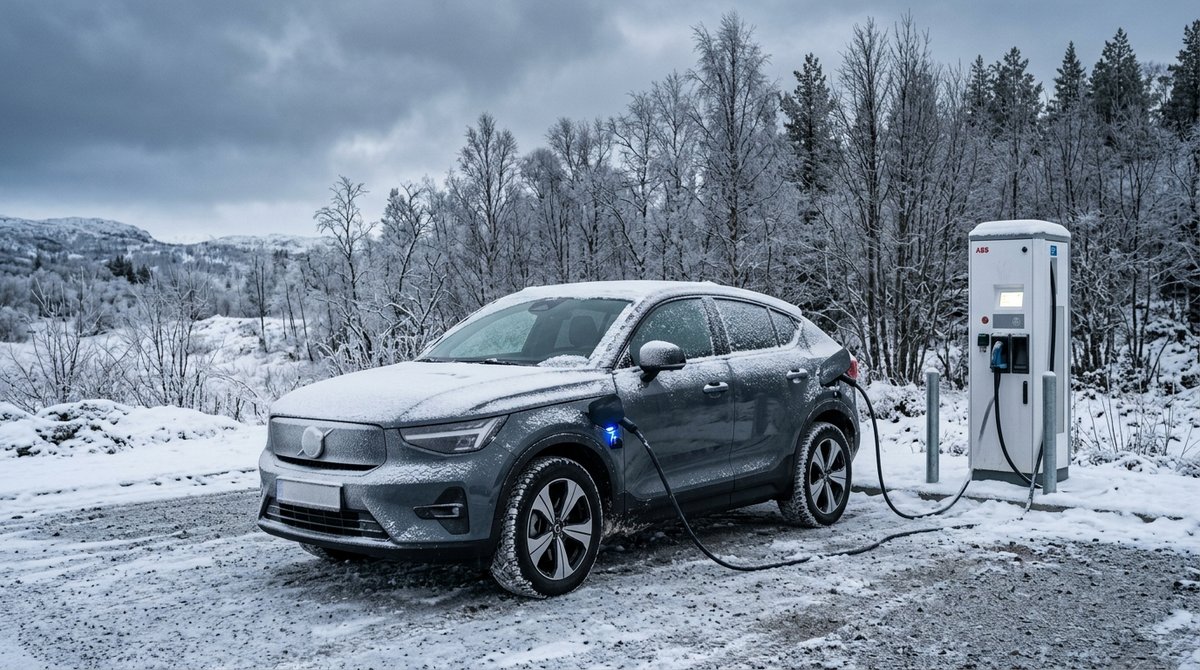
Cold weather is a real factor. In a place like North Dakota, an EV’s efficiency can drop by as much as 40% on a genuinely freezing night. That’s not a myth. But across a full year of driving, the researchers found the effect on overall emissions benefits is surprisingly small. They ran a dedicated sensitivity analysis specifically on this point, and even under the most unfavorable cold-climate conditions, EVs still cut emissions substantially compared to petrol alternatives.
Battery production is the other big one. Yes, manufacturing a large lithium-ion battery pack carries a significant upfront carbon cost. The mining and processing of lithium, cobalt, and other materials does generate emissions. But the study accounts for all of that in its lifecycle analysis, and EVs still come out dramatically ahead over the life of the vehicle. The “dirty to make” argument only holds if you assume the car never drives anywhere, which isn’t how cars work.
Questions around how much lithium we actually need to mine for a sustainable future are genuinely important, and the industry is working on recycling and alternative chemistries to reduce that burden over time.
The Economics Work Too
The study didn’t stop at emissions. It also looked at the money side of the equation, and the findings are significant for anyone sitting on the fence about making the switch.
In most parts of the United States, EVs match comparable petrol cars on total lifetime ownership costs, even without factoring in any federal or state tax credits. Where electricity prices are low, battery EVs come out cheaper than both petrol cars and plug-in hybrids. Lower emissions and the same or lower cost over the vehicle’s life is a compelling combination.
Running costs can be reduced further with smarter charging habits. Understanding how to cut your EV charging bill with a simple switch makes the economics even more favorable for everyday drivers.
The Grid Is Getting Cleaner. Your EV Gets Cleaner With It.
Here’s the part of this conversation that often gets overlooked, and it might be the most important point of all.
A petrol car burns petrol on day one. It burns petrol on its final day of existence. Its emissions profile is essentially fixed. It cannot improve. The only trajectory for a combustion engine is sideways or worse as the vehicle ages and efficiency drops.
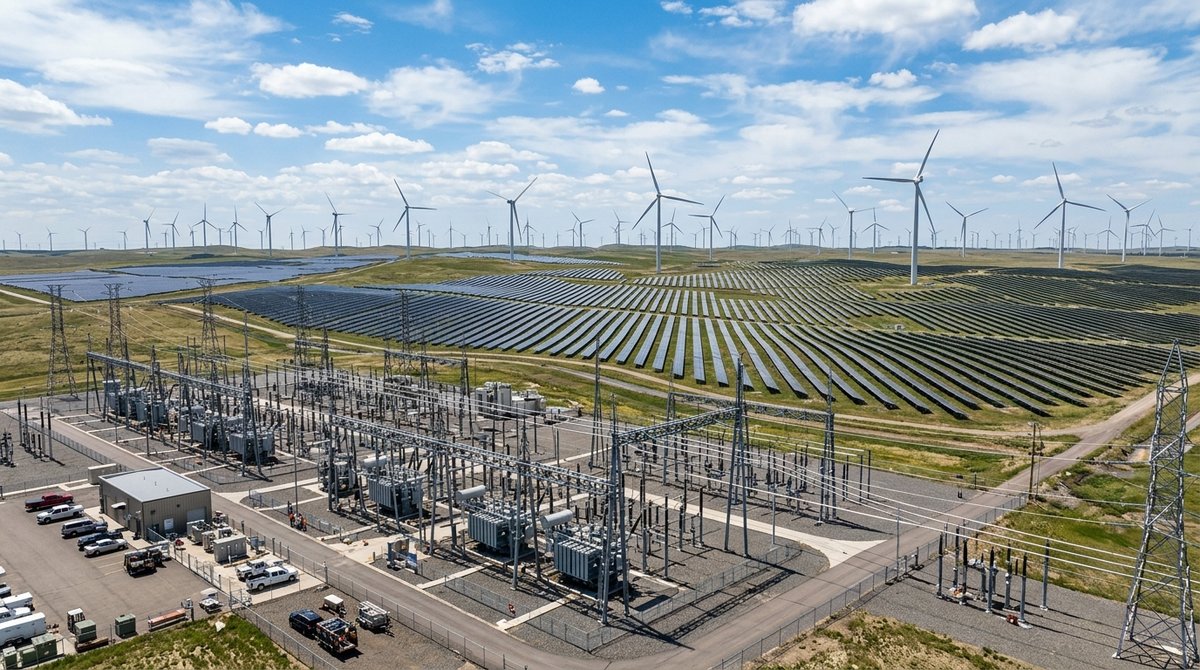
An EV gets cleaner every single year it’s on the road, because the electricity grid keeps decarbonizing. Wind and solar hit a record 20% of US electricity generation in 2025. In Australia, renewables supplied over 43% of the main grid last year, and in the final quarter of 2025, renewables crossed 50% for the first time ever. These numbers are moving in one direction.
Every clean kilowatt hour added to the grid makes every EV already on the road slightly cleaner. If you’re charging with rooftop solar, you’re stacking the advantage even further. The petrol car gets no such upgrade. It just keeps burning fuel, year after year, with no pathway to improvement.
This dynamic is part of a much larger global renewable surge that is actively replacing coal across electricity systems worldwide, and it means the case for EVs only strengthens over time.
Why This Study Changes the Conversation
There have been plenty of EV lifecycle analyses before this one. What makes the MIT study particularly hard to dismiss is its methodological rigor and its willingness to test the worst-case scenarios. It didn’t assume a clean grid. It didn’t ignore battery manufacturing. It didn’t pretend everyone drives in mild California weather. It looked at the full picture, including the scenarios most favorable to the critics, and EVs still came out ahead.
The smokestack argument was always motivated reasoning dressed up as environmental concern. Now it has a robust, peer-reviewed response from one of the most respected research institutions in the world. The data is in. EVs are cleaner than petrol cars everywhere, even when the electricity comes from coal.
Frequently Asked Questions About EVs and Emissions
Are EVs really cleaner than petrol cars when you count manufacturing?
Yes. The MIT study used a full lifecycle analysis that includes battery manufacturing, raw material extraction, fuel or electricity production, and end-of-life factors. Even with all of that counted, EVs cut lifecycle emissions by around 40% compared to equivalent petrol vehicles in most US locations.
What happens to EV emissions if the electricity comes from coal?
The MIT researchers specifically tested this. Even on the most coal-intensive grids in the United States, EVs do not increase lifecycle emissions compared to combustion vehicles. The efficiency advantage of electric motors is large enough to overcome even a heavily coal-weighted grid. The gap narrows, but it never flips.
Does cold weather cancel out the EV emissions benefit?
Cold weather does reduce EV efficiency, sometimes significantly on the coldest nights. But across a full year of driving, the MIT study found the impact on overall emissions benefits is small. EVs still come out substantially ahead even in cold-climate locations.
Are EVs cheaper to own than petrol cars?
- In most US regions, EVs match petrol cars on total lifetime ownership costs, even without tax credits.
- Where electricity is cheap, EVs are often less expensive than both petrol cars and plug-in hybrids.
- Charging costs can be reduced further by using off-peak electricity rates or home solar.
Does an EV get cleaner over time?
Yes. As the electricity grid incorporates more renewables, every EV on the road becomes cleaner automatically. A petrol car has a fixed emissions profile that cannot improve. Wind and solar hit record levels in 2025 in both the US and Australia, meaning the grid improvement trend is well established and ongoing.
What about battery recycling?
The MIT study did not factor in battery recycling benefits, which means its numbers are conservative. When batteries are recycled, the minerals already extracted do not need to be mined again, further reducing the lifecycle environmental cost of EVs going forward.
Is the MIT EV study peer-reviewed?
Yes. The study was published in Environmental Research Letters, a peer-reviewed academic journal. It was led by researchers Marco Miotti and Jessica Trancik from MIT’s Institute for Data, Systems, and Society.
Does home solar make an even bigger difference for EV emissions?
Significantly. The MIT study is based on average grid electricity. Drivers who charge with rooftop solar are drawing on emissions-free generation, which pushes the lifecycle carbon advantage of their EV well beyond what the study’s average figures show.
Sources: Miotti, M. and Trancik, J. (2025). Lifecycle emissions analysis of battery electric vehicles. Environmental Research Letters, MIT Institute for Data, Systems, and Society. US Energy Information Administration 2025 renewables generation data.
This article is for informational purposes only.
Reference: https://www.youtube.com/watch?v=7PeLC1WUYo8

Dr. Alexander Tabibi is an entrepreneur, investor, and advocate for sustainable innovation with a deep commitment to leveraging technology for environmental and social good. As a thought leader at the intersection of business and sustainability, Dr. Tabibi brings a strategic vision to Green.org, helping guide its mission to inspire global climate awareness and actionable change.
With a background in both medicine and business, Dr. Tabibi combines analytical rigor with entrepreneurial insight.