

The images coming out of southern France are hard to look away from. Walls of orange flame advancing through bone-dry forest, families grabbing what they can and driving through smoke-choked roads, helicopters dropping water on hillsides that have turned the color of ash. I drove with my fiancee through those very forests a year back actually.
Nowhousands of residents and tourists have been forced to flee as fast-moving wildfires tear through the region, and the conditions feeding those fires – extreme heat, low humidity, and parched vegetation – show no sign of letting up anytime soon.
This is not a freak event but the inevitable and latest chapter in a pattern that climate scientists have been warning about for years, one where a warming Europe becomes more vulnerable to extreme fire weather with every passing summer. The tinder box conditions gripping Europe right now are not just a meteorological anomaly. They are a preview of what the continent will face more frequently as global temperatures continue to climb. As they say – this will be the coolest summer we will ever have here on in.
What is driving the France wildfire crisis right now
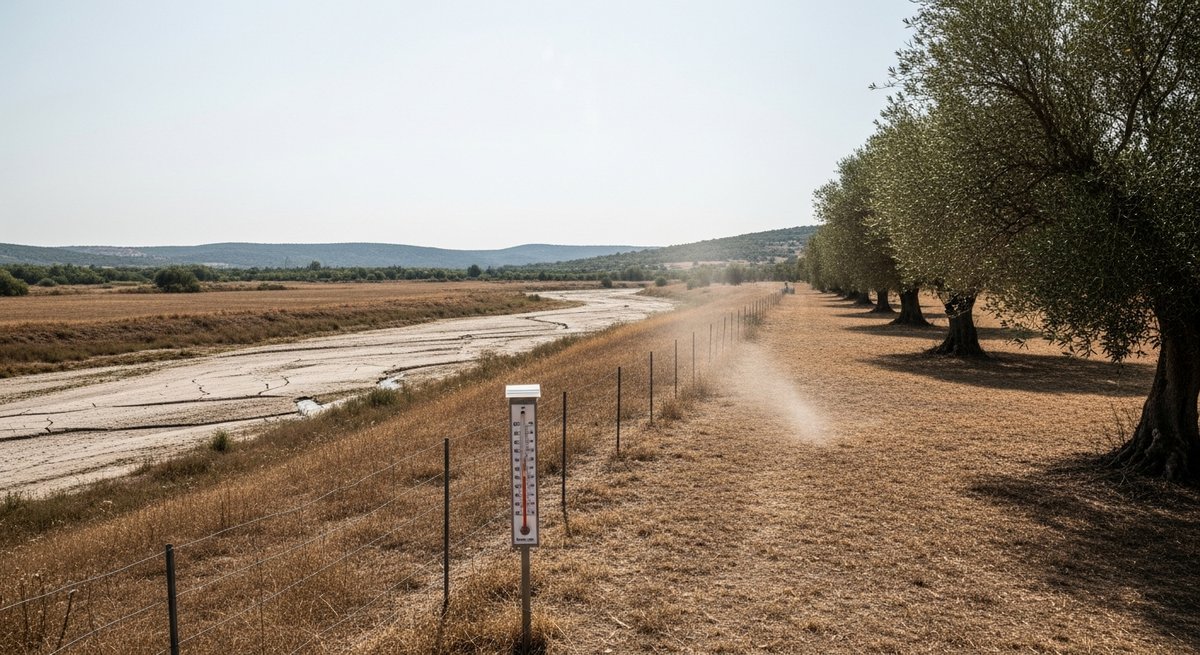
Several factors have converged to create perfect fire conditions across France and neighboring countries. A prolonged stretch of high pressure has kept rainfall almost entirely absent from large parts of western and southern Europe for weeks. Temperatures have soared well above seasonal averages, drying out soils and vegetation to levels that would normally only appear in late August, not midsummer.
The Gironde region and the Landes forest have burned hard. So have parts of Brittany and Provence. Some of these landscapes are still scarred from previous years – forests that never finished recovering before the next fire season arrived. Emergency services have been stretched thin, with hundreds of firefighters working around the clock and aerial support being called in from neighboring countries under the EU Civil Protection Mechanism.
Wind is the wildcard that makes these fires so dangerous. When the Tramontane or Mistral picks up speed, fires that were being contained can leap firebreaks and double in size within hours. It’s the kind of unpredictability that makes evacuation decisions extremely difficult, and it’s why thousands of people have had to leave their homes with very little warning.
Tinder box conditions in Europe: the climate science behind the risk
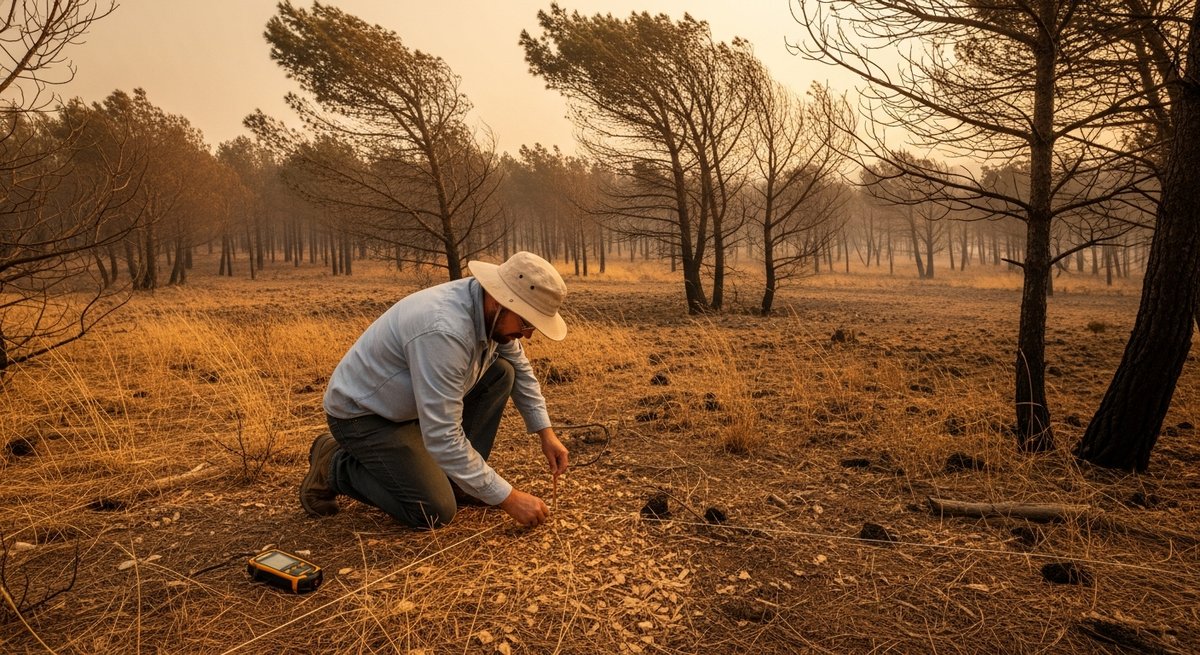
The term gets thrown around every fire season. But what does “tinder box conditions” actually mean when you get into the science? It comes down to four variables hitting dangerous levels at once: fuel moisture, temperature, wind speed, and relative humidity. When all of them align badly, a single spark can become a catastrophe in minutes.
Europe’s fire weather index has been trending upward for decades. The fire season across southern and central Europe is measurably longer than it was in the 1970s – what once meant a few weeks of serious risk now means months.
This is directly tied to climate change. As the extreme weather crisis unfolding across Europe demonstrates, rising baseline temperatures make heatwaves more intense, more frequent, and longer-lasting. Warmer winters mean that plants grow more densely, providing more fuel. And drought cycles are becoming more severe, leaving that fuel critically dry by the time summer arrives. Every fraction of a degree matters when you’re talking about fire weather.
When thousands flee France wildfire events, who is most at risk
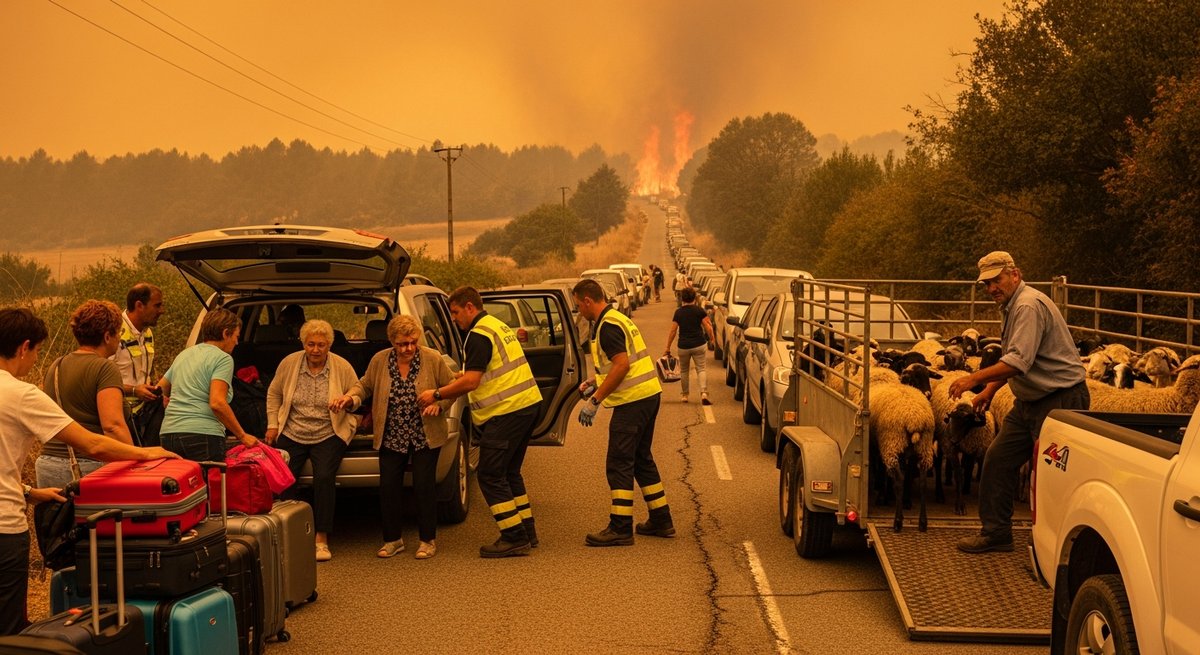
The evacuation numbers are staggering, but behind those numbers are real stories of vulnerability. Elderly residents who rely on caregivers and cannot leave quickly. Tourists unfamiliar with local roads and emergency protocols. Farmers watching years of work disappear in hours. Small business owners in tourism-heavy coastal areas losing their entire summer season in a single weekend.
Rural communities often face the sharpest edge of wildfire displacement. They’re further from urban emergency services, they often have fewer evacuation route options, and they frequently have deeper roots in the land they’re being forced to leave behind. The psychological toll of repeated evacuations – for some communities in southern France, this is now happening year after year – is something that doesn’t get nearly enough attention in the media cycle.
There’s also a socioeconomic dimension to wildfire vulnerability that rarely makes headlines. As the broader Europe heatwave crisis has shown, lower-income households are less likely to have air conditioning, less likely to own reliable vehicles for quick evacuation, and more likely to live in areas with older, less fire-resistant housing stock. Climate change is not hitting everyone equally.
France’s wildfire problem in the context of warming Europe
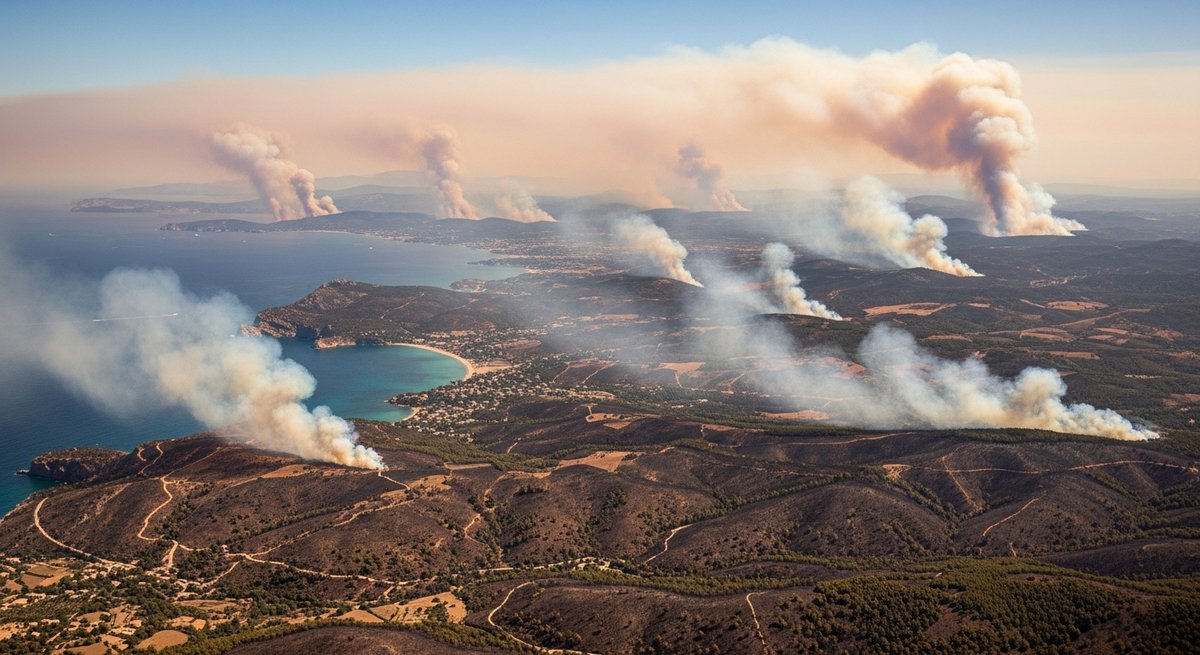
France is not alone. Greece, Portugal, Spain, and Italy have all experienced record-breaking fire seasons in recent years. The European continent as a whole is warming roughly twice as fast as the global average, making it one of the most climate-sensitive regions on earth. What used to be called Mediterranean climate risk is now a pan-European concern that stretches into Germany, Scandinavia, and the British Isles.
The heat and wildfire alerts sweeping across Europe point to something structural, not seasonal. Weather systems are stalling. Heatwaves are parking themselves over regions for days longer than they used to. That’s jet stream disruption at work, driven by Arctic warming – and the effect is that droughts deepen faster, fire conditions persist longer, and the dangerous window stretches well into autumn.
France has put real money into aerial firefighting and civil protection. Those investments matter – they are saving lives. But fire demand is outpacing capacity. When crews are simultaneously battling blazes in the southwest, the southeast, and Brittany, the system strains. That’s just within France’s borders.
What needs to change: policy, prevention, and long-term thinking
Fighting fires is necessary. Preventing the conditions that create them is the harder, longer, and more important task. That means rethinking land management – controlled burns, forest thinning, managed firebreaks – on a scale that European governments have been slow to embrace. It means updating building codes in fire-prone zones so that homes are more resistant to ember attack and radiant heat. And it means confronting the emissions trajectory that is making every summer more dangerous than the last.
Effective wildfire policy has to integrate land use planning, community preparedness, regional coordination, and deep decarbonization. Countries that have managed fire risk more successfully share one thing in common: they treat wildfire as a systemic challenge, not a seasonal emergency. Europe has the institutional architecture, through the EU Civil Protection Mechanism and emerging climate adaptation frameworks, to take a genuinely coordinated approach. Whether the political will matches the scale of the challenge is a different question. The fires burning in France right now are as much a policy failure as they are a natural disaster, because the science telling us this would happen has existed for decades.
Frequently asked questions about the France wildfire and tinder box conditions in Europe
What are tinder box conditions and why are they so dangerous in Europe?
Very low humidity, high heat, parched vegetation, strong winds – when those four things hit at once, fire ignition becomes easy and spread becomes nearly impossible to control. Europe is seeing these combinations more often and more intensely. The continent warms faster than the global average, summers are getting longer and drier, and the regions at risk keep expanding northward.
Why are thousands fleeing France wildfires each summer now?
It’s not one cause. It’s several hitting simultaneously:
- Rising temperatures that dry out forests and scrubland faster and earlier in the year
- Prolonged drought cycles that leave vegetation critically moisture-depleted
- Dense pine forests, particularly in areas like the Landes, that spread fire rapidly
- Unpredictable winds that can cause fires to jump containment lines with little warning
- Population growth in fire-prone rural and peri-urban areas
How does climate change make European wildfires worse?
Climate change increases wildfire risk in Europe through multiple pathways. Warmer average temperatures extend the fire season. More frequent and intense heatwaves dry out fuels faster. Changing rainfall patterns create deeper and longer droughts. Warmer winters encourage denser plant growth, increasing the amount of combustible material available. Each of these effects compounds the others, creating an escalating cycle of fire risk.
What is France doing to manage wildfire risk?
France has invested in aerial firefighting capacity, cross-border EU cooperation for firefighting resources, and early warning systems. However, prevention measures including controlled burning, forest management, and land use planning remain inconsistent. Building codes in fire-prone areas are also being reviewed to improve resilience of housing stock in high-risk zones.
Will other parts of Europe face similar wildfire risks?
Yes. While southern Europe faces the most immediate risk, warming trends mean that wildfire risk is expanding northward. Parts of Germany, central France, and even Scandinavia have experienced unusual fire activity in recent years. As tinder box conditions become more common across a wider geographic area, the EU faces the challenge of scaling up fire preparedness across the entire continent, not just the traditionally fire-prone Mediterranean south.
What can individuals do when wildfires threaten their communities?
- Follow all official evacuation orders without delay – early departure is always safer
- Prepare a go-bag with documents, medications, water, and phone chargers
- Know your local evacuation routes in advance, including alternatives
- Clear dry vegetation from around your home during fire season
- Sign up for emergency alert systems in your municipality
- Check on elderly or vulnerable neighbors who may need help evacuating
The fires burning across France right now are not simply a news story. They are a signal, one that a warming Europe can no longer afford to ignore. The tinder box conditions that are forcing thousands from their homes will become the baseline if emissions trajectories don’t change. Recognizing that is not pessimism. It’s the first step toward building something more resilient.
Sources
- European Forest Fire Information System (EFFIS), Joint Research Centre
- Copernicus Climate Change Service, European Centre for Medium-Range Weather Forecasts
- World Meteorological Organization: State of the Global Climate reports
- French Ministry of the Interior: Civil Security and Crisis Management
- Intergovernmental Panel on Climate Change (IPCC): AR6 Regional Impacts Report
- Frontiers in Ecology and the Environment: European fire season length trends
This article is for informational purposes only.

Dr. Alexander Tabibi is an entrepreneur, investor, and advocate for sustainable innovation with a deep commitment to leveraging technology for environmental and social good. As a thought leader at the intersection of business and sustainability, Dr. Tabibi brings a strategic vision to Green.org, helping guide its mission to inspire global climate awareness and actionable change.
With a background in both medicine and business, Dr. Tabibi combines analytical rigor with entrepreneurial insight.