
Drones have become indispensable tools in public safety operations, offering unique advantages in search and rescue, firefighting, surveillance, and disaster response. However, one of the critical challenges facing drones in these roles is their battery life and endurance, particularly during long-duration missions in remote or hazardous areas. Ensuring that drones can stay operational for extended periods is crucial to the success of these missions, which often require continuous surveillance and data collection over wide areas.
Contents
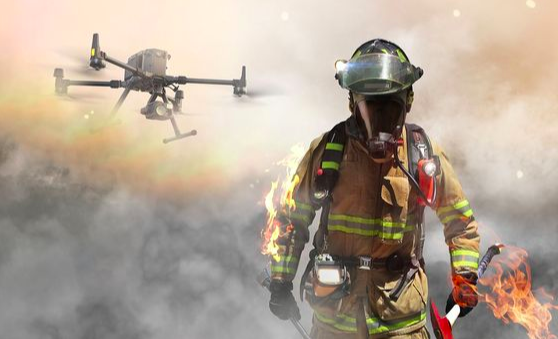
Drones in Public Safety
Drones are transforming public safety by providing real-time data and aerial perspectives that were once inaccessible. The ability of drones in public safety to operate in areas that are difficult for humans to reach makes them invaluable in critical situations. Key use cases include:
Search and Rescue Missions
Drones can quickly cover large areas, locate missing persons using thermal imaging, and relay live video footage to ground teams, significantly reducing the time required to find victims in mountainous, forested, or flooded regions.
Natural Disaster Response
During hurricanes, earthquakes, or floods, drones assess damage, identify survivors, map out hazardous zones, and provide first responders with crucial information about blocked roads or unstable buildings. They also help determine the safest routes for emergency crews to navigate the area.
Surveillance
Drones assist law enforcement in monitoring crowds during public events, securing perimeters in real-time, and tracking suspects over wide areas, enhancing both urban and rural policing efforts. They can be deployed quickly and provide a level of mobility that traditional surveillance systems lack.
Firefighting
Drones equipped with thermal cameras can monitor fire lines, detect hotspots, and improve situational awareness for firefighting crews. They also aid in identifying areas at risk of spreading fires, enabling firefighters to allocate resources more effectively. In large-scale wildfires, drones are crucial for mapping the fire’s movement and supporting evacuation efforts.
While these applications are powerful, they often take place in remote or hazardous environments, where a drone’s battery life is stretched to its limits, creating significant operational challenges. In such environments, longer endurance is essential to ensure that drones can perform continuous monitoring, provide data for extended periods, and cover vast areas without frequent battery replacements or recharges. Advanced air mobility solutions like those discussed at https://avision.io/advanced-air-mobility/ can further enhance the efficiency and range of drones in these critical public safety missions.
Battery Life and Endurance in Drones
Battery life directly impacts a drone’s ability to complete long and complex missions. In public safety, where every minute counts, short battery life can limit the effectiveness of drone operations. Most commercial drones are powered by lithium-ion batteries, which offer a balance between weight and energy capacity. However, several factors can reduce battery endurance:
- – Payload Weight: Carrying additional equipment like cameras, sensors, or communication systems adds strain on the battery.
- – Environmental Conditions: Strong winds, extreme temperatures, and high altitudes can significantly reduce flight time.
- – Flight Modes: Drones in hover mode or operating with frequent acceleration and deceleration consume more power than those flying steady routes.
Ensuring adequate battery endurance requires addressing these factors through innovation and design improvements.
Challenges of Drone Battery Life for Public Safety
In remote or hard-to-reach areas, drones must travel significant distances to fulfill their missions, requiring longer battery life to cover terrain and operate without frequent returns for recharging.
In situations like wildfires or chemical spills, drones are required to hover over dangerous areas for extended periods, monitoring conditions and providing critical data. Battery depletion in these cases can compromise mission success and safety.
Drones often carry advanced technology like high-resolution cameras, thermal sensors, and real-time communication tools. These payloads increase energy consumption and can further strain battery resources, reducing flight times when long operational hours are most needed.
Innovations in Drone Battery Technology
To meet the growing demands of public safety, innovations in drone battery technology are emerging:
- – Swappable Batteries: This solution allows drones to quickly resume operations after battery depletion by swapping batteries mid-mission, minimizing downtime.
- – Solar-Powered Drones: Solar energy offers a promising way to extend drone flight times, especially for daylight operations in disaster zones or extended search missions.
- – Hydrogen Fuel Cells: Though still in the development stage, hydrogen fuel cells could provide significantly longer flight durations compared to traditional batteries, making them ideal for extended public safety operations.
- – Energy-Efficient Designs: Drone manufacturers are increasingly using lightweight materials and optimizing aerodynamic designs to reduce energy consumption, enhancing overall endurance.
Battery Management and Optimization Strategies
To maximize endurance and extend battery life during critical missions, public safety teams can adopt several strategies.
Optimizing flight paths, reducing unnecessary hovering, and using energy-efficient equipment can help conserve battery life during operations. In remote areas, autonomous drone docking stations can be set up to provide quick recharges during long missions, ensuring that drones stay operational even in extended operations. Real-time battery monitoring systems can alert operators when power levels are low, enabling them to make proactive decisions, such as returning drones for recharging or replacing batteries, before mission-critical failures occur.
Conclusion
Addressing the challenges related to battery life and endurance is critical for the future of drones in public safety. With advancements in battery technology, energy-efficient designs, and innovative solutions like swappable batteries and renewable energy integration, drones will continue to play a vital role in public safety operations. As these technologies evolve, they will provide longer flight durations, enabling public safety agencies to respond more effectively in remote and hazardous conditions.

Dr. Alexander Tabibi is an entrepreneur, investor, and advocate for sustainable innovation with a deep commitment to leveraging technology for environmental and social good. As a thought leader at the intersection of business and sustainability, Dr. Tabibi brings a strategic vision to Green.org, helping guide its mission to inspire global climate awareness and actionable change.
With a background in both medicine and business, Dr. Tabibi combines analytical rigor with entrepreneurial insight.