
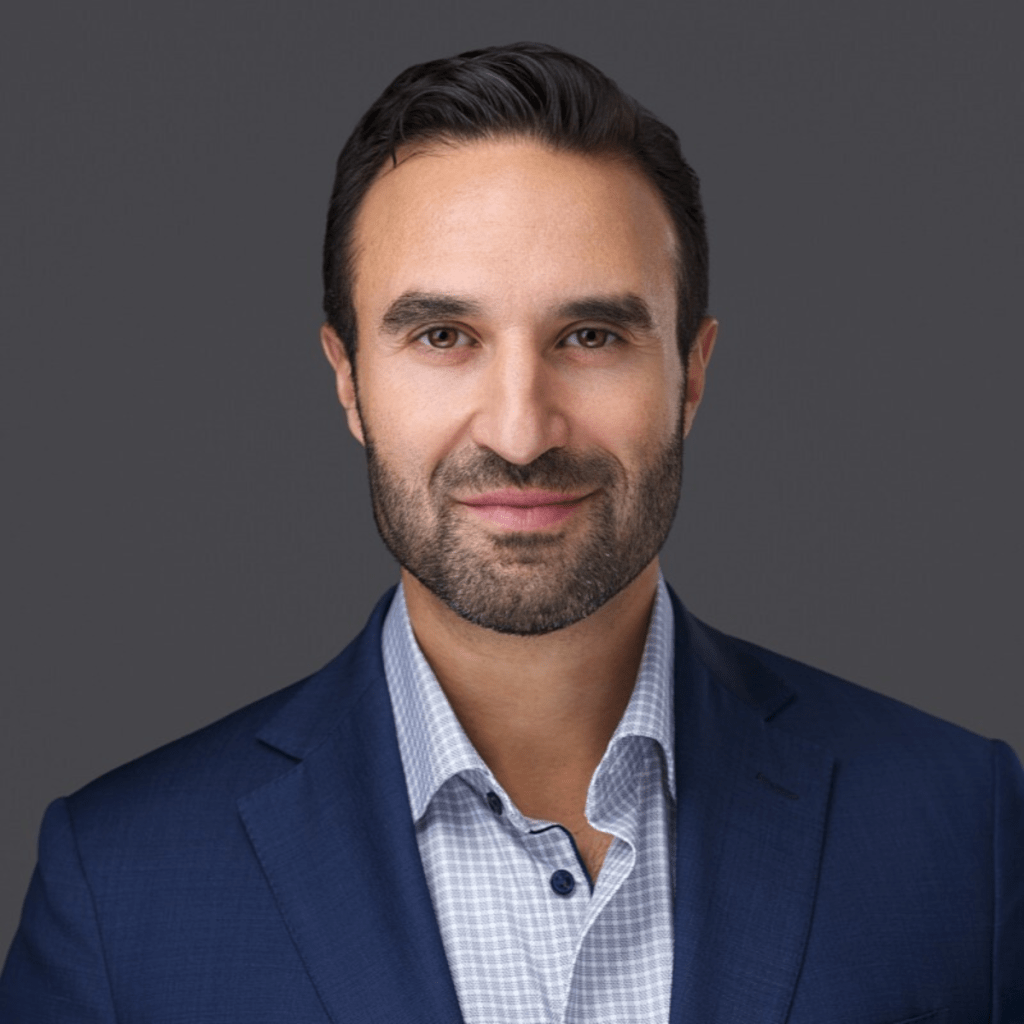
In today’s rapidly evolving business landscape, sustainability has become more than just a buzzword; it’s a crucial factor for long-term success. Meir Rabkin, founder and managing partner of Blue Vision Capital, has made it his mission to invest in climate-tech startups that are tackling the pressing issue of global warming. With nearly two decades of experience in the investment sector, including leadership roles at major firms like Mackenzie Investments and Henley & Partners, Meir brings a wealth of knowledge and a passionate commitment to driving impactful change. In this conversation, he shares insights on how sustainability can be woven into the fabric of business, the importance of aligning profit with environmental impact, and his vision for the future of sustainability in the investment space.
Contents
- 1 Before we sit down with Meir, here are some quick facts to get to know him.
- 2 Meir, thank you for being here.
- 3 What advice would you give to other CEOs or business leaders who are just beginning to incorporate sustainability into their operations?
- 4 What inspired you to focus on sustainability in your business model, and how has that vision evolved over time?
- 5 How do you balance profitability with your sustainability goals? Do you find it challenging to align both?
- 6 How do you see the role of sustainability evolving in your industry over the next five to ten years?
- 7 What can the average person do to make a difference?
- 8 Investing in a Sustainable Future
Before we sit down with Meir, here are some quick facts to get to know him.
Meir, thank you for being here.
Thank you for having me. Before we get started, I want to stress that investing in sustainability is not just about doing what’s right for the planet; it’s about recognizing the long-term profitability and margin improvements that can come from sustainable practices. To truly win the sustainability battle, we need to reach a point where sustainability and profitability are seen as one and the same. When businesses understand that sustainable solutions can drive financial growth and operational efficiencies, we’ll unlock a future where sustainability becomes a key driver of business success and environmental progress.
What advice would you give to other CEOs or business leaders who are just beginning to incorporate sustainability into their operations?
We invest exclusively in climate tech startups, meaning all of our portfolio companies operate in the sustainability space. This focus not only drives positive environmental impact but also translates into significant cost savings and efficiency for their customers. From mobility solutions that optimize efficiency to technologies aimed at decarbonizing buildings, these innovations deliver direct cost savings that significantly improve the bottom line for customers. As a result, our startups see accelerated revenue growth, making sustainability a strong value proposition for both their clients and their business.

What inspired you to focus on sustainability in your business model, and how has that vision evolved over time?
How do you balance profitability with your sustainability goals? Do you find it challenging to align both?
How do you see the role of sustainability evolving in your industry over the next five to ten years?
The role of sustainability in our industry is set to evolve dramatically over the next five to ten years, becoming not just a competitive advantage but an absolute necessity for businesses to thrive. Here are a few key trends I foresee:
What can the average person do to make a difference?
Investing in a Sustainable Future
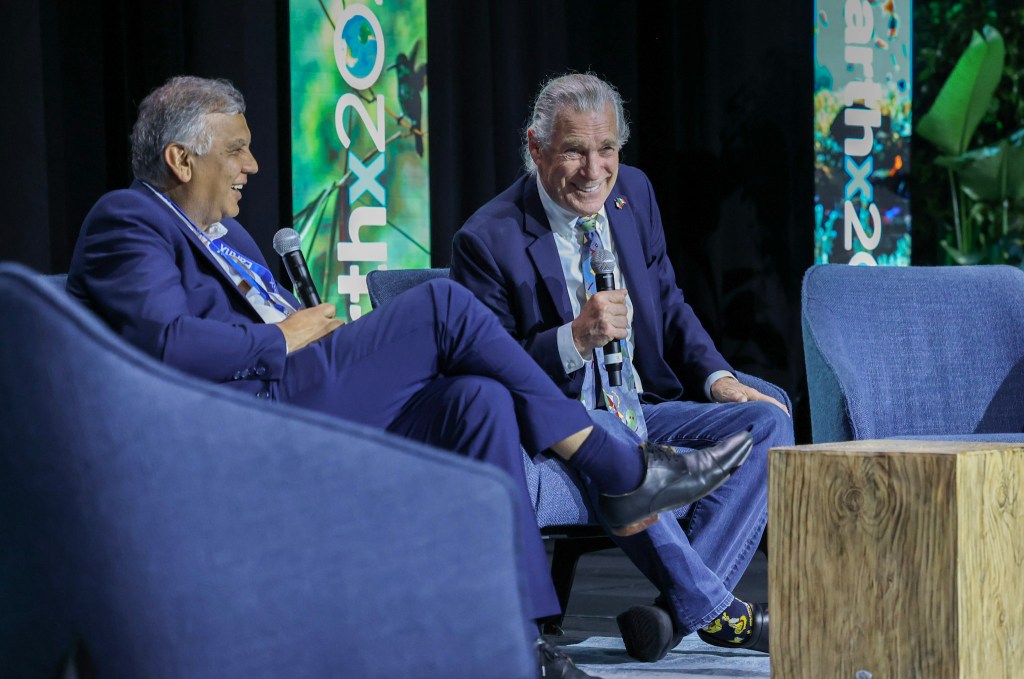

Dr. Alexander Tabibi is an entrepreneur, investor, and advocate for sustainable innovation with a deep commitment to leveraging technology for environmental and social good. As a thought leader at the intersection of business and sustainability, Dr. Tabibi brings a strategic vision to Green.org, helping guide its mission to inspire global climate awareness and actionable change.
With a background in both medicine and business, Dr. Tabibi combines analytical rigor with entrepreneurial insight.