

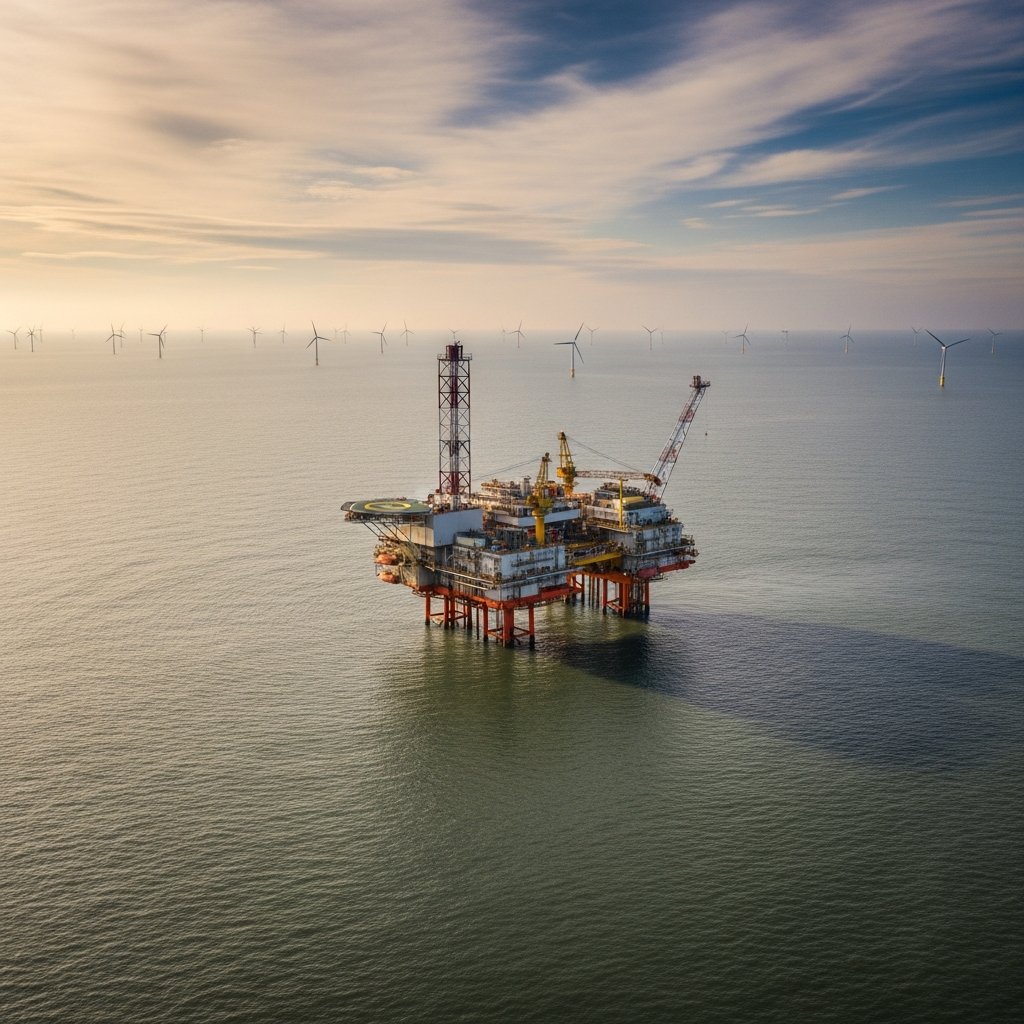
When I first read about this – I was a little perplexed as it’s not every day that a figure from the green energy world steps forward to defend North Sea oil and gas production.
But that’s exactly what happened recently, and it’s stirred up a genuinely interesting debate about how the UK navigates the messy, complicated road between fossil fuel dependence and a cleaner energy future.
The comments came from a prominent green energy executive who argued that squeezing more output from existing North Sea oil and gas sites makes more practical sense than importing fossil fuels from overseas. On the surface, it sounds contradictory. But dig a little deeper, and there’s actually a real logic to it – one that a lot of people in the energy sector quietly agree with, even if they don’t always say it out loud.
This isn’t a simple story about climate denialism or industry lobbying. It’s about the tension between idealism and pragmatism that sits at the heart of every serious energy transition conversation happening right now.
Contents
- 1 What Was Actually Said – And Why It Matters
- 2 The Green Energy Community’s Complicated Relationship with Fossil Fuels
- 3 North Sea Oil and Gas Production: The Case for Existing Sites
- 4 The Bigger Picture: Transition, Not Overnight Switch
- 5 What Critics Are Getting Right (And Where They Overcorrect)
- 6 Frequently Asked Questions About North Sea Oil and the Green Energy Debate
- 6.1 Why would a green energy leader support North Sea oil and gas production?
- 6.2 Does this mean the UK is abandoning its net zero commitments?
- 6.3 What is the difference between existing sites and new North Sea licences?
- 6.4 How does North Sea production affect UK energy security?
- 6.5 What are the main environmental risks of continuing North Sea operations?
- 6.6 When will green energy alternatives be able to fully replace North Sea gas?
- 6.7 Is the UK’s offshore renewable energy sector growing at the same time?
- 6.8 What role does green hydrogen play in reducing dependence on North Sea gas?
- 6.9 Share this:
- 6.10 Related Post
What Was Actually Said – And Why It Matters

The executive in question didn’t call for new drilling licences or a rollback of climate commitments. The argument was more nuanced: if the UK is going to use oil and gas anyway (and it will, for years to come), producing it domestically from sites already operating generates significantly lower carbon emissions per barrel than shipping liquefied natural gas (LNG) from the US, Qatar, or elsewhere.
That’s not a fringe position. The North Sea Transition Authority and various independent energy analysts have made similar points. The emissions associated with transporting LNG thousands of miles across oceans add up fast. Domestic extraction from existing North Sea oil and gas production infrastructure, they argue, has a lower overall footprint than the imported alternative.
It’s also worth noting the economic dimension. North Sea production supports tens of thousands of jobs in Scotland and northeast England. Abruptly winding it down – before alternative employment and industries are genuinely ready – would cause serious social harm in communities that are already watching the energy transition with a mixture of hope and anxiety.
The Green Energy Community’s Complicated Relationship with Fossil Fuels

Here’s where it gets interesting. The person making this argument isn’t a BP executive or a fossil fuel lobbyist. They lead a green energy company. And that framing matters, because it signals something shifting in how even committed sustainability advocates are talking about the transition.
For years, the debate was often framed as a binary: you’re either for renewables or you’re propping up fossil fuels. Increasingly, serious voices are rejecting that framing. The reality is that gas, in particular, still plays a major role in balancing electricity grids while wind and solar capacity scales up. Heating millions of UK homes still depends heavily on gas boilers, though that’s slowly changing – alternatives like heat pumps are gaining real ground, as explored in this look at choosing the best green heating system for your property.
The question isn’t whether fossil fuels will disappear overnight – they won’t. The question is where they come from during the years it takes for the transition to reach scale. That’s the crux of what this green energy boss was actually saying.
North Sea Oil and Gas Production: The Case for Existing Sites
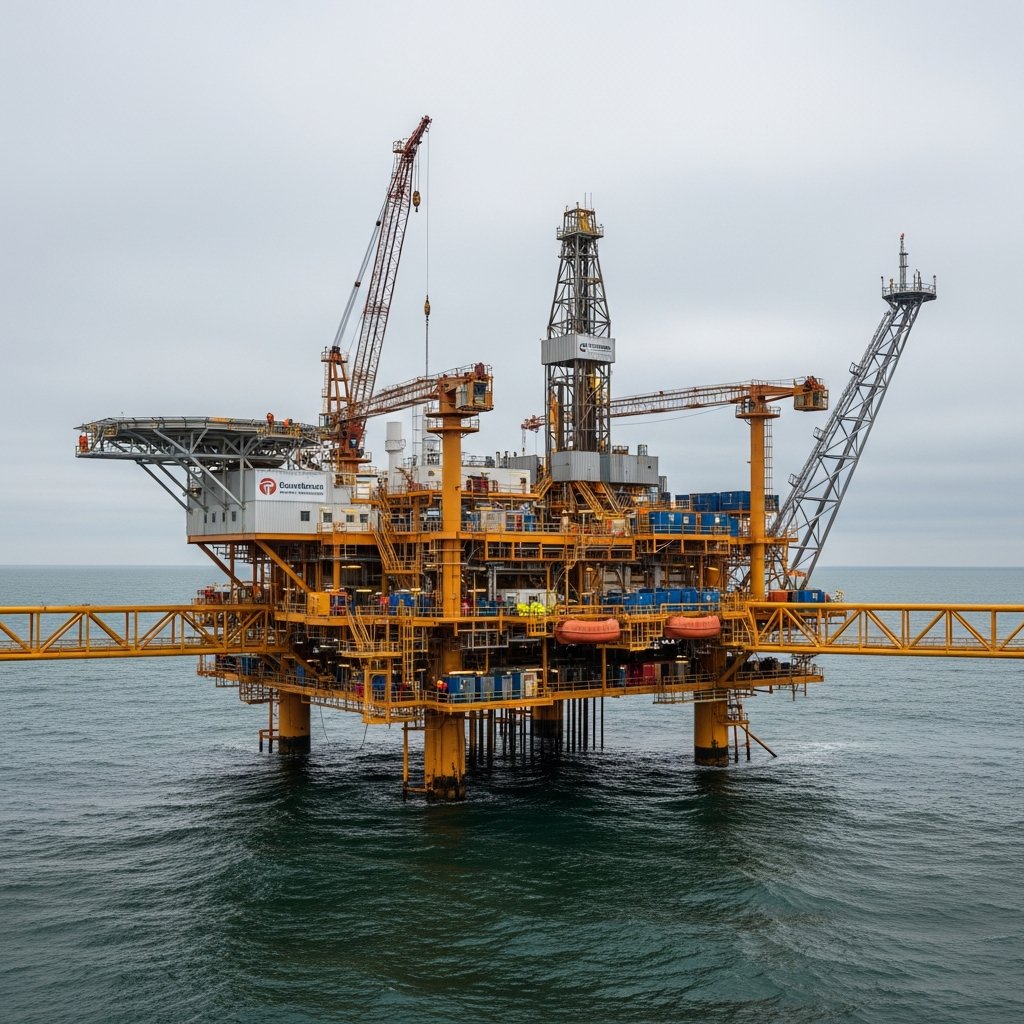
There’s an important distinction being made in this debate that often gets lost in the headlines. The argument isn’t for opening up new fields or issuing fresh exploration licences – that’s a genuinely separate and much more contested discussion. The focus here is on existing oil and gas sites in the UK where infrastructure is already in place.
Decommissioning those sites early doesn’t make the oil and gas disappear from global demand. It just means the UK imports more, with higher transport emissions and zero domestic economic benefit. From a purely carbon-accounting perspective, that swap doesn’t help anyone.
There’s also the energy security angle. Since Russia’s invasion of Ukraine, European nations have been brutally reminded of what energy dependence on unstable suppliers looks like. The UK has its own offshore resources. Using them carefully, while simultaneously accelerating renewables and clean alternatives, gives the country a buffer that pure import reliance doesn’t.
None of this means the North Sea gets a free pass. Methane leakage from offshore operations is a real problem. Oversight and emissions standards for existing production need to be tight. But “produce it here under strict UK regulations” is a defensible position compared to “import it from places with weaker environmental rules and a carbon-heavy supply chain.”
The Bigger Picture: Transition, Not Overnight Switch
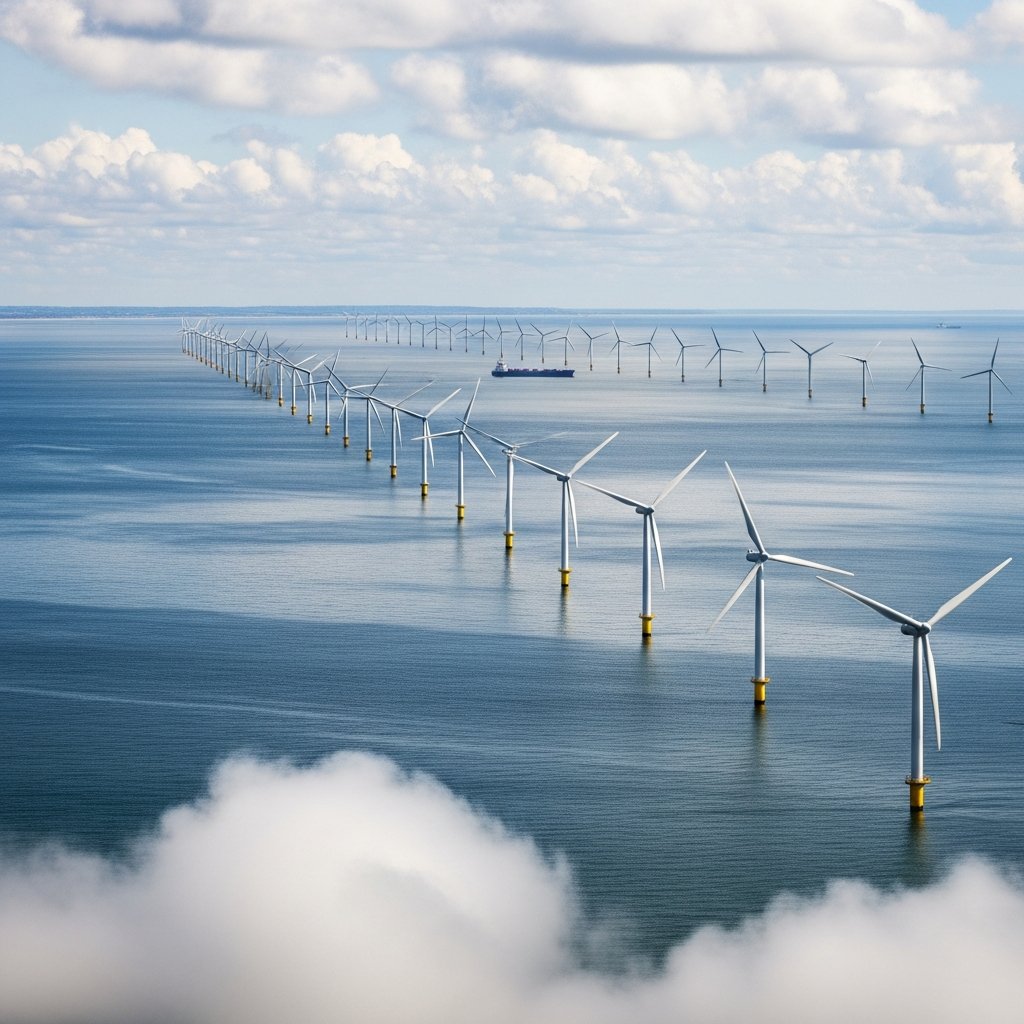
The UK’s energy story right now is genuinely impressive in some ways. Renewable capacity has grown dramatically. Offshore wind is a genuine British success story. Clean energy reached a remarkable 40% of global electricity in 2024, a milestone that would have seemed wildly optimistic a decade ago. You can read more about that global shift in this milestone report on clean energy’s growing share of global electricity.
But there’s a gap between where renewable electricity is today and what’s needed to fully replace fossil fuels across heating, industry, and transport. That gap is real, and it takes time, investment, and infrastructure to close. Pretending it doesn’t exist doesn’t serve anyone well.
Green hydrogen is one of the more exciting bridges being built right now – a way to store and deploy clean energy for industrial uses that electricity alone can’t easily serve. The meteoric rise of green hydrogen as a global power source shows just how much momentum is building behind these alternatives. But they’re not ready to replace gas at scale today. Maybe in five or ten years – but that timeline matters enormously for decisions being made right now about North Sea production.
This is exactly the kind of messy, imperfect situation that serious climate policy has to deal with. The ideally clean solution and the practically available solution aren’t always the same thing. The green energy boss who backed continued output from existing North Sea sites seems to understand that – and is willing to say it publicly, which takes a certain kind of courage in a space where nuance often gets punished.
What Critics Are Getting Right (And Where They Overcorrect)
It would be unfair not to acknowledge the concerns on the other side. Environmental groups pushing back on any continued North Sea expansion have legitimate points. Every year of continued fossil fuel use delays the urgency and investment in alternatives. There’s a real risk that “pragmatic transition arguments” become cover for kicking the clean energy can down the road indefinitely.
Lock-in is also a genuine issue. Infrastructure built or extended today creates economic and structural dependencies that last decades. History is littered with examples of energy systems that stuck around far longer than the climate could afford, simply because the sunk costs were too large to walk away from.
These are valid worries. The answer isn’t to dismiss them – it’s to hold both things at once. Yes, existing North Sea sites can and probably should continue operating during the transition. And yes, that transition needs to happen as fast as humanly possible, with every available investment and policy tool pointed at clean alternatives. Those two positions aren’t mutually exclusive, even if it feels uncomfortable to hold them together.
Frequently Asked Questions About North Sea Oil and the Green Energy Debate
Why would a green energy leader support North Sea oil and gas production?
The argument centers on comparative carbon emissions. Producing oil and gas from existing domestic infrastructure typically generates lower lifecycle emissions than importing LNG from distant suppliers like the US or Qatar, because long-distance shipping adds significant carbon to the supply chain. A green energy executive making this case isn’t abandoning climate goals – they’re arguing that during the transition period, domestic production is the lower-emission option among fossil fuel choices.
Does this mean the UK is abandoning its net zero commitments?
No. The argument is specifically about existing North Sea sites, not new exploration. The UK’s net zero targets and renewable energy expansion plans remain in place. This is a debate about how to manage the gap years between where the energy system is now and where it needs to be, not a reversal of climate policy direction.
What is the difference between existing sites and new North Sea licences?
- Existing sites already have infrastructure in place, meaning the upfront carbon cost of development has already been paid.
- New licences involve fresh drilling, new infrastructure builds, and longer operational timelines that could extend fossil fuel dependence further into the future.
- The case for existing sites is much stronger from an emissions standpoint than the case for opening entirely new fields.
How does North Sea production affect UK energy security?
- Domestic production reduces reliance on imported energy from politically unstable regions.
- It provides a buffer against supply shocks and price volatility in global energy markets.
- It supports tens of thousands of jobs in Scotland and northeast England during a period when those communities need certainty alongside the transition.
What are the main environmental risks of continuing North Sea operations?
- Methane leakage from offshore platforms is a significant concern and needs strict monitoring.
- Extended production timelines could reduce political urgency around scaling clean alternatives.
- Infrastructure lock-in could create economic incentives to delay decommissioning beyond what the climate timeline allows.
When will green energy alternatives be able to fully replace North Sea gas?
There’s no precise date, but most credible forecasts suggest gas will still play a role in UK energy through the 2030s, particularly for heating and industrial processes. Technologies like green hydrogen, heat pumps, and grid-scale storage are scaling up rapidly, but full replacement requires massive infrastructure investment that takes time to deploy at national scale.
Is the UK’s offshore renewable energy sector growing at the same time?
Yes, significantly. UK offshore wind capacity has grown dramatically over the past decade and the country is among the global leaders in that sector. The argument about existing North Sea oil and gas production coexists with – not conflicts with – the expansion of offshore renewables. The goal is to accelerate clean alternatives while managing the practical realities of a fossil fuel transition that can’t happen instantaneously.
What role does green hydrogen play in reducing dependence on North Sea gas?
Green hydrogen is seen as one of the most promising long-term solutions for industrial heat, heavy transport, and seasonal energy storage – areas where electrification alone is difficult. As production costs fall and infrastructure builds out, it could significantly reduce the roles that natural gas currently fills. That shift is already starting, but it’s a multi-decade process rather than a near-term fix.
The conversation this green energy executive sparked is an uncomfortable but necessary one. The path to a clean energy future runs through some difficult trade-offs, and pretending otherwise doesn’t make those trade-offs disappear. Honest debate about how to manage existing North Sea oil and gas production during the transition – with clear eyes about both the risks and the realities – is exactly the kind of conversation the UK energy sector needs to be having right now.
This article is for informational purposes only.

Dr. Alexander Tabibi is an entrepreneur, investor, and advocate for sustainable innovation with a deep commitment to leveraging technology for environmental and social good. As a thought leader at the intersection of business and sustainability, Dr. Tabibi brings a strategic vision to Green.org, helping guide its mission to inspire global climate awareness and actionable change.
With a background in both medicine and business, Dr. Tabibi combines analytical rigor with entrepreneurial insight.