

My memories of growing up in Manchester in the North of England are made up of daily rain and drizzle with occasional horizontal winds making it all the more pleasant.
On the surface, the prospect of England running out of water seems almost laughable and improbable. After all apart from our excellent cuisine and a collapsed Empire, the country maybe most famous for its rainy weather.
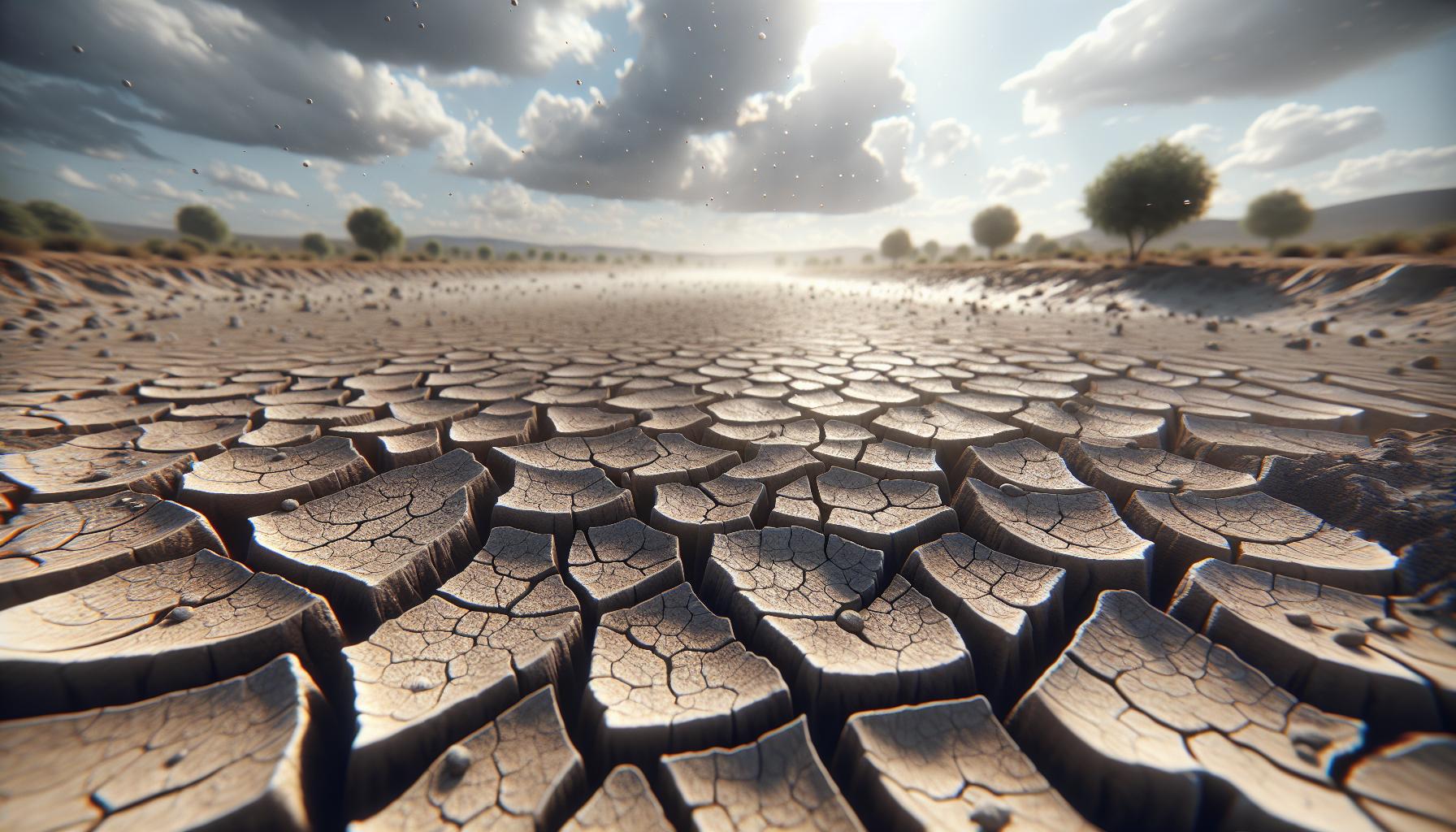
Yet, beneath this layer of stereotype lies a worrying truth: parts of England are now indeed facing the threat of water scarcity. A combination of climate change, population growth, and inefficient water management is pushing England towards a dry future, and the consequences could be more than significant for its residents and ecosystems.
The Unexpected Risk of Water Scarcity
Just as the sun can peek through England’s often overcast skies, the country faces an emerging problem many never anticipated. Indeed, England, traditionally insulated from such issues due to its geographic location and moderate climate, is not immune to the challenges posed by global alterations in weather patterns. According to the UK government’s Environment Agency, within the next 25 years, parts of England could run out of water. This stark warning isn’t simply hypothetical but rooted in observable trends and scientific forecasts.
Climate Change: A Growing Tide
One of the primary drivers of water scarcity in England is (you may not be surprised to know) climate change, which is disrupting natural weather patterns.
Traditionally, the UK has experienced a balance of rainfall throughout the year, but climate change is causing more erratic and intense weather events. These changes include prolonged dry spells, followed by sudden downpours, which can lead to flooding yet do little to replenish groundwater supplies in a sustainable manner. According to the Met Office, the UK’s national weather service, the country is seeing hotter, drier summers and wetter winters, a pattern expected to intensify as global temperatures rise.
These shifts are troubling because they disrupt the historical patterns of water availability upon which the country has relied. Hotter temperatures increase evaporation rates, leading to a decrease in available surface water. Meanwhile, heavier rainfalls, while providing more water in theory, often lead to immediate runoff rather than slow absorption into the soil, which is necessary for groundwater replenishment.
Population Pressure and Consumption
In addition to climate-related challenges, England’s growing population is straining the country’s water resources. The Office for National Statistics projects that the UK’s population could increase to over 74 million by 2039. More people mean more demand for water, not just for personal consumption, but also for agriculture, industry, and sanitation needs.
This increase in demand is not matched by an increase in water supply. The infrastructure in place to manage and distribute water was designed for a smaller population and less demand. Furthermore, much of this infrastructure is aging, leading to inefficiencies and significant water losses through leaks. According to the Consumer Council for Water, about three billion liters of water are lost every day in England and Wales through leaks alone.
Rethinking Water Management
Tackling England’s water scarcity will require innovative approaches to water management and a collaborative effort among different stakeholders. First, the country must improve its infrastructure to reduce leaks and enhance efficiency. Modern technologies, such as smart water meters and automated leak detection systems, present new opportunities to conserve water.
Moreover, government bodies and water companies are increasingly focusing on encouraging water-saving habits among the population. Campaigns to educate the public on responsible water usage can make a substantial difference. These efforts include promoting the use of water-efficient appliances, fixing leaks in households, and encouraging shorter showers.
Importantly, there is also a need for policies that encourage sustainable agricultural practices, which are significant water consumers. Crop selection that considers water availability and investing in technologies that optimize water usage, such as drip irrigation, can make agriculture more sustainable, according to research from the Agriculture and Horticulture Development Board.
Harnessing Innovation
Technological advancements will play a crucial role in addressing water scarcity. For instance, desalination plants, which convert seawater into fresh water, could become a more prominent part of England’s strategy, especially in coastal areas. Although these technologies are energy-intensive, advances in renewable energy supply could help mitigate their environmental impact.
Recycling water is another promising avenue. Technologies for treating and reusing wastewater are developing rapidly, providing an opportunity to supplement freshwater supplies in urban areas. These systems, which can be implemented in both residential and industrial settings, are crucial for building resilience against potential shortages.
Policy and International Cooperation
Effective management of water resources goes hand in hand with sound policy decisions. The UK government needs to prioritize water security in its environmental policy agenda, ensuring that strategic investments are made in infrastructure and technology. It will also require cooperation with international partners, sharing knowledge and strategies to address this shared global challenge.
The European Union’s Water Framework Directive, which aims to protect water quality and promote sustainable water use, offers a robust framework. Despite Brexit, the UK continues to adhere to many of its principles through domestic legislation. Collaborating with neighboring countries to manage shared resources like the rivers that flow between nations, can foster innovative strategies and robust management practices.
A Call for Awareness and Action
Addressing water scarcity in England might seem daunting, but solutions are within reach. It involves a concerted effort from individuals, government bodies, and industries alike. By understanding the gravity of the situation and implementing strategic actions, England can secure a future where water scarcity is no longer a threat.
For now, the message is clear: water, once taken for granted, is becoming an ever more precious resource. As England navigates these challenges, it must innovate and adapt, ensuring water security for future generations. For further insight into related sustainable practices, you can read a relevant article.

Dr. Alexander Tabibi is an entrepreneur, investor, and advocate for sustainable innovation with a deep commitment to leveraging technology for environmental and social good. As a thought leader at the intersection of business and sustainability, Dr. Tabibi brings a strategic vision to Green.org, helping guide its mission to inspire global climate awareness and actionable change.
With a background in both medicine and business, Dr. Tabibi combines analytical rigor with entrepreneurial insight.