

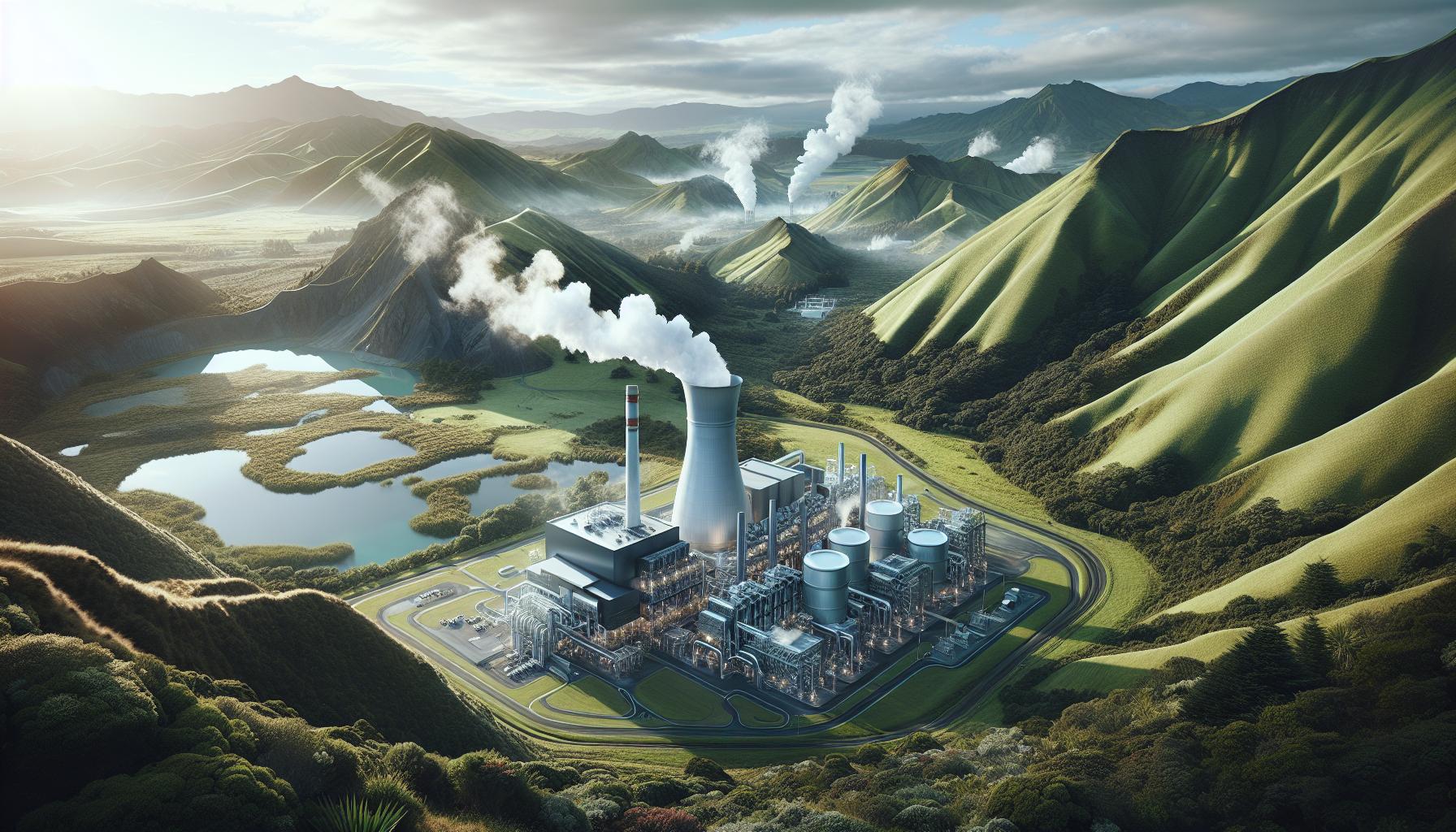
In a world grappling with climate change and the urgent need for sustainable energy solutions, New Zealand is making headlines with its ambitious plan to significantly boost its use of geothermal energy by 2040. This plan not only reflects the country’s commitment to green innovation but also positions it as a front-runner in the global quest for renewable energy sources.
Turning the Heat Underground
Geothermal energy is sourced from the Earth’s natural heat, predominantly found in volcanic regions. New Zealand, located along the geologically active Pacific Ring of Fire, has ideal conditions to harness this energy. The country’s unique geographical location makes geothermal energy a readily available resource. Essentially, geothermal plants work by drilling deep into the Earth to tap into steam reservoirs, which can then be used to drive turbines and generate electricity. Given its abundant geothermal resources, New Zealand is in a prime position to double its utilization of this energy source over the coming decades.
The Current Landscape
As of today, geothermal energy already plays a significant role in New Zealand’s energy mix. According to the Ministry of Business, Innovation, and Employment of New Zealand, geothermal energy constitutes approximately 17% of the total electricity generated in the country. This means that New Zealand is one of the top nations in the world in terms of geothermal energy usage, standing behind only Iceland in geothermal electricity generation per capita.
Strategic Growth Plans
The plan to double the use of geothermal energy stems from a broader strategy to achieve net-zero carbon emissions by 2050. Doubling geothermal energy capacity is viewed as a pivotal step in this direction. By expanding capacity and efficiency, New Zealand aims to reduce reliance on fossil fuels and improve energy security. This expansion will involve advanced technologies and innovations, such as enhanced geothermal systems (EGS), which can harness heat from dry rock formations that are typically unsuitable for conventional geothermal energy production.
Economic and Environmental Impact
Increased investment in geothermal energy is poised to have both economic and environmental benefits. Economically, it is expected to create jobs, stimulate technological innovations, and enhance energy independence. Environmentally, it will contribute to significant reductions in greenhouse gas emissions, as geothermal energy is considered a low-emission power source compared to coal or natural gas. Moreover, its reliability as a constant source of power makes it an attractive alternative to the more variable solar and wind options.
Challenges and Considerations
While the vision for expanding geothermal energy use is promising, it is not without challenges. The development of new geothermal sites requires detailed geological assessments to prevent adverse environmental impacts, such as land subsidence or contamination of water resources. Additionally, the high capital costs associated with geothermal drilling and plant construction can be a barrier. However, as technology advances and economies of scale are achieved, these challenges are expected to be mitigated over time.
Global Implications
New Zealand’s commitment to enhancing its geothermal energy capacity serves as a model for other countries looking to diversify their renewable energy portfolios. As nations worldwide strive to meet international climate targets, the lessons learned from New Zealand’s approach could guide global strategies for the effective utilization of geothermal resources. As this detailed article on smart energy solutions suggests, adapting such strategies as part of an integrated energy framework can help mitigate climate change impacts while supporting economic development.
A Collaborative Effort
The successful implementation of New Zealand’s geothermal plans will require collaboration among various stakeholders, including government agencies, energy companies, researchers, and indigenous communities. The involvement of local communities is particularly important, as many geothermal sites are located on land with cultural and spiritual significance to the Maori tribes. Establishing partnerships and ensuring respectful and equitable participation will be key to achieving sustainable project outcomes.
Looking Ahead
New Zealand’s initiative to double its geothermal energy output by 2040 is a compelling narrative of innovation, sustainability, and strategic foresight. By tapping into its abundant natural resources, the nation not only aims to secure its energy future but also sets a benchmark in global efforts toward renewable energy adoption. This journey toward a cleaner, greener energy landscape will require commitment, technological advancement, and a shared vision for a sustainable future.
As New Zealand continues to pioneer in geothermal energy, the ripple effects of its progress will likely extend beyond its borders, inspiring other nations to explore similar sustainable energy pathways.
For more insights on New Zealand’s geothermal energy plans, visit this detailed article on smart energy solutions.

Dr. Alexander Tabibi is an entrepreneur, investor, and advocate for sustainable innovation with a deep commitment to leveraging technology for environmental and social good. As a thought leader at the intersection of business and sustainability, Dr. Tabibi brings a strategic vision to Green.org, helping guide its mission to inspire global climate awareness and actionable change.
With a background in both medicine and business, Dr. Tabibi combines analytical rigor with entrepreneurial insight.