

Introduction
The Paris Olympics is setting a new standard in sustainability, and it’s kicking off with a bang! If you think of the Olympics as a showcase of sports prowess and global unity, get ready to be amazed because the opening ceremony is also making waves in the world of green innovation. Imagine a spectacular event that’s not just about dazzling performances and eye-popping visuals but also about leaving a minimal environmental footprint. That’s exactly what Paris is aiming for with its eco-friendly approach.
So, what’s the big deal? The opening ceremony isn’t just a one-time show; it’s a statement. Paris has woven sustainability into every corner of the event. From using renewable energy sources like solar and wind power to showcasing cutting-edge green technologies, this ceremony is all about making a positive impact on the planet. Picture solar panels and wind turbines not just as technical jargon but as the unsung heroes powering this grand celebration.
But it doesn’t stop there. The venue itself is a marvel of green architecture, designed with materials that are both innovative and environmentally friendly. And let’s not forget the electric vehicles and revamped public transit systems ensuring that everyone can enjoy the event while keeping their carbon footprint in check. Even the waste management strategies are on point, with a focus on zero waste and biodegradable materials.
The Paris Olympics is not just about celebrating athletic achievement; it’s about setting a new benchmark for how major global events can be both spectacular and sustainable. So, if you’re curious about how the Paris Olympics is leading the charge in green innovations, stay tuned as we dive into the mind-blowing details of how this opening ceremony is rewriting the rulebook on eco-friendly events.
Eco-Friendly Venue Design
Sustainable Architecture: Building for the Future
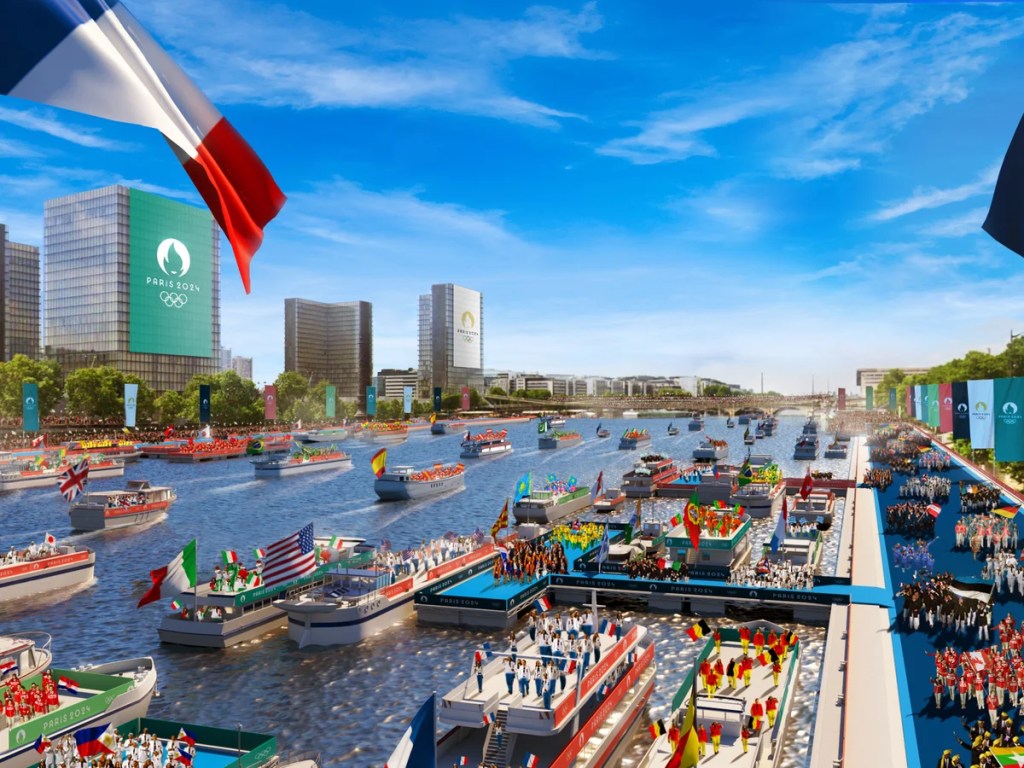
When it comes to the Paris Olympics, the venue itself is a standout example of eco-friendly design. Imagine a space that’s not only visually stunning but also built with materials and techniques that are kind to the planet. Paris has taken sustainability seriously, and the venue’s architecture is proof of that. It features cutting-edge green materials and innovative construction methods designed to minimize environmental impact. This isn’t just about flashy design—it’s about creating a space that’s functional and environmentally responsible.
Energy-Efficient Lighting: Bright Ideas for a Greener Future
Lighting up the opening ceremony in style while keeping energy use to a minimum? That’s exactly what Paris has achieved. The venue’s lighting system is a marvel of energy efficiency, relying heavily on LED lights and solar power. LEDs are not only brighter and longer-lasting than traditional bulbs, but they also use a fraction of the energy. Solar panels are integrated to power these lights, showcasing how sustainable technology can illuminate even the most glamorous events without burning through resources.
Green Materials: A Step Towards Eco-Friendly Construction
The materials used in the construction of the venue are as green as they come. Think recycled steel, sustainable timber, and eco-friendly insulation. These materials aren’t just good for the environment; they also offer excellent performance and durability. By choosing such materials, Paris is setting a new standard for how we build and design spaces for major events.
Water Conservation Features: A Thirst for Sustainability
Paris hasn’t overlooked water conservation either. The venue is equipped with state-of-the-art water-saving technologies, such as low-flow fixtures and rainwater harvesting systems. These features are designed to reduce water usage and ensure that every drop is used wisely. It’s all part of a broader commitment to environmental responsibility, proving that even large-scale events can be mindful of their water footprint.
By focusing on these aspects of venue design, Paris is not just hosting an unforgettable opening ceremony but also demonstrating how green innovations can be seamlessly integrated into major global events.
Renewable Energy Sources
Solar Power Integration: Harnessing the Sun’s Energy
At the Paris Olympics, solar power is taking center stage as a key player in the green energy mix. Picture solar panels spread across the venue, soaking up sunlight and converting it into clean, renewable energy. These panels are not just a technical feature; they’re a symbol of Paris’s commitment to sustainability. By using solar power to energize parts of the opening ceremony, Paris is reducing its reliance on non-renewable sources and demonstrating how solar technology can play a vital role in powering large-scale events.
Wind Power Contributions: Tapping into the Breeze
Wind power is another green hero making waves at the Paris Olympics. Imagine wind turbines gracefully turning in the breeze, generating electricity that helps power the ceremony. These turbines are strategically placed to capture the wind’s energy and convert it into usable power. Wind energy complements solar power, creating a diverse and sustainable energy mix that supports the event’s needs while minimizing its environmental impact.

Renewable Energy Strategy: A Balanced Approach
Paris’s approach to renewable energy isn’t about relying on just one source. Instead, it’s about creating a balanced strategy that incorporates both solar and wind power. This combination ensures a steady and reliable flow of clean energy, making the opening ceremony a showcase of how different renewable technologies can work together. By blending solar panels with wind turbines, Paris is not only powering the event sustainably but also setting an example of how to effectively utilize multiple renewable resources.
Benefits of Renewable Energy: Beyond the Ceremony
The benefits of using renewable energy extend beyond the opening ceremony itself. By showcasing these technologies, Paris is inspiring other events and cities to adopt similar practices. The use of solar and wind power at the Olympics highlights the feasibility and effectiveness of these green energy solutions, making a strong case for their wider adoption in future large-scale events and everyday life.
With solar panels and wind turbines playing crucial roles, Paris is making a bold statement about the future of energy. The integration of these renewable sources into the Olympics reflects a commitment to sustainability that goes beyond the event, paving the way for greener practices in the years to come.
Green Transportation Solutions
Electric Vehicles (EVs): Driving the Future of Sustainable Transport
When it comes to getting around during the Paris Olympics, electric vehicles (EVs) are leading the charge. Picture a fleet of sleek, silent EVs shuttling guests, athletes, and officials to and from the event. These vehicles are more than just a cool feature—they’re a significant step toward reducing the event’s carbon footprint. By choosing EVs, Paris is cutting down on harmful emissions and demonstrating how electric technology can transform transportation for large-scale events.
Public Transit Enhancements: Boosting Eco-Friendly Travel
Paris is also giving its public transit system a green upgrade to handle the influx of visitors. Imagine modern, efficient buses and trains that are designed to be more energy-efficient and less polluting. Improved transit services make it easier for attendees to use public transportation instead of driving, which helps reduce overall emissions. By enhancing public transit options, Paris is making it easier for everyone to travel sustainably, aligning with its commitment to environmental responsibility.
The Impact of Electric and Public Transit Solutions
The shift to electric vehicles and improved public transit has a dual benefit: it makes transportation more eco-friendly and sets a new standard for how major events manage travel. Electric vehicles reduce greenhouse gas emissions, while efficient public transit systems help cut down on traffic congestion and pollution. Together, these solutions showcase how transportation can be both high-tech and environmentally conscious, setting a precedent for future global events.
Encouraging Sustainable Travel Habits
By integrating these green transportation solutions, Paris isn’t just changing how people get around during the Olympics; it’s encouraging sustainable travel habits that can extend beyond the event. The visibility of EVs and enhanced public transit services serves as a powerful reminder of the importance of eco-friendly transportation. As a result, attendees and viewers alike are likely to take these lessons to heart, adopting more sustainable travel practices in their own lives.

In essence, the green transportation solutions at the Paris Olympics reflect a broader commitment to sustainability. With electric vehicles and improved public transit options leading the way, Paris is setting a high bar for how major events can address transportation in a way that’s both innovative and eco-friendly.
Waste Management Innovations
Zero-Waste Strategies: Turning Trash into Treasure
When it comes to waste management, Paris is pulling out all the stops with a zero-waste approach. Imagine an event where nothing is thrown away—everything is either recycled, composted, or repurposed. That’s the goal for the Paris Olympics opening ceremony. From meticulously sorting waste to ensuring that every piece of trash is handled sustainably, the event aims to achieve zero waste. It’s not just about reducing waste; it’s about creating a circular system where materials are continuously reused, turning potential waste into valuable resources.
Biodegradable Materials: Nature-Friendly Choices
In addition to zero-waste strategies, Paris is opting for biodegradable materials. Think of plates, cutlery, and cups that break down naturally instead of sitting in a landfill for years. These eco-friendly alternatives are made from materials like cornstarch or sugarcane, which decompose quickly and safely. By choosing biodegradable products, the event reduces the environmental impact of single-use items and sets an example for other large events and everyday practices.
Implementing Effective Recycling Programs
Effective recycling is a cornerstone of the Paris Olympics waste management plan. The ceremony features well-organized recycling stations placed throughout the venue, making it easy for attendees to sort their waste correctly. These stations are designed to handle different types of materials, ensuring that recyclables are processed efficiently. By prioritizing recycling, Paris is reducing the amount of waste that ends up in landfills and supporting a more sustainable waste management system.
The Impact of Green Waste Management
The innovative waste management practices at the Paris Olympics have a far-reaching impact. By demonstrating how zero-waste and biodegradable materials can be successfully implemented on a large scale, Paris is providing a blueprint for other events and cities. The commitment to effective recycling and waste reduction not only benefits the environment but also raises awareness about the importance of sustainable waste practices.
Overall, the waste management innovations at the Paris Olympics are a testament to the event’s dedication to sustainability. With a focus on zero waste, biodegradable materials, and effective recycling, Paris is leading the way in how major events can handle waste in an eco-friendly manner.
Eco-Conscious Performances and Presentations
Green Themes in Performances: A Sustainable Showcase
At the Paris Olympics, the opening ceremony isn’t just about dazzling performances; it’s also about making a statement on sustainability. Imagine a show where every performance highlights environmental themes, from vibrant displays of nature to creative interpretations of conservation. The integration of green themes into the ceremony’s performances is more than just artistic expression—it’s a way to raise awareness about environmental issues and inspire the audience to think green. By weaving sustainability into the very fabric of the show, Paris is ensuring that the message of environmental responsibility resonates with every spectator.
Recycled Materials in Sets and Costumes: From Waste to Wow
When it comes to the stage and costumes, Paris is proving that recycled materials can be just as spectacular as new ones. Picture elaborate sets and eye-catching costumes made from repurposed items—everything from old fabrics to discarded plastics is given a second life in this creative display. Using recycled materials not only reduces waste but also showcases how sustainability can be stylish and innovative. This approach highlights the potential of recycling and encourages others to consider how they can incorporate similar practices into their own lives and events.
Impact of Eco-Conscious Design: A Lasting Impression
The eco-conscious design elements of the opening ceremony leave a lasting impression on both the audience and the global community. By featuring green themes and recycled materials, Paris is setting a new standard for how performances and presentations can be both visually stunning and environmentally responsible. This focus on sustainability helps to shift perceptions about what’s possible in event design and encourages other events to adopt similar practices.
Inspiring Sustainable Practices Through Art
The artistic elements of the ceremony serve as a powerful tool for promoting sustainability. Through captivating performances and innovative use of materials, Paris is inspiring both attendees and viewers to embrace greener practices. The combination of environmental themes and recycled design elements creates a memorable experience that emphasizes the importance of sustainability in all aspects of life.
Community and Global Impact
Inspiring Other Events: Setting a New Standard
The Paris Olympics isn’t just making waves locally; it’s setting a new benchmark for sustainability on a global scale. Think of it as a beacon for other major events around the world, showing them how to integrate green practices seamlessly. By highlighting its commitment to eco-friendly innovations, Paris is inspiring other cities and organizers to follow suit. The success of the Olympics in demonstrating how large-scale events can be both spectacular and sustainable is likely to encourage similar efforts in future global gatherings, proving that green practices can be both achievable and impactful.
Legacy of Sustainability: Long-Term Benefits for Paris
The impact of the Paris Olympics extends far beyond the closing ceremony. The green innovations showcased during the event are expected to leave a lasting legacy for the city. From improved infrastructure to enhanced public awareness of sustainability, Paris is setting the stage for a greener future. The sustainable practices introduced during the Olympics are likely to influence local policies and community initiatives, helping Paris continue its journey towards environmental responsibility long after the games have ended.
Continuing Influence on Global Sustainability Efforts
The green initiatives of the Paris Olympics are more than just a one-off event; they’re part of a broader trend towards global sustainability. By demonstrating the practical benefits of green technology and innovative waste management, Paris is contributing to a global movement towards environmental responsibility. The lessons learned and successes achieved during the Olympics provide valuable insights for other events and organizations looking to adopt more sustainable practices, helping to spread the message of environmental stewardship worldwide.
Encouraging Personal and Community Actions
The visibility of Paris’s green efforts during the Olympics serves as a powerful reminder of how individual and collective actions can make a difference. The ceremony’s emphasis on sustainability is likely to inspire attendees and viewers to adopt more eco-friendly habits in their own lives. Whether it’s through better waste management, increased use of renewable energy, or support for sustainable transportation, the influence of the Paris Olympics is set to ripple outwards, encouraging people to embrace greener practices in their daily lives and communities.
Conclusion
The Paris Olympics opening ceremony has truly set a new benchmark in sustainable event planning. From the venue’s eco-friendly architecture to the integration of renewable energy sources like solar and wind power, every detail has been carefully designed to minimize environmental impact. The use of electric vehicles and enhanced public transit options underscores a commitment to reducing carbon emissions, while innovative waste management strategies, including zero waste and biodegradable materials, demonstrate a strong dedication to environmental responsibility. Additionally, the incorporation of green themes and recycled materials in performances and presentations highlights how sustainability can be seamlessly blended with spectacular entertainment.

Dr. Alexander Tabibi is an entrepreneur, investor, and advocate for sustainable innovation with a deep commitment to leveraging technology for environmental and social good. As a thought leader at the intersection of business and sustainability, Dr. Tabibi brings a strategic vision to Green.org, helping guide its mission to inspire global climate awareness and actionable change.
With a background in both medicine and business, Dr. Tabibi combines analytical rigor with entrepreneurial insight.