

Introduction
The Paris Olympics are just around the corner, and they’re shaping up to be unlike any Games we’ve seen before. Why? Because Paris is on a mission to change the game in terms of environmental impact. With climate change and sustainability topping the global agenda, the city is stepping up to set a new standard for major events.
So, what’s all the fuss about? Traditionally, the Olympics have been huge carbon emitters. From massive construction projects and energy-guzzling venues to the transportation of athletes and fans, these events leave a hefty environmental footprint. But Paris is flipping the script. They’re not just talking the talk—they’re walking the walk, aiming to host the first-ever carbon-neutral Olympics.
In this article, we’ll dive into how Paris is slashing its carbon footprint with some groundbreaking strategies. We’ll explore the city’s innovative approach to green infrastructure, waste management, and community engagement. Plus, we’ll tackle the challenges and criticisms that come with such ambitious goals.
By the end, you’ll see how Paris is proving that it’s possible to host a spectacular global event while still being kind to our planet. And who knows? Their efforts might just inspire future Games and large-scale events to follow suit. Ready to find out how Paris is leading the charge towards a greener future? Let’s get started!
The Environmental Impact of Major Events
When we think about big global events like the Olympics, the excitement is hard to contain. But behind the scenes, these events come with a hefty environmental price tag. Let’s break down what that looks like and why it’s such a big deal.
Historical Context
In the past, the Olympics have often left a massive environmental footprint. Think about it: constructing enormous venues, powering them for weeks on end, and then dealing with the waste left behind. From the Beijing Olympics in 2008 to London in 2012 and Rio in 2016, each Games had its share of environmental challenges. Construction projects alone can cause major disruption, consuming tons of resources and generating lots of waste.
Common Environmental Concerns
Here’s a quick rundown of the common environmental issues associated with mega-events like the Olympics:
Waste Generation: With thousands of visitors and tons of food consumed, the amount of waste produced is astronomical. This includes everything from food scraps to packaging and promotional materials.
Energy Consumption: The demand for energy during the Games is enormous. Venues need lighting, air conditioning, and power for all sorts of activities, which often leads to increased carbon emissions.

Transportation Emissions: Getting people to and from the event is another major factor. Transporting athletes, staff, and spectators typically involves a lot of flights, buses, and cars, all of which contribute to greenhouse gas emissions.
Understanding these issues is crucial as we look at how Paris is tackling these problems head-on. The city is determined to turn the tide and show that it’s possible to host a global event without trashing the planet. Stick around to see how Paris is rewriting the playbook on sustainability and setting a new benchmark for future Games.
Paris Olympics: Setting New Standards
The Paris Olympics are more than just a sports spectacle—they’re a bold statement about what’s possible when it comes to sustainability. Paris isn’t just aiming to be another green Games; they’re setting a new benchmark for how to host a major global event with minimal environmental impact. Here’s how they’re making it happen:
Commitment to Carbon Neutrality
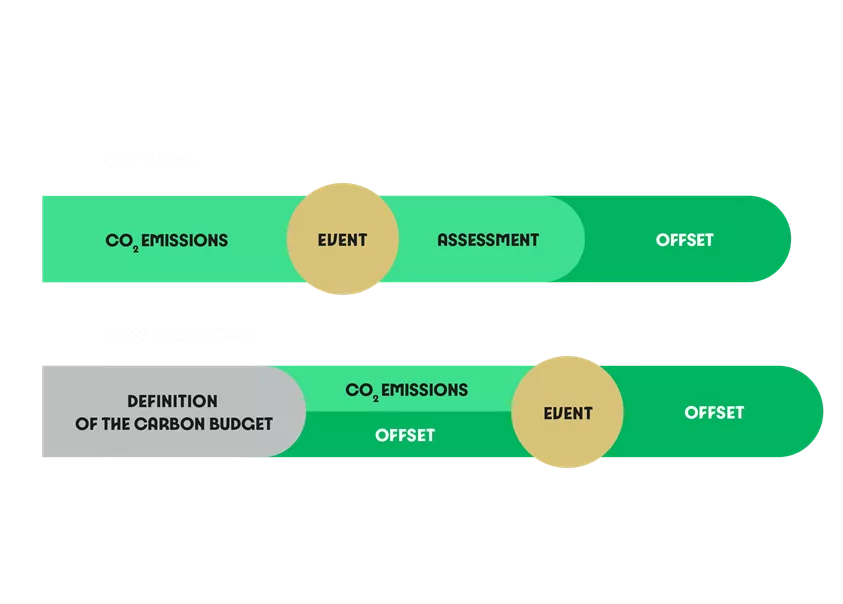
Paris has set a game-changing goal: to be the first-ever carbon-neutral Olympics. What does that mean? Simply put, they’re aiming to balance out the carbon dioxide emissions produced by the Games with actions that remove or offset the same amount of carbon from the atmosphere. This ambitious plan involves everything from reducing emissions wherever possible to investing in projects that help capture or reduce carbon elsewhere.
This commitment is huge because it’s not just about ticking a box. It’s about fundamentally changing how the Olympics are organized, ensuring that the event contributes positively to the environment, rather than harming it.
Innovative Strategies
Paris is rolling out a suite of innovative strategies to reach their carbon neutrality goal:
Green Building Practices: The city is using eco-friendly materials and construction methods for all new venues. This includes energy-efficient designs and sustainable resources that minimize environmental impact.
Renewable Energy: Paris is powering its venues with renewable energy sources, like solar and wind power, to cut down on fossil fuel use and lower carbon emissions.
Waste Reduction Initiatives: From advanced recycling systems to zero-waste goals, Paris is putting in place comprehensive waste management plans to ensure minimal environmental impact.
These strategies aren’t just for show. They’re designed to make a real difference, setting a new standard for what’s possible in terms of sustainable mega-events. Paris is proving that with the right plans and a commitment to innovation, hosting a global event can be done in harmony with our planet.
Stay tuned as we dive deeper into how these groundbreaking strategies are reshaping the Olympics and paving the way for a greener future.
Green Infrastructure
When it comes to hosting an eco-friendly Olympics, Paris is leading the charge with its impressive green infrastructure. This isn’t just about adding a few solar panels here and there; it’s about rethinking and redesigning how the entire event operates. Here’s a closer look at how Paris is building a greener future for the Games:
Sustainable Venues
Paris is rolling out the red carpet for a range of innovative and sustainable venues. Here’s how they’re doing it:
Use of Renewable Energy: One of the standout features of Paris’s green strategy is their commitment to powering venues with renewable energy. Think solar panels soaking up the sun and wind turbines catching the breeze. By switching to these clean energy sources, Paris is cutting down on carbon emissions and setting a powerful example for future events.
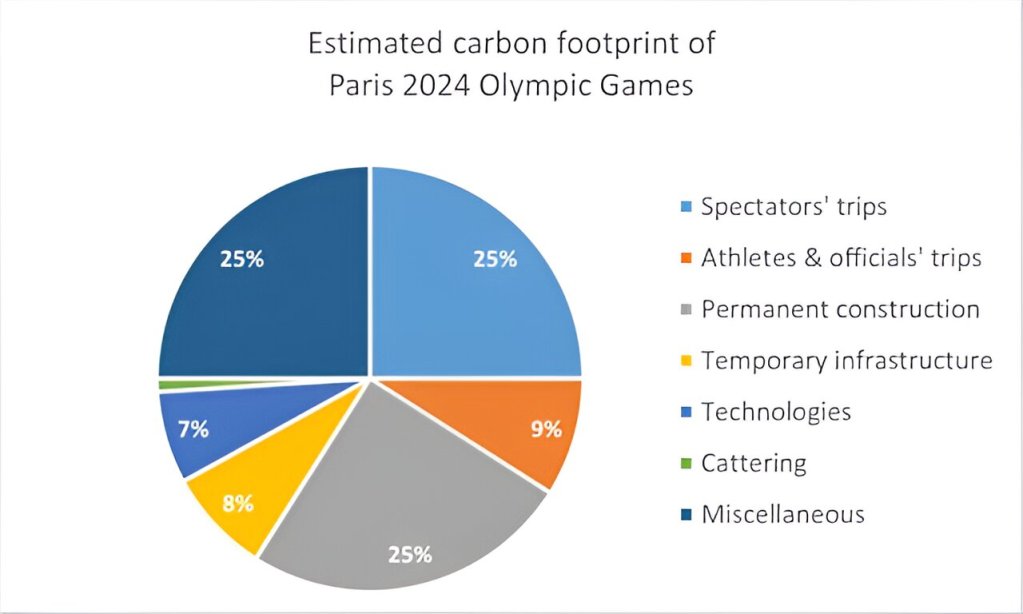
Eco-Friendly Construction: Paris isn’t just building new venues; they’re building them with the environment in mind. This means using eco-friendly materials, such as recycled steel and sustainable timber, and implementing energy-efficient designs. The result? Venues that are not only state-of-the-art but also gentle on the planet.
Retrofit and Renovation: Not all venues are brand new. Some are existing structures getting a green makeover. Paris is updating these buildings to meet modern environmental standards, improving their energy efficiency, and reducing their overall carbon footprint.
Public Transportation Enhancements
Getting around Paris during the Olympics is going to be a breeze, and it’s all thanks to their focus on green transportation:
Expansion of Green Transit Options: Paris is boosting its public transportation network with more eco-friendly options. Expect to see a rise in electric buses, cleaner trains, and enhanced cycling infrastructure. These upgrades are designed to cut down on emissions and make getting around the city more sustainable.
Bike and Pedestrian-Friendly Initiatives: The city is also making it easier for people to get around without a car. With new bike lanes and pedestrian-friendly zones, Paris is encouraging healthier and more sustainable ways to travel. Whether you’re pedaling to an event or strolling through the city, you’ll be contributing to a greener Olympics.
Paris’s approach to green infrastructure is more than just impressive; it’s a game-changer. By integrating these sustainable practices, the city is not only preparing for a fantastic Olympics but also setting a new standard for how major events can benefit both people and the planet.
Waste Management and Recycling
When it comes to hosting a massive event like the Olympics, managing waste can be a daunting task. But Paris is taking this challenge head-on with a set of smart, green strategies designed to minimize waste and maximize recycling. Let’s dive into how the city is tackling the trash:
Comprehensive Waste Reduction Plans
Paris is setting ambitious goals to cut down on waste from the very start. This means planning ahead to reduce the amount of rubbish generated in the first place. Here’s how they’re making it happen:
Smart Waste Collection: The city is implementing cutting-edge waste collection systems that are designed to be efficient and effective. This includes using technology to track waste production and optimize collection routes, ensuring that trash is picked up promptly and sorted properly.
Minimizing Single-Use Plastics: Paris is taking a stand against single-use plastics, which are a major source of pollution. They’re encouraging vendors to use eco-friendly alternatives and reducing plastic packaging throughout the Games.
Advanced Recycling Systems
Recycling is a big part of Paris’s waste management plan. The city is investing in state-of-the-art recycling facilities and systems to handle the volume of materials generated by the Olympics. Here’s what to expect:
Enhanced Sorting Technology: Paris is using advanced sorting technology to ensure that recyclables are separated correctly. This technology improves the efficiency of recycling processes and ensures that materials like paper, glass, and metals are properly processed.
Public Recycling Stations: Throughout the city and at Olympic venues, you’ll find clearly marked recycling stations. These are designed to make it easy for visitors and locals alike to sort their waste correctly and contribute to the city’s recycling efforts.
Zero Waste Goals
Paris is not just aiming to reduce waste; they’re aiming for zero waste. Here’s how they plan to get there:
Waste Reduction Initiatives: The city is focusing on reducing waste by encouraging reusable items and minimizing disposable products. For example, they’re promoting the use of reusable water bottles and offering incentives for vendors who reduce packaging.
Educational Campaigns: Paris is also running educational campaigns to inform the public and event-goers about the importance of waste reduction and proper recycling. By raising awareness and providing clear instructions, they’re helping everyone play their part in achieving zero waste.
Paris’s approach to waste management and recycling is a crucial part of their overall green strategy. By focusing on waste reduction, advanced recycling, and zero waste goals, the city is making sure that the Olympics leave a positive impact on the environment, setting a new standard for future events.
Sustainable Catering and Food Practices
Food is a big part of any major event, and the Olympics are no exception. But Paris is taking a fresh approach to catering by focusing on sustainability. From sourcing local ingredients to reducing food waste, the city is serving up a greener way to enjoy the Games. Here’s how Paris is making it happen:
Local and Organic Sourcing
One of the key ways Paris is making its food practices more sustainable is by prioritizing local and organic ingredients. Here’s what that means:
Supporting Local Farmers: Paris is working with local farmers and producers to supply fresh, seasonal produce. This not only supports the local economy but also reduces the carbon footprint associated with transporting food long distances.
Organic Options: Many of the food vendors will be offering organic options, which are grown without harmful pesticides and fertilizers. Organic farming is better for the environment and often results in higher-quality produce.
Waste Reduction in Catering
Paris is also tackling food waste head-on with smart strategies designed to minimize waste and make the most of every meal:
Portion Control: To reduce food waste, vendors are focusing on portion control. This means serving sizes are carefully measured to ensure that food isn’t left uneaten.
Food Recovery Programs: The city is implementing food recovery programs to redirect surplus food to charities and community organizations. This helps ensure that excess food doesn’t go to waste and can benefit those in need.
Sustainable Packaging: When packaging is necessary, Paris is opting for sustainable materials. This means using biodegradable or recyclable packaging to reduce the environmental impact.
Paris’s approach to sustainable catering and food practices is all about making every meal count. By focusing on local and organic sourcing, waste reduction, and sustainable packaging, the city is setting a new standard for how major events can handle food in an environmentally friendly way.
Community and Legacy Impact
Hosting the Olympics isn’t just about the event itself—it’s also about the lasting impact it has on the community and the environment. Paris is thinking long-term with a focus on creating positive, sustainable changes that benefit both the local population and future generations. Here’s how the city is making sure the Games leave a meaningful legacy:
Engaging Local Communities
Paris isn’t keeping sustainability efforts to just the event venues. The city is actively involving local communities in their green initiatives:
Community Involvement Programs: Paris has launched programs to engage residents in the sustainability efforts surrounding the Games. From volunteering opportunities to educational workshops, locals are encouraged to take part in and contribute to the city’s green goals.
Supporting Local Businesses: The city is also supporting local businesses by partnering with them for various aspects of the Olympics. This includes working with local suppliers and vendors, which helps boost the local economy and ensures that the benefits of the Games are felt throughout the community.
Long-Term Benefits
The impact of the Paris Olympics is designed to extend far beyond the closing ceremony:
Green Infrastructure for the Future: Many of the sustainable infrastructure improvements made for the Olympics will benefit Paris long after the Games end. This includes upgrades to public transportation, energy-efficient buildings, and enhanced green spaces.
Setting a Precedent: By hosting the first carbon-neutral Olympics, Paris is setting a new standard for how major events can be organized. This precedent will influence future Olympics and large-scale events, showing that it’s possible to balance grandeur with environmental responsibility.
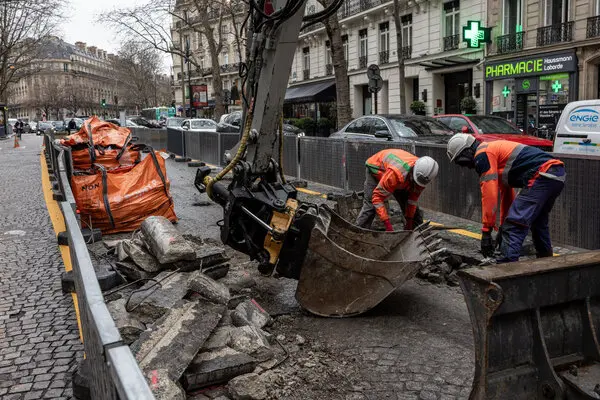
Educational Impact: The Games also serve as a powerful educational tool. By showcasing their commitment to sustainability, Paris is raising awareness about environmental issues and encouraging others to adopt similar practices.
Paris’s focus on community and legacy means that the benefits of the Games will be felt long after the final medal is awarded. By involving local residents, supporting businesses, and investing in sustainable infrastructure, the city is ensuring that the Olympics leave a positive and enduring impact.
Challenges and Criticisms
No ambitious project is without its hurdles, and the Paris Olympics’ green initiatives are no exception. While the city is making impressive strides toward sustainability, there are challenges and criticisms that come with such a bold undertaking. Let’s take a look at some of the obstacles Paris is facing and how they plan to tackle them:
Criticisms of the Green Initiatives
Despite Paris’s best efforts, not everyone is on board with their green plans. Here are some of the common criticisms:
High Costs: Some critics argue that the cost of implementing such extensive sustainability measures is too high. They worry that the financial burden might outweigh the environmental benefits, especially in a time of economic uncertainty.
Implementation Challenges: There are concerns about the practicality of some of Paris’s ambitious goals. For instance, achieving zero waste and complete carbon neutrality is a complex task, and there’s skepticism about whether these targets can be fully met.
Effectiveness of Offsetting: While Paris is investing in carbon offset projects to balance out their emissions, some critics question the effectiveness of these measures. They argue that offsetting may not be as impactful as reducing emissions at the source.
Mitigation Strategies
Paris isn’t just sitting back and hoping for the best; the city is actively working to address these challenges:
Cost Management: To manage costs, Paris is carefully planning and budgeting for their green initiatives. They’re also seeking partnerships and funding from various sources to help cover expenses and ensure that sustainability goals are achievable.
Phased Implementation: The city is taking a phased approach to implementing their green strategies, allowing for adjustments and improvements along the way. This helps address practical challenges and ensures that initiatives are effective and feasible.
Transparency and Accountability: Paris is committed to being transparent about their progress and challenges. By regularly reporting on their achievements and setbacks, they’re holding themselves accountable and maintaining public trust.
Despite the hurdles, Paris remains dedicated to their sustainability goals. By tackling criticisms head-on and implementing effective mitigation strategies, the city is determined to prove that it’s possible to host a world-class event while making a positive impact on the environment.
Conclusion
As the Paris Olympics approach, the city is setting an inspiring example for how major global events can be both spectacular and sustainable. With a bold commitment to carbon neutrality and a host of innovative green initiatives, Paris is proving that it’s possible to host an unforgettable Games while taking care of our planet.

Dr. Alexander Tabibi is an entrepreneur, investor, and advocate for sustainable innovation with a deep commitment to leveraging technology for environmental and social good. As a thought leader at the intersection of business and sustainability, Dr. Tabibi brings a strategic vision to Green.org, helping guide its mission to inspire global climate awareness and actionable change.
With a background in both medicine and business, Dr. Tabibi combines analytical rigor with entrepreneurial insight.