

Introduction
Imagine an Olympic Games where the excitement isn’t just about the incredible sports performances, but also about how the event is making a positive impact on our planet. That’s exactly what Paris is aiming for with the 2024 Olympics. The city of lights is setting a new benchmark by creating a sustainable paradise for the athletes, transforming the way we think about large-scale events and their environmental footprint.
Paris has always been a symbol of elegance and innovation, but now it’s adding another feather to its cap: eco-friendliness. For the first time in Olympic history, the athletes’ village will be a shining example of how sports and sustainability can go hand in hand. This isn’t just about planting a few trees or installing solar panels; Paris is going all out to ensure that every aspect of the village is as green as it gets.
From energy-saving buildings to waste-free zones, the accommodations for the athletes will be a showcase of the latest in sustainable design. You’ll find everything from rooftop gardens and rainwater recycling systems to electric shuttle buses and zero-plastic dining options. It’s not just about making the village eco-friendly during the Games; Paris is also thinking long-term, with plans to leave a legacy of green innovation that will benefit the city and inspire future events worldwide.
Eco-Friendly Athletes’ Village: An Overview
So, what’s all the fuss about the Paris 2024 athletes’ village? Let’s pull back the curtain and take a closer look at what makes this part of the Olympics truly groundbreaking. The athletes’ village is not just a place to rest between competitions—it’s a model of how modern living can be both luxurious and environmentally responsible. Paris is pushing the boundaries with a village designed to minimize its impact on the planet while maximizing comfort and efficiency.

Design Philosophy
First off, let’s talk design. The athletes’ village in Paris is built with one core idea in mind: sustainability. The design team didn’t just follow trends; they created a blueprint for a future where buildings blend seamlessly with their natural surroundings. Think of it as a harmonious mix of style and substance, where every building and public space is carefully crafted to reduce its carbon footprint. By collaborating with top architects and environmental experts, Paris is ensuring that the village stands as a testament to what can be achieved when innovation meets eco-consciousness.
Sustainable Materials and Construction
When it comes to materials, Paris is going green all the way. The construction of the athletes’ village utilizes recycled and locally sourced materials, cutting down on the environmental costs associated with transporting resources from far-off places. This approach not only supports local industries but also drastically reduces emissions related to construction. Innovations in energy-efficient building techniques mean that the village is designed to keep energy use to a minimum, making it a shining example of how modern architecture can be both beautiful and eco-friendly.
In essence, Paris isn’t just building accommodations for the Olympics—they’re building a blueprint for the future. The athletes’ village is set to become a landmark in sustainable living, showcasing how to balance comfort, style, and environmental responsibility. Whether you’re an athlete preparing for the big event or just someone curious about the latest in green living, the Paris 2024 athletes’ village offers a glimpse into how the Olympics can lead the way toward a more sustainable world.
Energy Efficiency and Renewable Resources
When you think of the Paris 2024 Olympics, envision not just thrilling athletic feats but also a showcase of how to power an entire city with a green thumb. Paris is turning up the dial on sustainability with an athletes’ village that’s packed with energy-saving and renewable technologies. Let’s dive into how this green powerhouse operates, and how it’s setting a new standard for eco-friendly living.
Solar Power and Energy Conservation
One of the standout features of the Paris athletes’ village is its commitment to solar energy. Solar panels are popping up on rooftops everywhere, turning sunlight into electricity and cutting down on reliance on non-renewable power sources. This isn’t just about having a few panels here and there—Paris is implementing smart energy management systems that make sure every bit of solar energy is used efficiently. The result? Reduced energy consumption and a smaller carbon footprint, all while keeping the village running smoothly and sustainably.

Green Roofs and Urban Gardens
But the green revolution doesn’t stop at solar panels. Paris is also embracing green roofs and urban gardens as key elements of its sustainability plan. Imagine lush, green rooftops that help insulate buildings, reduce heat, and improve air quality. These green roofs do more than just look good—they’re practical and beneficial, acting as natural air conditioners and adding beauty to the village. And then there are the urban gardens, providing fresh produce and offering a peaceful retreat for athletes and visitors alike. These gardens are a perfect example of how nature can be seamlessly integrated into urban spaces.
In short, Paris is making sure that every corner of the athletes’ village is working toward a greener future. By harnessing solar power, incorporating green roofs, and creating urban gardens, the village is not only reducing its environmental impact but also setting a benchmark for future large-scale events. It’s a place where sustainability meets innovation, proving that energy efficiency can be both practical and stylish.
Water Management and Conservation
Imagine a place where every drop of water is valued and used wisely. That’s exactly what Paris is achieving with its approach to water management for the 2024 Olympics. The athletes’ village isn’t just about sleek design and cutting-edge technology; it’s also setting a high bar for how we handle one of our most precious resources. Let’s dive into the water-saving innovations that are making a splash in Paris.
Rainwater Harvesting Systems
One of the standout features of the village’s water management strategy is its rainwater harvesting system. This system is designed to capture rainwater from rooftops and other surfaces, which is then filtered and stored for use. This isn’t just a clever way to reduce reliance on the local water supply; it also helps to manage stormwater runoff and reduces the risk of flooding. By making the most of what nature provides, Paris is not only conserving water but also creating a more resilient and sustainable environment.
Water-Efficient Fixtures and Technologies
Inside the athletes’ village, water efficiency is a top priority. From low-flow faucets to high-tech toilets that use minimal water, every fixture is chosen with conservation in mind. These technologies are designed to significantly cut down on water use without sacrificing comfort or functionality. And it doesn’t stop there—advanced water recycling systems are in place to treat and reuse greywater, further reducing the demand on fresh water supplies. It’s all part of a larger plan to ensure that every drop is used wisely and efficiently.
In essence, Paris is leading the way with a water management approach that’s both innovative and practical. By harvesting rainwater, installing water-efficient fixtures, and implementing advanced recycling technologies, the athletes’ village is setting a new standard for water conservation. It’s a shining example of how thoughtful design and smart technology can work together to make a real difference in managing our most vital resource.
Waste Management and Recycling Initiatives
When it comes to keeping the Paris 2024 athletes’ village green and clean, waste management is a big deal. Paris isn’t just aiming to minimize waste; they’re rethinking how we handle garbage altogether. The goal is to create a zero-waste environment where recycling and reuse are second nature. Let’s explore how Paris is turning trash into a triumph of sustainability.
Comprehensive Waste Sorting
One of the key strategies in the athletes’ village is a thorough waste sorting system. This system makes it easy for everyone—athletes, staff, and visitors alike—to separate their trash into recyclables, compostables, and general waste. Clear signage and convenient recycling stations help ensure that nothing gets missed. The waste sorting doesn’t stop there; Paris has also set up efficient collection and processing systems to make sure that everything is properly dealt with. This approach not only reduces the amount of waste sent to landfills but also maximizes the potential for recycling and reuse.
Minimizing Single-Use Plastics
Another major initiative is the move away from single-use plastics. In the village, you won’t find plastic straws or disposable cutlery. Instead, alternatives like compostable plates and reusable bottles are the norm. The shift away from plastics helps cut down on pollution and waste, making a significant impact on the environment. Paris is also leading by example, showing how large events can successfully implement sustainable practices without compromising on convenience or comfort.

In summary, Paris is making waste management a top priority with innovative sorting systems and a strong stance against single-use plastics. By making it easier to recycle and encouraging sustainable practices, the athletes’ village is not only keeping waste to a minimum but also setting a new standard for how events can be both enjoyable and environmentally responsible. It’s a bold step forward in the quest for a cleaner, greener world.
Green Transportation Options
When you think about transportation at a major event like the Olympics, you might picture crowded buses and traffic jams. But at the Paris 2024 Olympics, the focus is on green, efficient transportation that reduces emissions and promotes sustainability. Let’s dive into how Paris is reimagining travel for the athletes’ village and setting a new standard for eco-friendly transit.
Electric and Hybrid Vehicles
Paris is embracing the future with a fleet of electric and hybrid vehicles designed to whisk athletes and staff around the village and beyond. These vehicles are not only better for the environment because they produce fewer emissions, but they also help to create a quieter, more pleasant atmosphere. Charging stations are conveniently located throughout the village, ensuring that electric vehicles are always ready to go. By investing in green transportation, Paris is cutting down on air pollution and setting an example for future events.
Promotion of Public and Non-Motorized Transport
But Paris isn’t stopping with electric cars. The city is also encouraging the use of public and non-motorized transport options. Athletes and visitors will have easy access to the city’s extensive public transit system, which is both efficient and eco-friendly. For those who prefer to travel by bike or on foot, the village is designed with pedestrian-friendly paths and bike lanes. This approach not only reduces the village’s carbon footprint but also promotes a healthier, more active lifestyle.
In essence, Paris is making green transportation a cornerstone of the 2024 Olympics. With a combination of electric vehicles, public transit, and facilities for biking and walking, the city is ensuring that travel is as sustainable as possible. It’s a forward-thinking approach that proves you don’t need to sacrifice convenience or comfort to be environmentally responsible. Paris is leading the way in creating a transportation system that’s both green and practical, making every journey a part of the Olympic spirit of innovation and sustainability.
Health and Well-being in Eco-Friendly Spaces
When it comes to the Paris 2024 Olympics, it’s not just about sports and sustainability—it’s also about the well-being of the athletes. The athletes’ village is designed with a focus on creating spaces that promote health and wellness. From natural ventilation to biophilic design, Paris is ensuring that every element of the village contributes to a positive and healthy environment. Let’s explore how this eco-friendly village is making health a top priority.
Natural Ventilation and Air Quality
One of the key features of the athletes’ village is its emphasis on natural ventilation. By designing buildings to maximize airflow and incorporate plenty of windows, Paris is ensuring that indoor air quality is top-notch. This approach reduces the need for mechanical air conditioning and helps maintain a fresh, clean atmosphere. Good air quality is crucial for athletes who need to stay in peak condition, and Paris is making sure that every breath they take is a breath of fresh air.
Biophilic Design and Connection to Nature
Paris is also incorporating biophilic design principles into the village. This means bringing natural elements into the living spaces to create a more harmonious and calming environment. You’ll find features like indoor plants, green walls, and natural materials throughout the village. These elements not only enhance the aesthetic appeal but also have proven benefits for mental health and stress reduction. For athletes dealing with the pressures of competition, these natural touches can provide a much-needed sense of relaxation and connection to nature.
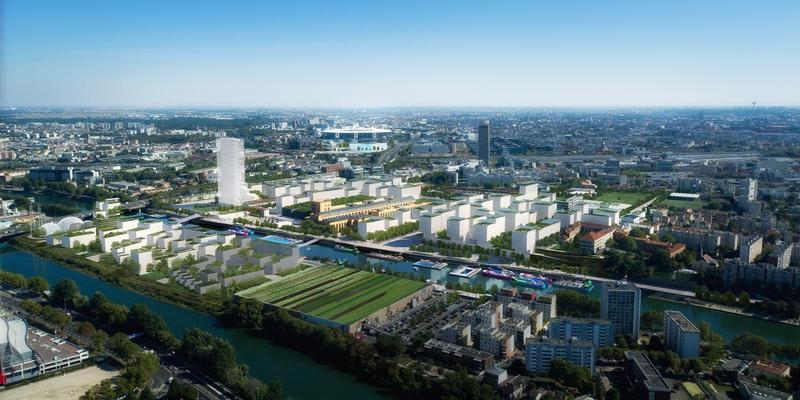
In summary, the Paris 2024 athletes’ village is a model of how to combine sustainability with health and well-being. By focusing on natural ventilation and biophilic design, Paris is creating a space where athletes can thrive both physically and mentally. It’s a perfect example of how eco-friendly living can also enhance overall quality of life, setting a new standard for future events and demonstrating that environmental responsibility and personal well-being can go hand in hand.
Cultural and Community Integration
When you think of the Paris 2024 Olympics, you might imagine athletes competing and crowds cheering. But there’s more to the story than just the games. The athletes’ village is also a hub of cultural and community engagement, blending global sporting events with local Parisian life. Let’s take a look at how Paris is making sure that the Olympics are not just an international spectacle but also a vibrant, community-focused experience.
Local Community Involvement
One of the standout features of the Paris 2024 approach is its commitment to involving the local community. The village isn’t just a place for athletes; it’s also a space where Parisian residents can engage with the event. Local businesses are contributing to the sustainability efforts, providing eco-friendly products and services that help make the village greener. Community engagement programs are designed to ensure that residents have a role in the festivities, whether it’s through cultural exchanges, volunteering opportunities, or local events.
Educational Opportunities
The village isn’t just for athletes and visitors; it’s also an educational hub. Paris is offering various programs to teach athletes, staff, and the public about sustainability and eco-friendly practices. These programs include workshops, tours, and interactive exhibits that highlight the village’s green initiatives and the importance of environmental stewardship. By providing these educational opportunities, Paris is not only showcasing its commitment to sustainability but also inspiring others to adopt similar practices in their own communities.
In essence, the Paris 2024 athletes’ village is a celebration of both sport and culture. By involving the local community and offering educational programs, Paris is creating a rich, inclusive environment that extends beyond the Olympic Games. It’s a chance for the world to experience the vibrant culture of Paris while also learning about and participating in the city’s commitment to sustainability. This integration of community and culture sets a new precedent for how global events can connect with local life in meaningful and impactful ways.
Legacy and Future Impact
The Paris 2024 Olympics are not just about the games themselves; they’re about setting a new standard for how large-scale events can impact cities and the world long after the closing ceremony. The athletes’ village is designed with a clear vision for the future, aiming to leave a lasting legacy that goes beyond the Olympic Games. Let’s explore how Paris is ensuring that the benefits of the 2024 Olympics extend far beyond the event itself.
Long-Term Benefits for Paris
The Paris athletes’ village isn’t just a temporary setup; it’s a strategic investment in the city’s future. After the Olympics, the village will continue to serve as a model of sustainable living. Many of the green features, like energy-efficient buildings and water management systems, will remain in place, contributing to Paris’s long-term environmental goals. The infrastructure and technology developed for the village will benefit the city’s residents for years to come, providing a lasting boost to Paris’s sustainability efforts and urban development.
Inspiring Future Events
Paris is also setting a precedent for future global events. By demonstrating how to successfully integrate sustainability into large-scale projects, the Paris 2024 Olympics are inspiring other cities and organizations to follow suit. The innovations and practices introduced in the athletes’ village can serve as a blueprint for future Olympics and other international events, proving that it’s possible to host spectacular events while also taking great care of the planet. The impact of Paris’s approach will be felt worldwide, encouraging a shift towards greener, more responsible event planning.
In summary, the Paris 2024 athletes’ village is designed to leave a significant legacy. By investing in sustainable infrastructure and inspiring future events, Paris is ensuring that the benefits of the Olympics extend far beyond the games. It’s a testament to how global events can drive positive change and set new standards for environmental responsibility, paving the way for a greener future for all.
Conclusion
As the countdown to the Paris 2024 Olympics continues, it’s clear that this year’s games are more than just a celebration of athletic prowess—they’re a groundbreaking example of how major events can embrace sustainability and set new standards for environmental responsibility. The athletes’ village is at the heart of this transformation, showcasing how eco-friendly practices can blend seamlessly with high-performance living spaces.

Dr. Alexander Tabibi is an entrepreneur, investor, and advocate for sustainable innovation with a deep commitment to leveraging technology for environmental and social good. As a thought leader at the intersection of business and sustainability, Dr. Tabibi brings a strategic vision to Green.org, helping guide its mission to inspire global climate awareness and actionable change.
With a background in both medicine and business, Dr. Tabibi combines analytical rigor with entrepreneurial insight.