


Switching Gears: The Rise of Compressed Natural Gas (CNG) Vehicles
Introduction
Compressed Natural Gas vehicles (CNG) are transport options that use natural gas fuel such as liquefied natural gas or compressed natural gas as a fuel source instead of traditional fuels like gasoline or diesel. In recent years, these vehicles have gained traction as an increasingly viable alternative for many large vehicles and long-haul transportation fleets. It is currently estimated that there are over 23 million CNG vehicles in operation worldwide.
Historical Background
While the first CNG vehicles can be traced to military research and development during WWII as a potential transportation fuel for overland military transports and heavy duty vehicles, industry research into CNG vehicles as passenger cars and commercial vehicles can be traced to the mid-20th century, when companies such as General Motors began experimenting with natural gas as a fuel source. Advancements in technology, rising fuel costs and crises such as the foreign oil shortages during the 1970’s, along with growing concerns for environmental sustainability led to coordinated research efforts by both industry and governments into CNG as an alternative to conventional fuel.
Key Concepts
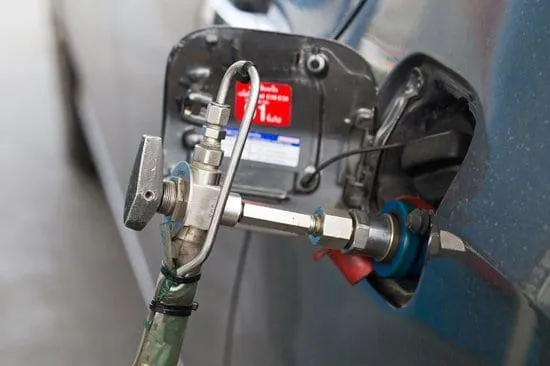
Compressed Natural Gas refers to natural gas stored under high pressure to power vehicles. CNG vehicles are equipped with components such as fuel tanks, regulators, and injectors that enable the efficient combustion and management of natural gas. Key topics associated with CNG vehicles include CNG refueling stations, conversion kits for conventional vehicles, and safe fuel storage practices.
Advantages of CNG Vehicles
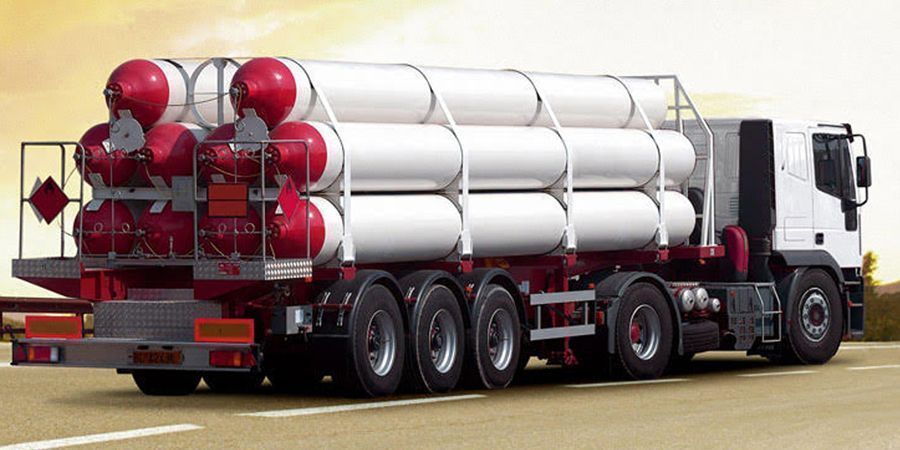
CNG vehicles provide environmental benefits by reducing carbon emissions and leaving a lower footprint compared to conventional vehicles with a gasoline engine or diesel engine. CNG vehicles also offer cost savings through lower fuel costs when purchased in bulk for fleet vehicles, which, along with potential tax incentives, make them an economically attractive option for municipalities, long range trucks, and commercial fleets. Additionally, CNG vehicles promote energy security by reducing dependence on foreign oil sources.
Challenges and Limitations
Limited availability of fueling stations, and scarcity of CNG fuel for individual consumers is a primary impediment for the widespread adoption of CNG vehicles. Moreover, the upfront costs of these vehicles, including necessary equipment installation or conversion costs make lifetime expenses for CNG’s higher compared to traditional petroleum and electric vehicles. Likewise, repairs for a natural gas engine requires specialized maintenance that most localized mechanics lack the capacity and training for. Additionally, many CNG vehicles have range limitations and poorer fuel economy than gasoline-powered vehicles and diesel vehicles, often requiring more frequent refueling compared to traditional options.
Public Adoption
In recent years, the public transportation sector has seen significant adoption of CNG buses, achieving the dual benefits of both reduced emissions and operational costs. Organizations and municipalities in various regions across the United States have embraced CNG vehicles for their fleets, showcasing the practicality and benefits of this alternative fuel option.

Current Trends and Pathways to Adoption
For CNG vehicles to gain broad adoption, advancements in this technology must focus on continued improvements in fuel efficiency and engine performance. Government policies and incentives at federal, state, and local level must continue to advocate, educate and promote the adoption of CNG vehicles. Finally, ongoing research in both the public and private sector can work to provide new insights into the environmental benefits of CNG vehicles, solidifying their position as a sustainable transportation solution.
Challenges
While a step forward towards a more efficient, sustainable transportation sector, the adoption of CNG engines faces several notable hurdles. Fracking, a common extraction method for natural gas, has faced significant scrutiny due to its environmental impacts. Also, it should be noted that while natural gas presents a cleaner alternative to petroleum, its status as a fossil fuel can not be ignored, and as a finite resource, the long-term sustainability of CNG vehicles remains contentious–particularly regarding the ease of availability of natural gas resources. In light of these challenges, CNG vehicles should ultimately be viewed as a stepping stone rather than a silver bullet for the transportation sector.
Future Outlook
As CNG research and development advances, CNG vehicles are expected to become more efficient and affordable, making them a viable option for a wider range of individual consumers and fleet vehicles. the continued adoption of natural gas trucks, buses and other long-range CNG & LNG vehicles should ostensibly continue to spur investment and research into a wider range of options for natural gas vehicle types. As their use becomes more widespread, and economies of scale bring down costs per gallon, CNG vehicles’ role in reducing greenhouse gas emissions is likely to increase, solidifying their importance in the global transportation landscape.
Conclusion
Compressed Natural Gas (CNG) vehicles offer a more sustainable and environmentally friendly alternative to traditional petroleum vehicles. With their numerous advantages, including reduced emissions, cost savings at scale, and energy security, CNG vehicles have gained traction in various industries and regions. While challenges and controversies exist, ongoing developments and research provide optimism for the future of CNG vehicles as a pathway to emissions reductions.
References:
U.S. Department of Energy, “Compressed Natural Gas Vehicles: What You Need to Know” National Renewable Energy Laboratory, “Natural Gas Vehicles: Status, Barriers, and Opportunities” Clean Cities, “Advantages and Challenges of Compressed Natural Gas as a Fuel for Vehicles” Natural Gas Vehicles for America, “Driving a Natural Gas Vehicle” International Energy Agency, “The Future Potential of Compressed Natural Gas Vehicle” https://afdc.energy.gov/vehicles/natural-gas

Dr. Alexander Tabibi is an entrepreneur, investor, and advocate for sustainable innovation with a deep commitment to leveraging technology for environmental and social good. As a thought leader at the intersection of business and sustainability, Dr. Tabibi brings a strategic vision to Green.org, helping guide its mission to inspire global climate awareness and actionable change.
With a background in both medicine and business, Dr. Tabibi combines analytical rigor with entrepreneurial insight.