
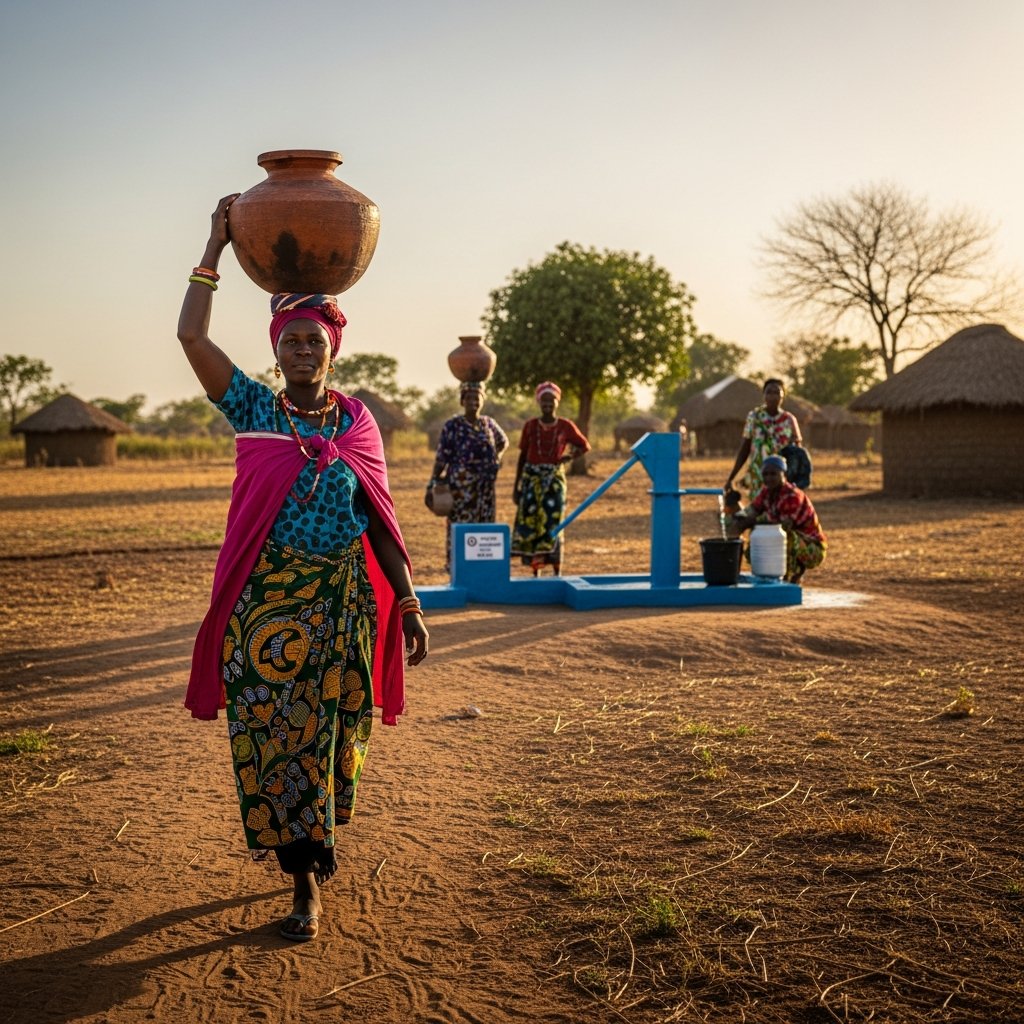
 Every morning, millions of women wake up before dawn and begin walking. Not to work, not to school – but to find water. In sub-Saharan Africa alone, women and girls spend an estimated 40 billion hours each year collecting water. That’s not a statistic you read and move on from. That’s 40 billion hours stolen from education, from income, from rest, from life.
The connection between women and water access runs deeper than most people realize. Water isn’t just a survival need – it’s a social determinant that shapes who gets ahead in life and who stays behind. When women don’t have clean water nearby, everything else suffers: their health, their children’s future, their economic potential, and their standing in the community. But when that burden is lifted? The ripple effect of water accessibility touches every corner of a woman’s world.
This is why water access has become one of the most powerful levers for gender equality globally. Not because it’s a nice thing to do – but because the data, the stories, and the communities themselves prove it works.
Contents
- 1 The Hidden Weight Women Carry for Water
- 2 What Happens When Women Get Water Close to Home
- 3 Women-Led Water Initiatives Are Changing the Model
- 4 The Climate Connection Nobody Talks About Enough
- 5 Technology, Infrastructure, and the Role of Digital Organizing
- 6 Frequently Asked Questions About Women and Water Access
- 6.0.1 How much time do women in developing countries spend collecting water?
- 6.0.2 How does water scarcity affect women’s health specifically?
- 6.0.3 Is water scarcity getting worse because of climate change?
- 6.0.4 Why is water access considered a gender equality issue?
- 6.0.5 What makes women-led water initiatives more effective?
- 6.1 Share this:
- 6.2 Related Post
The Hidden Weight Women Carry for Water
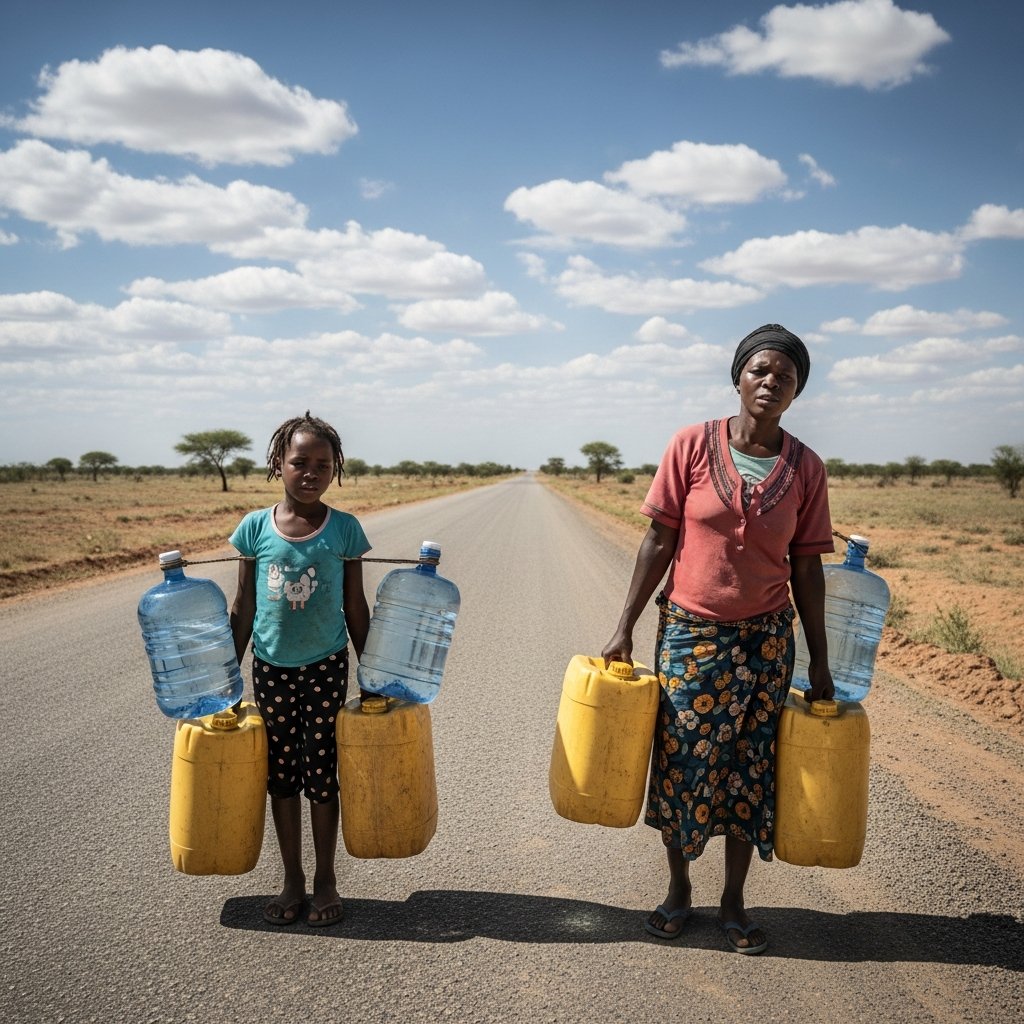
It’s easy to think of water scarcity as an environmental problem. And it is – but it’s also a deeply gendered one. In most developing regions, water collection is considered women’s work. Cultural norms assign the task almost exclusively to women and girls, which means they bear the full physical and time cost of water scarcity.
The physical toll is real. Carrying heavy jerricans and clay pots – often 20 kilograms or more – over rough terrain causes chronic back injuries, joint damage, and exhaustion. Water scarcity and women’s health are directly linked, and not just through contaminated water causing illness. The act of collection itself causes harm.
Then there’s the safety dimension. Women and girls are frequently assaulted or harassed along water collection routes, particularly in conflict zones and rural areas. UNICEF has documented this consistently across regions from South Asia to Central Africa. Water collection isn’t just tiring – for many women, it’s genuinely dangerous.
And while women are walking, carrying, and waiting at water points, they’re not doing anything else. Girls miss school. Women miss market days. Hours that could go toward building something are absorbed by survival logistics. It’s a cycle that’s remarkably hard to break without addressing the root cause.
What Happens When Women Get Water Close to Home
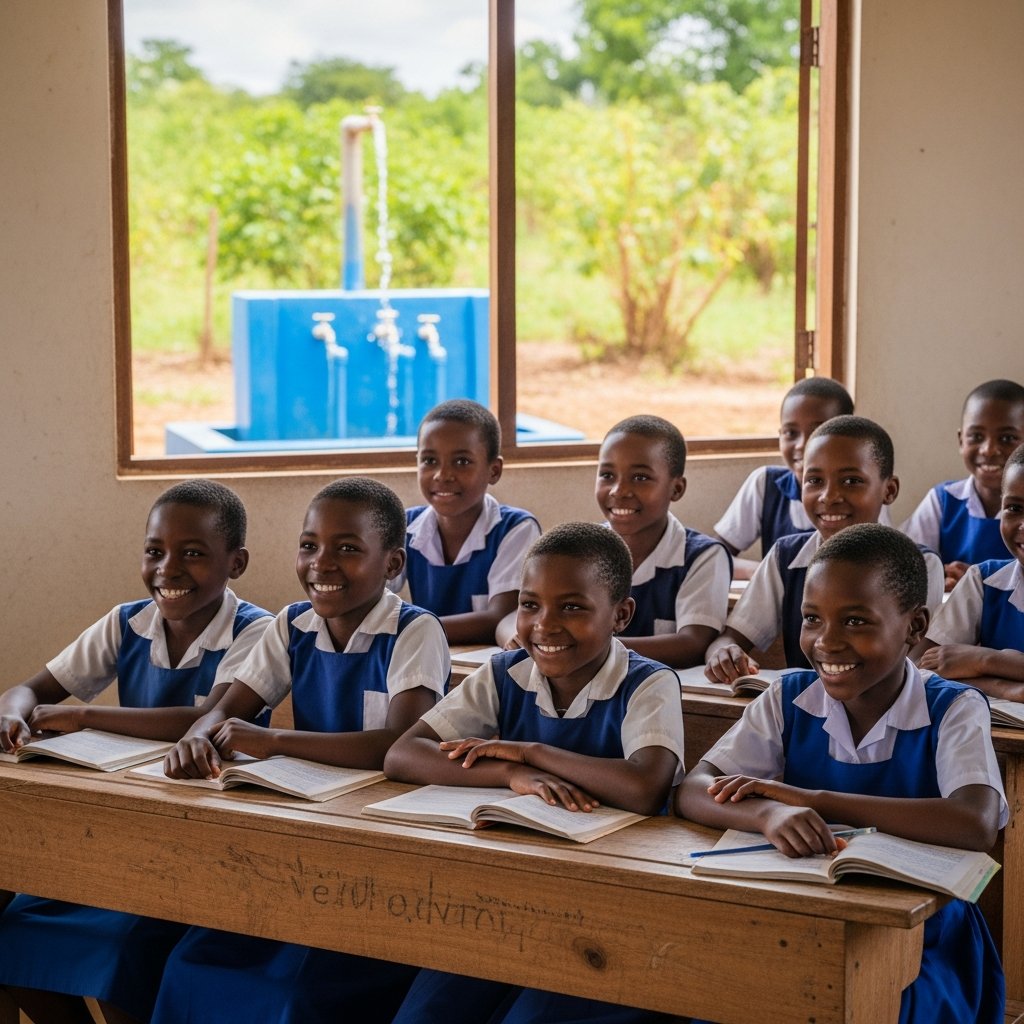
The evidence here is striking. When communities gain access to local, reliable water sources, the changes don’t happen gradually over decades – they can happen within months.
School enrollment for girls rises sharply. A study across multiple African countries found that girls’ attendance improved by up to 15 percent when water became accessible within the village. The extra hours previously spent walking become study hours, school hours, play hours.
Women’s income increases too. With time freed up, women start small businesses, expand agricultural activity, and engage in savings groups. Water access doesn’t just give women time – it gives them something to do with it. And in communities where women control even modest additional income, research consistently shows that money flows toward children’s nutrition, healthcare, and education rather than other expenditures.
Maternal and infant health outcomes improve significantly as well. Clean water near homes means safer food preparation, better hygiene during and after childbirth, and reduced waterborne illness in infants. The clean water impact on women’s empowerment is, in part, a story told through falling child mortality rates.
These aren’t isolated wins. They compound. A girl who stays in school becomes a woman with options. A woman with income has bargaining power at home and in her community. The ripple effect of water accessibility is, at its core, a story about freedom spreading outward.
Women-Led Water Initiatives Are Changing the Model
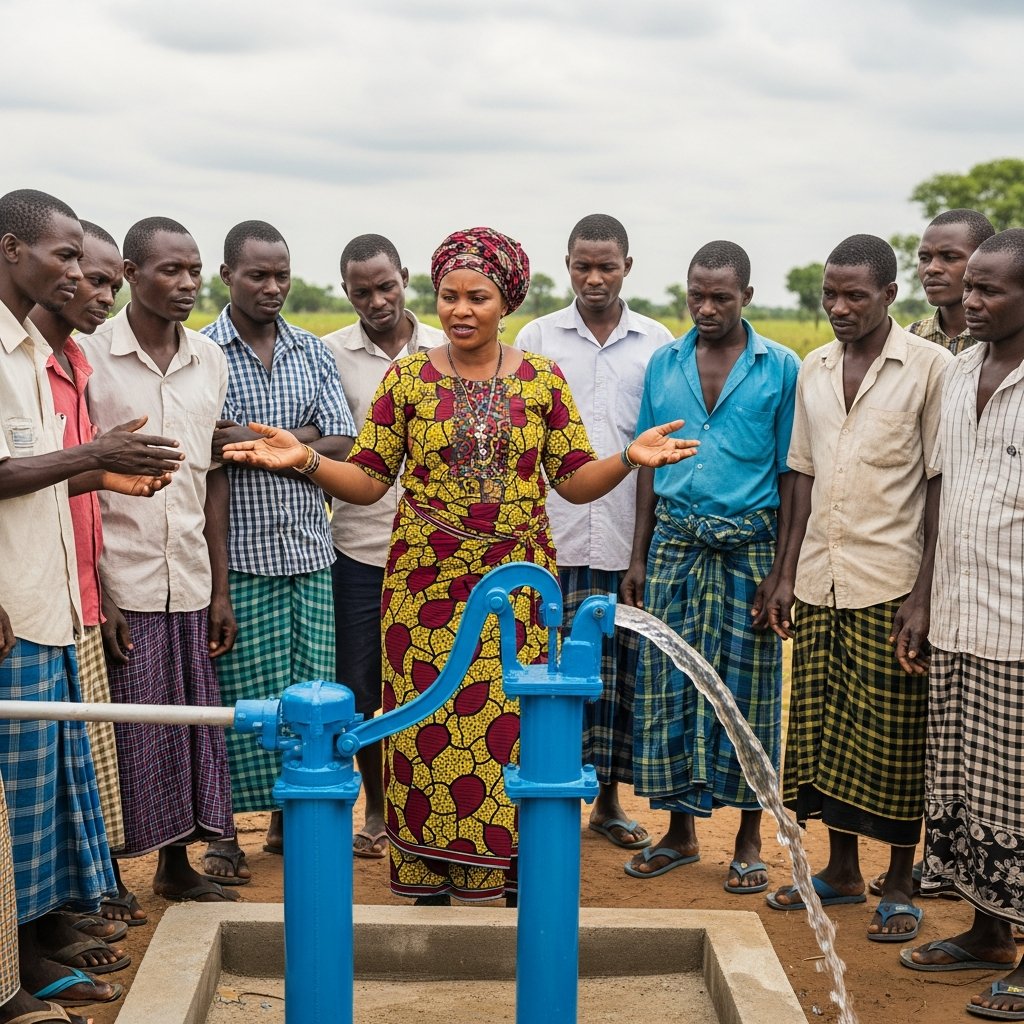
For a long time, water infrastructure projects in developing countries followed a familiar (and often broken) pattern: outside organizations would fund and build a water point, hand it over to local authorities – usually men – and leave. Within a few years, the infrastructure would fail or fall into disrepair, partly because the people who depended on it most had no voice in how it was managed.
Women-led water initiatives have challenged this model in a fundamental way. Programs that train women as water point managers, maintenance technicians, and community organizers produce more durable outcomes. The Water for People organization, WaterAid, and dozens of smaller NGOs have documented this repeatedly: when women are in charge of water systems, systems last longer and serve more people.
Part of this is practical knowledge. Women are the primary water users in most households, which means they understand demand, timing, and failure points better than anyone. But it’s also about accountability. Women managing resources for their own communities have a direct stake in success that outside contractors simply don’t have.
The rise of women-led water initiatives also connects to broader conversations about climate resilience. As extreme weather events like Pakistan’s devastating flash floods displace communities and destroy infrastructure, locally trained women water managers are often the fastest responders – because they live there, they know the land, and they have community trust.
The Climate Connection Nobody Talks About Enough
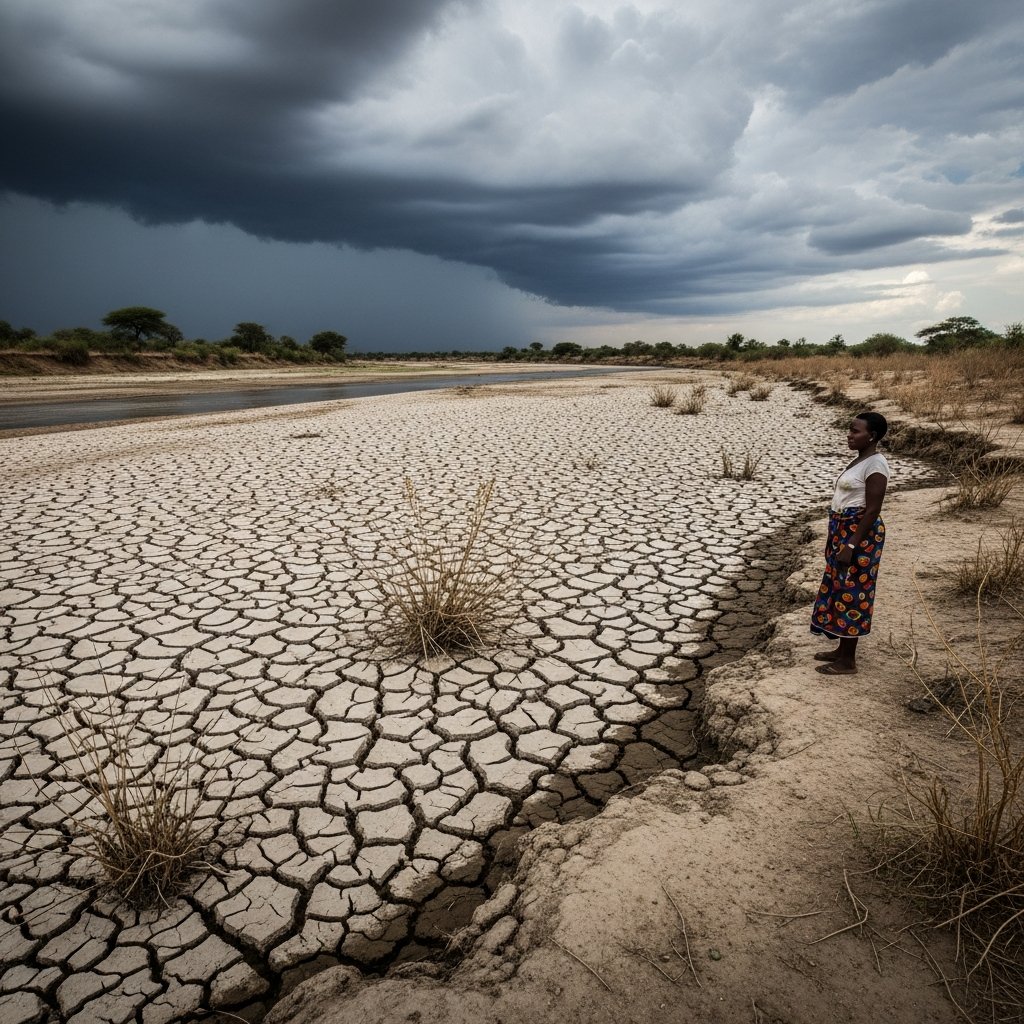
Water scarcity isn’t a static problem. Climate change is actively making it worse. Droughts are lengthening, aquifers are depleting, and seasonal rainfall is becoming unpredictable. The communities hit hardest are almost always the ones with the least political power – and in those communities, the burden falls disproportionately on women.
There’s also a deforestation angle that often goes overlooked. Forests regulate watersheds, maintain soil moisture, and protect springs and rivers. When forests disappear, water sources follow. As explored in depth around how deforestation has become a silent killer linked to massive global health consequences, the destruction of forest ecosystems doesn’t just affect biodiversity – it undermines the natural infrastructure that keeps water available and clean for rural communities.
Sustainable water solutions for women, then, can’t be separated from sustainable land and forest management. These are connected systems. Building a borehole in a community while the surrounding watershed degrades is a short-term fix at best.
The most effective programs now link water access with watershed protection, reforestation, and community-based natural resource management. Women are central to this work, both as beneficiaries and as stewards of local environments.
Technology, Infrastructure, and the Role of Digital Organizing
Solving the global water-gender crisis requires more than wells and pipes – it also requires communication, coordination, and advocacy infrastructure. This is where digital tools, including accessible website platforms for nonprofits and advocacy organizations, play a real role.
Organizations working on accessible water resources and community development increasingly rely on their online presence to raise funds, recruit local partners, share data, and mobilize supporters. A strong digital platform lets a small water nonprofit punch above its weight – reaching donors in London or New York while implementing projects in rural Kenya or Bangladesh.
For nonprofits operating in this space, having a functional, compelling website isn’t a luxury – it’s a core part of the work. Community storytelling, impact reporting, and transparent financials build the trust that turns one-time donors into long-term partners.
This kind of visibility also matters for amplifying women-led voices. When women water managers in rural communities are featured on platforms that reach global audiences, their work gains legitimacy and support that local advocacy alone can’t always generate.
Frequently Asked Questions About Women and Water Access
How much time do women in developing countries spend collecting water?
On average, women and girls in sub-Saharan Africa spend about 40 billion collective hours per year collecting water. Individual women may walk several hours each day depending on their region and season. This time burden directly limits education and economic participation.
How does water scarcity affect women’s health specifically?
- Physical injury from carrying heavy water containers over long distances
- Higher exposure to waterborne illness from using contaminated sources
- Increased risk of assault and harassment along water collection routes
- Complications during pregnancy and childbirth from inadequate clean water access
- Psychological stress from unreliable access to a basic necessity
Is water scarcity getting worse because of climate change?
Yes. Droughts are intensifying, aquifers are being depleted faster than they recharge, and rainfall patterns are shifting unpredictably. Regions already under water stress are becoming more vulnerable, and women in low-income communities bear the greatest burden of these changes. Climate events like extreme heat and flooding further disrupt water infrastructure, as highlighted in reports on record-breaking climate events and their ecological consequences.
Why is water access considered a gender equality issue?
Because the burden of water collection falls almost entirely on women and girls due to cultural norms in many developing regions. This unequal burden limits their time, health, safety, and opportunities. Addressing water access directly addresses gender inequality in a measurable way.
What makes women-led water initiatives more effective?
- Women are primary users and understand system demands and failure points better
- Community trust and accountability are higher when local women are in charge
- Infrastructure maintained by women tends to last longer and serve more households
- Women reinvest benefits into children and community welfare at higher rates
This article is for informational purposes only.
Reference: https://www.earthday.org/water-women-and-the-power-of-access/

Dr. Alexander Tabibi is an entrepreneur, investor, and advocate for sustainable innovation with a deep commitment to leveraging technology for environmental and social good. As a thought leader at the intersection of business and sustainability, Dr. Tabibi brings a strategic vision to Green.org, helping guide its mission to inspire global climate awareness and actionable change.
With a background in both medicine and business, Dr. Tabibi combines analytical rigor with entrepreneurial insight.