
“`html
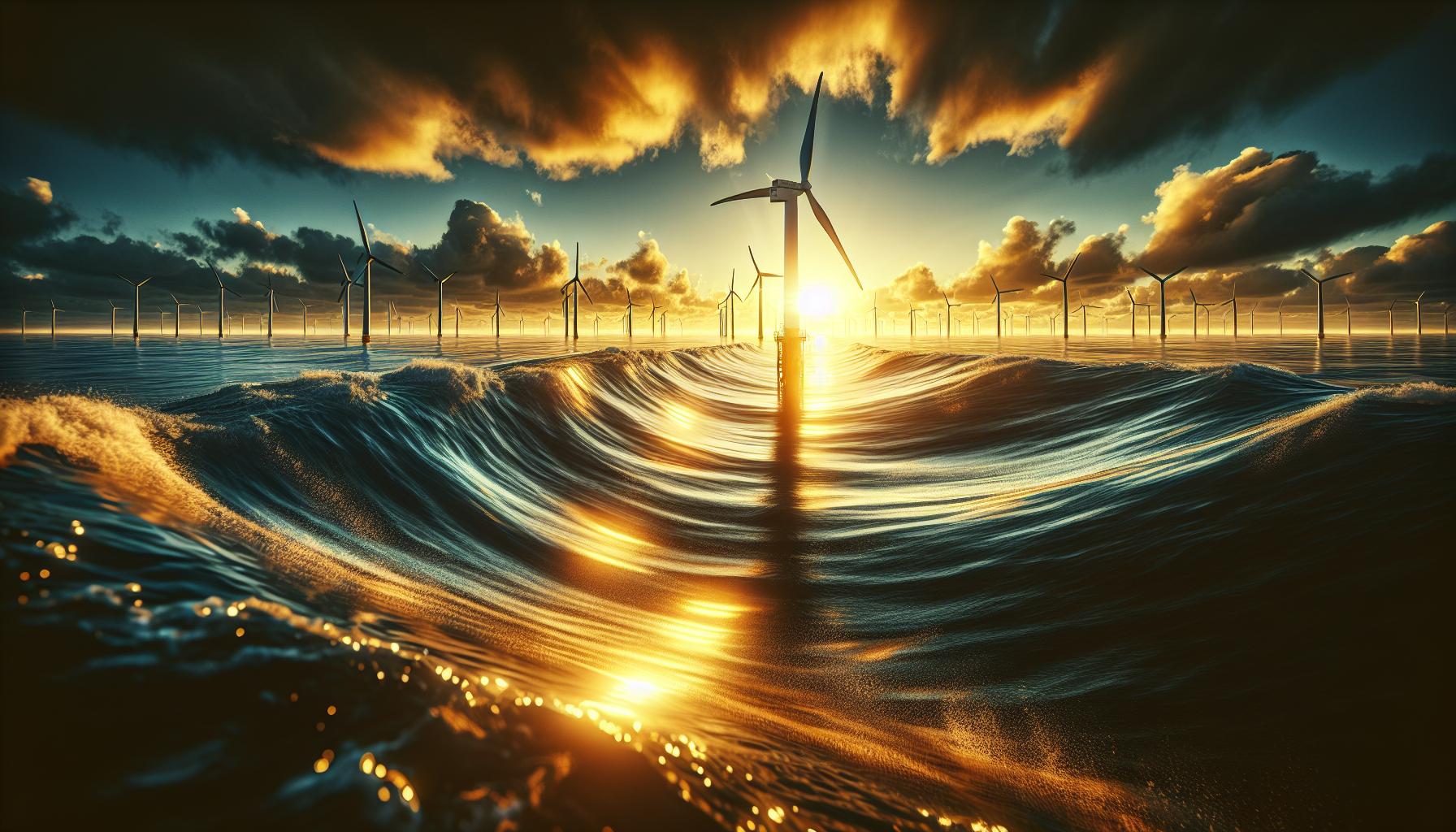
In a move that has stirred environmental and political circles alike, former U.S. President Donald Trump has revoked the designation of millions of acres of ocean previously set aside for wind power development. This decision, which has significant implications for the renewable energy sector, highlights the ongoing tensions between environmental sustainability and policy decisions in the United States. The matter brings into focus not only the future of offshore wind energy but also broader debates over energy policy and environmental stewardship.
Contents
Trump’s Decision: An Overview
The announcement to remove protections for vast oceanic territories originally designated for wind energy has sparked debate. The designation was a part of broader efforts under previous administrations to boost renewable energy resources and reduce reliance on fossil fuels. Offshore wind farms, recognized for their capacity to generate substantial clean energy, were positioned as pivotal in reducing carbon emissions and combating climate change. However, Trump’s decision has halted progress, raising questions about the country’s commitment to green energy initiatives.
Economic vs. Environmental Priorities
At the heart of the issue is a clash between economic interests and environmental sustainability. Advocates of Trump’s decision argue that revoking these designations paves the way for alternative maritime uses, potentially opening up these areas for oil and gas exploration, which they claim could generate revenue and jobs. Conversely, environmentalists and proponents of renewable energy caution that such actions could impede progress towards reducing the nation’s carbon footprint. They emphasize that long-term environmental benefits of renewable energy far outweigh short-term economic gains from fossil fuel extraction.
The Science Behind Offshore Wind Energy
To understand the stakes, it’s crucial to examine how offshore wind energy works. Wind turbines transform the kinetic energy of wind into electrical power through a generator. Offshore wind farms harness stronger, more consistent winds available over the ocean than those found on land. The turbines are anchored to the seabed and connected to power grids onshore via underwater cables. These systems are engineered to withstand harsh marine conditions, presenting both engineering challenges and substantial energy rewards.
Countries like the UK, Germany, and China have invested heavily in offshore wind, recognizing its potential to supply large portions of their energy needs while reducing greenhouse gas emissions. As per the International Energy Agency, offshore wind could meet 11 times the world’s electricity demand by 2050 if properly developed. This energy source not only addresses energy needs but also provides a significant tool in the fight against climate change.
Regulatory and Environmental Impacts
The change in ocean area designations comes amidst an evolving legal and regulatory landscape for energy resources. Policies and protections can fluctuate significantly with administrative changes, creating uncertainty for developers and investors. Environmental regulations, often viewed as barriers by proponents of fossil fuels, are critical safeguards for biodiversity and climate stability. The alteration of these regulations can have lasting impacts on marine ecosystems, which are sensitive to disruptions from both oil extraction and construction of infrastructure like turbines.
Moreover, marine ecosystems, already under threat from rising ocean temperatures and pollution, depend on stable, protected environments. Changes to these protections could exacerbate pressures on these systems, with potential knock-on effects on fisheries, biodiversity, and coastal communities reliant on marine resources.
Global Context and Future Implications
Globally, the shift away from renewable energy could affect the U.S.’s standing in international climate efforts. Nations worldwide are ramping up their commitments to renewable energy as part of the Paris Agreement objectives. Trump’s decisions may put the U.S. at odds with these international trends, impacting global climate negotiations and collaborations.
Looking ahead, future administrations may reverse such decisions, aiming to realign with international efforts and capitalize on the economic and environmental benefits of renewable energy investments. The ongoing debate suggests a need for a balanced approach that considers both immediate economic impacts and long-term environmental sustainability.
Conclusion
The revocation of ocean areas designated for wind power under Trump’s leadership has ignited a complex discussion about the priorities of energy policy in the U.S. This decision underscores the broader challenges faced by renewable energy initiatives amidst fluctuating political landscapes. As the world grapples with the urgent demands of climate change, clear and consistent policies around renewable energy will be pivotal. Stakeholders across sectors must engage in meaningful dialogue to forge paths that support both economic and environmental goals, ensuring a sustainable future for generations to come.
For more details on the nature of these policy changes, you can explore this detailed article on the topic.
“`

Dr. Alexander Tabibi is an entrepreneur, investor, and advocate for sustainable innovation with a deep commitment to leveraging technology for environmental and social good. As a thought leader at the intersection of business and sustainability, Dr. Tabibi brings a strategic vision to Green.org, helping guide its mission to inspire global climate awareness and actionable change.
With a background in both medicine and business, Dr. Tabibi combines analytical rigor with entrepreneurial insight.