
Contents
The Doomsday Glacier: An Icy Giant on the Brink
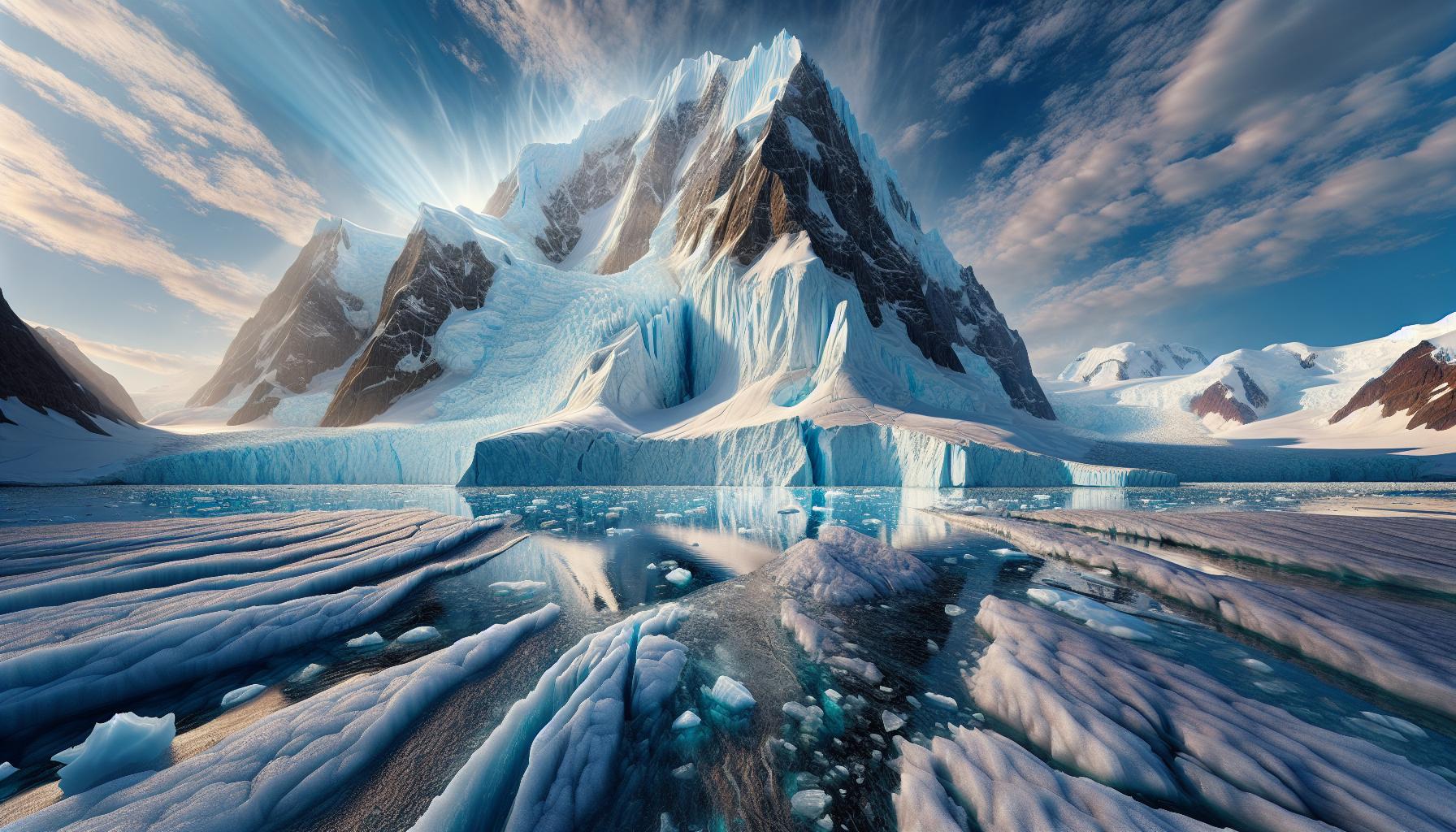
There’s a glacier in Antarctica. A big one. People call it the “Doomsday Glacier.”
Why Doomsday? Well for a start it’s huge – don’t think of a frozen river – thinks of something as big as the UK or Florida.
Its real name? Thwaites Glacier. But why the nickname? Simple: it holds enough ice to raise sea levels by several feet. If it melts, low-lying coastal areas, that’s our cities and homes, could be in deep trouble.
Why Thwaites Matters
Picture this: Thwaites Glacier is almost like a stopper. It holds back ice from going into the sea. If it goes, other ice could follow. Basically, it’s a guardian. When scientists talk about climate change, Thwaites often gets mentioned. Why? It’s melting faster than many other glaciers as studies show. And it’s not just the surface that’s melting. Warm ocean currents are eating away at it from below – accelerating its dissolution.
How It All Works
Let’s break it down. Global warming is causing the Earth’s temperature to rise, and our oceans to warm up too. These warm waters then creep underneath the glacier, thinning its base. Over time, this weakening can cause pieces of the glacier to break off into the ocean, adding to sea levels. According to scientific observations, that’s already happening at Thwaites and other glaciers.
Glacier Shrinkage and Sea Level Rise
Already, many cities are at sea level, like Shanghai, New York and London. If sea levels rise by even a couple of feet, millions of people might have to move. That’s a lot of homes and businesses at risk. The problem? Rising waters can damage infrastructure, like roads and bridges, leading to big costs for repairs. Not to mention, it can hurt ecosystems living along the coast.
What’s Being Done?
People all around the world are looking for solutions. Scientists are working hard to figure out what’s happening with Thwaites. They’re using satellites up in space, and even visiting it in person. Imagine all that gear needed to study this icy giant! There’s an international team called the International Thwaites Glacier Collaboration looking into it. They monitor changes, try to predict future behaviors, and think of ways to prevent major melt-offs. Another way people are tackling the issue is by reducing greenhouse gases, cutting down on pollution, and trying to slow global warming.
Tech to the Rescue?
Could technology help save Thwaites? Some believe it can. Renewable energy, like wind and solar power, reduces our need to burn fossil fuels, which means less pollution. Electric cars are another great idea since they don’t give off exhaust fumes that contribute to the problem. Efficient buildings, better waste management, it all adds up in the fight against global warming. These aren’t small issues we’re confronting. It’s big stuff, but these steps do make a difference.
The Importance of Awareness
But it’s not just up to scientists and policymakers. Getting the word out about Thwaites and glaciers, in general, is vital. Schools include climate studies in their curriculum, towns hold events to spread awareness, and media groups deliver the news to homes worldwide. When everyone knows what’s at stake, more people can rally to create change. If more people push for environmentally-friendly policies and products, industries start listening.
Concluding Thoughts on Thwaites
So, what now? Thwaites Glacier is a reminder. A wake-up call for all of us. It’s not just an icy giant sitting quietly in Antarctica. It’s a symbol of Earth’s current state. Our planet needs attention, and that attention can come from anyone, anywhere. Understanding the challenges and potential solutions brings everyone a little closer to saving not just the glaciers but our future, too.
For those eager to dive deeper into the topic, this reference link discusses more about ‘smart energy solutions‘ and initiatives worldwide that are making a substantial impact.

Dr. Alexander Tabibi is an entrepreneur, investor, and advocate for sustainable innovation with a deep commitment to leveraging technology for environmental and social good. As a thought leader at the intersection of business and sustainability, Dr. Tabibi brings a strategic vision to Green.org, helping guide its mission to inspire global climate awareness and actionable change.
With a background in both medicine and business, Dr. Tabibi combines analytical rigor with entrepreneurial insight.