
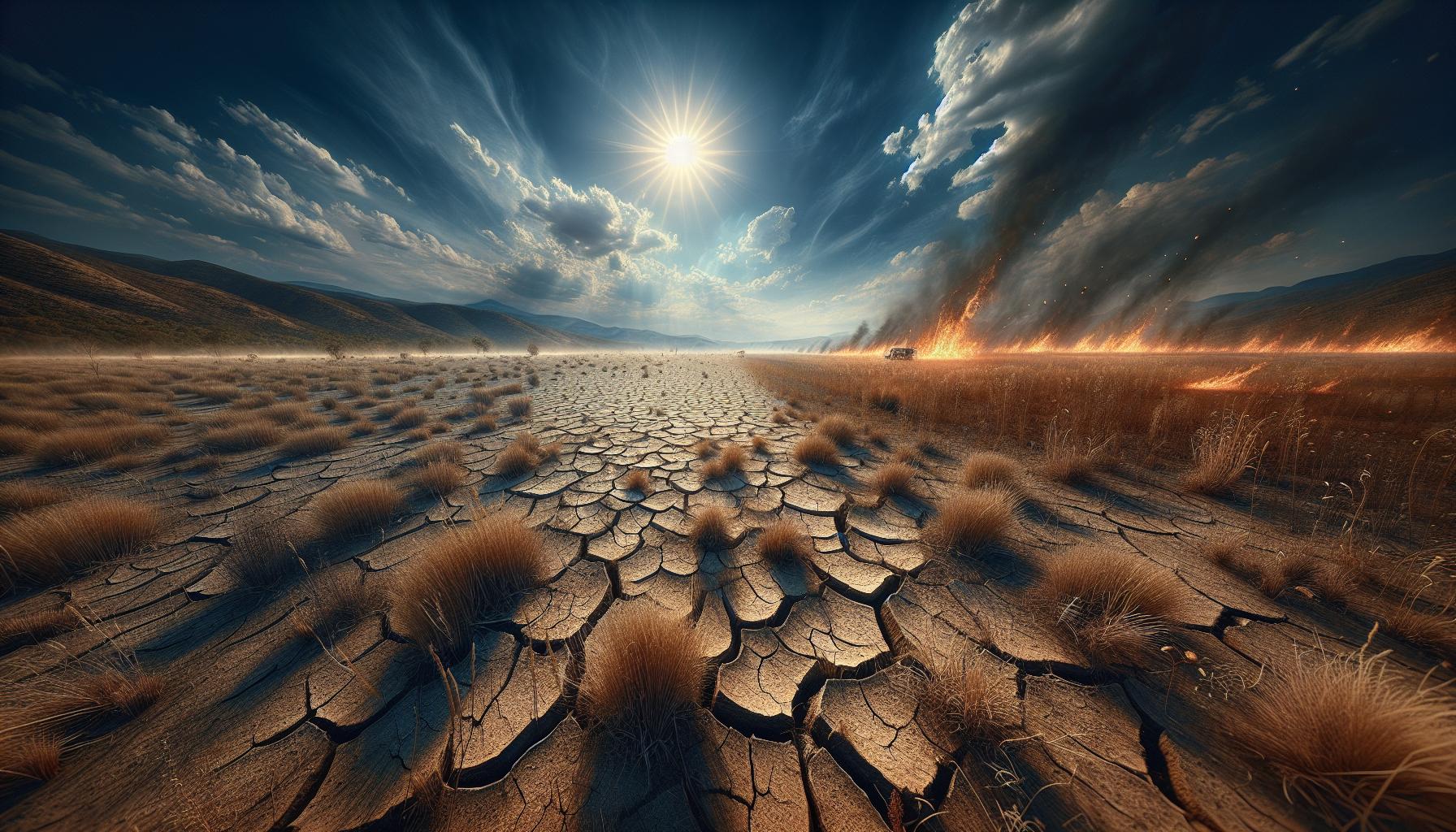
Europe recently experienced its hottest year on record, and the effects were nothing short of catastrophic. Indeed the highest temperature ever recorded in Europe was 48.8°C (119.8°F) in Floridia, Sicily, Italy 🇮🇹 on August 11, 2021
Indeed the official highest temperature ever recorded in Europe was 48.8°C (119.8°F) in Floridia, Sicily, Italy 🇮🇹 on August 11, 2021 and verified by the Italian Meteorological Service and later confirmed by the World Meteorological Organization (WMO).
I’ve been visiting Italy on and off in the summers since childhood and what is sure is that the summers of today are not those of the past. In fact people speak of the end of the Southern European summer vacations due to the insufferable heat, scorched landscapes, droughts, dried up water sources, and wildfires which consume vast tracts of land.
For many, it feels like nature is sending a powerful message—a wake-up call urging us to address the pressing issue of climate change head-on. But how exactly did this extreme weather come about, and what can be done to mitigate such events?
The Science Behind the Heat
 🔥 1. Heat Domes from North Africa
-
Source: Hot, dry air masses form over the Sahara Desert.
-
Mechanism: These air masses get pushed northward into Europe by subtropical high-pressure systems.
-
Effect: The descending air compresses and heats up, trapping heat over Southern Europe in a “heat dome” – like putting a lid on a pot.
Example: In summer, the Azores High shifts eastward and strengthens, drawing up Saharan air.
🌊 2. Warmed Mediterranean Sea
-
As the Mediterranean Sea heats up, it adds moisture and heat to the lower atmosphere.
-
This can amplify humidity and nighttime temperatures, making heatwaves longer and more unbearable.
-
Warmer sea surface temperatures also delay the cooling period at night, meaning less recovery time.
-
🌍 3. Climate Change
-
Europe is one of the fastest-warming continents globally.
-
Baseline temperatures are higher, so heatwaves are more likely to break records.
-
Recent studies suggest the 2021 Sicily record would have been nearly impossible without human-induced climate change.
🌀 4. Atmospheric Blocking Patterns
-
Jet streams can get “stuck” in certain configurations.
-
These blocking patterns trap hot air over Europe for days or even weeks.
-
Without moving systems to break them up (like storms), the heat just intensifies.
Extreme Weather Events: A Closer Look
During Europe’s hottest year, the region saw a surge in extreme weather events. For instance, a fierce heatwave swept across Western Europe, causing temperatures in some areas to soar beyond the 40°C mark. Such intense heat can be dangerous, leading to health complications like heatstroke and exacerbating existing medical conditions.
Additionally, the lack of rainfall led to drought conditions, forcing many regions to declare states of emergency. Water scarcity became a pressing issue, especially in rural areas relying on agriculture, which highlights the interconnectedness of weather, environment, and human livelihood. In places like Portugal and Spain, widespread wildfires caused by dry and hot conditions devastated forests and forced evacuations. For those interested in the technical aspects of climate variability, further information can be found on related Wikipedia articles.
The Role of Sustainability and Innovation
Addressing the root causes of climate change requires innovative solutions. One of the most promising areas is renewable energy. Sources like solar, wind, and hydroelectric power have the potential to significantly reduce greenhouse gas emissions. According to recent data on renewable energy trends, countries across Europe are leading the charge by investing in renewable infrastructure, with some regions managing to generate the majority of their electricity needs through renewable means.
Another critical area is energy efficiency. Innovative technologies, such as smart energy management systems, can help optimize energy use in homes and businesses. This technology involves using advanced algorithms and sensors to reduce unnecessary energy consumption without sacrificing comfort. For those interested in exploring smart energy solutions in-depth, the Wikipedia entry on smart grids offers a comprehensive overview.
Policy, Politics, and Public Action
Political action is paramount for fostering a shift toward sustainable practices. By implementing policies that support green energy and crack down on pollution, governments can play a crucial role in shaping a more sustainable future. For instance, the European Union’s Green Deal aims to make Europe the first climate-neutral continent by 2050. This extensive policy framework features a range of initiatives designed to cut emissions, promote cleaner energy, and preserve biodiversity.
However, achieving such goals requires public support. Awareness campaigns and educational programs are essential tools for igniting public interest and encouraging sustainable practices on a personal level. To explore the political intricacies and aims of these initiatives, the official page on the European Green Deal provides extensive information.
The Health Implications of Climatic Shifts
The impact of climate change is not limited to the environment—it’s also a major public health concern. As temperatures rise, so too does the prevalence of heat-related illnesses. Moreover, air quality tends to deteriorate during hot weather, exacerbating respiratory conditions like asthma. In extreme cases, heatwaves can increase the mortality rates among vulnerable populations, such as the elderly and those with pre-existing health conditions.
On a brighter note, green spaces—areas rich in vegetation—provide natural cooling and help improve air quality. Such spaces not only reduce urban heat but also offer physical and mental health benefits. Public health organizations are advocating for more green areas in urban settings, which could help mitigate the impact of heatwaves significantly. Explore further on how climate impacts health via the Wikipedia entry on climate change and public health.
A Call to Action: Embracing a Sustainable Future
While Europe’s hottest year serves as a stark reminder of the dangers posed by climate change, it also highlights the urgency of adopting sustainable practices. From individual actions like better waste management and energy conservation to larger-scale solutions like green energy transitions, every effort counts in combating climate change.
It is crucial to view these challenges as opportunities for growth and innovation. Our response to these environmental changes could redefine how we live, work, and relate to our planet. The journey toward sustainability relies heavily on the choices we make today, paving the way for a safer, greener future for generations to come.
Additional and related information can be referenced in this Bloomberg article covering Europe’s climatic challenges and responses.

Dr. Alexander Tabibi is an entrepreneur, investor, and advocate for sustainable innovation with a deep commitment to leveraging technology for environmental and social good. As a thought leader at the intersection of business and sustainability, Dr. Tabibi brings a strategic vision to Green.org, helping guide its mission to inspire global climate awareness and actionable change.
With a background in both medicine and business, Dr. Tabibi combines analytical rigor with entrepreneurial insight.