
Written by Dr. Kevin Welch
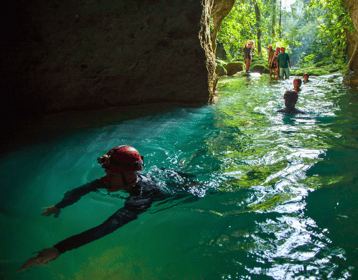
As an epidemiologist with a background in human biology and medical anthropology, I’ve long been captivated by how ancient environments and cultures inform our understanding of long-term change. My visit to the Actun Tunichil Muknal (ATM) Cave in Belize—a UNESCO World Heritage Site often hailed as one of the most sacred Mayan archaeological sites—was a profoundly humbling experience that reinforced the intersection of science, culture, and the pressing need for sustainable tourism.
The ATM Cave: A Portal to the Past
The ATM Cave, nestled in the lush jungles of Belize, is a time capsule of Mayan civilization. Its chambers hold remnants of a world deeply intertwined with nature—ceremonial artifacts, pottery, and even human remains used in sacred rituals over a thousand years ago. These relics, preserved in situ, offer invaluable archaic records that bridge the gap between ancient practices and modern understanding of human-environment interactions.

Walking through the cave, I was struck by its eerie beauty and delicate state. The act of wading through rivers, climbing rocks, and finally entering the cave’s heart was more than an adventure; it was a confrontation with humanity’s ancient relationship with ecosystems—how they thrived, adapted, and sometimes overused their resources.
For a medical anthropologist, the artifacts and skeletal remains also serve as an important record of health and disease. They tell stories of drought, famine, and stressors that may have contributed to the Mayan civilization’s decline. Such records provide invaluable clues about resilience and vulnerability—insights critical to tackling modern sustainability challenges.
Sustainable Tourism: A Fragile Balance
The ATM Cave exemplifies the paradox of sustainable tourism. It is a stunning natural and cultural site, yet every step we take inside impacts its preservation. Strict rules—like no shoes or cameras—ensure that visitors tread lightly, but the real challenge lies in managing human presence while allowing access to its profound heritage. Without such precautions, the fragile stalactites, ancient artifacts, and even the ecosystem of the cave could be irreversibly damaged.
Preservation here is not just about safeguarding the past but ensuring that future generations can study and appreciate these sites. As an epidemiologist, I see a parallel in how we manage public health: prevention is often less costly and more effective than restoration after damage has been done. Similarly, ecotourism initiatives must balance access with responsibility, ensuring that sites like the ATM Cave are not victims of their own popularity.
The Role of Archaic Records in Understanding Sustainability
Archaic records, like those preserved in the ATM Cave, are critical in understanding what is and isn’t sustainable over time. Ancient data can reveal patterns of climate change, resource use, and societal collapse, offering lessons for our current ecological crisis. For instance, skeletal remains and artifacts in the cave suggest a society that responded to climatic and environmental stressors through ritual practices—evidence of cultural adaptation, but also of limits reached.
This knowledge underscores why preservation is paramount. Just as epidemiologists study the long-term impacts of diseases to forecast future outbreaks, we must study and protect ancient records to understand the long-term effects of human activity on the planet. These records provide a baseline, allowing us to measure how our interventions—whether in agriculture, water management, or tourism—affect sustainability.
Advocacy Through Action: A Call to Preserve
Organizations like Green.org, where sustainability meets actionable impact, are vital in advocating for such preservation. By promoting sustainable tourism practices and public awareness, they ensure that natural and cultural treasures like the ATM Cave are not just protected but celebrated in ways that honor their significance.
My journey through the ATM Cave reminded me of the delicate balance between exploration and preservation. As we confront the challenges of climate change and resource depletion, it’s critical to advocate for ecotourism that respects both the past and the future. The lessons of the ATM Cave—etched in stalactites and bones—are not just historical artifacts; they are warnings and guides for building a truly sustainable world.
Let us embrace these lessons, and through sustainable tourism, science, and advocacy, honor the past while ensuring a thriving future.

Dr. Alexander Tabibi is an entrepreneur, investor, and advocate for sustainable innovation with a deep commitment to leveraging technology for environmental and social good. As a thought leader at the intersection of business and sustainability, Dr. Tabibi brings a strategic vision to Green.org, helping guide its mission to inspire global climate awareness and actionable change.
With a background in both medicine and business, Dr. Tabibi combines analytical rigor with entrepreneurial insight.