
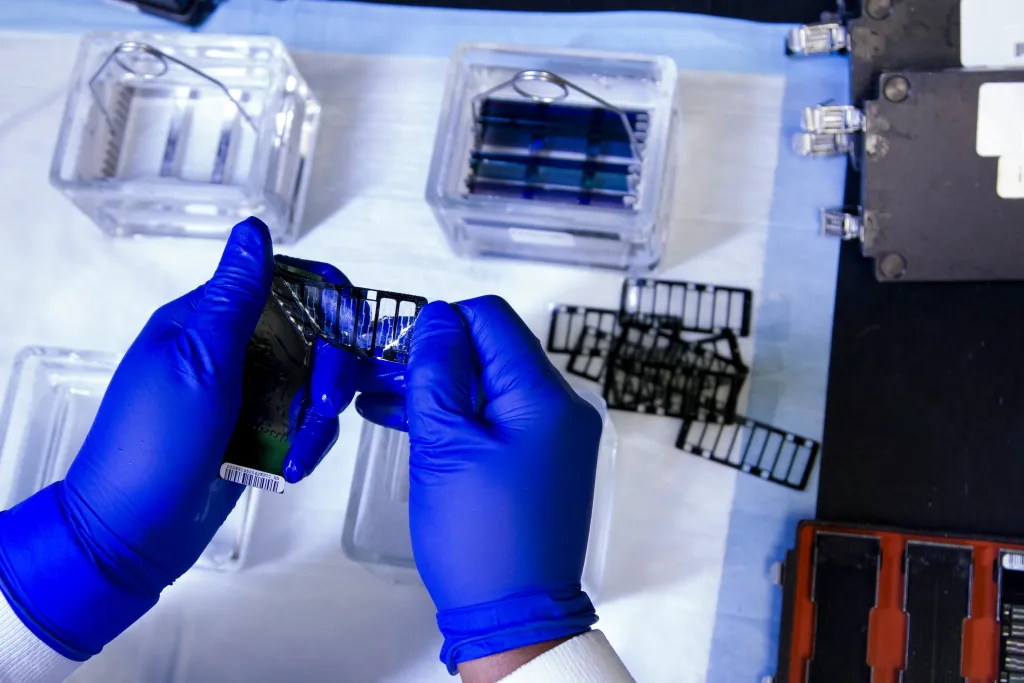
Biotechnology is revolutionizing industries, from healthcare to agriculture, offering solutions to some of humanity’s most pressing challenges. This transformation has created a surge in demand for skilled professionals who can innovate and lead in this dynamic field. For students, pursuing biotech education means stepping into a future filled with possibilities and impact.
As this field grows, many students face challenges like mastering technical concepts, completing complex assignments, and preparing for rigorous academic milestones. Seeking guidance and resources can make all the difference. A dissertation defense mentor like EssayPro – academic writing services can provide invaluable support, ensuring students succeed academically and professionally.
Contents
The Role of Education in Shaping Future Biotech Innovators
Why Biotechnology Education Matters
Biotechnology combines biology, technology, and innovation, making it a critical field for solving global issues like disease, food scarcity, and environmental sustainability. However, excelling in biotech requires more than attending college or studying hard—it demands a commitment to lifelong learning, problem-solving, and collaboration.
In schools and colleges, students learn the basics of biology, chemistry, and mathematics. However, biotech education takes these foundational subjects further, requiring hands-on learning experiences, research projects, and advanced assignments. These experiences prepare students for the real-world challenges they’ll face in the industry.
Challenges Students Face
Students in biotech programs often grapple with:
- Difficult Coursework: Subjects like molecular biology and genetic engineering can be intimidating.
- Time Management: Balancing homework, assignments, and research work can overwhelm even the most dedicated learners.
- Limited Resources: Access to lab facilities and expert mentors isn’t always guaranteed.
With proper guidance, support systems, and the right mindset, students can overcome these hurdles and thrive.
Key Steps to Excel in Biotech Education
Building a Strong Academic Foundation
Biotech students need a solid grasp of basic sciences. Here’s how:
- Master Core Subjects: Focus on biology, chemistry, and mathematics in school and college.
- Engage in Practical Learning: Participate in lab sessions and science fairs to gain hands-on experience.
- Collaborate with Peers: Form study groups to tackle assignments and homework more effectively.
Developing Research and Analytical Skills
Biotech is a research-driven field. To succeed, students should:
- Work on Mini Projects: Start small research projects during college to build confidence.
- Practice Scientific Writing: Improve skills by working on assignments and learning how to draft research papers.
- Seek Mentorship: Guidance from professors or industry professionals can enhance learning.
The Importance of Assignments in Biotech Learning
Assignments are integral to biotech education as they help students understand theoretical concepts and their practical applications. Key benefits include:
- Skill Development: Working on assignments sharpens critical thinking and analytical skills.
- Knowledge Application: Students learn to connect textbook theories with real-world problems.
- Time Management: Handling multiple assignments teaches prioritization and efficiency.
Tips for Managing Assignments
- Plan Ahead: Divide tasks into manageable sections and set deadlines.
- Use Reliable Resources: Refer to academic books, journals, and online platforms.
- Seek Help When Needed: Don’t hesitate to consult teachers or peers for clarification.
How Schools and Colleges Can Support Students
Providing Adequate Resources
Educational institutions play a pivotal role in supporting students. They can:
- Offer access to well-equipped labs and research facilities.
- Introduce biotech clubs and extracurricular activities.
- Provide career counseling to guide students in choosing biotech specializations.
Encouraging Collaborative Learning
Group projects, workshops, and internships can foster collaboration and teamwork among students. These activities also enhance their communication skills, a vital trait for future biotech innovators.
Balancing Academic Demands with Personal Growth
Managing Stress and Maintaining Focus
Studying biotech can be demanding. Students should adopt strategies like:
- Practicing Time Management: Use tools like planners or apps to organize tasks.
- Taking Breaks: Regular breaks prevent burnout and improve focus.
- Seeking Support: Talking to mentors, counselors, or friends can alleviate academic stress.
Gaining Practical Experience
Internships and volunteer opportunities in biotech companies allow students to apply their knowledge in real-world settings. Such experiences often lead to clearer career goals and better job prospects.
Conclusion
Biotech education is a gateway to a future filled with possibilities. By focusing on foundational learning, practical experience, and skill development, students can prepare to become leaders in innovation. Resources like online nursing assignment help ensure they have the support they need to excel academically and professionally.
Investing in biotech education today not only bridges the gap for students but also paves the way for groundbreaking solutions that will shape our world tomorrow.

Dr. Alexander Tabibi is an entrepreneur, investor, and advocate for sustainable innovation with a deep commitment to leveraging technology for environmental and social good. As a thought leader at the intersection of business and sustainability, Dr. Tabibi brings a strategic vision to Green.org, helping guide its mission to inspire global climate awareness and actionable change.
With a background in both medicine and business, Dr. Tabibi combines analytical rigor with entrepreneurial insight.