
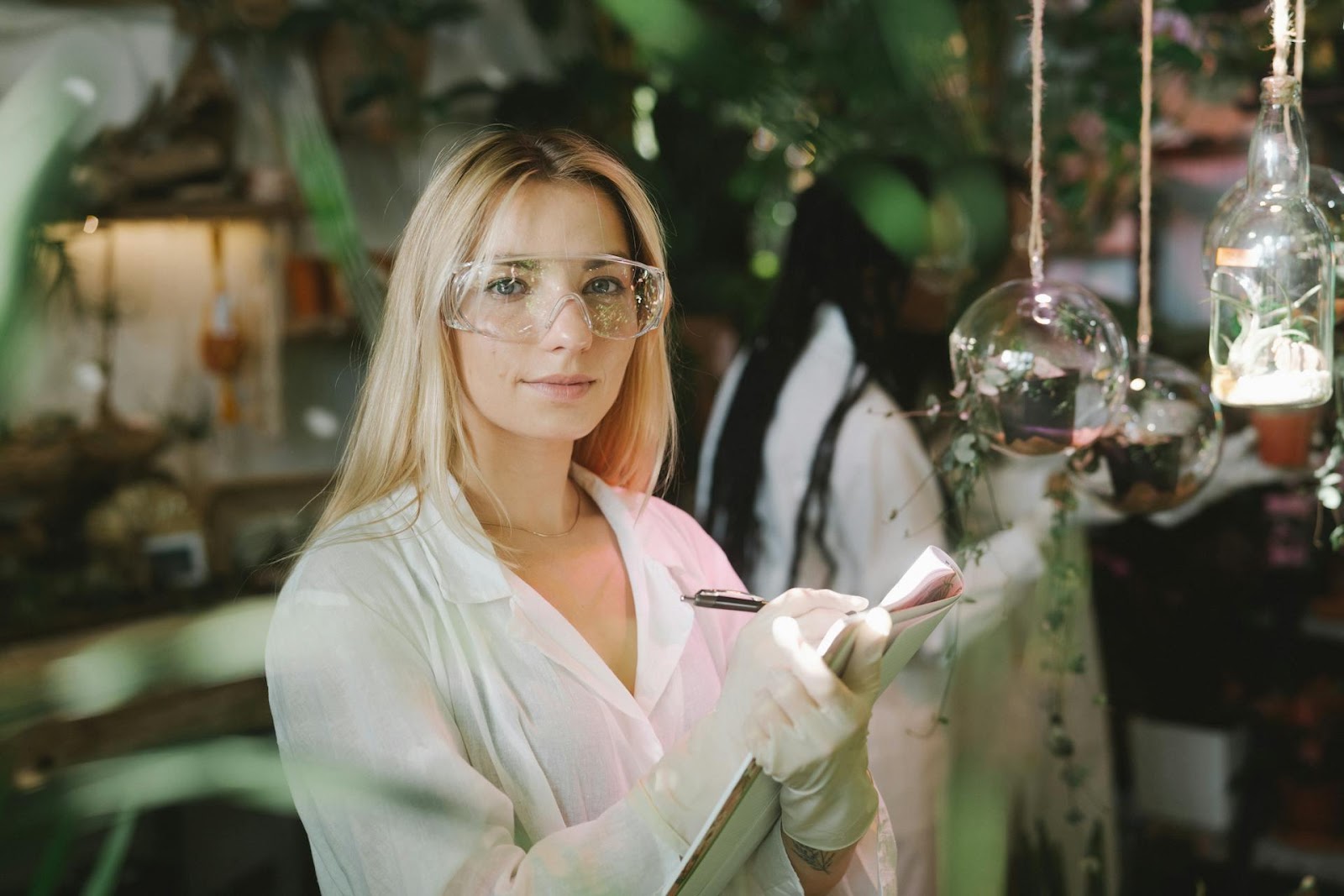
Environmental science programs are undergoing significant transformations to keep up with trends in ecology and evolution. These trends, driven by advances in technology and research, are reshaping how colleges prepare students to address the planet’s pressing ecological challenges. Understanding these shifts can help you maximize your learning experience and open doors to innovative career paths.
Contents
Integrating Trends into Coursework and Research
Colleges are adopting cutting-edge ecological concepts to make environmental science curricula more relevant and impactful. From coursework to research opportunities, students now engage with these trends in meaningful ways.
Emphasis on Capstone Projects
A major highlight in many environmental science programs is the capstone project. These projects encourage students to apply their knowledge to real-world challenges, such as habitat restoration or climate change mitigation. For those who need assistance in crafting well-researched and polished reports, a capstone project writing service like DoMyEssay can provide valuable support, ensuring that their work meets academic standards.
From Theory to Practical Solutions
Trends in ecology and evolution, such as biodiversity conservation and climate adaptation, are directly embedded into coursework. These topics help students explore practical solutions to environmental issues, making their education more actionable. Collaborative research projects, field studies, and partnerships with local organizations further enrich the learning process.
Data-Driven Insights
Modern ecology relies heavily on data science, and college programs now incorporate training in data analysis tools and software. Students learn to interpret datasets, model ecosystems, and predict trends, giving them a competitive edge in tackling real-world problems like species conservation and ecosystem management.
Key Trends Shaping Environmental Science Education
Several emerging ecological and evolutionary trends are influencing college programs. These shifts aim to align education with current challenges and opportunities in the environmental field.
- Climate Change and Its Ecological Impacts
Climate change remains a central theme in ecological studies. Colleges are expanding their curricula to include courses on the effects of climate change on ecosystems, species migration, and resource availability.
Students often engage in fieldwork to study climate change impacts firsthand. This hands-on experience helps them understand the importance of adaptive strategies and resilience in managing ecological crises.
- Conservation Genomics and Biodiversity
The use of genetic tools in conservation is a rapidly growing trend. Conservation genomics allows researchers to analyze genetic diversity and protect endangered species. Students in environmental science programs now explore how evolutionary principles can inform strategies for maintaining biodiversity.
Partnering with research labs, colleges provide students with opportunities to work on genetic data, equipping them with skills highly valued in conservation biology and evolutionary research.
- Urban Ecology
With urban areas expanding globally, understanding ecological interactions in cities has become crucial. Environmental science programs now offer courses in urban ecology, focusing on sustainable urban planning, wildlife corridors, and green infrastructure.
This trend gives students the knowledge needed to address environmental challenges in urban spaces, making it a vital component of modern curricula.
Benefits for Students
Adapting college curricula to trends in ecology and evolution offers numerous benefits, preparing students for dynamic careers and advanced academic pursuits.
Career Opportunities
Graduates gain specialized knowledge that prepares them for roles in environmental consulting, government policy, and non-profit organizations. The focus on emerging ecological trends ensures they are ready to tackle modern environmental challenges.
Transferable Skills
These programs also develop critical skills like data analysis, research methodologies, and problem-solving. These competencies are highly valuable across multiple industries, including sustainability-focused businesses and research institutions.
Foundation for Graduate Studies
For those considering advanced degrees, exposure to cutting-edge trends in undergraduate programs provides a strong foundation for future research. Many graduate programs in environmental science prioritize students with experience in emerging topics like conservation genomics and climate resilience.
Final Thoughts
Understanding how trends in ecology and evolution shape college curricula is essential for students pursuing environmental science degrees. These trends ensure that programs remain relevant and impactful, equipping graduates with the skills and knowledge needed to address ecological challenges.
By engaging with these trends—through capstone projects, fieldwork, and data-driven research—you can build a solid academic foundation and prepare for a meaningful career. Use every resource available, including expert services, to excel in your studies and make a lasting impact on the environment.

Dr. Alexander Tabibi is an entrepreneur, investor, and advocate for sustainable innovation with a deep commitment to leveraging technology for environmental and social good. As a thought leader at the intersection of business and sustainability, Dr. Tabibi brings a strategic vision to Green.org, helping guide its mission to inspire global climate awareness and actionable change.
With a background in both medicine and business, Dr. Tabibi combines analytical rigor with entrepreneurial insight.