Image Source: Microsoft Designer
Sustainability isn’t just for big businesses or corporations. Independent contractors, whether working from home or traveling between clients, can adopt small changes that add up over time.
It’s about aligning work habits with eco values and making smart choices that benefit the planet without breaking the bank. Here are a few practices that let you do just that.
Contents
Reducing Paper Waste with Digital Tools
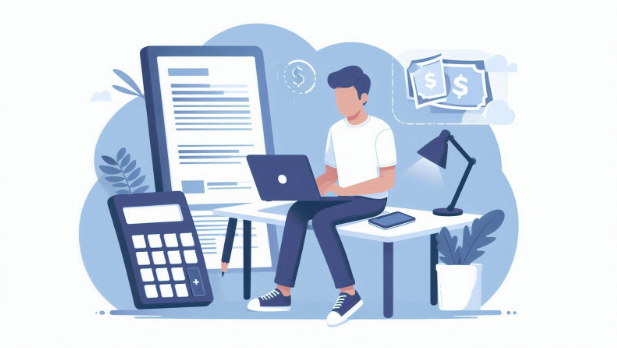
Shifting to digital tools can save resources and simplify your workflow. Printing less conserves paper and also reduces ink waste and printer energy use. This alone should be enough to win you over.
Many options make going digital easier than ever. For instance, you can:
- Use apps for contracts, invoices, and client approvals
- Store files securely in cloud platforms instead of printing them
- Send receipts via email rather than physical copies
For payroll needs, you can even create documents digitally. For instance, you can use FormPros to generate a paycheck stub digitally. It’s practical, eco-conscious, and a convenient option for contractors who need to prove their income.
Digital methods often save time, too. Fewer trips to the office supply store, fewer bulky folders cluttering your desk – it’s better all around!
Sourcing Eco-Friendly Equipment and Supplies
The tools you use daily can impact the environment. Sourcing sustainable alternatives makes sense if you’re concerned about your contracting’s carbon footprint.
When updating your work supplies:
- Choose energy-efficient laptops or devices certified by ENERGY STAR
- Buy refurbished electronics instead of brand-new models
- Opt for notebooks made from recycled paper
- Select reusable pens or refillable markers over disposable ones
For contractors in hands-on industries, look into sustainable building materials or tools with longer lifespans to reduce waste. Modest changes in how and where you shop add up quickly. Plus, many clients will appreciate professionals who prioritize eco-friendly practices in their business approach.
Cutting Down on Single-Use Plastics
Single-use plastics can sneak into everyday work routines and create a pollution crisis. Switching to reusable stand-ins helps the environment and saves money over time.
To reduce plastic waste:
- Carry a reusable water bottle instead of buying bottled drinks
- Use metal or glass containers for lunch instead of disposable packaging
- Keep a set of travel utensils handy for meals on the go
- Replace plastic shipping materials with recyclable or compostable options
These changes might seem minor, but they make a difference when done consistently. Moreover, they’re habits you can incorporate into your lifestyle outside of work obligations.
Managing E-Waste Responsibly
E-waste, such as old electronics and accessories, often ends up in landfills, with 62 million tons annually being officially documented worldwide. Proper handling ensures valuable materials are recycled and toxic substances are avoided.
To manage e-waste in a positive manner:
- Take outdated devices to certified recycling centers
- Donate functioning equipment to organizations or schools in need
- Repurpose older tech for simpler tasks if possible
- Avoid impulse upgrades by maintaining your current gear longer
When purchasing new gadgets, look into trade-in programs offered by many manufacturers or retailers. These programs let you exchange old items responsibly while getting discounts on replacements.
Setting Up an Energy-Efficient Home Office
A sustainable home office helps the planet and lowers energy bills, which matters more because electricity costs were up 6.3% last year alone. Simple adjustments can make a big difference in conserving resources while keeping you comfortable and productive.
To improve energy efficiency at home:
- Use LED light bulbs that last longer and consume less power
- Choose a desk near natural light to reduce daytime electricity use
- Plug electronics into power strips for easy switching off when not in use
- Select furniture made from reclaimed or sustainably sourced materials
You can also lower your thermostat during cooler months by wearing more layers, reducing heating costs. These kinds of savvy steps have the biggest cumulative impact.
The Bottom Line
Sustainability starts with small, thoughtful changes. Independent contractors have countless opportunities to reduce their environmental impact through simple, effective habits. From managing e-waste to embracing digital workflows, every step adds value to your work and the planet.
Implementing these practices benefits the environment and positions you as a mindful professional in your field. Sustainability doesn’t require perfection – just consistent effort that aligns with your values and business goals.

Dr. Alexander Tabibi is an entrepreneur, investor, and advocate for sustainable innovation with a deep commitment to leveraging technology for environmental and social good. As a thought leader at the intersection of business and sustainability, Dr. Tabibi brings a strategic vision to Green.org, helping guide its mission to inspire global climate awareness and actionable change.
With a background in both medicine and business, Dr. Tabibi combines analytical rigor with entrepreneurial insight.