
Cities around the world grapple with growing populations and increased traffic, leading to heightened concerns over road safety and environmental impact. Traditional modes of transportation contribute significantly to pollution and congestion, creating a pressing need for sustainable transit solutions.
As urban areas expand, innovative approaches to transportation become essential not only for reducing carbon footprints but also for enhancing safety on our roads. By adopting cleaner technologies and smarter infrastructure design, we can mitigate risks associated with dense traffic.
Contents
- 1 Electric Vehicles Could Reduce Road Accidents Because They Have a Structural Advantage
- 2 Solar-Powered Transport Solutions Can Contribute to a Safer Driving Environment
- 3 Railways Help to Ease Traffic Conditions
- 4 Car Sharing Reduces Vehicle Numbers on the Road – Which Decreases Accident Rates
- 5 Urban Design Impacts Sustainable Transit Safety
Electric Vehicles Could Reduce Road Accidents Because They Have a Structural Advantage
Electric vehicles (EVs) operate using electricity instead of fossil fuels, making them sustainable by reducing emissions and utilizing renewable energy sources for charging. This transition helps cut air pollution significantly.
In terms of road safety, EVs have a structural advantage: they usually feature a lower center of gravity. Their heavy battery packs are positioned along the floor, which stabilizes the vehicle during turns or sudden maneuvers. This design reduces the likelihood of rollovers compared to traditional internal combustion engine vehicles.
The improved stability enhances driver control and increases overall safety for passengers. As more EVs hit the roads, this inherent design feature contributes to safer driving conditions across various environments.
In turn, rollover accidents that result in a variety of injuries – and even miscarriages among pregnant women – can be reduced.
(Incidentally, if the car accident causes a miscarriage, make sure you consult an experienced lawyer, as you may be able to build a strong case against the at-fault party and claim compensation.)
Solar-Powered Transport Solutions Can Contribute to a Safer Driving Environment
Solar-powered transit solutions utilize the sun’s energy, cutting down reliance on fossil fuels and reducing emissions that can impair visibility and respiratory health. By improving air quality, these systems contribute to a safer driving environment.
These solutions often involve smart technology integration like solar-powered street lights and signage. These provide better illumination at night without the environmental cost of traditional lighting methods, enhancing nighttime road safety.
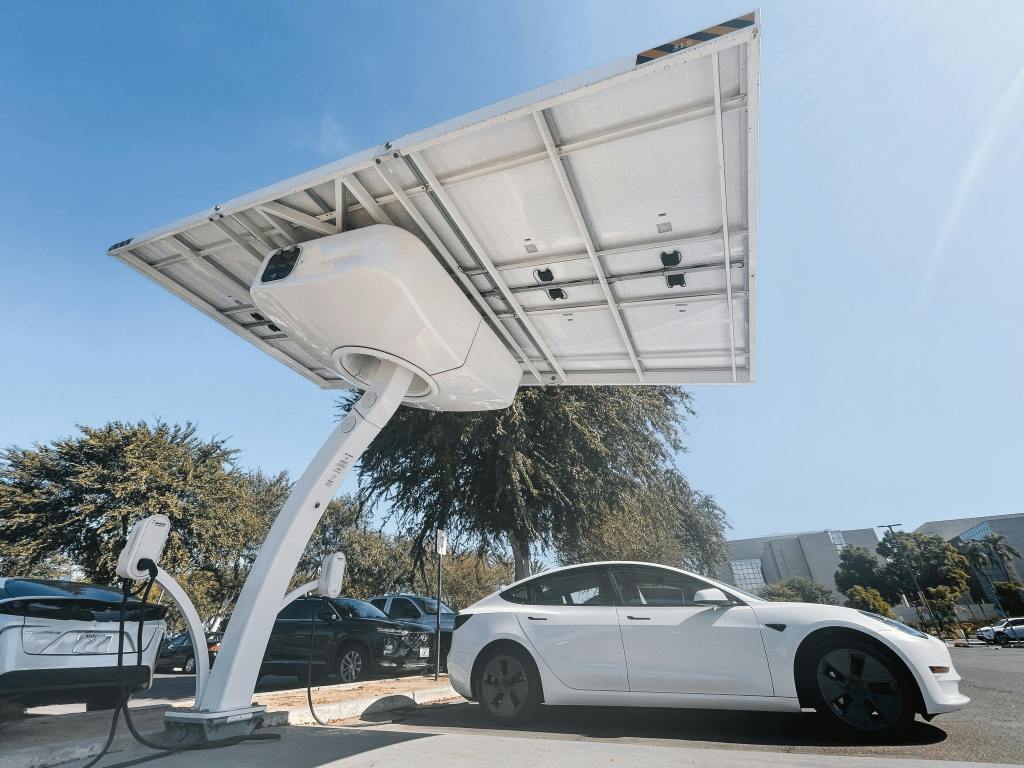
Additionally, solar energy supports charging stations for electric vehicles in remote areas where infrastructure is limited. This expands accessibility to sustainable transit options while encouraging safe travel practices across regions.
As cities adopt more solar-based transportation networks, overall traffic management will improve through optimized route planning and reduced vehicle emissions.
Railways Help to Ease Traffic Conditions
Rail transport serves as a sustainable alternative by using energy-efficient methods to move large numbers of people, reducing reliance on personal vehicles. Trains produce fewer emissions per passenger compared to cars.
By drawing commuters away from road travel, trains alleviate congestion, decreasing the number of potential collisions on busy roads.
Dedicated passenger corridors and modern scheduling technologies ensure smooth operations. These features attract more users, reducing vehicular load on roads during peak hours.
This shift not only promotes cleaner transit options but also directly contributes to safer traffic conditions by lowering accident risks associated with high-density vehicle presence and providing reliable alternatives for daily commutes.
Car Sharing Reduces Vehicle Numbers on the Road – Which Decreases Accident Rates
Car-sharing programs offer sustainable transport solutions by reducing the number of vehicles on the road. Fewer cars mean less traffic congestion, which decreases the likelihood of accidents.
Car-sharing encourages users to drive more responsibly due to shared responsibility and cost considerations.
And vehicles in these systems often undergo regular maintenance checks, ensuring they are safe and well-maintained for use.
Additionally, car-sharing platforms incorporate technology that promotes safer driving practices. Features such as driver behavior monitoring systems provide feedback to improve user safety habits over time.
By promoting responsible usage and decreasing vehicle numbers during peak hours, shared mobility enhances overall road safety while supporting sustainable urban transportation networks.
Urban Design Impacts Sustainable Transit Safety
Thoughtful urban design enhances both sustainability and safety in transit systems. By incorporating elements like dedicated bike lanes, pedestrian pathways, and efficient public transport networks, cities create environments that promote non-vehicular travel.
Reducing reliance on personal cars minimizes traffic congestion and lowers accident risks.
Well-designed intersections with clear signage and signals ensure safer crossings for pedestrians and cyclists.
And green spaces integrated into urban planning help absorb pollutants, contributing to cleaner air which improves visibility for drivers.
Additionally, accessible public transit options encourage more people to opt for buses or trains over driving.
These measures collectively foster safer roads by reducing vehicle numbers, promoting alternative modes of transportation, and creating a healthier environment conducive to sustainable urban living.

Dr. Alexander Tabibi is an entrepreneur, investor, and advocate for sustainable innovation with a deep commitment to leveraging technology for environmental and social good. As a thought leader at the intersection of business and sustainability, Dr. Tabibi brings a strategic vision to Green.org, helping guide its mission to inspire global climate awareness and actionable change.
With a background in both medicine and business, Dr. Tabibi combines analytical rigor with entrepreneurial insight.