

Contents
- 1 Solar Panel Installation Washington
Solar Panel Installation Washington
Solar panels are something that have gained a lot of attention in the past decade. While they used to be fairly rare, these days they’re relatively common place. This means that a lot more people are seriously considering them for their homes.
As you can probably guess, this is also true here in Washington state. No matter where you are, you’ve probably seen them at least once with neighbors or businesses. What if you want to get them yourself?
Today, we’re here to explore precisely that. Whether you’re curious about Solar panel installation Washington or anything else in that vein, you’ve come to the right place. Stay tuned to learn more about what they are and what to expect from them for your own home!
What are Solar Panels?
Naturally, the first thing we need to do is look at the basics. As you may already know, solar panels are devices that convert sunlight into electrical energy. They are composed of many solar cells made from semiconductor materials, typically silicon.
The flow of electricity is simple. When sunlight strikes these solar cells, it excites electrons. This process is known as the photovoltaic effect. There are two main types of these panels.
Monocrystalline Solar Panels
These are made from a single continuous crystal structure. These panels are efficient and don’t take up much space. In that sense, it’s not hard to see why they’re pretty popular. At least, this is true in residential areas.
They typically have a longer lifespan than the other type we’ll be talking about. However, they also tend to come with a higher price tag. Just keep that in mind if you’re serious about getting solar panels.
Polycrystalline Solar Panels
As you can probably imagine, these are different from the above. They are made from multiple silicon crystals melted together. The main selling point is that they’re less expensive than the last type we discussed.
Of course, they do come with a trade-off. Now, you can learn more about them here: https://www.nature.com/articles/nclimate2843. Generally speaking, they are less efficient than monocrystalline panels. They may occupy more space to generate the same amount of energy.
Each of us has to decide if that’s a tradeoff we’re okay with. You can always discuss it with your installation contractors as well, if you aren’t sure. They’re typically willing to help with that sort of thing.
Benefits of Solar Panels
The next thing we need to look at are some of the benefits that come with solar panels. After all, they offer a variety of benefits. This makes them an increasingly popular choice for both residential and commercial energy solutions.
Renewable Energy Source
Regardless of how you feel about climate change and “clean” energy, it’s hard to deny that solar energy is renewable. After all, the sun is out a lot of the time, even here in Washington.
In fact, this type of energy is abundant. That’s because it can be harnessed as long as the sun shines. This is a stark contrast to something like fossil fuels. Those are finite in nature – we don’t want to use all of them up and then end up stuck.
Reduces Electricity Bills
If we didn’t have your attention before, maybe we do now. That’s right – you can end up with cheaper electricity bills in the long-term thanks to this technology. Allow us to explain.
By generating your own electricity, you can significantly lower your utility bills. That’s essentially what these panels allow you to do. Now, you may even achieve net-zero electricity costs. That will depend on your energy consumption and the size of your solar panel system.
Low Operating Costs
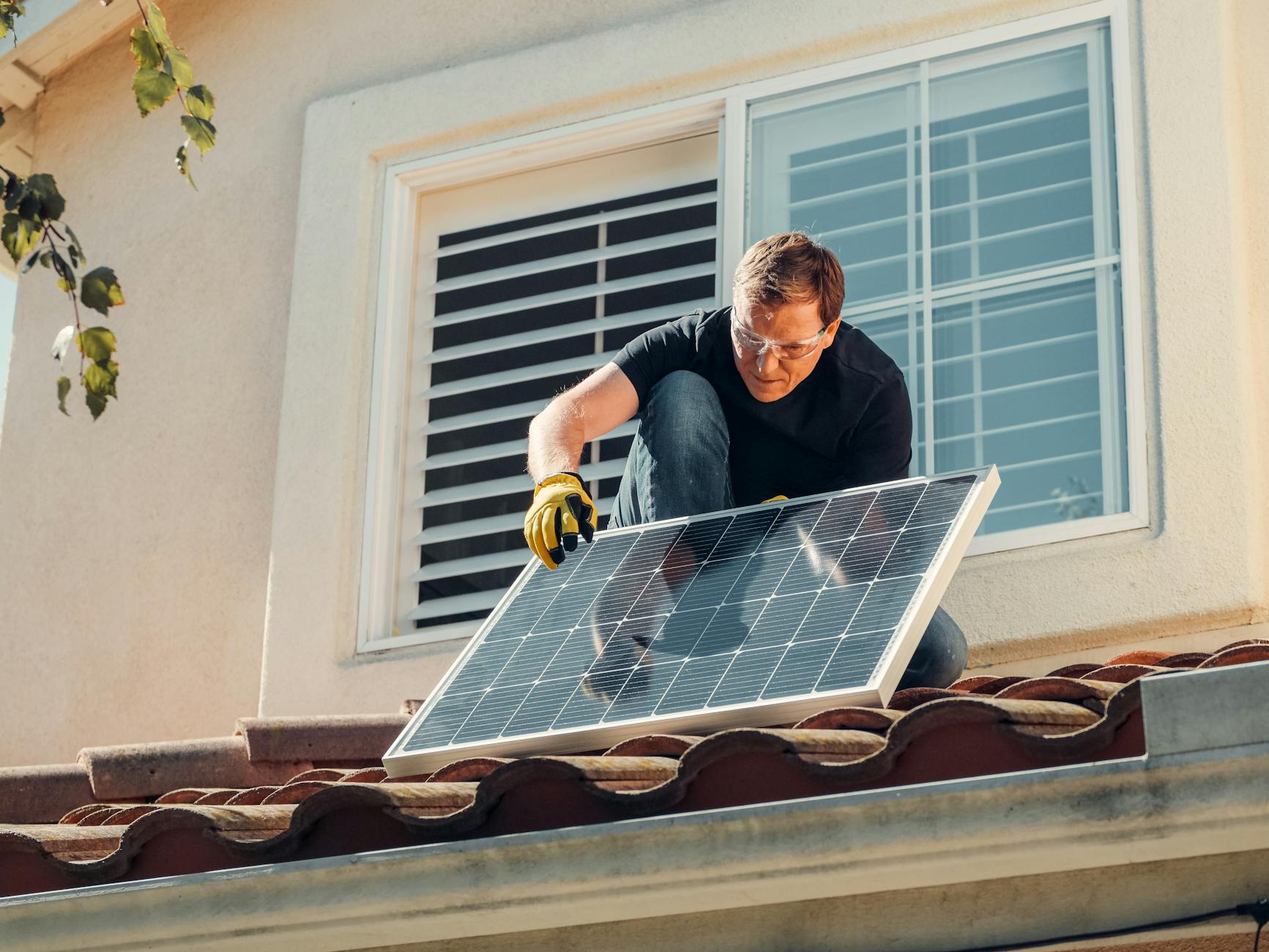
When you think about some types of energy for the home, the maintenance can be a real pain. That’s especially true for natural gas – maintenance on HVACs must be done all the time, too. Thankfully, this isn’t really the case for these panels.
After installation, solar panels require relatively low maintenance. Most systems have long lifespans. That could be twenty to twenty-five years. They also have warranty periods.
Environmental Impact
We would be remiss not to mention this. You can read more about it in this article. Overall, solar energy is a clean source of energy.
It helps to reduce greenhouse gas emissions. In addition to that, it also helps to mitigate climate change. In a year like this one, plagued with tumultuous weather events, many of us can definitely get behind that cause.
Finally, utilizing solar power helps decrease reliance on fossil fuels. This contributes to improved air quality for all of us.
Energy Independence
Generating your own electricity can reduce your dependence on the grid. Naturally, it also helps reduce dependency on fossil fuels, which is a big deal for some of us out there.
Overall, this enhances energy security and self-sufficiency. Of course, not everyone who gets solar panels is looking to go “off the grid.” In fact, most of us aren’t. It’s more about creating some privacy and self-sufficiency.
Incentives and Rebates
This point may vary depending on where you live. We recommend researching the potential options in Washington, as well as the ones specific to your area. With that said, many governments offer tax credits, rebates, and other financial incentives for installing solar panels.
Naturally, this helps with affordability. If you were worried about the cost of solar panels, this could mitigate the impacts of that cost.
What to Expect
Overall, there’s a lot of things to expect when you get solar panels. Electricity production is one obvious result. The specifics will depend on location, orientation, and shading from trees or buildings – not to mention how many panels you get.
Along with that, you can expect reduced energy bills. We touched on that above, so we won’t belabor the point any further.
All in all, it makes sense that a lot of people in Washington have opted for solar panels. Hopefully, this guide serves you well in your solar energy journey!

Dr. Alexander Tabibi is an entrepreneur, investor, and advocate for sustainable innovation with a deep commitment to leveraging technology for environmental and social good. As a thought leader at the intersection of business and sustainability, Dr. Tabibi brings a strategic vision to Green.org, helping guide its mission to inspire global climate awareness and actionable change.
With a background in both medicine and business, Dr. Tabibi combines analytical rigor with entrepreneurial insight.