
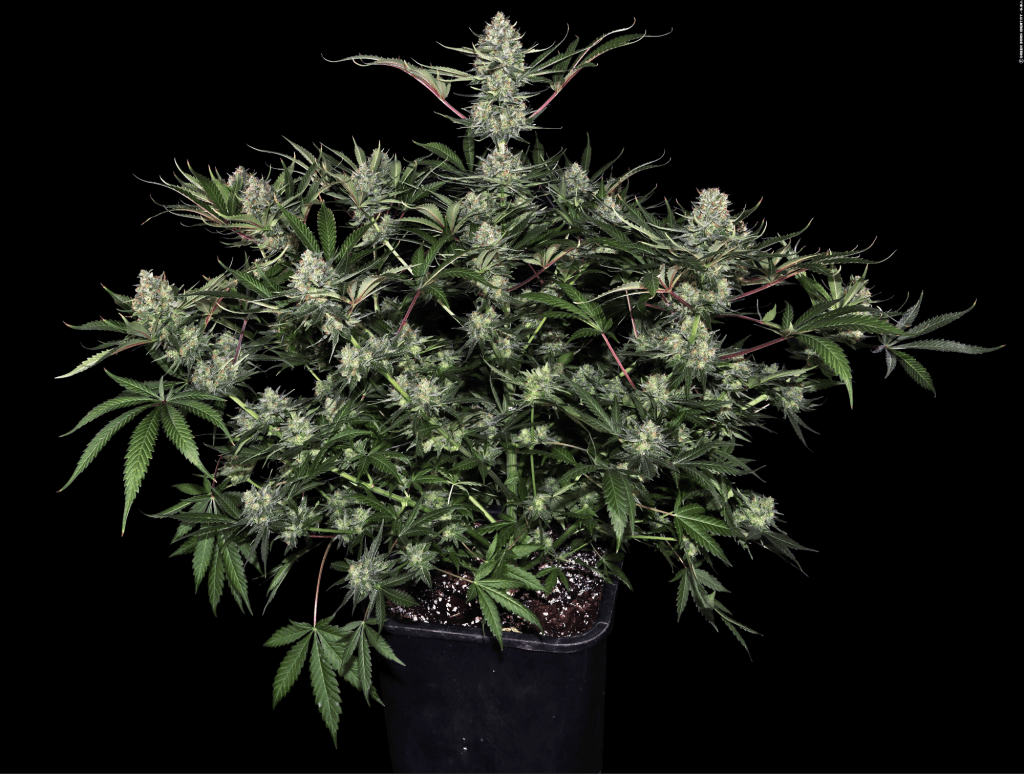
Growing cannabis requires careful planning and the right environment to achieve the best results. Whether you cultivate indoors or outdoors depends on several factors, such as climate, space, budget, and personal preferences. Each method offers unique benefits and challenges, so understanding the differences can help you make an informed decision.
Advantages of Indoor Cultivation
One of the biggest advantages of growing cannabis indoors is control. Growers can adjust temperature, humidity, lighting, and airflow to create an ideal environment. This allows for year-round cultivation and the ability to grow strains that might not thrive in a local outdoor climate.
Indoor cultivation, supported by seed banks such as Barney’s Farm, also provides greater protection against pests, diseases, and harsh weather conditions. This reduces the risks associated with outdoor growing.
Indoor growing is often preferred for producing high-quality buds with greater potency. Since the environment is controlled, plants can receive consistent care, which results in dense, resinous flowers. Another advantage is discretion. Many growers choose indoor cultivation because it keeps their operations private, which is important in areas with strict cannabis laws or nosy neighbors.
The Role of Quality Seeds in Cultivation
The success of cannabis growth depends on the environment as much as on the plant’s genetic makeup. Some strains naturally adapt to fluctuating outdoor conditions, while others require the precise control of an indoor setup to reach their full potential. Factors such as flowering time, resistance to mold and pests, and overall plant structure vary between strains, which makes it important to choose genetics that align with the growing method.
Regardless of the chosen growing method, high-quality marijuana seeds are crucial for success. The genetics of the plant determine its growth potential, resistance to pests, and final yield. Different strains respond differently to indoor and outdoor conditions, so selecting the right seeds can maximize results.
Setting up an indoor grow space requires purchasing lights, ventilation systems, grow tents, and other essential equipment. These costs can add up quickly and make indoor cultivation a more expensive option.
2. Increased Electricity Costs
Maintaining an indoor grow operation consumes a significant amount of electricity, especially when using high-powered grow lights. This can lead to high utility bills, which makes it important to budget for ongoing energy expenses.
3. Constant Monitoring Required
Indoor growing demands regular monitoring of temperature, humidity, and airflow to ensure optimal conditions. Any imbalance can negatively impact plant health, reduce yields, or cause stress-related issues.
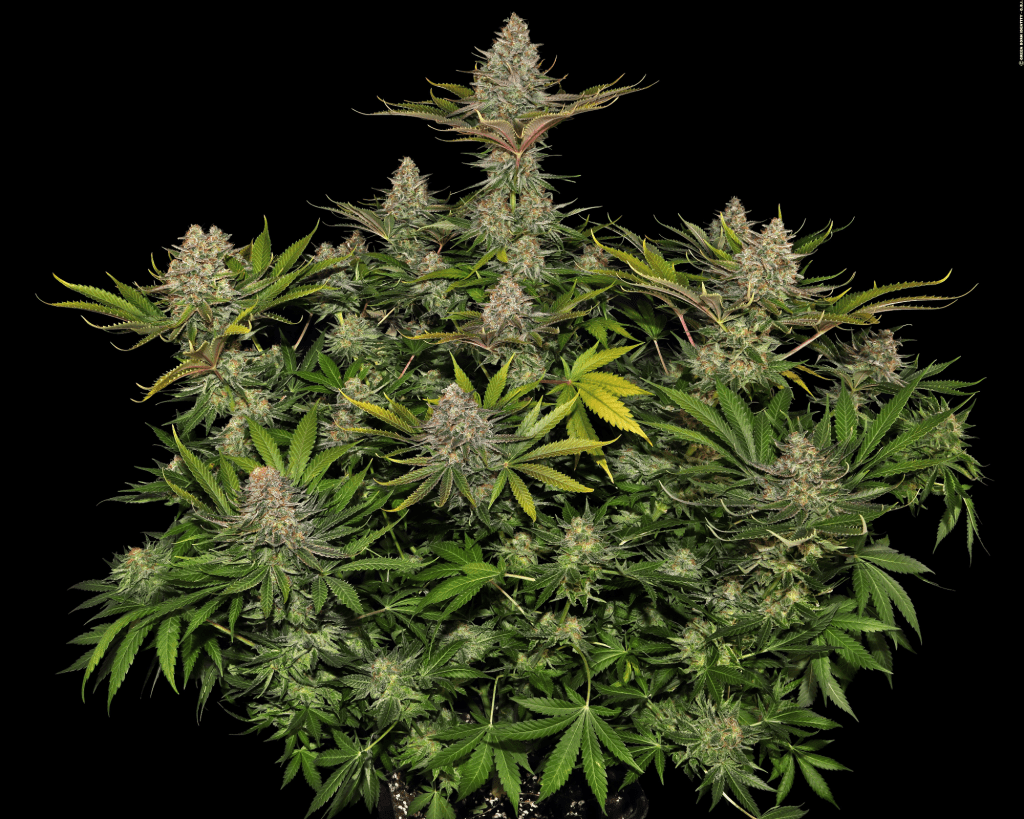
Indoor growers must carefully manage their plant size to prevent overcrowding. Techniques such as topping and low-stress training help control growth, but limited space can still be a challenge, especially for those growing in small areas.
Benefits of Outdoor Cultivation
Outdoor cannabis cultivation takes advantage of natural sunlight, fresh air, and soil. These create an environment that closely mimics the plant’s natural habitat and leads to healthier plant development without the need for artificial lighting or climate control.
Growing outdoors eliminates the need for expensive equipment such as grow lights, ventilation systems, and tents. This makes outdoor cultivation a more budget-friendly option for growers who want to minimize their initial investment.
Sunlight provides a complete spectrum of light, which is crucial for healthy cannabis growth. Unlike artificial lighting, natural sunlight supports vigorous plant development and can enhance cannabinoid and terpene production.
4. Larger Plants and Higher Yields
With unlimited root space and access to natural elements, outdoor-grown cannabis plants often grow significantly larger than indoor plants. This results in higher yields and makes outdoor cultivation a great choice for those looking to maximize production.
5. Sustainable and Environmentally Friendly
Outdoor growing relies on natural resources, which reduces energy consumption and lowers the overall carbon footprint. Avoiding electricity-dependent setups makes outdoor cultivation a more sustainable option that aligns with eco-friendly practices.
One major drawback is exposure to unpredictable weather conditions. Excessive rain, drought, or frost can damage plants and reduce overall yields. Pests, animals, and diseases are also more common outdoors, which requires proactive pest management strategies.
Another issue is security. Outdoor plants are more visible and accessible, which makes them vulnerable to theft. In some regions, legal restrictions may limit outdoor cultivation, so growers must check local laws before starting a garden. The growing season is also limited to certain months of the year, depending on the climate, which makes it impossible to cultivate all year without the use of greenhouses.

Dr. Alexander Tabibi is an entrepreneur, investor, and advocate for sustainable innovation with a deep commitment to leveraging technology for environmental and social good. As a thought leader at the intersection of business and sustainability, Dr. Tabibi brings a strategic vision to Green.org, helping guide its mission to inspire global climate awareness and actionable change.
With a background in both medicine and business, Dr. Tabibi combines analytical rigor with entrepreneurial insight.