
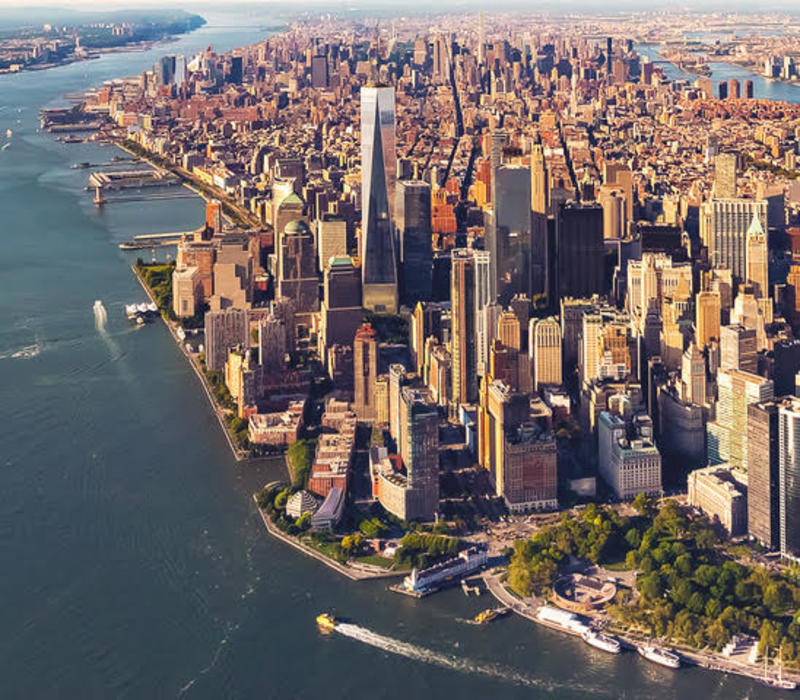
New York City, one of the largest and most iconic urban centers in the world, has long been at the forefront of progress, culture, and commerce. But as the impacts of climate change become increasingly urgent, NYC has also emerged as a leader in sustainability efforts. Over the past decade, the city has implemented ambitious policies and innovative projects aimed at reducing its environmental footprint, improving urban resilience, and setting a model for other global metropolises. Here’s how NYC is making strides toward a more sustainable future.
Contents
1. Commitment to Carbon Neutrality by 2050
In April 2019, NYC made a bold pledge to reduce its greenhouse gas emissions by 80% by 2050 as part of its broader commitment to becoming carbon-neutral. The OneNYC 2050 plan laid out a comprehensive approach, targeting emissions from buildings, transportation, energy, and waste. It also emphasizes the importance of addressing environmental justice, ensuring that historically underserved communities benefit from the transition to a greener economy.
The city’s efforts to achieve this target include:
- Retrofitting buildings: With buildings accounting for nearly 70% of the city’s carbon emissions, NYC passed the Climate Mobilization Act in 2019. This legislation requires large buildings to meet strict energy efficiency standards by 2024 or face steep fines. The act has spurred a wave of retrofitting projects across the city, including energy-efficient upgrades like improved insulation, LED lighting, and HVAC system overhauls.
- Offshore wind energy: NYC has been a strong advocate for renewable energy, with plans to draw a significant portion of its electricity from offshore wind farms by 2035. The city’s efforts to develop wind energy off the Atlantic coast have the potential to power millions of homes and significantly reduce reliance on fossil fuels.
2. Expanding Green Spaces and Resilience
Sustainability isn’t just about reducing emissions; it’s also about making cities more livable and resilient. NYC has invested in green infrastructure projects designed to combat rising temperatures and increased flooding, both consequences of climate change.
- Parks and green roofs: NYC has been adding green spaces and enhancing existing parks as part of its climate adaptation strategy. Initiatives like NYC Parks Without Borders aim to improve access to green spaces, while the city’s Green Roof Tax Abatement program encourages the installation of green roofs, which reduce urban heat island effects and help with stormwater management.
- The Big U Project: In response to Superstorm Sandy, the city launched the Big U project, a massive, ambitious endeavor to protect lower Manhattan from storm surges and rising sea levels. This includes a series of flood barriers, parks, and other public spaces that double as climate defenses. The project is seen as a model for how dense urban environments can adapt to the challenges of climate change.
3. Rethinking Transportation for a Greener City
Transportation is a significant contributor to NYC’s carbon emissions, and the city has made substantial efforts to promote greener alternatives.
- Congestion pricing: NYC is set to be the first city in the U.S. to implement congestion pricing, a system that charges vehicles entering high-traffic areas like Manhattan’s business districts. Expected to go into effect in 2024, the system aims to reduce traffic, lower emissions, and raise funds for the improvement of public transit.
- Expanding cycling infrastructure: Over the past few years, NYC has been steadily expanding its bike lanes and promoting cycling as a viable mode of transportation. The Vision Zero initiative, which focuses on reducing traffic fatalities, has helped accelerate the construction of protected bike lanes and pedestrian-friendly streets.
- Electrifying public transport: The Metropolitan Transportation Authority (MTA) has announced plans to transition to an all-electric bus fleet by 2040. With electric buses already in operation, this shift will reduce emissions from one of the city’s largest public transportation networks.
4. Zero Waste to Landfill by 2030
NYC has also set an ambitious goal of sending zero waste to landfills by 2030. Achieving this target requires a significant transformation of the city’s waste management systems, including increased recycling, composting, and waste reduction initiatives.
- Organics collection: NYC has launched a citywide curbside organics collection program, encouraging residents to compost food scraps and yard waste. By diverting organic waste from landfills, the program reduces methane emissions—a potent greenhouse gas released during the decomposition of organic material in landfills.
- Single-use plastics ban: To reduce plastic waste, NYC has introduced bans on single-use plastic bags and expanded its recycling programs. The city is also pushing for businesses and consumers to embrace reusable alternatives, with campaigns focused on reducing plastic consumption.
5. Community Engagement and Environmental Justice
NYC’s sustainability efforts are deeply intertwined with promoting social equity. The city recognizes that low-income communities and communities of color have historically borne the brunt of environmental pollution and are most vulnerable to climate change impacts.
- Environmental justice initiatives: Programs like the NYC Environmental Justice Alliance advocate for policies that address environmental racism and ensure that vulnerable communities have access to clean air, green spaces, and other sustainability benefits. The city’s sustainability plans now include provisions to ensure these communities receive the necessary support during the transition to a greener future.
- Public engagement and education: The city has rolled out various public awareness campaigns and educational programs aimed at involving citizens in its sustainability journey. From community-based composting to neighborhood clean-up events, NYC is encouraging its residents to play an active role in shaping a sustainable future.
A More Sustainable Future
New York City’s efforts to become more sustainable reflect a comprehensive approach that balances environmental protection, economic growth, and social equity. By investing in cleaner energy, rethinking transportation, promoting green spaces, and engaging communities, NYC is setting a powerful example for urban sustainability worldwide. As the city continues to adapt and innovate, it remains a critical player in the global fight against climate change—proving that even the busiest cities can prioritize sustainability for future generations.

Dr. Alexander Tabibi is an entrepreneur, investor, and advocate for sustainable innovation with a deep commitment to leveraging technology for environmental and social good. As a thought leader at the intersection of business and sustainability, Dr. Tabibi brings a strategic vision to Green.org, helping guide its mission to inspire global climate awareness and actionable change.
With a background in both medicine and business, Dr. Tabibi combines analytical rigor with entrepreneurial insight.