
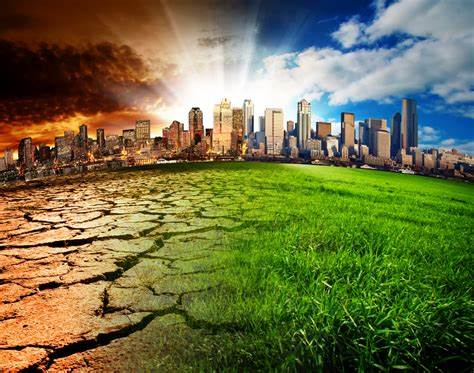
Climate change is one of the most pressing issues of our time, driven by a range of human activities. It disrupts ecosystems, endangers species, and threatens the future of our planet. While the causes are complex, understanding the major contributors and addressing them with viable solutions is key to tackling this global challenge. Here are the ten major causes of climate change and the solutions that can help mitigate its effects:
Contents
- 1 1. Burning of Fossil Fuels
- 2 2. Deforestation
- 3 3. Industrial Agriculture
- 4 4. Transportation Emissions
- 5 5. Waste Management and Landfills
- 6 6. Energy Inefficiency in Buildings
- 7 7. Industrial Pollution
- 8 8. Land Use and Urbanization
- 9 9. Excessive Water Usage and Ocean Pollution
- 10 10. Population Growth
- 11 Conclusion
- 12 Share this:
- 13 Related Post
1. Burning of Fossil Fuels
Cause: Fossil fuels like coal, oil, and natural gas are major sources of greenhouse gas emissions, primarily carbon dioxide (CO2). These gases trap heat in the atmosphere, contributing to global warming.
Solution: Transitioning to renewable energy sources such as wind, solar, and hydropower is crucial. Governments and businesses can invest in clean energy technologies, while individuals can reduce their reliance on fossil fuels by supporting renewable energy providers and adopting energy-efficient practices.
2. Deforestation
Cause: Forests act as carbon sinks, absorbing CO2 from the atmosphere. When trees are cut down for agriculture, urban development, or timber, stored carbon is released, and the capacity to absorb future emissions diminishes.
Solution: Reforestation and afforestation projects can help restore lost forests. Sustainable forestry practices, combined with stricter laws against illegal logging, can help prevent deforestation. Supporting companies that use sustainably sourced products also contributes to the solution.
3. Industrial Agriculture
Cause: Agriculture, particularly livestock farming, is a significant contributor to methane (CH4) and nitrous oxide (N2O) emissions, both potent greenhouse gases. Deforestation to clear land for farming further exacerbates climate change.
Solution: Adopting sustainable agricultural practices, such as regenerative farming, reducing food waste, and encouraging plant-based diets, can lower agricultural emissions. Promoting local and organic food can also reduce the carbon footprint of food production.
4. Transportation Emissions
Cause: Transportation, especially from cars, trucks, ships, and airplanes, produces significant amounts of CO2 and other pollutants due to the burning of fossil fuels.
Solution: Shifting to electric vehicles (EVs), improving public transportation, and encouraging cycling and walking can reduce transportation-related emissions. Governments can support this transition by investing in EV infrastructure and promoting fuel efficiency standards.
5. Waste Management and Landfills
Cause: Improper waste disposal leads to methane emissions from landfills, while incineration of waste releases harmful CO2. Plastic pollution also exacerbates the problem, as it breaks down slowly and contributes to environmental degradation.
Solution: Implementing comprehensive recycling programs, reducing single-use plastics, and embracing zero-waste policies are essential solutions. Organic waste can be composted instead of sent to landfills, reducing methane production.
6. Energy Inefficiency in Buildings
Cause: Many residential, commercial, and industrial buildings are energy-inefficient, relying on excessive heating and cooling, which increases electricity and fuel consumption, leading to higher emissions.
Solution: Retrofitting buildings with energy-efficient technologies like insulation, LED lighting, and smart thermostats can significantly reduce energy consumption. New buildings should meet green building standards like LEED or Passive House certifications.
7. Industrial Pollution
Cause: Heavy industries such as cement, steel, and chemical production emit large amounts of CO2 and other pollutants into the atmosphere. These industries often rely on fossil fuels for energy and contribute heavily to air and water pollution.
Solution: Innovation in industrial processes can reduce emissions. Carbon capture and storage (CCS) technologies, along with cleaner production methods, can help industries lower their carbon footprints. Governments and industries need to collaborate on transitioning toward greener alternatives.
8. Land Use and Urbanization
Cause: Rapid urbanization leads to the loss of green spaces, increasing heat islands in cities and reducing the Earth’s ability to absorb carbon. The construction of roads, buildings, and infrastructure also consumes vast amounts of energy and resources.
Solution: Sustainable urban planning can promote the development of green cities with more parks, urban forests, and green roofs to reduce heat islands. Encouraging the use of sustainable materials in construction and prioritizing public spaces can help mitigate urban environmental impacts.
9. Excessive Water Usage and Ocean Pollution
Cause: Over-extraction of water for agriculture, industry, and personal use, combined with ocean pollution from plastic waste and chemicals, negatively affects marine ecosystems. Oceans act as vital carbon sinks, and their degradation contributes to climate change.
Solution: Efficient water management and reducing water waste in agriculture and industry are critical. Protecting marine ecosystems through stricter regulations on plastic waste, reducing pollution, and supporting ocean conservation efforts are essential steps in preserving the planet’s carbon sinks.
10. Population Growth
Cause: A growing global population increases the demand for resources such as food, water, and energy, amplifying human impacts on the environment and exacerbating climate change.
Solution: Education, particularly for women and girls, access to family planning services, and policies that promote sustainable development can help manage population growth. Sustainable resource management and equitable distribution of resources can also lessen the impact on the environment.
Conclusion
Addressing climate change requires global cooperation and innovative solutions. By transitioning to renewable energy, promoting sustainable agriculture, improving waste management, and encouraging green urban development, we can significantly reduce the impact of human activities on the climate. Governments, industries, and individuals must all play their part to create a sustainable and resilient future for generations to come.
It’s time to act now – the solutions are within our reach.

Dr. Alexander Tabibi is an entrepreneur, investor, and advocate for sustainable innovation with a deep commitment to leveraging technology for environmental and social good. As a thought leader at the intersection of business and sustainability, Dr. Tabibi brings a strategic vision to Green.org, helping guide its mission to inspire global climate awareness and actionable change.
With a background in both medicine and business, Dr. Tabibi combines analytical rigor with entrepreneurial insight.