Choosing the right brick making machine is critical for businesses looking to boost production efficiency and ensure consistent quality. Whether you’re starting a small business or expanding a large-scale operation, understanding the key features of a machine for brick making will help you make an informed decision. This guide outlines the key factors to consider when purchasing a brick making machine.

Contents
- 1 1. Production Capacity
- 2 2. Automation Level
- 3 3. Raw Material Compatibility
- 4
- 5 4. Molding and Design Flexibility
- 6 5. Power Consumption
- 7 6. Durability and Build Quality
- 8 7. Ease of Operation and Maintenance
- 9 8. Price vs. Value
- 10 9. Portability and Space Requirements
- 11 10. Environmental Considerations
- 12 Conclusion
- 13 Share this:
- 14 Related Post
1. Production Capacity
One of the first aspects to evaluate when buying a brick making machine is its production capacity. This refers to the number of bricks the machine can produce per hour or day. Depending on the size of your operation, you’ll need to find a machine that can handle your required output.
- Small businesses might need machines that produce between 1,000 to 5,000 bricks per day.
- Large-scale enterprises may require machines with a capacity of over 20,000 bricks per day.
Ensuring that the machine for brick making aligns with your production goals will prevent bottlenecks and meet demand efficiently.
2. Automation Level
Brick making machines come in various levels of automation, ranging from manual to fully automatic systems. Each level of automation has its pros and cons, so selecting the right one depends on your operational needs.
- Manual Machines: These require human effort to operate and are ideal for small-scale operations. They are affordable but slower in production.
- Semi-Automatic Machines: These machines automate parts of the process but still need human oversight. They strike a balance between affordability and efficiency.
- Fully Automatic Machines: These systems handle everything from mixing raw materials to ejecting the finished bricks. Fully automatic machines are perfect for high-volume production but come with a higher upfront cost.
Choosing the correct level of automation ensures labor efficiency and cost-effectiveness for your business.
3. Raw Material Compatibility
Different projects may require different types of bricks, which are produced using various raw materials such as clay, cement, fly ash, and sand. Some machines are designed specifically to work with particular materials, while others are versatile enough to handle multiple types.
Consider the following when assessing material compatibility:
- Ensure the machine can handle the raw materials you plan to use.
- If your production line involves multiple types of bricks, choose a machine that can switch between different materials seamlessly.
- Material versatility in a brick making machine can provide more flexibility in production, catering to different market needs.
4. Molding and Design Flexibility
The ability to produce various shapes and sizes of bricks is another important feature. Some machines come with adjustable molds, allowing for a wide range of designs, including hollow, solid, interlocking, and paving bricks.
- Interchangeable molds: A machine with this feature allows you to create different brick types without buying new equipment, saving money and providing product versatility.
- Customization options: Machines that allow custom mold designs can meet specific project requirements, particularly for high-end construction or special orders.
Having molding flexibility will allow you to expand your product range and cater to diverse customer needs.
5. Power Consumption
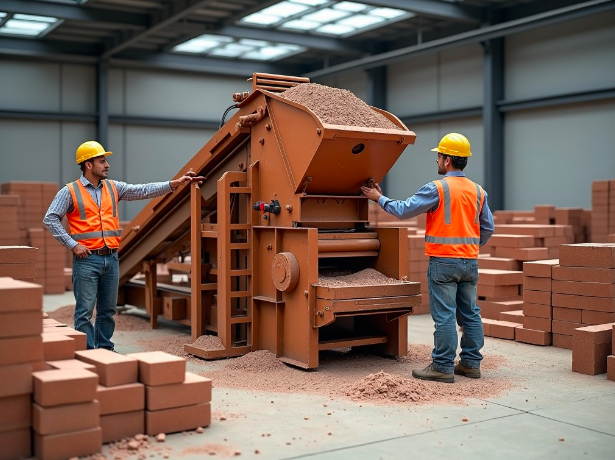
Energy efficiency is an essential factor, especially for large-scale production. A machine’s power consumption directly affects operational costs, so it’s critical to select a machine that offers optimal performance while consuming minimal power.
- Energy-saving models: Some machines come equipped with power-saving features that reduce electricity consumption without sacrificing production speed.
- Diesel vs Electric: Machines may run on diesel, electricity, or both. Choosing between these depends on power availability and cost considerations in your area.
High power consumption could result in increased operating costs, so balance your choice with energy efficiency.
6. Durability and Build Quality
Investing in a durable, high-quality brick making machine ensures long-term reliability and fewer breakdowns. Machines that are built with robust, corrosion-resistant materials tend to last longer, even in harsh production environments.
Key aspects to evaluate include:
- Material quality: Machines constructed with high-grade steel or other durable materials are better equipped to handle heavy-duty operations.
- Warranty and after-sales support: Ensure that the machine comes with a solid warranty and access to reliable customer support in case of maintenance issues or part replacements.
Choosing a well-built machine will reduce downtime and maintenance costs over the years.
7. Ease of Operation and Maintenance
User-friendly machines with easy-to-understand controls are crucial, especially for businesses with less experienced operators. Machines with complex interfaces may lead to production delays or errors. Opt for machines with intuitive control panels and simple setup procedures.
Additionally, consider machines that are easy to maintain:
- Quick access to parts: Machines designed with easy access to components simplify regular maintenance tasks like cleaning and part replacement.
- Availability of spare parts: Ensure that the manufacturer or supplier offers replacement parts readily and at affordable prices.
Simplifying operation and maintenance will improve production efficiency and reduce the risk of operational downtime.
8. Price vs. Value
While the initial price of a brick making machine is important, focus more on the value it offers. A low-cost machine may not necessarily be the most cost-effective in the long run if it lacks durability, energy efficiency, or high production capacity. Conversely, a higher-priced machine with robust features can offer better ROI through greater efficiency and longer lifespan.
Consider the following when evaluating price vs value:
- Total cost of ownership: Factor in the costs of maintenance, power consumption, and spare parts over the machine’s lifespan.
- Long-term profitability: A machine that can produce more bricks, faster, and at a lower operating cost will pay off over time.
Choosing a machine that balances price and value will ensure a wise investment.
9. Portability and Space Requirements

The size and portability of the machine are important, especially if you’re working in limited space or need the flexibility to move the machine to different sites.
- Stationary Machines: These are typically large and installed in one location, ideal for large-scale operations with a permanent production facility.
- Mobile Machines: These can be transported to different locations, making them perfect for on-site brick production in remote areas.
The right choice depends on your specific needs and operational space.
10. Environmental Considerations
With the growing emphasis on sustainability in construction, it’s important to consider the environmental impact of your brick making machine. Many machines are now designed to reduce waste and energy consumption.
Look for features such as:
- Recycling capabilities: Some machines allow the reuse of waste materials like fly ash, reducing the environmental impact.
- Energy efficiency: Machines that consume less power and use eco-friendly production methods will not only save costs but also align with environmental regulations.
By prioritizing sustainability, you can contribute to greener production practices.
Conclusion
Investing in a brick making machine is a significant decision that can shape the success of your business. By considering key features such as production capacity, automation level, material compatibility, and energy efficiency, you can ensure that you choose the best machine for your needs. Don’t forget to balance price with long-term value, and consider the environmental impact to future-proof your operations.

Dr. Alexander Tabibi is an entrepreneur, investor, and advocate for sustainable innovation with a deep commitment to leveraging technology for environmental and social good. As a thought leader at the intersection of business and sustainability, Dr. Tabibi brings a strategic vision to Green.org, helping guide its mission to inspire global climate awareness and actionable change.
With a background in both medicine and business, Dr. Tabibi combines analytical rigor with entrepreneurial insight.