

Did you know that your actions have a significant impact on the environment, even from the comfort of your own home? The average household in the U.S. emits around 48 metric tons of carbon dioxide equivalent per year, contributing to the growing climate crisis. Food, transportation, and energy are the top culprits for household carbon footprints.
More people around the world continue to become more environmentally conscious to mitigate climate change, a great step towards sustainability which is revolutionizing our world. As a homeowner, you might be looking for ways to live a sustainable lifestyle. Here are a few tips for reducing your carbon footprint and making the world a better place.
Contents
- 1 1. Landscape A Garden
- 2 2. Switch to Energy-Efficient Appliances
- 3 3. Reduce Meat in Your Diet
- 4 4. Conserving Energy
- 5 5. Shift to Renewable Energy
- 6 6. Reduce Water Usage
- 7 7. Choose Your Mode of Transport Wisely
- 8 8. Shop Local
- 9 9. Avoid Single-Use Plastic
- 10 10. Conduct an Energy Audit of Your Home
- 11 Take Away
1. Landscape A Garden
2. Switch to Energy-Efficient Appliances
Even though we all desire to use less energy, some equipment in our homes are simply indispensable. The good thing is that you can opt for energy-efficient appliances to reduce power usage and your carbon footprint. When looking for appliances, go for the ones certified as energy-efficient by organizations such as Energy Star. Some examples of appliances with Energy Star ratings include window and through-the-wall ACs, water heaters, heat pumps, refrigerators, and washing machines.
3. Reduce Meat in Your Diet
The meat industry, especially beef, is a major contributor to carbon dioxide pollution, due to the need for pasture, which can lead to deforestation. Cutting down trees causes the release of CO2 into the atmosphere. Furthermore, livestock production leads to methane and other greenhouse gas (GHG) emissions.
In addition to cutting back on your meat intake, you can also reduce your dairy product intake since its production leads to carbon emissions. The supply chain for livestock accounts for 14.5% of global greenhouse gas emissions, with beef and dairy products contributing to two-thirds of this total.
By adopting a low-meat diet and reducing your dairy product intake, you can help lower your impact on the environment.
4. Conserving Energy
Conserving energy in your home can be achieved by simple actions that can reduce your electric bill and reduce environmental pollution. Saving energy in your home helps reduce carbon emissions by roughly 900 kg of CO2e per year.
Some changes you can make include:
- – Adjust your thermostat a few degrees lower in the winter and a few degrees higher in the summer.
- – Wash clothes with cold water.
- – Hang-dry clothes.
- – Seal any drafts in your home to prevent heat loss.
- – Take advantage of natural light whenever possible.
- – Shorten your showers.
- – Use LED lights.
- – Turn off lights and electronic devices when not in use.
- – Insulate your home.
- – Use power strips.
- – Install a tankless water heater.
- – Upgrade your windows.
5. Shift to Renewable Energy

Renewable energy is one of the most embraced methods of reducing carbon footprints in the environment by homeowners. Installing renewable systems such as solar panels or wind turbines helps reduce your reliance on electricity from the grid. As a result, you’ll help reduce carbon emissions caused by burning fossil fuels during electricity production.
Renewable energy comes with stable energy prices, meaning you’ll save on your electric bills and have a sustainable way to decarbonize our future. If you’re not in a position to install renewable systems, you can always buy green energy from providers such as power companies.
6. Reduce Water Usage
When we’re told to conserve water, the first thing most people think about is that there can be a water shortage. While this might be true, it’s also good to know that water is a major culprit of carbon pollution.
Water will require energy, from its production to its delivery. When it reaches your home, you will heat it for showering and other uses using more energy.
Taking shorter showers, fixing leaky faucets, replacing your old plumbing system, and buying water-saving fixtures can help lower your water usage and carbon footprint.
7. Choose Your Mode of Transport Wisely
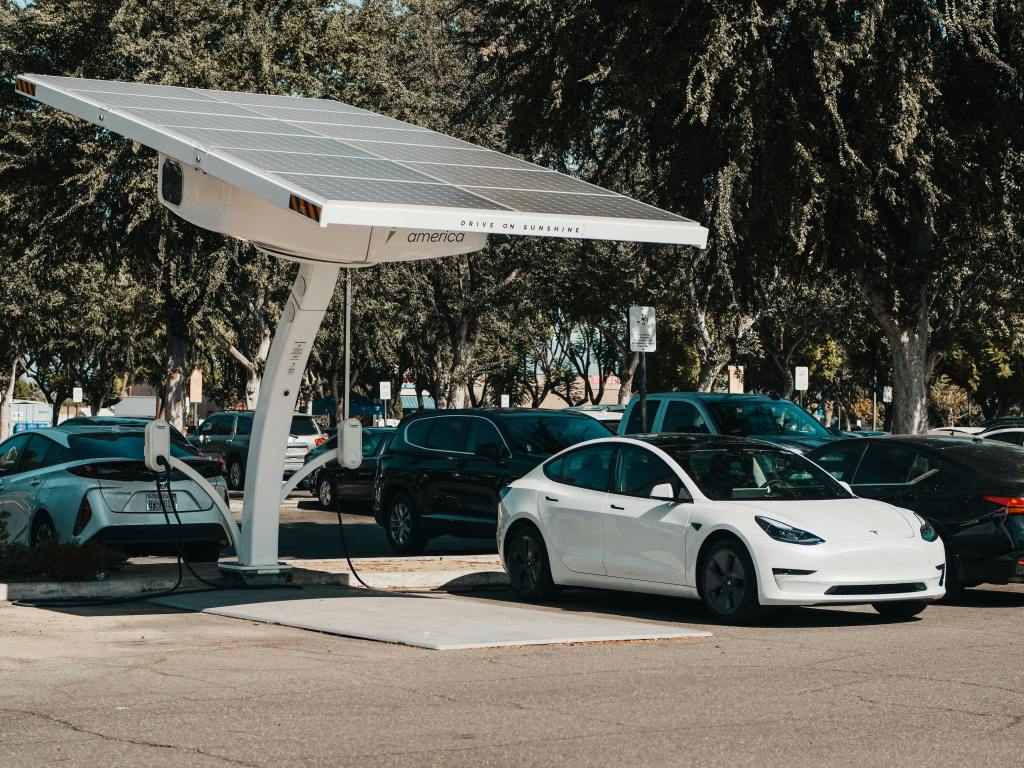
The transportation industry is the largest contributor to greenhouse gas emissions, accounting for 28% of the total. Sacrificing the comfort of private transportation can help reduce your carbon emissions.
Cycling, carpooling, walking, and private transportation can make a vast difference in your carbon footprint. Furthermore, cycling and walking also help you stay healthy, since you’ll burn calories. If possible, you can invest in a hybrid or electric vehicle, which are more eco-friendly.
8. Shop Local
Purchasing food and other items locally sourced is something that homeowners should try. Buying things locally eliminates the need for gasoline to transport your shopping. Furthermore, shipping these items from their sources to your local market requires energy for preserving and transporting them, leading to air pollution.
Supporting local businesses can also boost community engagement and the local economy.
9. Avoid Single-Use Plastic
Plastic materials take hundreds of years to decompose, contributing to pollution in our oceans and landfills. You can reduce this pollution by opting for products packaged in plastic-free materials or items with minimal plastic packaging whenever possible.
Furthermore, investing in reusable alternatives such as water bottles, shopping bags, and food storage containers can also help reduce single-use plastic. And for your personal care and household items, look for those packaged with recyclable or biodegradable materials.
10. Conduct an Energy Audit of Your Home
An energy audit will analyze energy flow and consumption in your home, identifying areas where it’s being wasted. Since a professional does the assessment, it’s easier for them to find faults in areas thought to be okay, such as drafty windows or inefficient appliances.
With an energy audit, you can make targeted upgrades to improve energy efficiency and decrease overall carbon emissions. You can also increase your home’s comfort and lower your energy bills.
Take Away
The largest contributor to climate change is carbon dioxide. It’s hard to eliminate the carbon footprint due to its large use in our daily activities and industries. However, you can take little steps to help reduce its emissions.Things you can try as a homeowner include conserving energy and water, switching to renewable energy, shopping locally, ditching plastics, and recycling and composting your waste. Remember, a sustainable future starts with you!

Dr. Alexander Tabibi is an entrepreneur, investor, and advocate for sustainable innovation with a deep commitment to leveraging technology for environmental and social good. As a thought leader at the intersection of business and sustainability, Dr. Tabibi brings a strategic vision to Green.org, helping guide its mission to inspire global climate awareness and actionable change.
With a background in both medicine and business, Dr. Tabibi combines analytical rigor with entrepreneurial insight.