
Contents
Introduction
When the Paris Olympics roll around in 2024, they’re not just setting the stage for world-class athletic feats—they’re also making a huge statement about green living. Paris is shaking things up with a commitment to sustainability that’s unlike anything we’ve seen before in Olympic history. Imagine an event that doesn’t just dazzle with incredible sports performances but also shines as a model for how we can all live a bit greener.
So, what’s the big deal? The Paris Olympics is going all out to show that mega-events can be eco-friendly. From building sports venues with cutting-edge green technology to rolling out energy-saving transportation, Paris is turning every aspect of the Games into a sustainability showcase. This isn’t just about reducing waste or saving energy; it’s about setting a new standard for global events and inspiring millions of people to think differently about their environmental impact.
In this guide, we’re diving deep into how Paris plans to achieve this ambitious vision. You’ll get the lowdown on everything from the innovative policies being introduced to the eco-friendly venues being constructed. We’ll break down what all these changes mean and how they might just inspire a worldwide shift toward greener living. Stick with us to find out how the Paris Olympics is making history in the most exciting and eco-conscious way possible!
Paris Olympics’ Green Vision
When Paris was chosen to host the 2024 Olympics, they seized the opportunity to make a bold statement about green living. The Paris Olympics isn’t just about showcasing athletic talent; it’s about showing the world that major events can be both spectacular and sustainable. The city has set some seriously ambitious environmental goals for this event, and they’re not just for show. They’re aiming to cut down on carbon emissions, minimize waste, and lead the charge in eco-friendly practices.
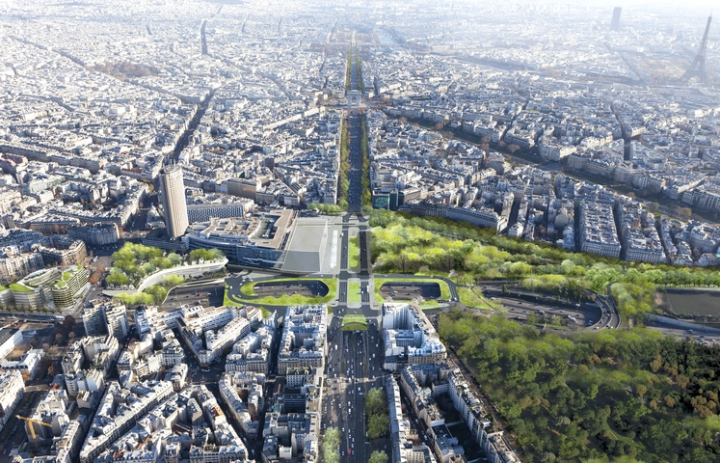
Sustainability Goals
So, what exactly are these sustainability goals? Paris is setting its sights on making the Olympics as eco-friendly as possible. This means reducing the carbon footprint of the Games by slashing emissions and making sure the event has a minimal impact on the environment. Think of it as Paris trying to set a gold standard for green living that other cities and events will want to follow. They’re not just talking the talk; they’re walking the walk with targets that align with global environmental agreements, like the Paris Agreement, which focuses on limiting climate change.
Innovative Green Policies
But Paris isn’t stopping at just setting goals. They’re rolling out a range of innovative policies designed to turn these goals into reality. For example, they’re introducing zero-waste initiatives that aim to cut out trash and recycle as much as possible. Plus, there’s a big push for eco-friendly transportation solutions. This includes things like electric buses and improved public transit that’ll help visitors and locals alike get around without adding to the city’s carbon footprint. These policies are not only about making the event greener but also about showing that sustainable practices can be stylish, efficient, and totally doable.
In short, Paris is making a strong case that the Olympics can be both a showcase of athletic excellence and a beacon of green innovation. They’re proving that it’s possible to host a massive global event without leaving a massive environmental mess. And by doing so, they’re hoping to inspire everyone watching to think more about their own impact on the planet.
Paris Olympics’ Green Vision
Sustainability Goals
When we talk about the Paris Olympics’ green vision, we’re diving into some seriously ambitious goals. Paris is not just aiming to put on a spectacular show; they’re also on a mission to make these Games the greenest ever. The focus here is on tackling big environmental issues like carbon emissions and waste. Paris wants to drastically cut its carbon footprint, and they’re not just making promises—they’ve got a solid plan in place.
The city is setting concrete targets for reducing greenhouse gas emissions and managing waste effectively. Every step of the way, they’re aligning their efforts with major international environmental agreements, such as the Paris Agreement. This agreement is a key global framework for climate action, and Paris is using it as a benchmark to ensure they meet and exceed these sustainability goals.
Innovative Green Policies
Now, let’s dive into the innovative green policies that Paris is rolling out. The city is going for a zero-waste Olympics, which is a huge leap forward. This means that everything from food waste to recyclables will be managed in a way that minimizes impact on the environment. No more tossing out recyclable materials or letting food go to waste—Paris is setting the bar high for waste management.
On top of that, the transportation options are getting a major green upgrade. Picture electric buses cruising around, bike-sharing stations on every corner, and public transit getting a boost with eco-friendly improvements. These policies aren’t just about reducing emissions; they’re about setting a new standard for how mega-events can operate in a sustainable manner. Paris is not only showing how to host a greener Olympics but also leading the way for future global events.
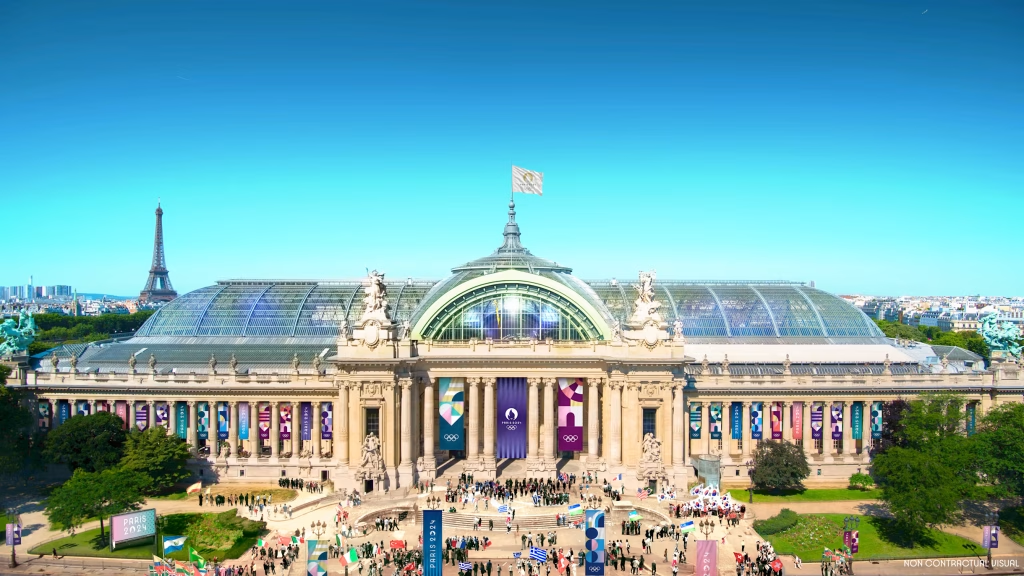
Eco-Friendly Venues
Design and Construction
When it comes to building the venues for the Paris Olympics, the city is taking green design to a whole new level. Imagine sports arenas and facilities constructed with sustainability in mind from the ground up. Paris is not just using any materials—they’re focusing on eco-friendly and recycled options to minimize environmental impact.
These venues aren’t just about looking good; they’re built with smart, energy-efficient designs that help reduce energy consumption. Think of cutting-edge technologies like solar panels and green roofs that not only make the buildings more efficient but also blend seamlessly into the city’s landscape. By using these sustainable practices, Paris is setting a high bar for future Olympic hosts and proving that major construction projects can be both impressive and environmentally friendly.
Green Energy Solutions
As for powering these new venues, Paris is leaning heavily into renewable energy. This means that solar panels, wind turbines, and other green energy solutions will play a huge role in keeping the Games running smoothly. The goal is to rely as much as possible on clean energy sources, drastically cutting down the carbon footprint of the event.
The integration of these green energy solutions is expected to make a significant impact. Not only will they help Paris reduce its overall energy consumption, but they’ll also serve as a showcase of how large-scale events can embrace renewable energy. The hope is that this approach will inspire other cities and events around the world to follow suit, making sustainability a central part of their planning and execution.
Waste Management and Recycling
Comprehensive Recycling Programs
Paris is raising the bar when it comes to managing waste during the Olympics. The city has set up a robust recycling program that’s designed to handle every type of waste you can think of—plastic, paper, food scraps, and even electronics. This isn’t just about separating trash; it’s about making sure that as much waste as possible is recycled or composted.
The strategy involves placing recycling bins in easy-to-find spots around the venues and ensuring that everything from beverage containers to food packaging is sorted correctly. Paris is also investing in advanced recycling technology to process waste more efficiently. The aim is to significantly cut down on landfill waste and make recycling as straightforward and effective as possible. This comprehensive approach is a game-changer for major events and could become a model for other cities and events aiming to reduce their environmental impact.
Public Engagement and Education
Engaging the public in these recycling efforts is a big part of Paris’s strategy. The city is launching educational campaigns to teach visitors and locals about the importance of recycling and how they can contribute. You’ll see information and reminders about waste separation posted throughout the venues, and there will be plenty of staff on hand to help guide people on how to recycle properly.
The idea is to make recycling a natural part of the event experience, encouraging everyone to participate and understand the impact of their actions. By fostering a culture of sustainability among attendees, Paris hopes to not only manage waste effectively during the Games but also leave a lasting impression on how people think about waste and recycling in their everyday lives.

Transportation and Mobility
Sustainable Transportation Options
Paris is transforming how we think about transportation during the Olympics. The city is rolling out a range of eco-friendly options designed to make getting around greener and more efficient. Picture this: electric buses zipping through the city, bike-sharing programs popping up all over, and public transit getting a major green overhaul.
The focus is on reducing the carbon footprint of transportation by offering clean energy alternatives and encouraging people to use them. Whether it’s hopping on an electric bus, grabbing a bike for a quick ride, or taking advantage of improved public transit, these options are set to cut down on emissions and make it easier for everyone to travel sustainably. Paris is not just thinking about the event itself but also how these green transportation options can benefit the city long-term.
Legacy of Green Mobility
The improvements in transportation infrastructure aren’t just for the Olympics; they’re part of a broader vision for Paris’s future. The upgrades to public transit and the expansion of bike-sharing programs are expected to remain in place long after the Games are over. This means that the city’s residents will benefit from better, greener transportation options for years to come.
Paris hopes that these changes will inspire other cities to follow suit and adopt similar green mobility solutions. By setting a high standard for sustainable transportation, the Paris Olympics is leading the charge for how future mega-events can integrate eco-friendly practices into their planning and execution. This legacy of green mobility is about more than just the Olympics; it’s about making a lasting impact on urban transportation for the better.
Community Impact and Legacy
Local Community Involvement
The Paris Olympics isn’t just a big event for visitors and athletes—it’s also a huge opportunity to engage the local community in sustainability efforts. Paris is making a concerted effort to involve residents in its green initiatives, from waste reduction to energy conservation.
Local programs are being set up to educate and encourage community members to participate in the sustainability efforts. This includes everything from workshops on recycling to community clean-up events. By actively involving locals in these initiatives, Paris aims to foster a culture of environmental responsibility that extends beyond the Games. The idea is that these efforts will help build a stronger, more environmentally-conscious community, setting a positive example for other cities to follow.
Long-Term Benefits
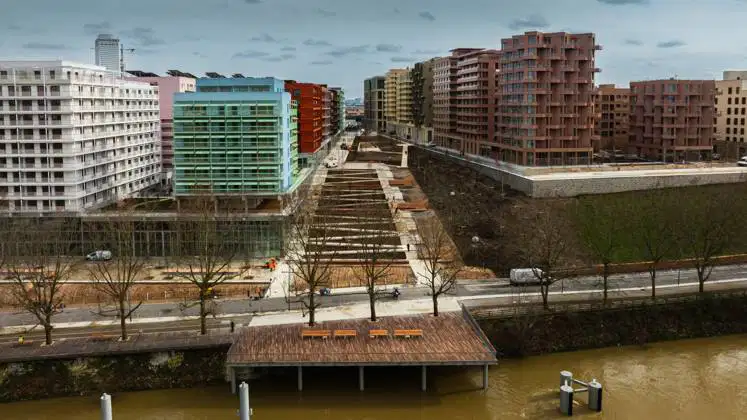
The green initiatives of the Paris Olympics are designed to have lasting benefits for the city and its environment. The improvements in infrastructure, such as enhanced public transportation and energy-efficient buildings, are expected to continue benefiting Paris long after the event concludes.
These changes are not just about making the Olympics greener; they’re about creating a more sustainable future for the city. The hope is that the legacy of these initiatives will inspire other cities to adopt similar practices and continue pushing for more sustainable urban living. By making a significant investment in green technology and infrastructure, Paris is setting the stage for a cleaner, greener future, proving that mega-events can be a catalyst for long-term positive change.
Challenges and Criticisms
Addressing Concerns
Even with all the exciting green initiatives, the Paris Olympics isn’t without its challenges and criticisms. Some folks are raising concerns about whether the ambitious goals and promises will actually be met. Issues like the high costs of implementing green technologies, potential difficulties in managing waste on such a large scale, and the overall feasibility of maintaining these standards can be points of contention.
For example, critics argue that despite the best intentions, the logistics of managing a zero-waste event might be too complex or costly. There are also concerns about the true impact of these green practices and whether they will be sufficient to address the environmental footprint of such a massive event. Paris is aware of these criticisms and is working hard to address them. Organizers are regularly updating their strategies, seeking feedback, and adjusting their plans to ensure they meet their sustainability goals as effectively as possible.
Opportunities for Improvement
Looking forward, there’s always room for improvement. The Paris Olympics, while pioneering in many ways, also offers lessons on what can be done better. For instance, while the city is making strides in green transportation and energy efficiency, there’s potential to further enhance these efforts by incorporating even more advanced technologies or scaling up successful programs.
Future Olympic hosts can take a page from Paris’s playbook by focusing on the areas where Paris faced challenges and finding ways to improve upon them. This might include refining waste management processes, increasing transparency about sustainability practices, or exploring new innovations in green technology. By learning from Paris’s experiences, upcoming events can build on these efforts and continue to push the envelope in sustainable event management.
Conclusion
Summary of Key Points
As the Paris Olympics gears up to make history in 2024, it’s clear that this isn’t just another sports event—it’s a bold statement about green living. From its ambitious sustainability goals to its innovative green policies, Paris is setting a new standard for how mega-events can be both spectacular and eco-friendly. The city’s commitment to using sustainable materials in venue construction, integrating renewable energy sources, and implementing comprehensive recycling programs is transforming how we think about large-scale events.
Moreover, the emphasis on sustainable transportation and community involvement is not only enhancing the event itself but also laying the groundwork for long-term benefits. Paris is proving that with careful planning and dedication, it’s possible to host a major international event that leaves a positive impact on both the environment and the community.
Call to Action
As we look ahead to the Paris Olympics, it’s a great opportunity for all of us to reflect on how we can contribute to a greener future. Whether it’s adopting more sustainable practices in our own lives or supporting green initiatives in our communities, every little bit helps. Stay informed about sustainability efforts and consider how you can make a difference in your own way. For more insights and updates on how the Paris Olympics is making history, check out additional resources and get inspired to be part of the global movement towards a greener, more sustainable world.

Dr. Alexander Tabibi is an entrepreneur, investor, and advocate for sustainable innovation with a deep commitment to leveraging technology for environmental and social good. As a thought leader at the intersection of business and sustainability, Dr. Tabibi brings a strategic vision to Green.org, helping guide its mission to inspire global climate awareness and actionable change.
With a background in both medicine and business, Dr. Tabibi combines analytical rigor with entrepreneurial insight.