
Contents
Introduction
As the world eagerly anticipates the Paris 2024 Olympics, there’s a lot more on the table than just thrilling sports competitions. Paris is making a bold statement about sustainability, and a big part of this green revolution is their ambitious recycling programs. But with so many promises and high expectations, it’s natural to wonder: just how effective are these recycling efforts?
The Paris Olympics are not just about breaking records on the field; they’re also about setting new standards in environmental responsibility. The city of lights has rolled out an extensive array of recycling initiatives designed to handle everything from paper and plastic to glass and metal. But with such a massive event, where millions of visitors are expected to generate tons of waste, can these programs really live up to the hype?
In this piece, we’ll dive deep into how Paris is tackling recycling for the Olympics. We’ll look at the strategies in place, assess how well they’re working, and explore whether Paris is truly living up to its green promises. Whether you’re an eco-enthusiast, a casual observer, or just curious about how major events handle waste, stick around. We’re about to unravel the truth behind Paris 2024’s recycling claims and see if this Olympic Games is as green as it claims to be.
The Paris 2024 Sustainability Vision
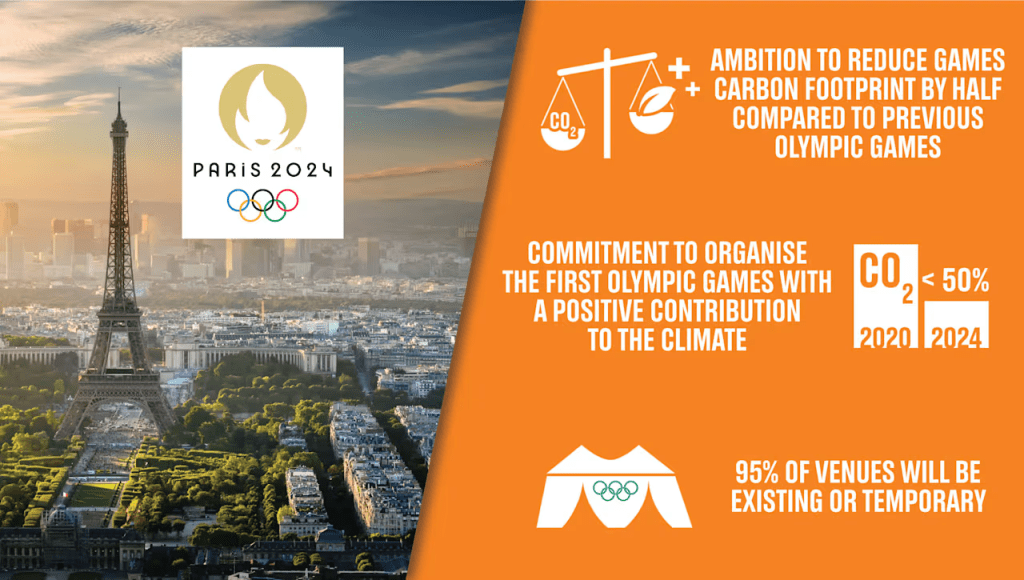
When Paris won the bid to host the 2024 Olympics, it was clear that the city wasn’t just aiming to put on a great show. They had a much bigger vision in mind: setting a new benchmark for sustainability. With the eyes of the world watching, Paris is pulling out all the stops to ensure that these Olympics are not only historic in terms of athletic achievements but also in environmental impact.
Paris’s Green Commitment
At the heart of Paris’s green agenda is a commitment to drastically reduce waste and promote recycling. The city has laid out ambitious goals, aiming to make these games the most eco-friendly Olympics yet. This isn’t just about making headlines; it’s about creating lasting change. Paris is working hard to integrate recycling into every aspect of the event, from the construction of new venues to the daily operations during the games.
Recycling Objectives
The recycling programs are designed with clear objectives in mind. They aim to minimize the amount of waste sent to landfills, maximize the recycling of materials, and ensure that the entire process is as efficient as possible. This means that every piece of paper, every plastic bottle, and every scrap of metal generated during the Olympics has a place in the recycling system.

Key Players in the Initiative
Several key players are involved in making this vision a reality. Local government agencies are coordinating efforts and setting regulations. The event organizers are implementing and overseeing recycling practices. And let’s not forget the corporate sponsors and partners, who are not only providing funding but also helping to promote and support these green initiatives.
Overall, Paris’s sustainability vision for the 2024 Olympics is about much more than just managing waste. It’s about setting a new standard for how major global events can operate in harmony with the environment. So, as we dive into the specifics of the recycling programs, keep in mind that they are just one piece of a much larger puzzle aimed at making this a landmark event in both sports and sustainability.
Recycling Programs: An In-Depth Look
As Paris gears up for the 2024 Olympics, the city is implementing an impressive array of recycling programs designed to handle the massive influx of waste from the games. With millions of visitors expected, the scale of these programs is nothing short of monumental. Let’s take a closer look at how Paris plans to tackle recycling and waste management during the Olympics.
Types of Recyclable Materials
To manage waste effectively, it’s crucial to focus on different types of recyclable materials. Paris’s recycling efforts cover a wide range of materials, each with its own collection and processing methods:
Paper and Cardboard: These are among the easiest materials to recycle. Paris has set up dedicated collection points for paper and cardboard at Olympic venues, with streamlined processes to ensure they are efficiently sorted and processed into new products.
Plastic: With plastic waste being a significant concern, Paris is targeting various types of plastics. Special bins and collection systems are in place to handle everything from water bottles to packaging materials. The goal is to ensure that as much plastic as possible is diverted from landfills and reprocessed.
Glass and Metal: Glass and metal are also a big part of the recycling strategy. Separate recycling streams are established for glass bottles and cans, which are collected and sent to facilities where they can be cleaned and reused in new products.
Collection and Sorting Systems
Effective recycling starts with efficient collection and sorting systems. Paris has designed a comprehensive approach to ensure that recyclable materials are managed properly:
On-Site Collection: At the heart of the system are the collection points set up at Olympic venues. These are strategically placed to make recycling easy and convenient for both visitors and staff. Clearly labeled bins and regular collection schedules help maintain the flow of recyclables.
Sorting Facilities: Once collected, the recyclables are taken to specialized sorting facilities. Here, advanced technology and manual sorting processes separate different materials, preparing them for recycling. These facilities are equipped to handle the high volume of waste generated by the Olympics.
Partnerships and Collaborations
The success of Paris’s recycling programs relies on strong partnerships and collaborations between various stakeholders:
Local Waste Management Companies: These companies play a crucial role in the collection, transportation, and processing of recyclable materials. Their expertise and infrastructure are vital to the smooth operation of the recycling programs.
Non-Profit Organizations: Non-profits focused on environmental issues contribute by promoting recycling and raising awareness. They also help with education and outreach efforts, ensuring that the public understands the importance of recycling.
Corporate Sponsors: Corporate sponsors are not just funding the recycling initiatives but are actively involved in supporting and promoting them. Their engagement helps to amplify the reach and effectiveness of the recycling programs.
Assessment of Effectiveness
With Paris 2024 Olympics’ recycling programs in full swing, it’s important to evaluate how well these efforts are performing. Are the recycling programs living up to their promises? Let’s dive into how the effectiveness of these programs is assessed, focusing on both quantitative and qualitative metrics.
Quantitative Metrics
To gauge the success of recycling programs, it’s crucial to look at hard numbers and statistics:
Recycling Rates: One of the primary indicators of success is the percentage of materials that are recycled compared to the total waste generated. Paris’s goal is to achieve high recycling rates, ensuring that a significant portion of waste is diverted from landfills and processed into new products.
Volume of Materials Processed: Another key metric is the volume of different materials handled by the recycling system. This includes tracking the total amount of paper, plastic, glass, and metal collected and processed. High processing volumes indicate a well-functioning system capable of managing the large-scale waste produced by the Olympics.

Qualitative Metrics
Beyond the numbers, it’s also important to assess how the recycling programs are perceived and their overall impact:
Public Perception: How do visitors, locals, and other stakeholders view the recycling programs? Feedback and attitudes towards the programs can provide insights into their effectiveness and areas for improvement. Paris is actively seeking input from the public to gauge satisfaction and identify any issues.
Media Coverage: The way the recycling programs are portrayed in the media can also reflect their perceived success. Positive media coverage can enhance public awareness and support, while negative coverage might highlight problems that need addressing.
Case Studies
Examining specific examples can offer a deeper understanding of the recycling programs’ effectiveness:
Successful Examples: There may be instances where the recycling programs have exceeded expectations. Highlighting these success stories can provide valuable insights into what worked well and why.
Challenges and Setbacks: It’s equally important to acknowledge areas where the programs have faced difficulties. Understanding these challenges can help identify solutions and improvements for future events.
Innovations and Technology
As Paris strives to set new standards in sustainability for the 2024 Olympics, cutting-edge innovations and technology play a crucial role in enhancing recycling efforts. Let’s explore the advanced tools and systems being used to boost the efficiency and effectiveness of the recycling programs.
Advanced Sorting Technologies
Sorting is a critical step in recycling, and Paris is utilizing some of the latest technologies to make this process more efficient:
Automated Sorting Systems: These systems use a combination of sensors, cameras, and robotics to quickly and accurately sort different types of recyclable materials. This technology reduces the need for manual labor and increases the speed and accuracy of sorting.
Optical Sorting: Optical sorters use light to identify and separate materials based on their color and type. This technology is particularly useful for sorting plastics and metals, ensuring that different materials are processed correctly.
Smart Bins and IoT
The integration of smart technology is revolutionizing the way recyclables are collected and managed:
Smart Bins: Equipped with sensors and communication technology, smart bins can monitor their fill levels in real-time. This data allows for more efficient collection schedules, reducing the number of times bins need to be emptied and optimizing the overall waste management process.
Internet of Things (IoT): IoT technology connects various recycling components, providing real-time data and insights. This connectivity helps in tracking the flow of materials, managing waste collection more effectively, and making data-driven decisions to improve recycling efforts.
Data-Driven Insights
Data plays a pivotal role in refining recycling programs and improving their impact:
Analytics Tools: Advanced data analytics tools are used to monitor and analyze recycling metrics. These tools help in identifying trends, measuring performance, and making informed decisions about where improvements are needed.
Reporting Systems: Regular reporting systems provide transparency and accountability, showcasing how much material has been recycled and highlighting areas for improvement. These reports are crucial for evaluating the success of the recycling programs and adjusting strategies as necessary.
Comparative Analysis
To fully understand how Paris 2024’s recycling programs stack up, it’s helpful to compare them with previous Olympics and other major global events. This comparison sheds light on how Paris is innovating and where there might be room for improvement.
Comparison with Previous Olympics
Examining recycling efforts from past Olympic Games can provide valuable insights into how Paris 2024 is approaching sustainability:
Past Recycling Programs: Previous Olympics have had varying degrees of success with recycling. For instance, the London 2012 Olympics implemented a range of recycling initiatives, including on-site sorting and public education campaigns. Comparing these efforts to Paris’s current programs can highlight advancements and differences in approach.
Lessons Learned: By analyzing what worked well and what didn’t in past events, Paris can refine its strategies. For example, if previous Olympics struggled with high contamination rates in recycling streams, Paris might have developed new techniques to address this issue more effectively.
Comparison with Other Major Events
Looking beyond the Olympics, it’s useful to compare Paris’s recycling programs with those at other significant international events:
Global Examples: Events like the FIFA World Cup or the Winter X Games also face challenges in managing waste and recycling. Observing how these events handle recycling can offer insights into best practices and innovative approaches that Paris might adopt.
Best Practices: Some events have pioneered successful recycling initiatives, such as extensive public engagement campaigns or partnerships with tech companies for better waste management. Paris 2024 can draw from these examples to enhance its own recycling programs and set new standards.
Public Engagement and Education
For recycling programs to be successful, engaging and educating the public is crucial. Paris 2024’s recycling initiatives aren’t just about systems and technology—they also rely heavily on getting people involved and informed. Here’s how Paris is working to make sure everyone plays a part in the recycling efforts.
Awareness Campaigns
Effective recycling starts with awareness. Paris has rolled out several campaigns to educate the public and encourage participation:
Pre-Event Campaigns: Before the games even begin, Paris is running awareness campaigns to inform visitors and locals about recycling practices. These campaigns use various media channels—such as social media, posters, and public service announcements—to spread the word about what can be recycled and where.
On-Site Education: Once the event kicks off, on-site education becomes key. This includes clear signage at recycling bins, informative displays around the venues, and announcements that remind attendees about recycling practices. The goal is to make recycling as easy and intuitive as possible for everyone.
Community Involvement
Engaging the local community and event attendees is vital for the success of recycling programs:
Volunteer Programs: Volunteers play a crucial role in supporting recycling efforts. They help with sorting recyclables, educating visitors, and ensuring that recycling stations are properly maintained. By involving local volunteers, Paris not only boosts recycling efforts but also fosters a sense of community involvement.
Feedback Mechanisms: Paris is also setting up ways for the public to give feedback on the recycling programs. This might include surveys, suggestion boxes, or digital platforms where people can share their experiences and suggestions. This feedback helps organizers understand what’s working and where improvements are needed.
Paris’s approach to public engagement and education highlights the importance of making recycling a collaborative effort. By running awareness campaigns before and during the event, involving volunteers, and seeking public feedback, Paris aims to create a culture of recycling that extends beyond the Olympics and influences long-term behavior. Engaging the public effectively is not just about making recycling easier—it’s about building a shared commitment to sustainability and ensuring that everyone contributes to the success of the recycling programs.
Future Prospects and Recommendations
As Paris 2024’s Olympics come to a close, it’s essential to consider what comes next for the recycling programs. Looking ahead, the focus will be on ensuring the sustainability of these initiatives and identifying ways to enhance them for future events. Here’s a look at the future prospects and key recommendations for improving recycling efforts.
Long-Term Sustainability Goals
Even after the Olympic flame goes out, the impact of the recycling programs can continue:
Post-Olympics Recycling Plans: Paris is planning for the long-term sustainability of its recycling programs. This involves assessing what will happen to the recycling infrastructure and practices after the games. The goal is to ensure that the systems put in place continue to benefit the community and contribute to waste reduction even after the event.
Sustainable Practices: The insights gained from the Olympics can help shape future sustainability practices. Paris aims to use the lessons learned to improve waste management in other areas of the city and to influence how future large-scale events are managed.
Recommendations for Improvement
Based on the assessment of the recycling programs, several recommendations can help enhance their effectiveness:
Policy Changes: To build on the success of the recycling programs, it might be necessary to introduce new policies or refine existing ones. This could include stricter regulations on waste management, better incentives for recycling, or enhanced support for local recycling initiatives.
Technological Upgrades: As technology continues to evolve, Paris should explore new tools and innovations that can further improve recycling efficiency. This might involve investing in more advanced sorting technologies, expanding the use of smart bins, or adopting new data analytics techniques to better manage recycling operations.
Conclusion
As Paris 2024 wraps up, it’s clear that the recycling programs have been a major focus, reflecting the city’s commitment to environmental sustainability. This final section will summarize the effectiveness of the recycling efforts, their impact, and the broader implications for future events.

Dr. Alexander Tabibi is an entrepreneur, investor, and advocate for sustainable innovation with a deep commitment to leveraging technology for environmental and social good. As a thought leader at the intersection of business and sustainability, Dr. Tabibi brings a strategic vision to Green.org, helping guide its mission to inspire global climate awareness and actionable change.
With a background in both medicine and business, Dr. Tabibi combines analytical rigor with entrepreneurial insight.