
Contents
Introduction
Welcome to the future of eco-friendly mega-events! Paris is gearing up to host the Olympics, and this isn’t just about showcasing top-notch sportsmanship; it’s also about setting a new gold standard for sustainability. As the City of Light takes center stage, it’s not only its dazzling landmarks and rich history that are making headlines. Paris is also making waves with its commitment to saving water in some truly innovative ways.
In a world where water scarcity is becoming an increasingly urgent issue, the need for smart, efficient water use has never been more critical. From cities struggling with drought to communities facing water shortages, it’s clear that every drop counts. That’s why the Paris Olympics are so exciting—not just for sports fans, but for anyone interested in how large-scale events can lead the way in sustainable living.
What makes Paris’s approach to water conservation stand out is not just the technology it uses, but the sheer creativity and ambition behind it. The city is blending cutting-edge innovations with practical solutions to ensure that water is used wisely throughout the Olympic venues. Imagine sports arenas with smart irrigation systems that adjust watering schedules based on weather forecasts, or buildings designed to catch and reuse rainwater. These are just a few of the exciting strategies Paris is employing to make a significant impact.
So why should you care? Well, the techniques and technologies being rolled out for the Paris Olympics could be a game-changer for how we approach water use globally. It’s about more than just saving water; it’s about setting a precedent for future events and urban planning worldwide. By highlighting these hidden water-saving innovations, we’re not just celebrating Paris’s efforts—we’re also exploring how these practices could inspire other cities and events to follow suit.
Stay tuned as we dive into the specifics of Paris’s groundbreaking water-saving measures. From high-tech fixtures to green landscaping, you’ll be amazed at how these innovations are transforming the way we think about water conservation at large-scale events.
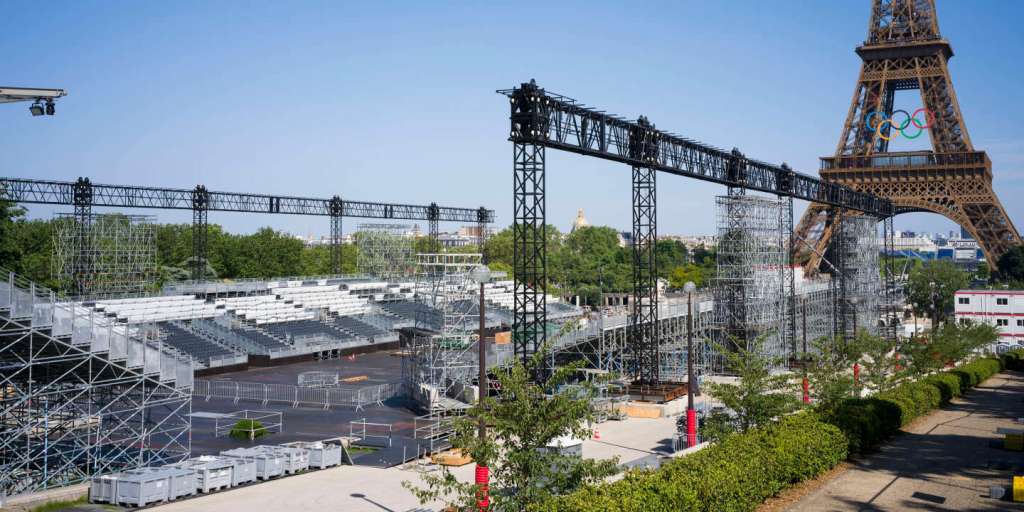
Revolutionary Water-Saving Technologies in Olympic Venues
Paris is making a splash with some seriously smart water-saving technologies for the Olympics. From high-tech irrigation to rainwater harvesting, the city is showcasing how to conserve water in style. Let’s dive into the standout innovations.
Smart Irrigation Systems
Think of smart irrigation as a high-tech gardening assistant. These systems use sensors and automation to water plants only when needed, based on weather and soil conditions. At the Paris Olympics, this means lush, green fields and gardens without wasting a drop of water. It’s like having a garden that knows exactly when it needs a drink!
Rainwater Harvesting
Rainwater harvesting is all about capturing and reusing the rain that falls on rooftops and other surfaces. Paris is using this collected rainwater for things like irrigation and cooling systems, making sure every drop is put to good use. It’s a clever way to turn nature’s gifts into valuable resources, even before they hit the ground.
Water Recycling and Reuse
Water recycling is a game-changer. It involves treating used water so it can be reused for non-potable purposes like irrigation and flushing. Paris is implementing advanced systems to clean and repurpose water, cutting down on the need for fresh water and making sure nothing goes to waste. It’s about recycling water so it keeps on giving.
Eco-Friendly Landscaping
Paris’s landscaping is as smart as its water systems. By using drought-resistant plants and green roofs, the city is reducing its water use and creating beautiful, sustainable green spaces. It’s a way to keep the Olympic venues looking great while using less water.
These innovative approaches are more than just impressive—they’re setting new standards for how we manage water. Paris is leading the way, showing that with creativity and technology, we can make a big impact on water conservation.
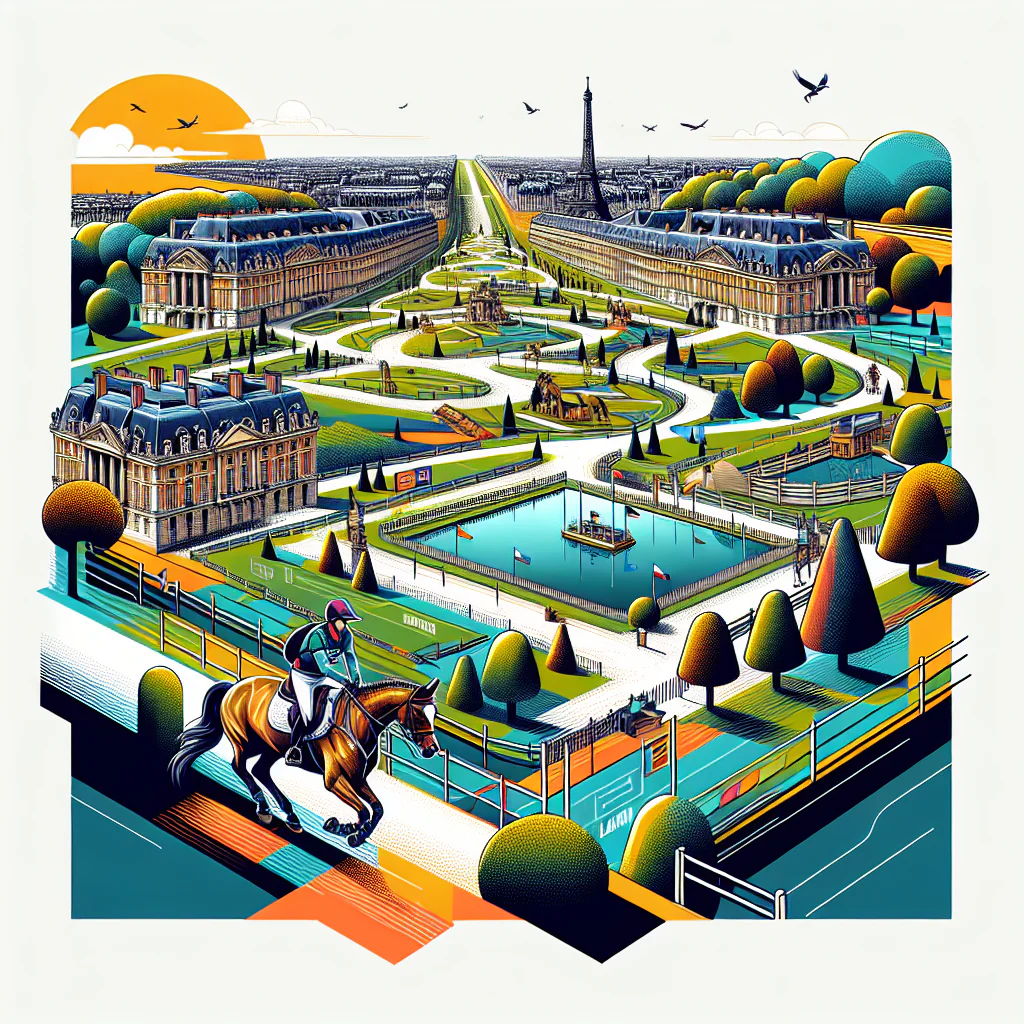
Innovative Water-Efficient Fixtures and Equipment
Paris isn’t stopping with just high-tech systems and smart landscaping. The city is also incorporating cutting-edge fixtures and equipment to further enhance water efficiency at the Olympic venues. Here’s a look at the game-changing water-saving tools being used.
Low-Flow Fixtures
Low-flow fixtures are like the ultimate water savers. They include faucets, showers, and toilets designed to use less water without sacrificing performance. Paris is outfitting its Olympic venues with these fixtures to ensure that every drop counts. Imagine showers that still give a great rinse while using a fraction of the water, or toilets that use just the right amount with each flush. It’s all about making water-efficient choices that add up to big savings.
High-Efficiency Cooling Systems
Cooling systems are essential for keeping venues comfortable, but they can be water hogs. Paris is tackling this with high-efficiency cooling systems that use recycled water. Instead of relying on fresh water, these systems repurpose used water for cooling, drastically cutting down on water consumption. It’s a smart way to keep things cool while being kind to our water resources.
These water-efficient fixtures and systems aren’t just about technology; they’re about making everyday operations more sustainable. Paris is proving that with the right tools, it’s possible to save water and still deliver top-notch experiences.
The Role of Design and Architecture
Paris isn’t just focusing on technology and equipment; it’s also integrating water-saving strategies right into the design and architecture of its Olympic venues. This approach combines aesthetics with practicality to create spaces that are both stunning and sustainable. Let’s explore how Paris is making a difference through smart design.
Sustainable Building Materials
The choice of building materials plays a huge role in water conservation. Paris is using innovative materials designed to be water-efficient. For example, permeable pavements allow rainwater to seep through and be absorbed, reducing runoff and helping replenish groundwater. Other materials, like water-retentive building components, help manage water flow and reduce waste. By selecting these eco-friendly materials, Paris is ensuring that its venues are not only beautiful but also built with sustainability in mind.
Architectural Innovations
Parisian architects are also thinking outside the box with their designs. They’re incorporating features like green walls and water-sensitive urban designs that not only look great but also help conserve water. Green walls, for instance, are covered with plants that provide natural cooling and absorb rainwater, while water-sensitive design principles ensure that the architecture works in harmony with the local water cycle. These innovations are transforming the way we think about building and water management, proving that great design can also be incredibly sustainable.
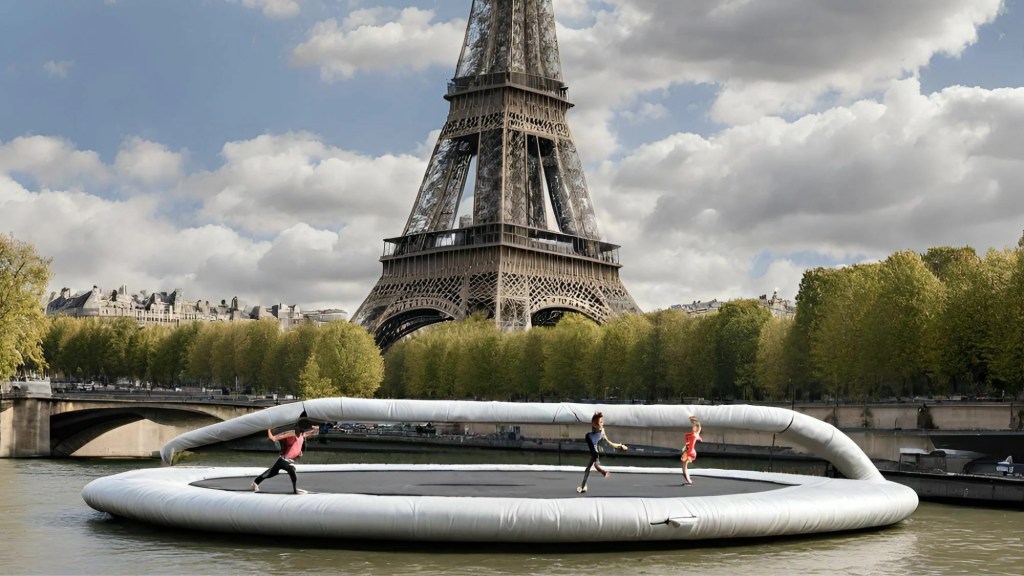
Through thoughtful design and smart material choices, Paris is setting a new standard for how architecture can support water conservation. The city’s approach shows that blending aesthetics with functionality can lead to innovative solutions that benefit both the environment and the community.
The Impact and Future of Water-Saving Innovations
Paris is leading the charge with its impressive water-saving innovations for the Olympics, and the impact is set to be profound. But what does this mean for the future? Let’s explore the environmental benefits and how these advancements could inspire other events and cities around the world.
Environmental Benefits
The water-saving technologies and practices being implemented for the Paris Olympics aren’t just about making a splash—they’re about making a real difference. By conserving water and reducing waste, these innovations help lower the overall environmental footprint of the event. From smart irrigation systems to rainwater harvesting, each technology contributes to a more sustainable future. The result is a significant reduction in water usage and less strain on local resources, proving that large-scale events can be environmentally responsible and still achieve their goals.
Inspiration for Future Events
Paris isn’t just setting a new standard for the Olympics; it’s also paving the way for future events worldwide. The city’s creative and effective water-saving solutions are showcasing what’s possible when innovation meets sustainability. Other cities and organizers can look to Paris as a model for how to integrate water conservation into large-scale projects. By adopting similar practices, future events can contribute to global efforts in sustainability and inspire even more innovative solutions.
Paris’s commitment to water-saving innovations is more than just a temporary measure; it’s a step towards a more sustainable future. The city is demonstrating that with the right approach, it’s possible to host world-class events while also protecting our precious water resources. As we look to the future, Paris’s efforts will serve as a powerful reminder of what’s achievable when we prioritize sustainability in every aspect of our lives.
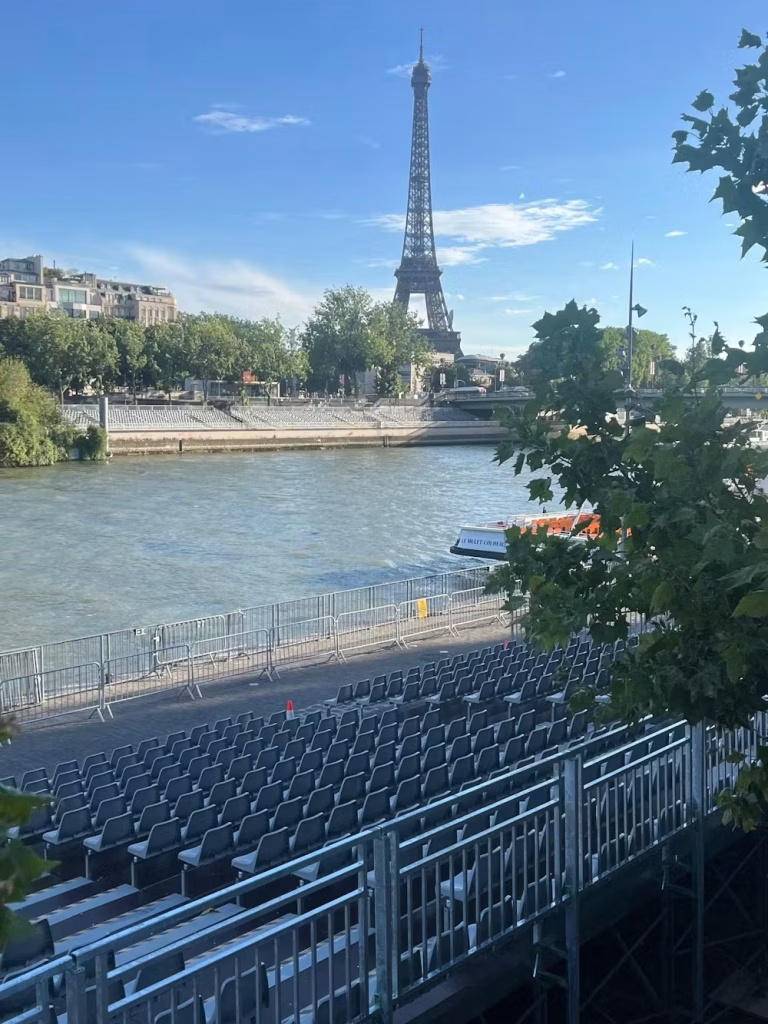
Conclusion
Paris is not just preparing to host the Olympics; it’s setting a new standard for sustainability with its innovative water-saving measures. As we wrap up our exploration of these groundbreaking practices, here’s a recap of what makes Paris’s approach so remarkable and why it matters for the future.
Recap of Innovations
From smart irrigation systems and rainwater harvesting to water recycling and eco-friendly landscaping, Paris is showcasing an impressive array of water-saving technologies. Each innovation plays a crucial role in conserving water and reducing waste, turning Olympic venues into models of sustainability. By incorporating low-flow fixtures and high-efficiency cooling systems, Paris is not only saving water but also demonstrating how practical and impactful these technologies can be.
Looking Forward
Paris’s efforts are a significant step forward in the realm of sustainable event planning. The city’s commitment to water conservation is a clear message that large-scale events can indeed prioritize environmental responsibility without compromising on quality or performance. This approach sets a powerful precedent for future events and urban developments, highlighting the importance of integrating sustainability into every aspect of planning and design.
Call to Action
What can you take away from Paris’s example? It’s a call to action for everyone to support and advocate for water-saving innovations in their own communities. Whether it’s by adopting water-efficient practices at home, encouraging sustainable policies in local projects, or simply spreading awareness, every effort counts. By embracing these changes, we can all contribute to a more sustainable future and ensure that our precious water resources are used wisely.

Dr. Alexander Tabibi is an entrepreneur, investor, and advocate for sustainable innovation with a deep commitment to leveraging technology for environmental and social good. As a thought leader at the intersection of business and sustainability, Dr. Tabibi brings a strategic vision to Green.org, helping guide its mission to inspire global climate awareness and actionable change.
With a background in both medicine and business, Dr. Tabibi combines analytical rigor with entrepreneurial insight.