
Contents
Introduction
The Paris Olympics aren’t just about thrilling sports and unforgettable moments. This time around, they’re also making waves for their commitment to the environment. Paris is not just hosting the Games; they’re setting a new standard for eco-friendly events. But here’s something you might not have realized: the media coverage surrounding the Paris Olympics plays a crucial role in spreading environmental awareness.
In an era where environmental issues are front and center, media outlets are grabbing the spotlight to showcase how the Paris Olympics are going green. From sustainable venues to cutting-edge waste management systems, the coverage is designed to highlight the green practices of the Games. But what’s behind this focus? Is it all about promoting a positive image, or is there a deeper agenda at play?
In this article, we’ll dive into how the media is framing the Paris Olympics as a model for environmental responsibility. We’ll explore how their coverage might be influencing your view of the Olympics and the broader message about sustainability. By understanding the media’s role, you’ll get a clearer picture of how the Games are not just a sports spectacle but a part of a larger conversation about our planet’s future. Let’s uncover how the media’s hidden agenda is shaping our environmental awareness through the Paris Olympics.
The Environmental Focus of the Paris Olympics
Paris’s Green Commitment
When it comes to the Paris Olympics, the emphasis isn’t just on winning gold medals or breaking records—it’s on winning big for the environment. Paris has made a bold promise to host the most eco-friendly Olympics ever, and this commitment is visible in every aspect of the Games. So, what does that actually mean? Let’s break it down.
Green Initiatives
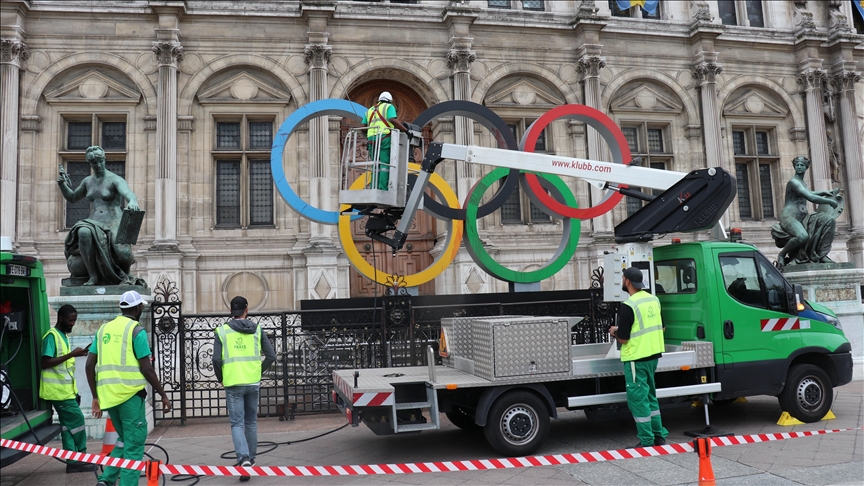
Paris is rolling out a variety of Green Initiatives to ensure the Olympics are as sustainable as possible. Imagine watching the Games in venues designed with the environment in mind. The city has created sustainable sports arenas that use energy-efficient technologies, minimize waste, and even recycle water. They’re also focusing on reducing the environmental impact of transportation by promoting public transit and electric vehicles. These measures aren’t just about being green; they’re about setting a new standard for how large-scale events can operate in harmony with nature.
In this section, we’ll dive deeper into Paris’s green efforts and what makes them so significant. We’ll look at how these initiatives are not only changing the way we think about sporting events but also setting an example for future global gatherings. So, buckle up as we explore how Paris is turning the Olympics into a showcase for environmental innovation.
Media’s Role in Environmental Messaging
When you tune into coverage of the Paris Olympics, you might notice that there’s a lot of focus on the environment. But why is the media so keen to spotlight the green side of the Games? It’s not just about showing off Paris’s eco-friendly efforts; there’s a whole strategy behind it. Let’s dive into how the media is using this global event to spread environmental awareness.
Promoting Green Practices
One of the biggest roles the media plays is in Promoting Green Practices. News outlets, social media, and even sports channels are all highlighting how the Paris Olympics are setting new standards for sustainability. They’re showcasing everything from energy-efficient venues to waste-reducing practices, aiming to inspire viewers to think more about their own environmental impact. By putting a spotlight on these green practices, the media is encouraging a broader conversation about sustainability.
Coverage of Environmental Impact
Next up is the Coverage of Environmental Impact. The media is not just reporting on how green the Olympics are but also on the potential environmental benefits and challenges. This includes discussions about how the Games are reducing carbon emissions and managing waste, as well as any issues that might arise. By covering both the successes and the hurdles, the media provides a more balanced view of how effective these green initiatives really are.
Influence on Public Opinion
Finally, let’s talk about the Influence on Public Opinion. The way the media frames the Paris Olympics can significantly shape how people think about environmental issues. Positive coverage of the Games’ sustainability efforts can lead to increased public support for environmental policies and practices. On the flip side, if the media downplays or overlooks certain aspects, it might not have the same impact. By understanding this influence, we can better appreciate how media coverage contributes to our awareness and attitudes towards the environment.
Hidden Agendas: Unveiling Media Strategies
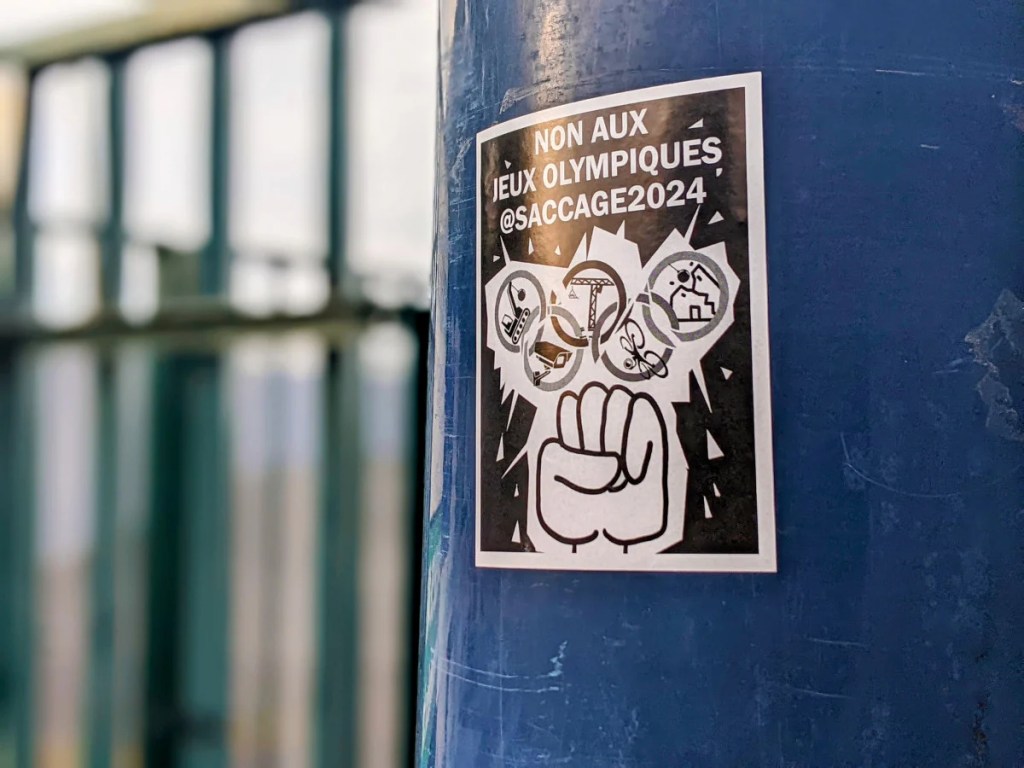
When the media covers the Paris Olympics, it’s not just about reporting scores and highlights. There’s a lot more going on behind the scenes, and understanding these Hidden Agendas can reveal how the coverage is crafted to shape public perception. Let’s take a closer look at some of the strategies the media might be using in their environmental reporting.
Selective Reporting
One key aspect to consider is Selective Reporting. The media might choose to highlight certain positive environmental aspects of the Paris Olympics while downplaying or ignoring less favorable details. For example, they might focus on the state-of-the-art recycling programs and energy-efficient venues but gloss over any challenges or setbacks. This selective approach can create a skewed view of how green the Olympics truly are, influencing how the public perceives the event.
Greenwashing Concerns
Another important point is Greenwashing Concerns. Greenwashing happens when an organization or event, like the Olympics, promotes itself as more environmentally friendly than it really is. The media can sometimes play a role in this by emphasizing the positive while downplaying any negative impacts. By examining whether the media is inadvertently or intentionally contributing to greenwashing, we can better understand the true environmental impact of the Games.
Commercial Interests
Lastly, let’s talk about Commercial Interests. Media outlets might have partnerships with eco-friendly brands or sponsors of the Olympics, which could influence how they cover environmental issues. These commercial ties can lead to more favorable coverage of the Games’ green initiatives to please sponsors and advertisers. It’s worth exploring how these interests might affect the objectivity of the reporting and whether they shape the overall narrative in favor of certain brands or agendas.
Case Studies and Examples
To truly understand how the media’s portrayal of the Paris Olympics influences environmental awareness, it’s helpful to look at some real-world Case Studies and Examples. These provide concrete illustrations of how media strategies are playing out in practice. Let’s dive into a few notable examples to see how the media’s focus on environmental issues is shaping the public’s perception of the Games.

Highlighted Media Campaigns
One example of effective media coverage is Highlighted Media Campaigns that focus on the Olympics’ green initiatives. For instance, major news outlets and social media platforms have spotlighted the cutting-edge technologies used in Olympic venues, such as energy-saving lighting and sustainable building materials. These campaigns often feature eye-catching visuals and compelling stories that emphasize how the Paris Olympics are leading the way in environmental responsibility. By highlighting these efforts, the media helps set a positive tone and encourages other events to adopt similar practices.
Controversial Coverage
On the flip side, there are also examples of Controversial Coverage where media reports have faced criticism. Some outlets may have been accused of exaggerating the success of the environmental initiatives or not adequately addressing challenges. For example, there might be reports praising the Olympics’ waste management systems without fully exploring issues like the actual reduction in waste or any logistical difficulties encountered. Such coverage can lead to debates about the accuracy and completeness of the information being presented to the public.
In this section, we’ll examine both the successful and contentious media campaigns related to the Paris Olympics. By looking at these case studies, we can better understand how media coverage impacts our view of the event’s environmental efforts and what lessons can be learned for future reporting on sustainability.
The Impact of Media-Driven Environmental Awareness
The way the media covers the Paris Olympics isn’t just about reporting the news—it’s also about shaping how we think and feel about environmental issues. The Impact of Media-Driven Environmental Awareness can be significant, influencing everything from public engagement to policy changes. Let’s explore how the media’s focus on the Paris Olympics is making waves and what it means for both the Games and the environment.
Public Engagement
One major effect of media coverage is increased Public Engagement with environmental issues. By spotlighting the Olympics’ green initiatives, media outlets are encouraging viewers to pay more attention to sustainability. For example, when media coverage highlights how the Games are using renewable energy and reducing waste, it can inspire people to adopt similar practices in their own lives. This kind of coverage helps raise awareness and motivates individuals to get involved in environmental causes.
Policy and Behavior Changes
The media’s portrayal of the Paris Olympics can also lead to Policy and Behavior Changes. Positive media coverage of the Games’ environmental efforts can put pressure on policymakers to adopt greener practices and regulations. Additionally, if the public sees that the Olympics are making a difference, they might push for more sustainable practices in other areas, such as local events or everyday life. By influencing both public opinion and policy, media coverage can drive broader changes toward a more sustainable future.
Future Implications and Lessons
As we wrap up our exploration of the media’s role in spreading environmental awareness through the Paris Olympics, it’s essential to consider the Future Implications and Lessons that can be drawn from this coverage. What does the way the media handles the Olympics mean for future events, and what can we learn from it? Let’s dive into these questions to understand the broader impact and potential for change.
Long-Term Effects on Environmental Awareness
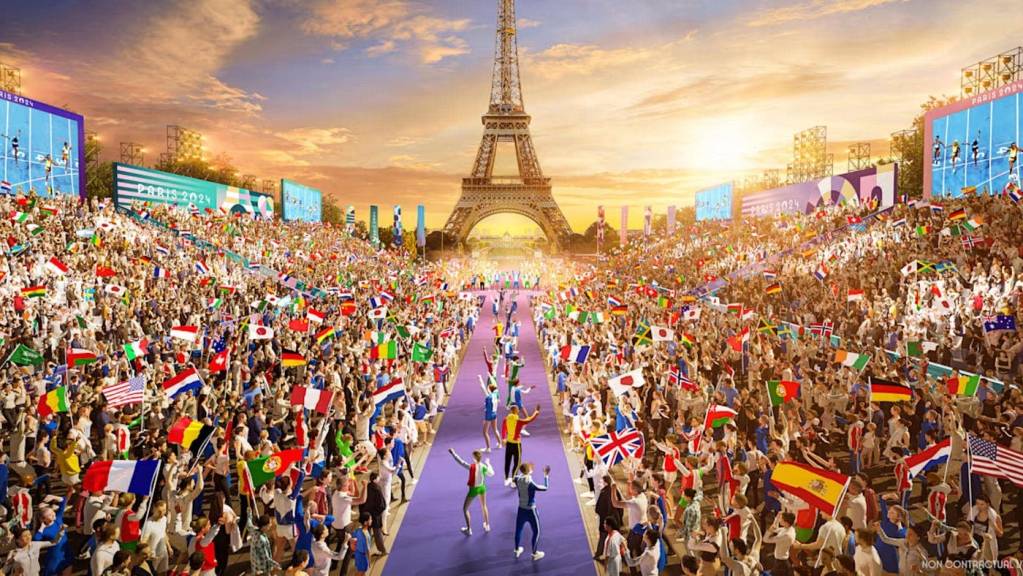
One key consideration is the Long-Term Effects on Environmental Awareness. The media’s focus on the Paris Olympics as a model for sustainability can set a precedent for future sporting events and large-scale gatherings. If the coverage successfully highlights the positive environmental practices and their impact, it could encourage other cities and organizations to follow suit. This ripple effect can lead to more widespread adoption of green practices and a greater emphasis on sustainability in event planning and beyond.
Recommendations for Future Coverage
Finally, let’s look at Recommendations for Future Coverage. To build on the successes and address any shortcomings of the current media approach, there are several things to consider. Media outlets should strive for balanced reporting, giving a complete picture of both the successes and challenges of the environmental initiatives. They should also aim to avoid greenwashing and ensure that their coverage is transparent and accurate. By doing so, the media can continue to play a crucial role in promoting genuine environmental awareness and driving positive change.
Conclusion
As we wrap up our deep dive into the media’s role in spreading environmental awareness through the Paris Olympics, it’s clear that the coverage goes far beyond simply reporting on the Games. The media’s focus on the Olympics’ green initiatives plays a crucial part in shaping public perception and driving environmental consciousness. Let’s recap the key points and reflect on the broader implications.
Summary of Key Points
First off, the Paris Olympics have made a significant commitment to sustainability, with a range of green initiatives designed to minimize environmental impact. The media has played a pivotal role in promoting these efforts, highlighting everything from energy-efficient venues to waste reduction strategies. By shining a spotlight on these green practices, the media aims to inspire viewers and set a new standard for future events.
However, the media’s coverage also comes with its own set of strategies and agendas. Selective reporting, greenwashing concerns, and commercial interests can all influence how the environmental efforts of the Olympics are portrayed. This can lead to a skewed view of how effective these initiatives really are.
Final Thoughts
Overall, the media’s portrayal of the Paris Olympics has the potential to significantly impact public attitudes and behaviors towards environmental issues. By increasing engagement and influencing policy changes, the media helps drive a broader conversation about sustainability. As we look to the future, the lessons learned from this coverage can guide how media handles environmental reporting, ensuring that it continues to promote genuine awareness and positive change.

Dr. Alexander Tabibi is an entrepreneur, investor, and advocate for sustainable innovation with a deep commitment to leveraging technology for environmental and social good. As a thought leader at the intersection of business and sustainability, Dr. Tabibi brings a strategic vision to Green.org, helping guide its mission to inspire global climate awareness and actionable change.
With a background in both medicine and business, Dr. Tabibi combines analytical rigor with entrepreneurial insight.