
Contents
Introduction
Ever wondered how Olympians can influence more than just the outcome of their events? At the Paris Olympics, a new wave of athletes is taking the spotlight—not just for their incredible skills on the field but for their passionate commitment to saving the planet. These eco-warrior athletes are using their global stage to champion environmental causes, blending their love for sports with a drive to make a difference.
In a world where climate change, plastic pollution, and wildlife conservation are front and center, these Olympians are stepping up in a big way. They’re not just competing for medals; they’re competing to raise awareness about critical environmental issues and inspire action.
Why does this matter? Well, it’s simple. Sports have a massive reach and can influence millions of people. When athletes use their fame to promote sustainability, they’re helping to shift public perception and encourage positive change. From reducing plastic waste to supporting wildlife preservation, these athletes are proving that the Olympic Games are more than just a showcase of human prowess—they’re also a platform for global good.
So, as you watch the Paris Olympics unfold, keep an eye out for these remarkable eco-warriors. They’re not only pushing the boundaries of athletic achievement but also leading a powerful movement towards a greener future.
The Rise of Eco-Conscious Olympians
A New Era in Sports
Over the years, we’ve seen athletes transform from simple competitors to powerful voices for change, and this trend is really taking off at the Paris Olympics. So, what’s driving this shift towards eco-consciousness in sports?
From Performance to Purpose
In the past, athletes primarily focused on their performance, leaving social and environmental issues to others. But as awareness of environmental problems has grown, so has the role of athletes. Today’s Olympians are not just aiming for gold medals—they’re also striving to make the world a better place. It’s all about blending athletic excellence with a commitment to sustainability.
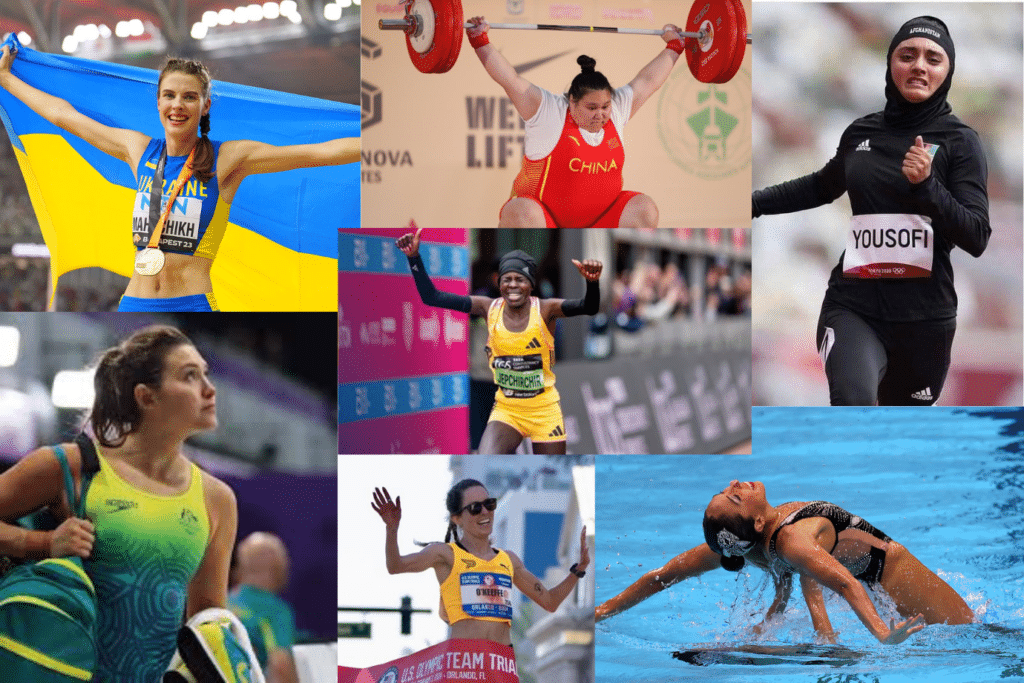
Recent Trends and Role Models
Recent trends show a surge in athletes who are passionate about environmental issues. They’re not just talking the talk; they’re walking the walk. Whether it’s by cutting down on their personal plastic use, supporting renewable energy, or backing conservation efforts, these athletes are leading by example. They’re using their influence to advocate for greener practices and inspire their fans to join the movement.
The Driving Force
What’s behind this shift? It’s partly because athletes are more aware than ever of the environmental impact of their sports and lifestyles. With growing concerns about climate change, plastic pollution, and habitat destruction, many see their platform as a chance to make a difference. And let’s face it—when a top athlete talks about environmental issues, people listen.
Spotlight on Eco-Warrior Athletes in Paris
Prominent Figures
As the Paris Olympics showcase incredible athletic talent, several standout athletes are also making waves for their environmental activism. These eco-warriors are turning heads with their commitment to sustainability, proving that their impact goes far beyond their performances.
Leonard Fournette: Football Player
Leonard Fournette, known for his explosive performances on the football field, is also an advocate for environmental causes. Fournette is involved in initiatives to reduce plastic waste and promote recycling. His efforts include supporting campaigns to decrease single-use plastics and encouraging fans to adopt more sustainable practices.
Megan Rapinoe: Soccer Player
Megan Rapinoe, a celebrated soccer player, has been a vocal advocate for environmental sustainability. She’s involved in various initiatives to address climate change and support renewable energy projects. Rapinoe’s activism includes working with organizations that focus on reducing carbon footprints and promoting eco-friendly practices in sports.
Naomi Osaka: Tennis Player
Naomi Osaka, a rising star in tennis, is also making her mark as an environmental advocate. Osaka is passionate about wildlife conservation and has supported projects aimed at protecting endangered species. Her advocacy includes raising awareness about habitat destruction and promoting conservation efforts through her platform.

Their Causes
These athletes are not just advocates—they’re active participants in addressing some of the planet’s biggest challenges. Here’s a closer look at the environmental issues they’re championing:
Climate Change
Megan Rapinoe is at the forefront of climate change advocacy. She participates in campaigns to raise awareness about global warming and supports initiatives aimed at reducing greenhouse gas emissions. Her activism is focused on pushing for policies and practices that mitigate climate change.
Plastic Pollution
Leonard Fournette is tackling plastic pollution by promoting recycling and reducing plastic use. His efforts include supporting initiatives that aim to decrease plastic waste and encouraging his fans to adopt sustainable habits.
Wildlife Conservation
Naomi Osaka is dedicated to wildlife conservation, focusing on protecting endangered species and their habitats. She supports various conservation projects and uses her platform to raise awareness about the importance of preserving wildlife and combating habitat loss.
How Athletes Are Making a Difference
Advocacy and Public Speaking
Eco-warrior athletes are not just showcasing their talents—they’re also using their voices to drive environmental change. Through public speaking and advocacy, they’re raising awareness about critical issues and inspiring their audiences to take action.
Many athletes participate in interviews, public appearances, and social media campaigns to highlight their environmental causes. They discuss topics like climate change, plastic pollution, and wildlife conservation, often sharing personal stories about why these issues matter to them. Their compelling messages reach millions of fans, spreading the word and encouraging others to get involved.
For example, Megan Rapinoe frequently speaks at events and uses her social media platforms to promote sustainability. Her influential voice helps shine a spotlight on environmental issues and encourages her followers to support green initiatives.
Sustainable Practices
These athletes are leading by example, making significant changes in their personal and professional lives to reduce their environmental impact. From adopting eco-friendly habits to supporting green technologies, their efforts demonstrate a commitment to sustainability.
Leonard Fournette, for instance, has been involved in initiatives to reduce plastic waste. He’s made changes in his own life, such as reducing single-use plastics and promoting recycling. His actions set a standard for others to follow and show that sustainability can be integrated into daily routines.
Naomi Osaka also practices what she preaches by supporting sustainable brands and making eco-conscious choices in her personal life. Her commitment extends to her professional endeavors, where she advocates for greener practices within the sports industry.

Collaborations and Partnerships
Athletes often team up with environmental organizations, companies, and other influencers to amplify their impact. These collaborations can lead to powerful campaigns, funding for environmental projects, and increased awareness about critical issues.
Megan Rapinoe has partnered with various environmental organizations to promote climate action. Her collaborations help drive larger initiatives, such as campaigns to reduce carbon footprints and support renewable energy.
Naomi Osaka’s work with wildlife conservation groups demonstrates how athletes can support important causes through strategic partnerships. These collaborations help fund conservation projects and raise awareness about endangered species.
The Impact of Athlete Activism
Raising Awareness
One of the most significant ways eco-warrior athletes are making a difference is by raising awareness about environmental issues. Their global reach and media presence allow them to bring critical topics to the forefront of public conversation.
Athletes like Megan Rapinoe use their high-profile status to highlight pressing environmental concerns. Through interviews, social media posts, and public appearances, they educate their audiences about the importance of addressing climate change, reducing plastic waste, and protecting wildlife. Their platforms amplify these issues, reaching millions who might not otherwise engage with environmental causes.
Influencing Policy
Athlete activism doesn’t just stop at raising awareness—it can also influence policy and lead to tangible changes. When athletes speak out about environmental issues, they can inspire policy makers and leaders to take action.
For example, Naomi Osaka’s advocacy for wildlife conservation has contributed to increased attention on habitat preservation. Her support for conservation projects helps drive funding and policy changes that benefit endangered species. By using their influence, athletes can help shape policies that address environmental challenges on a larger scale.
Inspiring Others
Perhaps one of the most powerful impacts of athlete activism is its ability to inspire others. When fans see their favorite athletes taking a stand for the environment, they’re often motivated to make changes in their own lives.
Leonard Fournette’s efforts to reduce plastic use and promote recycling set a positive example for his followers. His commitment to sustainability encourages fans to consider their own environmental impact and adopt greener practices. This ripple effect can lead to broader societal changes, driven by the influence of athletes who lead by example.
Challenges Faced by Eco-Warrior Athletes
Balancing Act
Being an eco-warrior while maintaining peak athletic performance is no small feat. These athletes face the challenge of balancing their rigorous training and competition schedules with their commitment to environmental causes.
For many, the demands of their sports can make it difficult to find time for activism. They must juggle intense practice sessions, travel, and recovery with their efforts to promote sustainability. Despite these challenges, many athletes manage to integrate their environmental advocacy into their busy lives, demonstrating their dedication to both their sport and the planet.

Criticism and Backlash
Athletes who advocate for environmental issues often encounter criticism and backlash. Some skeptics argue that athletes should focus solely on their sports rather than engage in activism. Others may question the sincerity of their efforts or criticize them for not doing enough.
For instance, Megan Rapinoe has faced criticism from various quarters for her environmental activism, with detractors questioning her commitment. However, she continues to address these criticisms head-on, using them as opportunities to reinforce her message and demonstrate the importance of environmental responsibility.
Resource Limitations
Another significant challenge for eco-warrior athletes is accessing the resources needed to support their environmental initiatives. They often rely on partnerships and sponsorships to fund their campaigns, which can be a complex and competitive process.
Leonard Fournette, for example, works with various organizations to support his environmental efforts, but securing and managing these partnerships requires significant effort and negotiation. The struggle to find adequate resources can limit the scope and impact of their initiatives, making it crucial for athletes to build strong networks and alliances to advance their causes.
Looking Ahead: The Future of Eco-Conscious Athletes
Emerging Trends
As environmental concerns continue to grow, the role of eco-conscious athletes is likely to evolve and expand. We can expect to see a rise in the number of athletes who actively engage in environmental advocacy, driven by increasing awareness and public support for sustainability.
In the future, more athletes may integrate eco-friendly practices into their training and competition routines. This could include using sustainable gear, reducing waste, and supporting green technologies. The trend towards eco-consciousness is likely to become a significant aspect of sports culture, with athletes leading the charge for more sustainable practices both on and off the field.
Opportunities for Growth
The future holds numerous opportunities for eco-conscious athletes to amplify their impact. Increased collaboration with environmental organizations, businesses, and government agencies could lead to more comprehensive and effective sustainability initiatives.
Athletes might also play a larger role in shaping environmental policies and practices within their sports organizations. By advocating for green policies and participating in sustainability committees, they can help drive systemic changes that benefit both the environment and the sports community.
Moreover, as public interest in sustainability grows, athletes will have more platforms to reach wider audiences. Enhanced media coverage and social media presence can help spread their messages further, inspiring more fans to embrace eco-friendly practices and support environmental causes.
Conclusion
Eco-warrior athletes at the Paris Olympics are setting a new standard for what it means to be a world-class competitor. Their dedication to environmental causes demonstrates that athletic excellence and sustainability can go hand in hand. From raising awareness about climate change and plastic pollution to advocating for wildlife conservation, these athletes are making a significant impact both on and off the field.
Their efforts highlight the growing trend of athletes using their platforms to address critical environmental issues. By integrating eco-friendly practices into their personal and professional lives, they not only lead by example but also inspire others to take action.
Call to Action
As you watch the Paris Olympics, take note of the incredible eco-warrior athletes and their environmental initiatives. Their stories serve as a powerful reminder that each of us can make a difference. Consider how you can support sustainability in your own life—whether it’s reducing plastic use, supporting green technologies, or participating in conservation efforts.
By following the lead of these remarkable athletes, you can contribute to a more sustainable future. Join the movement and make your own impact on the planet. Together, we can create a world where sports and environmental stewardship go hand in hand, paving the way for a healthier planet for generations to come.

Dr. Alexander Tabibi is an entrepreneur, investor, and advocate for sustainable innovation with a deep commitment to leveraging technology for environmental and social good. As a thought leader at the intersection of business and sustainability, Dr. Tabibi brings a strategic vision to Green.org, helping guide its mission to inspire global climate awareness and actionable change.
With a background in both medicine and business, Dr. Tabibi combines analytical rigor with entrepreneurial insight.