Contents
- 1 Introduction
- 2 Understanding Styrofoam Recycling
- 3 Benefits of Styrofoam Recycling
- 4 Steps to Recycle Styrofoam
- 5 Recycling Process for Styrofoam
- 6 Challenges in Styrofoam Recycling
- 7 Innovations in Styrofoam Recycling
- 8 Community and Corporate Initiatives
- 9 Education and Awareness
- 10 Conclusion
- 11 Additional Resources
Introduction
Styrofoam, also known as polystyrene foam, is a ubiquitous material in our daily lives, found in everything from food containers and packaging to insulation. While convenient for keeping our drinks hot or protecting fragile items, Styrofoam poses a significant environmental challenge.
Here’s the deal: Styrofoam doesn’t break down easily. Once it ends up in landfills, it can stick around for hundreds of years, taking up space and releasing harmful chemicals into the environment. Imagine all those coffee cups and food containers piling up and not going away anytime soon—that’s the reality with Styrofoam.
But here’s the good news: recycling Styrofoam can make a big difference. By recycling, we can reduce the amount of Styrofoam waste that ends up in landfills. This not only helps to conserve space but also cuts down on pollution and greenhouse gas emissions that come from producing new materials.
In this guide, we’ll dive into everything you need to know about Styrofoam recycling. From understanding what can and can’t be recycled to finding recycling centers near you, we’ll cover it all. You’ll also discover why recycling matters, how it benefits the environment, and practical tips for making a positive impact. So, let’s get started and learn how you can play a part in keeping our planet cleaner and healthier for future generations.
Understanding Styrofoam Recycling
Styrofoam recycling isn’t just about tossing your used containers into the blue bin. It involves understanding what can be recycled, where to take it, and why it matters for our planet.

Types of Styrofoam: There are different types of Styrofoam, like the kind used in food containers and the denser foam used in packaging. Each type may require different recycling processes.
Recyclability of Styrofoam: Look for the recycling symbol with a number 6 on it. This indicates that the Styrofoam is made of polystyrene, which is recyclable in some areas. However, not all recycling centers accept Styrofoam due to contamination concerns.
Knowing these basics can help you make smarter choices when it comes to disposing of Styrofoam. In the next sections, we’ll explore how you can recycle Styrofoam effectively and why it’s so important for our environment.
Benefits of Styrofoam Recycling
Let’s talk about why recycling Styrofoam is more than just a good idea—it’s crucial for the health of our planet.

Environmental Benefits: When Styrofoam is recycled, it reduces the amount of waste sent to landfills. Styrofoam takes up a lot of space and doesn’t break down easily, so keeping it out of landfills helps conserve precious landfill space and reduces pollution.
Economic Benefits: Recycling Styrofoam also makes economic sense. It creates jobs in recycling and manufacturing industries, contributing to local economies. Businesses that recycle Styrofoam can save money by reusing materials instead of purchasing new ones, which helps their bottom line.
By recycling Styrofoam, we can protect our environment and support our communities. In the following sections, we’ll dive deeper into how you can participate in Styrofoam recycling efforts and make a positive impact.
Steps to Recycle Styrofoam
Now that you understand the benefits of Styrofoam recycling, let’s break down how you can take action and recycle effectively.
Preparation: Before recycling Styrofoam, it’s important to prepare it properly. Clean any food residue or dirt from the Styrofoam containers. Break down large pieces into smaller chunks to make them easier to handle and transport.
Finding Recycling Centers: Not all recycling centers accept Styrofoam due to its lightweight and bulky nature. Research local recycling facilities or contact your municipal waste management to find out where you can drop off your Styrofoam for recycling. Some communities also hold special collection events for Styrofoam and other hard-to-recycle materials.
Taking these steps ensures that your Styrofoam can be recycled effectively, contributing to environmental conservation efforts. In the next sections, we’ll explore the recycling process for Styrofoam and common challenges in recycling this material.
Recycling Process for Styrofoam
Once you’ve prepared your Styrofoam for recycling and found a suitable recycling center, here’s what happens next in the recycling process:
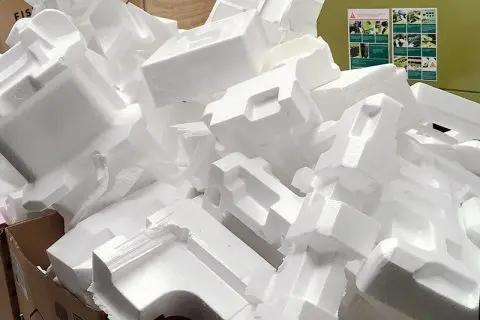
Collection: Styrofoam is collected from drop-off locations or through special collection events. Some recycling centers may also provide curbside pickup for certain types of Styrofoam.
Processing: The collected Styrofoam is then processed to prepare it for recycling. This often involves shredding or compacting the Styrofoam into smaller pieces or densifying it into blocks or pellets. This step helps reduce the volume of the material, making it easier and more cost-effective to transport.
By understanding this process, you can see how your efforts to recycle Styrofoam contribute to conserving resources and reducing environmental impact. In the following sections, we’ll explore challenges in Styrofoam recycling and innovations that are helping to improve recycling efforts worldwide.
Challenges in Styrofoam Recycling
While Styrofoam recycling offers significant environmental benefits, it also comes with its fair share of challenges that need to be addressed:
Contamination Issues: One of the biggest challenges in Styrofoam recycling is contamination. Styrofoam can easily pick up food residues, dirt, or other materials, which can affect the quality of the recycled material. Contaminated Styrofoam may not be suitable for recycling, leading to increased waste.
Economic Viability: Recycling Styrofoam can be costly due to the lightweight nature of the material and the expenses associated with collection, transportation, and processing. Low market demand for recycled Styrofoam products can also pose economic challenges for recycling facilities.
By understanding these challenges, we can work towards solutions that improve Styrofoam recycling processes and make them more effective and sustainable. In the next sections, we’ll explore innovations in Styrofoam recycling and initiatives aimed at overcoming these challenges.
Innovations in Styrofoam Recycling
Innovative approaches are revolutionizing Styrofoam recycling, paving the way for more sustainable waste management solutions:
Advanced Recycling Technologies: New chemical recycling processes break down Styrofoam into its original components, allowing for more efficient reuse in manufacturing new products. These technologies reduce waste and lessen the environmental footprint of Styrofoam disposal.
Biodegradable Alternatives: Researchers are developing biodegradable substitutes for Styrofoam, made from natural materials like corn starch or mushrooms. These alternatives break down more easily in the environment, offering a greener option compared to traditional Styrofoam.
These innovations are reshaping the landscape of Styrofoam recycling, offering promising solutions to improve recycling rates and reduce environmental impact. In the following sections, we’ll delve deeper into community and corporate initiatives, as well as the importance of education and awareness in promoting effective Styrofoam recycling practices.
Community and Corporate Initiatives
Communities and businesses are stepping up to promote better Styrofoam recycling practices and environmental stewardship:
Government Regulations: Many local governments are implementing regulations to encourage Styrofoam recycling and reduce its environmental impact. Some regions have banned certain types of Styrofoam products altogether, prompting businesses to seek eco-friendly alternatives.
Corporate Responsibility: Businesses are increasingly adopting sustainable practices by reducing Styrofoam use and implementing recycling programs. Many companies partner with recycling facilities or offer incentives for customers to return used Styrofoam products.
These initiatives play a crucial role in fostering a culture of environmental responsibility and driving positive change in waste management practices. In the next sections, we’ll explore the role of education and awareness in promoting effective Styrofoam recycling, as well as practical steps individuals can take to make a difference.
Education and Awareness
Raising awareness and educating the public about Styrofoam recycling are key to fostering sustainable behaviors and reducing environmental impact:
Public Awareness Campaigns: Informative campaigns highlight the importance of Styrofoam recycling and provide practical tips for proper disposal. These efforts aim to increase participation in recycling programs and encourage responsible waste management practices.
Consumer Behavior: Educating consumers about the benefits of recycling Styrofoam can influence purchasing decisions and promote the use of eco-friendly alternatives. Tips on reducing Styrofoam consumption and maximizing recycling efforts empower individuals to make a positive environmental impact.
By promoting education and awareness, communities can empower individuals to take action and support initiatives that promote sustainable Styrofoam recycling practices. In the following sections, we’ll summarize key points and encourage readers to join efforts in creating a cleaner, greener environment through effective waste management practices.
Conclusion
Now that we’ve explored the ins and outs of Styrofoam recycling, it’s clear that every effort counts toward a cleaner, healthier planet:
Summary of Key Points: Styrofoam recycling helps reduce landfill waste, conserve resources, and mitigate environmental pollution. Understanding recyclability, preparing Styrofoam correctly, and finding recycling centers are crucial steps in effective recycling.
Call to Action: It’s time to take action! By participating in Styrofoam recycling programs, supporting innovative technologies, and advocating for sustainable practices, we can all contribute to a more sustainable future. Together, we can make a significant impact on reducing Styrofoam waste and preserving our environment for future generations.
Let’s continue to learn, educate others, and actively participate in Styrofoam recycling efforts. Together, we can make a difference one piece of Styrofoam at a time.
Additional Resources
Recycling Centers: Find local facilities that accept Styrofoam for recycling. Check with your municipality or use online directories to locate drop-off locations and learn about specific recycling guidelines.
Educational Materials: Explore articles, videos, and guides that delve deeper into Styrofoam recycling and its environmental impact. Educating yourself further can empower you to make informed decisions and advocate for sustainable practices.
Community Engagement: Get involved in local initiatives and events focused on recycling and environmental conservation. Join clean-up efforts, participate in recycling drives, or volunteer with organizations promoting eco-friendly practices.
These resources provide avenues for continued learning and active participation in Styrofoam recycling efforts. By staying informed and engaged, we can collectively work towards a cleaner, greener future.

Dr. Alexander Tabibi is an entrepreneur, investor, and advocate for sustainable innovation with a deep commitment to leveraging technology for environmental and social good. As a thought leader at the intersection of business and sustainability, Dr. Tabibi brings a strategic vision to Green.org, helping guide its mission to inspire global climate awareness and actionable change.
With a background in both medicine and business, Dr. Tabibi combines analytical rigor with entrepreneurial insight.