
Contents
Introduction
Wondering what to do with those leftover paint cans sitting in your garage? Recycling paint not only clears up space but also helps protect our environment. When paint is disposed of improperly, it can leak harmful chemicals into our soil and waterways, posing risks to wildlife and human health. That’s where paint recycling comes in—a simple yet impactful way to responsibly manage leftover paint.
Imagine being able to clear out clutter while doing your part for the planet. Whether you have half-full cans of latex paint from a recent home project or old oil-based paints gathering dust, there are places eager to take them off your hands and ensure they’re reused or disposed of safely.
In this guide, we’ll walk you through everything you need to know about recycling paint. From understanding the types of paint that can be recycled to finding convenient drop-off locations near you, we’ve got you covered. Let’s dive in and discover how easy it can be to make a positive environmental impact by recycling your paint!
Why Recycle Paint?
Ever wondered what happens to that old paint once it’s no longer needed? Pouring it down the drain or tossing it in the trash might seem like the easiest options, but they can have serious consequences. Paint contains chemicals that can harm our environment if not handled properly. By recycling paint, you’re preventing these chemicals from seeping into our soil and waterways, where they can impact plants, animals, and even our drinking water.

But it’s not just about avoiding harm—it’s also about doing good. Recycling paint reduces the need for raw materials in manufacturing new paints, conserving resources and energy. Plus, it supports local recycling efforts, contributing to a cleaner, healthier community for everyone.
In this section, we’ll explore the environmental impact of improper paint disposal and the benefits of recycling. You’ll see just how easy it is to make a positive difference by choosing to recycle your paint instead of throwing it away.
Types of Paint
Paint comes in different forms, each with its own characteristics and recycling considerations. Understanding these types can help you determine the best way to handle and recycle your leftover paint.
- Latex Paint: Also known as water-based paint, latex paint is common for indoor and outdoor projects. It’s easy to clean up with water and typically less harmful than oil-based paints. Recycling centers often accept latex paint for reblending or donation.
- Oil-Based Paint: These paints use solvents for thinning and cleanup and are known for their durability. They require special handling due to their chemical composition but can often be recycled through designated programs or hazardous waste facilities.
- Aerosol Paint: Spray paints or aerosols come in cans and are convenient for small projects. They contain propellants and pigments that need proper recycling to prevent environmental harm.
Knowing what type of paint you have will guide you in preparing it for recycling and finding the right recycling facility or program. Let’s explore how to identify and manage each type effectively.
Preparing Paint for Recycling
Before you recycle your paint, a little preparation goes a long way. Properly handling and storing paint ensures it’s ready for recycling and reduces the chances of spills or leaks that could harm the environment. Here are some simple steps to get your paint ready:
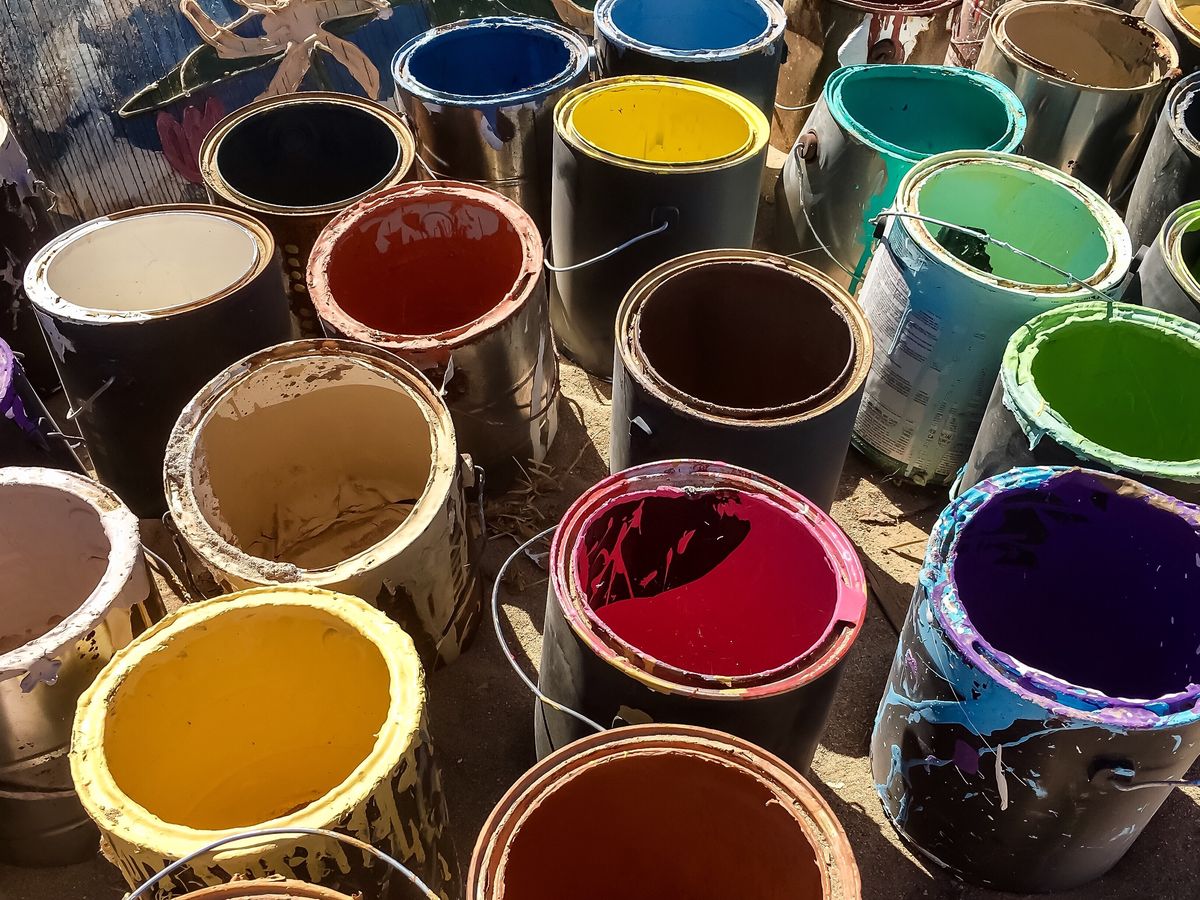
- Storage: Keep unused paint in its original container with the lid securely sealed. Store it in a cool, dry place away from children and pets.
- Identification: Check labels to identify the type of paint you have—latex, oil-based, or aerosol. This helps determine the appropriate recycling method.
- Condition: Ensure paint is in usable condition for recycling. If paint has dried out or become unusable, there are specific ways to dispose of it safely.
By preparing your paint properly, you’re not only making it easier to recycle but also reducing waste and environmental impact. In the next section, we’ll explore where and how you can recycle your paint, making it a seamless process for you and beneficial for our planet.
Where to Recycle Paint
Now that your paint is prepared for recycling, it’s time to find the right place to take it. Whether you have leftover cans from a home renovation project or old paint sitting in storage, there are several options for recycling paint in your community. Here’s where you can go:
- Local Recycling Centers: Many cities and towns have designated recycling centers that accept paint. These centers often have specific drop-off locations and hours for paint disposal. They can also provide guidance on which types of paint they accept.
- Retailers and Hardware Stores: Some large chain stores and local hardware stores participate in paint recycling programs. They may accept paint for recycling during regular business hours, making it convenient to drop off your paint while running errands.
- Community Events and Collection Days: Keep an eye out for community recycling events or hazardous waste collection days in your area. These events often accept paint along with other household hazardous wastes, providing a centralized and safe disposal option.
- Specialized Recycling Programs: For larger quantities or specific types of paint, there are specialized recycling programs available. These programs may cater to businesses, contractors, or individuals with large volumes of paint to dispose of.
Finding the right recycling option for your paint not only helps keep your home clutter-free but also supports environmental sustainability in your community. In the next section, we’ll dive deeper into each of these recycling options and provide tips on how to make the most of them.
DIY Paint Recycling
Did you know you can recycle paint right from your own home? Whether you have leftover latex paint or need to dispose of dried-out cans, there are simple DIY methods you can use. Here’s how to handle paint recycling on your own:
- Latex Paint: If you have leftover latex paint that’s still usable, consider donating it to local community organizations or schools. You can also dry it out by mixing it with kitty litter, sawdust, or a paint hardener. Once solidified, you can dispose of it in the regular trash.
- Oil-Based Paint: Oil-based paints require more careful handling due to their chemical composition. If you have unused oil-based paint, check with local hazardous waste facilities or recycling centers for proper disposal methods. Never pour oil-based paint down the drain or throw it in the trash.
- Empty Containers: After you’ve emptied paint cans, let them air dry completely before recycling them with your household recycling. Empty aerosol paint cans can typically be recycled as well.
By recycling paint at home, you’re taking proactive steps to reduce waste and protect the environment. In the next section, we’ll explore additional resources and tools to help you find the best recycling options in your area.
Resources and Tools
Finding the right place to recycle your paint is easier than you think, thanks to various resources and tools available. Whether you’re looking for local recycling centers or want to explore alternative disposal methods, these resources can help:
- Online Resources: Websites like Earth911 and Recycle Nation allow you to search for recycling centers near you that accept paint. Simply enter your location and the type of paint you have, and they’ll provide a list of nearby options.
- Mobile Apps: Apps such as iRecycle and My Waste make it even easier to find recycling locations on the go. They provide maps, directions, and additional details about recycling programs in your area.
- Local Government Websites: Check your city or county’s official website for information on recycling programs and events. They often list drop-off locations, collection schedules, and guidelines for disposing of paint and other hazardous materials.
- Retailer Websites: Major retailers like Home Depot and Lowe’s often have dedicated sections on their websites with information about their paint recycling programs. They may also provide tips on how to prepare paint for recycling and what types they accept.
- Environmental Organizations: Organizations like the Environmental Protection Agency (EPA) or local environmental groups may offer resources and guidance on paint recycling and other eco-friendly practices.
These resources empower you to make informed decisions about how and where to recycle your paint, ensuring it’s handled responsibly and sustainably. In the conclusion, we’ll summarize the benefits of paint recycling and offer final tips for eco-friendly paint disposal.
Conclusion
Recycling your paint isn’t just about decluttering—it’s about making a positive impact on our environment. By choosing to recycle, you’re preventing harmful chemicals from polluting our soil and waterways, conserving resources, and supporting local recycling efforts. Whether you have leftover latex paint from a home project or old oil-based paints that need disposal, there are convenient and responsible options available.
Remember, every small effort counts towards a cleaner, healthier planet. By following the tips and exploring the resources in this guide, you’re taking a proactive step towards sustainability. Together, we can make a difference—one paint can at a time.
For more information on paint recycling or to find recycling centers near you, visit the resources mentioned earlier or contact your local government’s environmental department. Thank you for doing your part in keeping our communities clean and green!

Dr. Alexander Tabibi is an entrepreneur, investor, and advocate for sustainable innovation with a deep commitment to leveraging technology for environmental and social good. As a thought leader at the intersection of business and sustainability, Dr. Tabibi brings a strategic vision to Green.org, helping guide its mission to inspire global climate awareness and actionable change.
With a background in both medicine and business, Dr. Tabibi combines analytical rigor with entrepreneurial insight.