
Contents
- 1 Introduction
- 2 Finding Recycling Centers
- 3 Criteria for Selecting a Recycling Center
- 4 Preparation Before Recycling
- 5 Steps to Take When Visiting a Recycling Center
- 6 Recycling Process for Electric Motors
- 7 Environmental Benefits of Recycling Electric Motors
- 8 Legal and Regulatory Considerations
- 9 Alternative Options for Recycling
- 10 Conclusion
Introduction
Wondering what to do with old electric motors lying around? Recycling them isn’t just a good idea – it’s crucial for our environment. You see, electric motors are found in so many things we use daily, from household appliances to industrial machinery. But when these motors reach the end of their life, tossing them in the trash isn’t the best move. Here’s why:
When electric motors end up in landfills, they don’t just disappear. They can leak harmful chemicals into the ground and even release greenhouse gases into the air as they break down. Plus, think about all the valuable metals and materials inside those motors that could be reused. Recycling these motors not only prevents pollution but also conserves resources.
So, where do you take your scrap electric motors to be recycled safely? Finding the right recycling center ensures these motors are handled properly, dismantled safely, and their materials are reused in new products. In this guide, we’ll walk you through everything you need to know to find the best place to recycle your old electric motors – it’s easier than you think!
Ready to make a positive impact on the environment? Let’s dive in and discover how recycling electric motors can be a simple yet significant step toward sustainability
Finding Recycling Centers
Got some old electric motors ready for recycling? Finding the right place to take them is key to ensuring they’re handled responsibly. Here’s how you can locate recycling centers near you without the hassle:
Local Resources and Directories
Start by checking local resources like your city or county’s waste management website. They often list recycling centers that accept electric motors. You can also contact your municipal recycling hotline or local environmental agencies for recommendations.
Online Search Tools and Databases
The internet is your friend here! Use search engines to look up “electric motor recycling centers near me” or similar keywords. Websites like Earth911.com or RecycleNation.com provide searchable databases where you can find nearby recycling options based on your location.
By using these resources, you can easily find several options for recycling your old electric motors. Next up, we’ll discuss what to look for when choosing the right recycling center. Ready to take the next step toward sustainable recycling? Let’s go!
Criteria for Selecting a Recycling Center
Now that you’ve found some recycling centers, how do you pick the best one? It’s not just about dropping off your old electric motors anywhere. Here are some important criteria to consider when selecting a recycling center:
Environmental Certifications and Compliance
Look for centers that have certifications like ISO 14001 or are endorsed by environmental agencies. These certifications ensure that the recycling processes meet high standards for environmental responsibility and safety.
Handling of Hazardous Materials
Electric motors often contain hazardous substances like mercury or lead. Choose a center that follows proper protocols for handling and disposing of these materials safely. This helps prevent environmental contamination and ensures worker safety.
Reputation and Reviews
Check out reviews and testimonials from other recyclers. A reputable recycling center will have positive feedback and a track record of reliable service. Look for any complaints or concerns raised by past customers to make an informed decision.
By choosing a recycling center that meets these criteria, you can ensure that your old electric motors are recycled responsibly. Next, we’ll cover what you need to do before heading to the recycling center. Ready to take action for a cleaner environment? Let’s keep going!
Preparation Before Recycling
Before you head to the recycling center with your old electric motors, a little preparation can go a long way to ensure a smooth recycling process. Here’s what you should do:
Cleaning and Preparing Motors
Give your electric motors a quick clean to remove any dirt or debris. This helps the recycling process and makes handling safer. If possible, separate any easily removable parts or components to streamline recycling.
Removing Hazardous Components
Check if your motors contain any hazardous materials like batteries or capacitors. These should be removed and disposed of separately according to local regulations. This step ensures safety during handling and recycling.
Documentation and Paperwork
Some recycling centers may require documentation, especially for large or industrial motors. Check with the center beforehand to see if you need to fill out any forms or provide information about the motors you’re recycling.
By preparing your electric motors in these ways, you not only help the recycling process run efficiently but also ensure safety and compliance with recycling center requirements. Ready to make a positive impact on the environment? Let’s move forward and discuss what to expect when you visit the recycling center.
Steps to Take When Visiting a Recycling Center
Ready to drop off your old electric motors for recycling? Knowing what to expect and how to prepare can make your visit to the recycling center seamless. Here’s what you should do:
Contacting the Center Beforehand
It’s always a good idea to call or email the recycling center in advance. This allows you to confirm their operating hours, any specific requirements for motor drop-offs, and whether there are any fees involved. It also gives you a chance to ask any questions you may have about the recycling process.
Transporting Motors Safely
When transporting your electric motors to the recycling center, make sure they are secured properly in your vehicle to prevent damage. If you have multiple motors or large items, consider using appropriate packing materials or securing them with straps to ensure safe transport.
What to Expect at the Facility
Upon arrival, you may need to fill out paperwork or provide documentation, especially for larger or industrial motors. The staff will guide you on where to unload your motors and any additional steps required. Be prepared to follow any safety guidelines or instructions given by the recycling center staff.
By following these steps, you can ensure a smooth experience when visiting the recycling center to drop off your old electric motors. Ready to take this next step toward sustainable recycling? Let’s continue on our journey to making a positive impact on the environment!
Recycling Process for Electric Motors
Ever wondered what happens to your old electric motors after you drop them off at a recycling center? Here’s a peek into the recycling process:
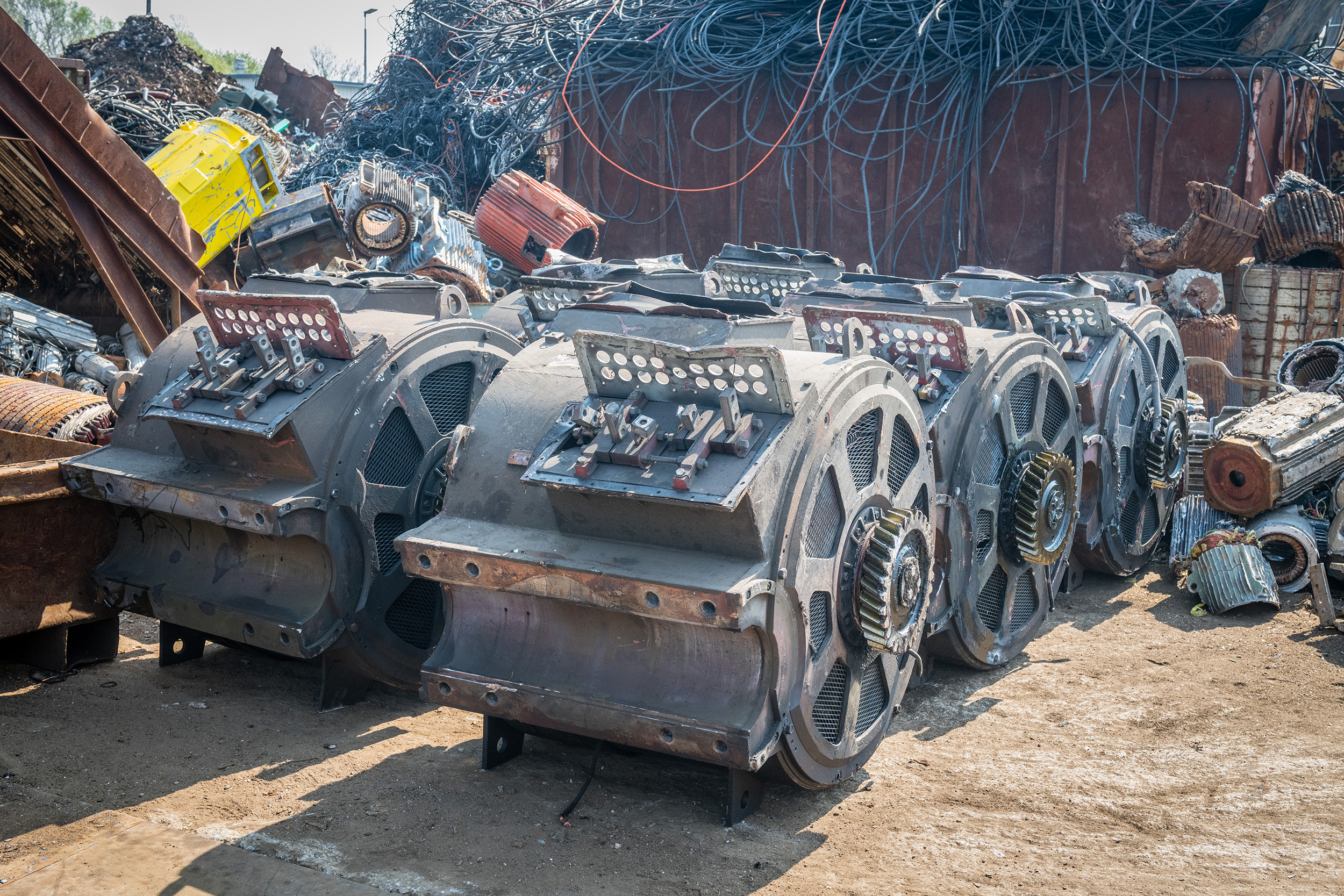
Initial Inspection and Sorting
When your motors arrive at the recycling center, they undergo an initial inspection. This involves checking for any hazardous materials and assessing the condition of the motors. They are then sorted based on size, type, and material composition to optimize the recycling process.
Dismantling and Component Separation
Next, the motors are dismantled to separate different components such as copper wiring, steel casing, and other metals. This step is crucial because it allows for the extraction of valuable materials that can be reused in manufacturing new products.
Recycling Methods Used
Once dismantled, the materials go through various recycling methods. This can include shredding to reduce the size of components, melting down metals to be cast into new shapes, or other specialized processes depending on the materials recovered.
By following these steps, recycling centers ensure that the valuable resources inside electric motors are recovered and reused, reducing the need for new raw materials and minimizing environmental impact. Interested in learning more about the environmental benefits of recycling electric motors? Let’s explore further!
Environmental Benefits of Recycling Electric Motors
Recycling your old electric motors isn’t just about clearing up space—it’s about making a positive impact on our environment. Here’s how recycling electric motors benefits our planet:
Conservation of Resources
Electric motors contain valuable metals like copper, aluminum, and steel. By recycling these motors, we can recover these materials and reuse them in new products. This reduces the need for mining and processing virgin materials, conserving natural resources.
Reduction of Landfill Waste
When electric motors end up in landfills, they take up valuable space and can release harmful substances into the environment as they break down. Recycling prevents these motors from becoming waste, thereby reducing landfill waste and mitigating environmental pollution.
Energy Savings and Emissions Reduction
Recycling metals from electric motors requires less energy compared to extracting metals from ore. This leads to significant energy savings and reduces greenhouse gas emissions associated with mining and manufacturing processes. By recycling, we contribute to a cleaner and more sustainable future.
By understanding these environmental benefits, you can see why recycling your old electric motors is a simple yet impactful way to protect our planet. Ready to take action for a greener future? Let’s delve into the legal and regulatory considerations next.
Legal and Regulatory Considerations
Before recycling your old electric motors, it’s important to be aware of the legal and regulatory aspects involved. Here’s what you should know:
Local and National Regulations
Different regions have specific regulations governing the disposal and recycling of electronic and electrical equipment, including electric motors. Check with your local environmental agency or municipality to understand the regulations that apply to you. This ensures you comply with the law and avoid any potential fines or penalties.
Compliance with Waste Disposal Laws
Recycling centers must adhere to strict waste disposal laws to protect the environment and public health. Make sure the recycling center you choose follows these laws and has the necessary permits and certifications to handle and process electric motors safely.
Understanding and adhering to legal and regulatory requirements ensures that your old electric motors are recycled responsibly and in compliance with environmental standards. Ready to explore alternative options for recycling or learn more about manufacturer take-back programs? Let’s dive in further!
Alternative Options for Recycling
Looking for other ways to recycle your old electric motors? Here are some alternative options to consider:
Manufacturer Take-Back Programs
Many manufacturers offer take-back programs for their products, including electric motors. These programs allow you to return your old motors to the manufacturer for recycling or refurbishment. Check the manufacturer’s website or contact their customer service to inquire about their take-back options.
Community Recycling Events
Keep an eye out for community recycling events or drives in your area. These events often accept electronic and electrical equipment, including electric motors, for recycling. They may be organized by local governments, non-profit organizations, or businesses looking to promote sustainability.
Exploring these alternative options can provide additional avenues for responsibly recycling your old electric motors. Whether you choose a manufacturer take-back program or participate in a community recycling event, every effort contributes to reducing waste and conserving resources. Ready to take the next step toward sustainable recycling practices? Let’s wrap up with a summary of key points
Conclusion
Recycling your old electric motors isn’t just a responsible choice—it’s a meaningful way to contribute to a cleaner environment. Let’s recap the key points we’ve covered:
Summary of Key Points
- Importance of Recycling: Recycling electric motors prevents environmental pollution and conserves valuable resources.
- Finding Recycling Centers: Use local resources, online tools, and directories to locate recycling centers near you.
- Selecting a Recycling Center: Choose centers with environmental certifications, safe handling practices, and positive reviews.
- Preparation Before Recycling: Clean and prepare motors, remove hazardous components, and ensure necessary documentation.
- Visiting a Recycling Center: Contact the center beforehand, transport motors safely, and follow instructions at the facility.
- Recycling Process: Motors undergo inspection, dismantling, and recycling of materials like metals through various methods.
- Environmental Benefits: Recycling conserves resources, reduces landfill waste, and lowers energy consumption and emissions.
- Legal Considerations: Understand and comply with local and national regulations for proper disposal of electric motors.
- Alternative Options: Explore manufacturer take-back programs and community recycling events as additional recycling options.
Importance of Responsible Recycling Practices
By making informed choices and taking simple steps, you can make a significant impact on sustainability. Recycling your old electric motors contributes to a cleaner, healthier planet for future generations.
Ready to make a positive change? Start by finding a recycling center near you and taking action today. Together, we can create a more sustainable future through responsible recycling practices.

Dr. Alexander Tabibi is an entrepreneur, investor, and advocate for sustainable innovation with a deep commitment to leveraging technology for environmental and social good. As a thought leader at the intersection of business and sustainability, Dr. Tabibi brings a strategic vision to Green.org, helping guide its mission to inspire global climate awareness and actionable change.
With a background in both medicine and business, Dr. Tabibi combines analytical rigor with entrepreneurial insight.