
Contents
Introduction
Ever wondered what happens to all those plastic bottles you toss into the recycling bin? Most of us know recycling is good for the planet, but we don’t often think about what actually happens to our recyclables. It turns out, those empty bottles can have a pretty fascinating second life. From cozy fleece jackets to sturdy park benches, recycled plastic bottles can be transformed into a surprising variety of useful and fun products.
In this article, we’re diving into the world of plastic bottle recycling. We’ll explore why recycling is so important, break down the process of how those bottles get turned into new things, and highlight some of the coolest products made from recycled plastic. Whether you’re a recycling pro or just getting started, you’ll find plenty of interesting tidbits and practical information.
Recycling plastic bottles isn’t just about reducing waste; it’s about turning something old into something new and valuable. So, let’s take a closer look at the journey of a plastic bottle, from your recycling bin to its new life as a part of your wardrobe, home, or even a road you drive on. Ready to see how your small actions can make a big difference? Let’s get started!
The Importance of Recycling Plastic Bottles
Recycling plastic bottles is more than just a feel-good activity; it has real, tangible benefits for the environment, economy, and our communities. When we recycle, we’re helping to reduce pollution, save energy, and conserve natural resources. But how exactly does this work, and why is it so important?
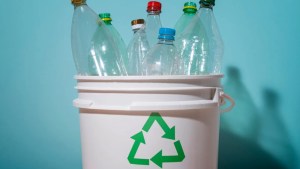
First off, let’s talk about the environmental impact. Plastic waste is a huge problem, with millions of tons ending up in our oceans and landfills every year. By recycling plastic bottles, we can significantly cut down on this waste, keeping our planet cleaner and healthier. Recycling also reduces the need for new plastic production, which means less oil and gas consumption and lower greenhouse gas emissions. In short, recycling helps to combat climate change and protect wildlife.
Then there’s the economic angle. Recycling creates jobs in communities across the country, from the folks who collect and sort recyclables to the workers at recycling plants and factories that turn old plastic into new products. This not only boosts local economies but also saves money in waste management costs. Plus, many companies are now willing to pay a premium for recycled materials, making it a profitable business.
Lastly, let’s not forget about reducing landfill waste. Landfills are rapidly reaching capacity, and the more we recycle, the less waste ends up buried in the ground. This helps to extend the life of existing landfills and reduces the need for new ones, which is good news for both our environment and our communities.
Recycling plastic bottles is a simple action that can lead to big changes. By understanding the importance of recycling, we can all do our part to make a positive impact on the world. So next time you finish a bottle of water or soda, remember: recycling it is a small step that makes a huge difference.
The Recycling Process
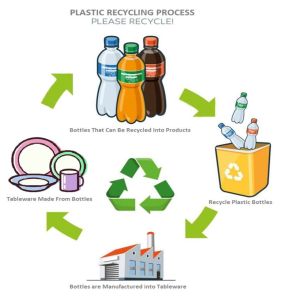
So, you’ve tossed your plastic bottle into the recycling bin. What happens next? The journey from your bin to a brand-new product involves several interesting steps. Let’s break down the recycling process in a way that’s easy to understand.
First up is collection. Your local recycling program picks up the bottles from your curbside bin or a drop-off center. These bottles are then transported to a recycling facility. It’s here that the real magic begins.
Next comes sorting. At the recycling facility, the bottles are sorted by type and color. This step is crucial because different types of plastic have different properties and uses. Sorting ensures that the recycling process runs smoothly and efficiently.

After sorting, it’s time for cleaning. The bottles are washed to remove any labels, residue, or impurities. Clean bottles are essential because any leftover food or drink can contaminate the recycling process. Once they’re squeaky clean, the bottles move on to the next step.
Shredding is where the bottles really start to change form. The clean plastic bottles are shredded into small pieces called flakes. These flakes are easier to handle and process. It’s like cutting up ingredients before cooking a meal—smaller pieces are simpler to work with.
Then, the plastic flakes are melted down. This part of the process involves heating the plastic until it becomes a thick, gooey liquid. The molten plastic is then poured into molds or fed through machines to create new shapes and forms. This could be anything from fibers for clothing to pellets used in manufacturing.
Finally, the reshaped plastic is cooled and solidified into its new form. These new materials can then be used to make a variety of products, from fresh new bottles to cozy fleece jackets, and even durable park benches.
The recycling process is a perfect example of how old materials can be transformed into new, useful products. By understanding these steps, we can appreciate the journey our plastic bottles take and the importance of recycling them properly. Next time you recycle, think about all the amazing things your bottle could become!
Innovative Uses of Recycled Plastic Bottles
Recycling plastic bottles isn’t just about creating everyday items—it’s also about innovation. Scientists, designers, and engineers are constantly coming up with new and exciting ways to reuse plastic bottles. Let’s explore some of the most innovative and creative uses for recycled plastic bottles.
3D Printing Filament
3D printing has taken the world by storm, and recycled plastic bottles are playing a big role in this revolution. The plastic from these bottles can be turned into filament, the material used by 3D printers to create objects layer by layer. This filament is not only sustainable but also high-quality, making it a favorite among eco-conscious designers and hobbyists. Imagine printing a model, a toy, or even a piece of art using recycled plastic—it’s like giving a new lease on life to your old bottles.
Roads and Paving
Believe it or not, recycled plastic bottles are now being used to build roads! Some innovative companies have developed techniques to mix shredded plastic with asphalt to create more durable and longer-lasting road surfaces. These plastic-infused roads are not only more resistant to wear and tear but also help reduce the amount of plastic waste that ends up in landfills. It’s a win-win situation: better roads and a cleaner planet.
Art and Design
Artists and designers are increasingly using recycled plastic bottles as a medium for their work. From intricate sculptures to functional furniture, the possibilities are endless. Using recycled plastic in art not only makes a statement about sustainability but also showcases the versatility of this material. Some designers create stunning installations and exhibitions entirely out of recycled bottles, turning trash into treasure and inspiring others to see the potential in everyday waste.
Innovative Building Materials
Beyond just road construction, recycled plastic bottles are being used to create innovative building materials. For instance, some companies are producing eco-bricks—building blocks made from compacted plastic bottles filled with other types of plastic waste. These eco-bricks are strong, durable, and an excellent alternative to traditional building materials. They’re being used in constructing schools, homes, and other structures, particularly in areas where conventional materials are scarce or expensive.
The innovative uses of recycled plastic bottles are truly impressive, showing just how versatile and valuable this material can be. From high-tech applications like 3D printing to creative endeavors in art and design, recycled plastic is proving that it’s much more than just waste. By supporting and embracing these innovations, we can all contribute to a more sustainable and creative world. So next time you recycle a plastic bottle, think about all the amazing things it could become and how your small action plays a part in big changes.
Common Products Made from Recycled Plastic Bottles
Ever wondered what your recycled plastic bottles turn into? The answer might surprise you! Those bottles you dutifully toss into the recycling bin can be transformed into an array of everyday items, from clothing to construction materials. Let’s take a look at some of the most common products made from recycled plastic bottles.
Clothing and Textiles
One of the coolest transformations involves turning plastic bottles into clothing. Yes, you read that right! Recycled plastic bottles can be spun into polyester fibers used to make all sorts of textiles. For instance, those cozy fleece jackets you wear during winter? They often start life as plastic bottles. The plastic is cleaned, melted down, and then spun into threads that are woven into soft, warm fabric. Similarly, sportswear companies are increasingly using recycled plastic to make everything from running shoes to yoga pants. So, next time you’re hitting the gym, you might be wearing plastic bottles!
Home Goods
Plastic bottles find a second life in many household items too. Carpets, for example, can be made from recycled plastic fibers. These carpets are durable, stain-resistant, and come in a variety of colors and textures. Recycled plastic is also used to create outdoor furniture. Think of those colorful, sturdy chairs and tables you see in parks or on patios. They’re often made from recycled plastic, offering a durable and eco-friendly alternative to traditional materials.
Packaging Materials
Interestingly, some recycled plastic bottles are turned back into—you guessed it—bottles! This closed-loop recycling process means that the plastic from old bottles is used to make new ones, reducing the need for virgin plastic. Besides bottles, recycled plastic is also used in packaging films and containers. These materials help protect products while also promoting a sustainable packaging solution.
Construction Materials
The construction industry is getting creative with recycled plastic. Some companies are making building blocks and bricks out of recycled plastic. These materials are not only strong and durable but also lightweight and easy to transport. Plus, using recycled plastic in construction helps reduce the amount of waste that ends up in landfills. Another innovative use is in insulation. Recycled plastic fibers can be used to create effective insulation materials, helping to keep homes warm in the winter and cool in the summer.
Recycling plastic bottles not only helps reduce waste but also contributes to the creation of a wide range of useful products. From the clothes we wear to the homes we live in, recycled plastic plays a significant role in our everyday lives. By understanding these uses, we can see the full impact of our recycling efforts and be inspired to keep up the good work. So, next time you recycle a plastic bottle, remember—it’s not just trash; it’s the start of something new and amazing!
The Future of Plastic Bottle Recycling
The world of plastic bottle recycling is constantly evolving, with new technologies and initiatives making the process more efficient and effective. The future holds exciting possibilities that can further enhance our recycling efforts and reduce our environmental footprint. Let’s dive into some key areas shaping the future of plastic bottle recycling.
Advancements in Technology
Technology is at the forefront of improving recycling processes. Innovations like advanced sorting systems, which use AI and robotics, can more accurately and efficiently separate different types of plastics. This means less contamination and higher-quality recycled materials. Another exciting development is chemical recycling. Unlike traditional mechanical recycling, chemical recycling breaks down plastics at the molecular level, allowing for the creation of high-quality new plastics from old ones, without degradation. These technological advancements promise to make recycling more effective and capable of handling a broader range of plastic types.
Government Policies and Initiatives
Governments around the world are recognizing the importance of recycling and implementing policies to support it. From banning single-use plastics to setting mandatory recycling targets, these policies aim to reduce plastic waste and encourage more sustainable practices. In many places, bottle deposit schemes are being introduced or expanded. These programs incentivize consumers to return their plastic bottles for recycling by offering a small refund. Such initiatives are proving successful in increasing recycling rates and reducing litter.
Consumer Responsibility
While technology and policies play a crucial role, consumer responsibility is equally important. The choices we make every day can have a significant impact on recycling efforts. By properly sorting recyclables and avoiding contamination (like rinsing out bottles before recycling them), we can help ensure that more materials are successfully recycled. Additionally, supporting products made from recycled materials sends a strong message to manufacturers about the demand for sustainable goods. Education and awareness campaigns are vital in helping consumers understand the importance of their role in the recycling process.
The future of plastic bottle recycling looks bright, with advancements in technology, supportive government policies, and increasing consumer responsibility all working together to create a more sustainable world. By staying informed and involved, we can all contribute to the ongoing efforts to reduce plastic waste and promote recycling. As we look ahead, it’s clear that every recycled bottle brings us one step closer to a cleaner, greener future. So, let’s keep recycling and supporting these initiatives for a better tomorrow!
Conclusion
As we wrap up our exploration into the world of plastic bottle recycling, it’s clear that this simple act has profound impacts on our environment, economy, and everyday lives. By understanding the journey of a plastic bottle from recycling bin to new product, we gain a deeper appreciation for the importance of recycling and the endless possibilities it offers.
Throughout this article, we’ve seen how recycling plastic bottles helps to reduce pollution, conserve natural resources, and create jobs. From cozy fleece jackets and durable carpets to innovative building materials and even roads, recycled plastic bottles are transformed into a wide range of useful and creative products.
Looking ahead, the future of plastic bottle recycling holds even more promise. Advances in technology, supportive government policies, and increased consumer awareness are paving the way for more efficient recycling processes and higher recycling rates. Each recycled bottle brings us closer to a cleaner, greener future for generations to come.
So, the next time you finish a plastic bottle, remember—it’s not just trash. It’s a valuable resource that can be turned into something new and beneficial. By continuing to recycle, support recycled products, and advocate for sustainable practices, we all play a vital role in preserving our planet.
Let’s keep up the momentum and make recycling a part of our daily lives. Together, we can make a positive impact and create a more sustainable world. Here’s to a future where every bottle gets a second chance, and recycling becomes second nature to us all.

Dr. Alexander Tabibi is an entrepreneur, investor, and advocate for sustainable innovation with a deep commitment to leveraging technology for environmental and social good. As a thought leader at the intersection of business and sustainability, Dr. Tabibi brings a strategic vision to Green.org, helping guide its mission to inspire global climate awareness and actionable change.
With a background in both medicine and business, Dr. Tabibi combines analytical rigor with entrepreneurial insight.