
Contents
Introduction
Hey there! Ever wondered what happens to all that plastic you toss into the recycling bin? It’s a pretty big deal, especially since we’re all trying to do our part for the planet. Recycling plastic isn’t just about reducing waste; it’s about turning something old into something new and super useful. Let’s dive into the world of plastic recycling and discover what those old bottles and containers can transform into.
So, why is plastic recycling so important? For starters, plastic is everywhere. From water bottles and food containers to toys and electronics, we use a ton of it. Unfortunately, not all of it ends up where it should. A lot of plastic ends up in landfills or, even worse, in our oceans, harming wildlife and polluting our environment. By recycling, we can help reduce this pollution and conserve resources. Instead of making new plastic from scratch, which takes a lot of energy and raw materials, we can reuse the plastic we already have. Cool, right?
But what can we actually make from recycled plastic? The possibilities are almost endless. Recycled plastic can be turned into a variety of products that we use every day. Think new bottles, clothing, furniture, and even construction materials. Ever heard of a park bench made from old milk jugs? Yup, that’s a thing! And it’s not just about making the same stuff over and over. Recycled plastic can be transformed into innovative products like 3D printing filament or stylish fashion accessories.
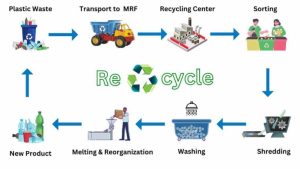
The process is pretty fascinating too. It starts with collecting and sorting the plastic. Then, it’s cleaned and shredded into tiny pieces. These pieces are melted down and molded into new items. It’s like giving plastic a second life, which is not only eco-friendly but also economically smart.
And here’s the best part: everyone can get involved. By recycling properly, you’re contributing to this awesome cycle of reuse. Make sure to check those recycling symbols on your plastic items and follow your local recycling guidelines. It’s a small effort that makes a big difference.
In this guide, we’ll explore all the amazing things plastic can be recycled into. From everyday products to innovative uses, you’ll see just how versatile recycled plastic can be. Ready to learn more? Let’s get started!
Types of Recyclable Plastics
Alright, let’s get into the nitty-gritty of the different types of plastics you can recycle. Not all plastics are created equal, and knowing the differences can help you recycle more effectively. Each type of plastic has its own unique characteristics and uses, which also means they get recycled into different products. Let’s break it down in simple terms.
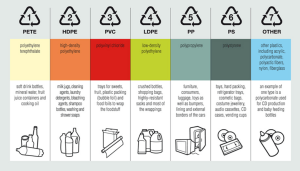
PET (Polyethylene Terephthalate)
You’ve definitely seen this one before. PET is the plastic used for most of your water and soda bottles, as well as some food containers. It’s lightweight, strong, and clear. PET is highly recyclable and can be turned into new bottles, polyester fibers for clothing, and even carpets.
HDPE (High-Density Polyethylene)
HDPE is another common plastic you interact with daily. It’s used in milk jugs, detergent bottles, and plastic bags. This plastic is sturdy and resistant to moisture. When recycled, HDPE can be transformed into new bottles, piping, plastic lumber, and even playground equipment.
PVC (Polyvinyl Chloride)
PVC might be less familiar but is still super important. It’s found in plumbing pipes, shower curtains, and flooring. While recycling PVC is a bit more complex due to its chemical composition, it can still be recycled into pipes, flooring, and even roadside gutters.
LDPE (Low-Density Polyethylene)
Think of those thin, crinkly grocery bags and some food wraps – that’s LDPE. It’s flexible and lightweight. When recycled, LDPE can be used to make new bags, plastic lumber, and various packaging materials.
PP (Polypropylene)
You’ll find PP in yogurt containers, bottle caps, and straws. This plastic is tough and can withstand heat. Recycled PP can become items like signal lights, battery cables, and even certain types of textiles.
PS (Polystyrene)
Polystyrene is what’s used in disposable coffee cups, plastic food boxes, and cutlery. While not as widely recycled as some other plastics, PS can be turned into insulation materials, light switch plates, and even surfboards.
Recycling these plastics helps keep them out of landfills and the environment, turning them into valuable new products. It’s like a plastic makeover! Knowing what each type of plastic can become when recycled might make you think twice before tossing that yogurt cup into the trash.
Remember, each type of plastic has its own recycling process, and not all facilities can handle every kind. Always check local guidelines to see what types of plastic your community can recycle. By sorting and recycling properly, you’re helping to create a cleaner, greener planet. Ready to learn more about the recycling process? Let’s keep going!
The Recycling Process
Now that we’ve covered the different types of plastics, let’s talk about what happens to your plastics after they hit the recycling bin. The recycling process might seem a bit mysterious, but it’s actually pretty straightforward. Here’s a breakdown of how your old plastics get turned into new products.
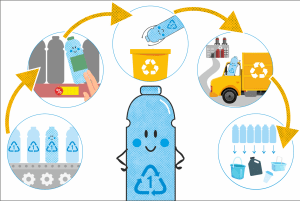
Collection and Sorting
First things first, your recyclables need to be collected. This happens through curbside pickup, drop-off centers, or recycling programs at schools and businesses. Once collected, the plastics are taken to a recycling facility where they’re sorted by type and sometimes by color. Sorting is crucial because different types of plastics have different recycling methods.
Cleaning and Shredding
After sorting, the plastics need a good clean. This step removes any food residue, dirt, or other contaminants. Clean plastics are then shredded into small pieces or flakes. This makes it easier to handle and process them in the next steps. Think of it as giving your old plastic a fresh start!
Melting and Reforming
Next up, the shredded plastic is melted down. This is done at high temperatures, turning the plastic flakes into a gooey liquid. The melted plastic is then reformed into small pellets or granules. These pellets are like the raw material used to make new plastic products. It’s pretty cool how your old bottle can be transformed back into a basic building block of plastic.
Manufacturing New Products
The final step is where the magic happens. The plastic pellets are used to manufacture new products. These can be anything from new bottles and containers to clothing, furniture, and more. Companies buy these pellets to make items that are both familiar and innovative. Your recycled plastic could end up as a cozy fleece jacket or a sturdy park bench!
The whole process is a fantastic way to reduce waste and make the most out of the plastics we use every day. Plus, recycling saves energy and resources compared to making new plastic from scratch. It’s a win-win for us and the planet.
By understanding the recycling process, you can see just how valuable it is to recycle properly. Every time you toss that plastic bottle into the recycling bin, you’re starting it on a journey to becoming something new and useful. So keep recycling and let’s keep those plastics in the loop! Ready to see what amazing products recycled plastics can turn into? Let’s dive in!
Products Made from Recycled Plastics
So, what happens after your plastics have been collected, cleaned, and processed? This is where things get really exciting! Recycled plastics can be turned into a wide variety of products, some of which might surprise you. Let’s explore the amazing new lives your old plastics can have.
Consumer Products
Bottles and Containers One of the most common uses for recycled plastic is to make new bottles and containers. Your old water bottle can be turned into a brand-new bottle, reducing the need for new plastic. These products are everywhere – from water and soda bottles to food containers.
Clothing and Textiles Did you know your recycled plastic can become part of your wardrobe? That’s right! Recycled PET (those plastic bottles we mentioned) is often turned into polyester fibers used in clothing. Think cozy fleece jackets, durable sportswear, and even stylish carpets. It’s a fashionable way to help the environment!
Furniture Recycled plastics can also be transformed into sturdy and attractive furniture. Outdoor benches, picnic tables, and even chairs can be made from recycled HDPE. These products are not only durable but also weather-resistant, making them perfect for outdoor use.
Construction Materials
Plastic Lumber Plastic lumber is a fantastic alternative to traditional wood. It’s made from recycled plastics like HDPE and LDPE and used for decking, fencing, and outdoor furniture. It’s super durable, requires less maintenance than wood, and doesn’t splinter or rot.
Insulation and Pipes Recycled plastics are also used in the construction industry. They can be turned into insulation materials, helping to keep homes warm and energy-efficient. Recycled PVC is often used to make plumbing pipes, which are durable and long-lasting.
Automotive Parts
Car Interiors and Exteriors Your car might have parts made from recycled plastics! Recycled PP and PET can be used in car interiors, like dashboards and seat fabrics, as well as exterior parts like bumpers. These materials are lightweight and help improve fuel efficiency.
Engine Components Recycled plastics are also used in some engine components. They offer durability and can withstand high temperatures, making them perfect for under-the-hood applications.
Packaging Materials
Plastic Packaging Recycled plastics are commonly used in packaging materials. This includes everything from new bottles and containers to blister packs and clamshell packaging. It’s a sustainable way to keep products safe and fresh.
Bubble Wrap and Air Pillows Those protective packaging materials like bubble wrap and air pillows? They can also be made from recycled plastics. They help protect items during shipping while reducing the need for new plastic production.
Innovative Products
3D Printing Filaments The world of 3D printing is also benefiting from recycled plastics. Recycled PET and other plastics are turned into filaments for 3D printers, allowing creators to make everything from prototypes to art pieces in a more sustainable way.
Art and Fashion Artists and designers are getting creative with recycled plastics. You’ll find art installations, sculptures, and even high-fashion items made from recycled materials. It’s a great way to turn waste into something beautiful and meaningful.
The next time you recycle, remember that your old plastics can become something new and useful. From everyday items to innovative products, recycled plastics play a crucial role in our lives. Let’s keep recycling and give our plastics a second chance! Ready to see what the future holds for plastic recycling? Let’s keep exploring!
The Future of Plastic Recycling
The world of plastic recycling is always evolving, with new technologies and initiatives popping up to make the process more efficient and effective. The future looks bright for recycling, with innovations that could change the game and make it easier for everyone to participate. Let’s take a look at what’s on the horizon.
Technological Innovations
Recycling technology is getting smarter and more advanced. New methods are being developed to recycle plastics that were previously difficult or impossible to process. For example, chemical recycling breaks down plastics into their basic chemical components, allowing for more types of plastic to be recycled and turned into high-quality new products. There are also improvements in sorting technologies, like AI and robotic systems, which can more accurately and quickly sort different types of plastics, making the recycling process more efficient.
Government and Corporate Initiatives
Governments and corporations are stepping up their game to promote recycling. Many countries are implementing stricter regulations and offering incentives to increase recycling rates. For example, some places have introduced deposit-return schemes where you get money back for returning plastic bottles. Big companies are also making commitments to use more recycled materials in their products and packaging. By working together, these initiatives can create a larger demand for recycled plastics and drive more investment in recycling infrastructure.
Consumer Responsibility
While technology and policies are crucial, consumer behavior plays a huge role in the success of recycling programs. It’s important for everyone to be more mindful about recycling and to educate themselves on proper recycling practices. Simple actions like rinsing out containers before recycling them, checking local recycling guidelines, and avoiding contamination by not mixing different types of recyclables can make a big difference. By taking responsibility, consumers can help ensure that more plastics are recycled correctly and efficiently.
Sustainable Packaging and Product Design
Designing products and packaging with recycling in mind is becoming more common. Companies are starting to use more easily recyclable materials and simplifying packaging to make it easier to recycle. For instance, they might use a single type of plastic for a product instead of combining multiple materials that are hard to separate. Sustainable design also includes reducing the amount of plastic used in products and packaging, which helps cut down on waste from the start.
Global Collaboration
Tackling the plastic waste problem requires global cooperation. Countries around the world are working together to share best practices, technologies, and strategies to improve recycling. International agreements and collaborations can help create a more unified approach to managing plastic waste and ensuring that recycling efforts are effective worldwide.
The future of plastic recycling is full of potential. With technological advancements, supportive policies, responsible consumer behavior, sustainable design, and global collaboration, we can significantly reduce plastic waste and create a more sustainable world. By staying informed and involved, you can be a part of this exciting journey. Let’s keep pushing for progress and making a positive impact on our planet! Ready to wrap things up? Let’s head to the conclusion!
Conclusion
We’ve covered a lot about plastic recycling, and hopefully, you’re feeling inspired and informed about the whole process. Let’s wrap things up and remind ourselves why recycling plastic is so important and what we can all do to make a difference.
Recycling plastic isn’t just about getting rid of waste. It’s about transforming old materials into new, useful products and reducing our environmental footprint. By recycling, we’re helping to conserve resources, save energy, and reduce pollution. Every time we recycle a plastic bottle or container, we’re giving it a second life and keeping it out of landfills and oceans.
Throughout this guide, we’ve explored the different types of recyclable plastics and learned about the various products they can be turned into. From everyday items like new bottles and containers to innovative uses in clothing, furniture, and even car parts, recycled plastics play a huge role in our daily lives. We’ve also looked at the recycling process itself, which involves collection, sorting, cleaning, shredding, melting, and reforming plastics into new products.
The future of plastic recycling looks promising with advancements in technology, supportive government and corporate initiatives, and a growing emphasis on sustainable product design. As consumers, we have a vital role to play. By recycling properly and staying informed, we can contribute to a cleaner, greener planet.
So, what’s the takeaway? Keep recycling! Make sure you’re familiar with your local recycling guidelines and do your part to recycle correctly. Encourage others to do the same, and support policies and products that prioritize sustainability. Together, we can make a big impact.
Thanks for joining me on this journey through the world of plastic recycling. Every small action counts, and by working together, we can create a brighter future for our planet. Let’s keep recycling and turning old plastics into new possibilities!

Dr. Alexander Tabibi is an entrepreneur, investor, and advocate for sustainable innovation with a deep commitment to leveraging technology for environmental and social good. As a thought leader at the intersection of business and sustainability, Dr. Tabibi brings a strategic vision to Green.org, helping guide its mission to inspire global climate awareness and actionable change.
With a background in both medicine and business, Dr. Tabibi combines analytical rigor with entrepreneurial insight.