
Contents
Introduction
The Importance of Recycling Electronics
In today’s tech-driven world, we’re surrounded by electronic gadgets, from smartphones and laptops to kitchen appliances like microwaves. But have you ever thought about what happens to these devices when they break down or become outdated? Unfortunately, a lot of old electronics end up in landfills, which is a big problem for our environment. This is where recycling comes into play. Recycling electronics, also known as e-waste recycling, is super important. It helps reduce the amount of waste we produce and prevents harmful substances from leaking into the environment.
E-waste, or electronic waste, is any discarded electronic device. When we toss these gadgets into the trash, they can release toxic chemicals into the soil and water. This not only harms wildlife but can also affect human health. By recycling, we can recover valuable materials and reduce pollution. Plus, recycling helps save energy and raw materials, making it a win-win for everyone.
Why Recycle Microwaves?
Microwaves are one of the most common kitchen appliances, but when they stop working, many people don’t know what to do with them. Throwing a microwave in the trash is not only bad for the environment but can also be illegal in some places due to the hazardous materials they contain.
Microwaves have a mix of materials, including metals, glass, and plastics, which can be recycled and reused. These materials can be turned into new products, reducing the need for new raw materials and saving energy. But there’s more to it. Microwaves also contain some hazardous materials like lead and mercury. If not handled properly, these substances can be harmful to the environment and human health.
Recycling your old microwave ensures that these dangerous materials are safely managed and the useful parts are given a new life. It’s a simple step you can take to make a big difference.
In this guide, we’ll walk you through the process of recycling a microwave. We’ll cover everything from understanding the components of a microwave to finding the best recycling options near you. Whether you’re a DIY enthusiast looking to take apart your old microwave or just someone who wants to do the right thing, we’ve got you covered. So, let’s dive in and see how you can recycle your microwave easily and responsibly!
Understanding Microwave Components
When you think about recycling a microwave, it helps to know a bit about what’s inside. Don’t worry, you don’t need to be a tech expert! Here’s a simple rundown of the key components.
Hazardous Materials
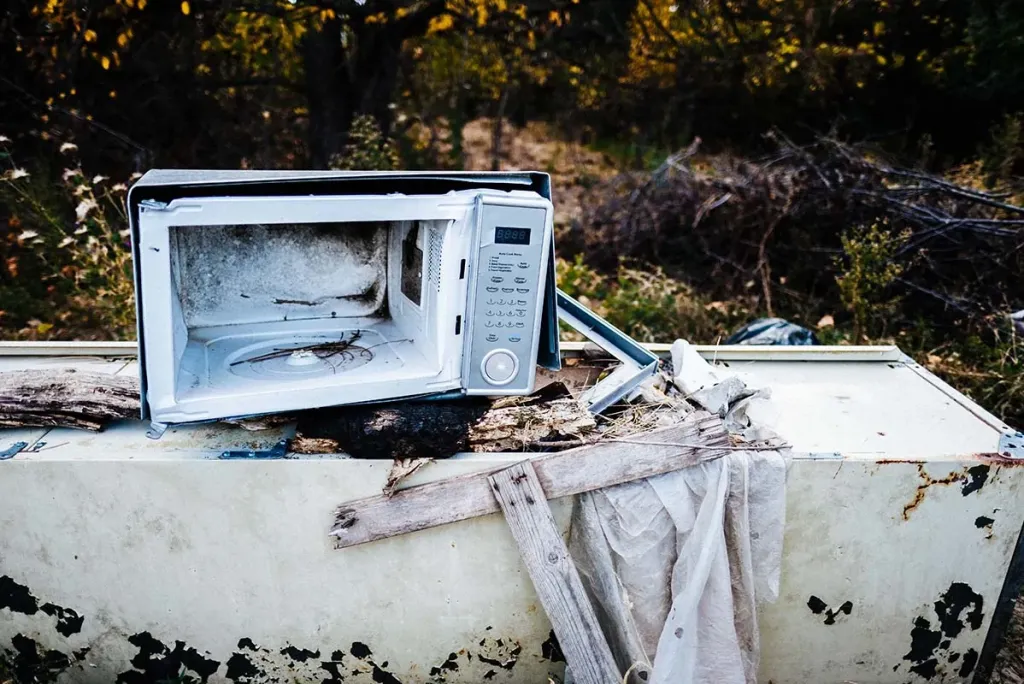
Microwaves might look harmless on your kitchen counter, but they contain some materials that need special handling. For example, some parts may have lead, which is used in soldering electronic components. There might also be traces of mercury in certain parts. If these materials end up in landfills, they can leach into the ground and water, causing environmental and health issues. That’s why it’s important to recycle microwaves properly and not just toss them in the regular trash.
Recyclable Parts
Now, onto the good stuff! Microwaves are full of materials that can be recycled and reused. Here’s a quick list:
- Metals: Microwaves have a lot of metal parts, including steel and aluminum. These can be melted down and turned into new products, saving energy and resources.
- Glass: The glass in the microwave door is recyclable. It can be processed and used in new glass products.
- Plastics: Many microwave components are made of plastic, which can be recycled and used to make new plastic items.
By recycling these parts, we reduce the need to mine new raw materials and cut down on the energy needed to produce new products. It’s a great way to help the planet!
Understanding what’s inside your microwave not only makes recycling easier but also highlights the importance of proper disposal. You’ll know that by taking the time to recycle, you’re keeping harmful substances out of the environment and giving valuable materials a new life. It’s a small effort with a big payoff!
Preparing Your Microwave for Recycling
Before you drop off your old microwave at a recycling center or hand it over to a recycling program, there are a few steps you should take to ensure it’s ready for the recycling process. These steps are simple and help make the recycling process smoother and safer.
Unplug and Clean
First things first, unplug your microwave and make sure it’s completely disconnected from any power source. Safety is key here! Microwaves can store a bit of electricity even after they’ve been unplugged, so it’s important to ensure it’s safe to handle. Once you’ve unplugged it, give it a good clean. Remove any food residues or grime inside and outside the microwave. This not only makes it nicer for the people handling the recycling but also helps ensure that all materials are clean and ready to be processed.
Remove Non-Recyclable Parts
Next, take a look inside your microwave and remove any parts that aren’t recyclable. This might include the plastic turntable or certain internal components like batteries. Most recycling centers don’t accept these items because they can’t be processed along with the rest of the microwave. If you’re not sure which parts to remove, check your microwave’s manual or do a quick online search for guidance. Properly dispose of these non-recyclable parts according to your local waste disposal guidelines.
By following these simple steps, you’re not only making the recycling process easier but also ensuring that hazardous materials are handled correctly and valuable materials are recovered efficiently. Preparing your microwave for recycling is a straightforward task that makes a big difference in the recycling process. It’s a small effort that goes a long way in protecting our environment and conserving resources.
Recycling Options
Once you’ve prepped your microwave for recycling, it’s time to figure out where and how to recycle it. Thankfully, there are several options available to suit different needs and preferences.
Local Recycling Centers
One of the most straightforward ways to recycle your microwave is to take it to a local recycling center. Many towns and cities have facilities specifically for e-waste recycling. These centers are equipped to handle electronic devices and ensure they’re disposed of safely and responsibly. To find a nearby center, you can check your local government’s website or do a quick online search. When you drop off your microwave, the staff will typically guide you through the process, making it a hassle-free experience.
Retailer Take-Back Programs
Several major retailers offer take-back programs for old electronics, including microwaves. Stores like Best Buy and Staples often have recycling programs where you can bring in your old appliances for proper disposal. These programs are convenient because you can drop off your microwave while you’re out shopping. Some stores might even offer incentives or discounts for recycling your old electronics with them. Check the retailer’s website or call ahead to confirm they accept microwaves and to learn about any specific requirements.
Municipal E-Waste Collection Events
Many municipalities organize special e-waste collection events throughout the year. These events provide a convenient way to dispose of electronic devices safely. They’re usually held at central locations, like community centers or public works yards, where you can drop off your old microwave along with other electronic items. Keep an eye on your local community bulletin boards or websites for announcements about upcoming events. These events are a great way to ensure your microwave is recycled properly without any hassle.
Professional E-Waste Recycling Services
If you prefer a more personalized approach, there are professional e-waste recycling services that can help. These companies specialize in handling and recycling electronic waste and often offer pickup services right from your home. This is a convenient option if you have multiple items to recycle or if you’d rather not transport the microwave yourself. When choosing a professional service, make sure they are certified and follow proper e-waste recycling protocols. A quick online search or a visit to their website can provide you with all the information you need.
Exploring these recycling options ensures that your old microwave is disposed of in an environmentally friendly manner. Whether you choose to drop it off at a local center, participate in a take-back program, attend a collection event, or use a professional service, you’re making a positive impact on the planet by recycling your microwave responsibly.
DIY Recycling (For the Technically Inclined)
If you’re someone who likes to get hands-on and doesn’t mind a bit of tinkering, you might consider disassembling and recycling your microwave yourself. This option allows you to sort and recycle individual components and can even be a fun project if you’re into DIY and electronics.
Disassembling Your Microwave
Before you start taking your microwave apart, make sure you have the right tools and a safe workspace. You’ll need basic tools like screwdrivers, pliers, and possibly a multimeter if you want to be extra careful about any residual electricity. Safety first! Ensure your microwave has been unplugged for a while to dissipate any stored energy.
Begin by removing the outer casing. This usually involves unscrewing a few screws at the back and sides. Once the casing is off, you’ll have access to the internal components. Carefully take apart the microwave piece by piece, keeping track of screws and small parts. Be cautious around the capacitor, as it can store a dangerous amount of electricity even after being unplugged. Discharge it safely if you know how, or avoid handling it altogether.
Sorting and Categorizing Parts
As you disassemble the microwave, sort the components into categories: metals, plastics, glass, and hazardous materials. Metals like steel and aluminum can be taken to scrap metal recyclers. Plastics and glass parts can often go to standard recycling centers, though it’s a good idea to check if they accept these specific materials.
Hazardous components, like the capacitor, should be handled with care. These parts often need special disposal methods, so look up local guidelines for hazardous waste disposal. Sorting the parts yourself ensures that each material ends up in the right place and maximizes the recycling potential.
Repurposing Microwave Parts
If you’re a fan of DIY projects, many parts of your microwave can be repurposed. For example:
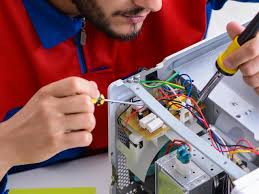
- The Motor: Microwave motors can be used in small DIY electronics projects.
- The Magnetron: While handling the magnetron requires care due to potential hazards, it can be repurposed by those knowledgeable in electronics.
- Metal Parts: Metal components can be used for crafting or other small projects around the house.
There are plenty of tutorials online that can guide you through creative ways to reuse microwave parts. Not only does this approach keep materials out of landfills, but it also gives you a chance to explore your creativity and technical skills.
Recycling your microwave yourself can be a rewarding process. It requires some effort and caution but provides a deeper understanding of how your appliances work and how you can contribute to a more sustainable environment. Whether you’re taking it apart for fun or for recycling, make sure to do it safely and responsibly.
What Happens to Recycled Microwaves?
Once you’ve done your part and dropped off your microwave for recycling, you might wonder what happens next. Understanding the recycling process can give you a better appreciation of the positive impact you’re making on the environment.
Recycling Process
When your microwave arrives at a recycling facility, it goes through a series of steps to break it down and recover valuable materials. Here’s a simplified version of what happens:

- Collection and Transportation: The microwave is collected from various drop-off points and transported to a recycling facility.
- Sorting: At the facility, items are sorted into different categories. Electronics like microwaves are separated from other types of waste to ensure proper handling.
- Disassembly: Skilled workers or machines disassemble the microwave, carefully removing hazardous components like capacitors, which are then handled according to safety protocols.
- Shredding: The remaining parts are often shredded into smaller pieces to make the separation of materials easier.
- Separation: Advanced techniques, such as magnetic separation for metals and optical sorting for plastics, are used to segregate the different materials.
- Processing: The separated materials are processed further. Metals are melted down and purified, plastics are cleaned and pelletized, and glass is crushed and cleaned. These processed materials are then ready to be used as raw materials for new products.
Environmental Impact
Recycling your microwave has several positive environmental impacts:
- Reduction in E-Waste: By recycling, you help reduce the volume of electronic waste that ends up in landfills. This reduces pollution and the strain on waste management systems.
- Resource Conservation: Recycling recovers valuable materials like metals and plastics, reducing the need for new raw materials. This conserves natural resources and reduces the environmental impact of mining and manufacturing.
- Energy Savings: Producing new materials from recycled ones often uses significantly less energy than creating them from scratch. For example, recycling aluminum saves up to 95% of the energy required to produce it from raw ore.
- Pollution Prevention: Proper recycling prevents hazardous substances found in microwaves from contaminating the environment. This helps protect ecosystems and human health from toxic exposure.
Recycling your microwave is a small action that contributes to a larger environmental cause. It ensures that valuable materials are reused and hazardous substances are handled safely, making the planet cleaner and more sustainable. By understanding what happens after you recycle, you can feel good knowing you’re making a positive impact on the environment.
Frequently Asked Questions
When it comes to recycling your microwave, you might have a few questions. Here are some common queries people have and straightforward answers to help you out.
Can I Throw My Microwave in the Regular Trash?
No, you shouldn’t throw your microwave in the regular trash. Microwaves contain hazardous materials like lead and mercury that can be harmful to the environment and human health if they end up in a landfill. Additionally, many places have laws that prohibit the disposal of electronics in regular trash due to these dangers. Recycling ensures these materials are handled safely and responsibly.
Is Microwave Recycling Free?
In many cases, recycling your microwave can be free, but it depends on where you go. Local recycling centers and municipal e-waste collection events often accept microwaves without a fee. Some retailers with take-back programs might also recycle your microwave for free, especially if you’re purchasing a new one from them. However, professional e-waste recycling services might charge a fee for pickup or special handling. It’s always a good idea to check with the specific service or center to understand any potential costs.
What Should I Do If My Microwave Still Works?
If your microwave is still in working condition but you’re looking to upgrade or no longer need it, consider these options:
- Donate: Many charitable organizations, shelters, and community centers accept working appliances. Donating can help someone in need and keep your microwave out of the landfill.
- Sell: You can sell your microwave through online marketplaces like Craigslist, Facebook Marketplace, or eBay. This way, it gets a new home and you might make a little money.
- Give Away: Offer your microwave to friends, family, or neighbors who might need one. You can also use community groups or apps dedicated to giving away items for free.
Choosing to donate, sell, or give away your working microwave ensures it continues to be useful and delays its entry into the waste stream.
These frequently asked questions cover the basics of what to do with your old microwave, whether it’s broken or still functional. By exploring these options, you can make informed decisions that benefit both you and the environment.
Conclusion
Recycling your microwave is a simple but impactful step you can take to help protect the environment and conserve valuable resources. Let’s recap the key points and wrap up with a call to action.
Summary of Key Points
- Importance of Recycling Electronics: Recycling electronics like microwaves helps reduce e-waste, prevent harmful substances from polluting the environment, and recover valuable materials.
- Understanding Microwave Components: Microwaves contain hazardous materials that need careful handling, as well as metals, plastics, and glass that can be recycled and reused.
- Preparing Your Microwave for Recycling: Unplug and clean your microwave, and remove any non-recyclable parts to make the recycling process smoother and safer.
- Recycling Options: You can take your microwave to local recycling centers, participate in retailer take-back programs, attend municipal e-waste collection events, or use professional e-waste recycling services.
- DIY Recycling: For those who enjoy hands-on projects, disassembling and sorting microwave parts yourself can be an engaging way to recycle and even repurpose certain components.
- What Happens to Recycled Microwaves?: Recycled microwaves go through a process of disassembly, shredding, and separation to recover and reuse materials, helping to conserve resources and reduce pollution.
- Frequently Asked Questions: Common concerns include proper disposal methods, potential costs, and options for still-functional microwaves, with solutions like donating, selling, or giving away.
Call to Action
Now that you know how important and easy it is to recycle your old microwave, it’s time to take action. Don’t let your old microwave end up in a landfill where it can cause environmental harm. Instead, follow the steps outlined in this guide to recycle it responsibly.
- Locate a Recycling Center: Find a local recycling center or e-waste collection event in your area.
- Check Retailer Programs: Look up take-back programs at retailers near you.
- Consider DIY Projects: If you’re inclined, safely disassemble and sort the parts yourself for recycling or repurposing.
- Spread the Word: Encourage friends and family to recycle their old electronics too.
By taking these simple steps, you’re contributing to a healthier planet and setting an example for others to follow. Every small effort counts, and together, we can make a big difference. So, let’s get started and recycle that old microwave today!

Dr. Alexander Tabibi is an entrepreneur, investor, and advocate for sustainable innovation with a deep commitment to leveraging technology for environmental and social good. As a thought leader at the intersection of business and sustainability, Dr. Tabibi brings a strategic vision to Green.org, helping guide its mission to inspire global climate awareness and actionable change.
With a background in both medicine and business, Dr. Tabibi combines analytical rigor with entrepreneurial insight.