
Contents
- 1 Introduction
- 2 Types of Batteries and Their Recycling Processes
- 3 Collection and Transportation of Used Batteries
- 4 The Recycling Process: Step-by-Step
- 5 Environmental and Economic Impact of Battery Recycling
- 6 Challenges and Innovations in Battery Recycling
- 7 How You Can Help: Tips for Consumers
- 8 Conclusion
Introduction
Overview of Battery Recycling
Hey there! Ever wondered what happens to all those old batteries you toss out? Believe it or not, they don’t just disappear into thin air. Recycling batteries is super important, not just for keeping our planet green but also for saving some serious cash and resources. Let’s dive into the world of battery recycling and see why it’s a big deal.
First off, let’s talk about why battery recycling matters. Batteries power our lives – from the car you drive to the smartphone in your pocket. But when they’re used up, they can cause a lot of harm if not disposed of properly. Old batteries can leak nasty chemicals into the soil and water, hurting plants, animals, and even us humans. By recycling them, we prevent this pollution and help keep our environment clean and safe.
When we recycle batteries, we’re doing a huge favor for Mother Nature. Instead of mining new materials (which can be pretty damaging to the earth), we can reuse the metals and other components from old batteries. This means less mining, less energy used, and a smaller carbon footprint. Plus, recycling reduces the amount of waste piling up in landfills, which is always a win!
Economic Advantages
Recycling batteries isn’t just good for the environment; it’s also great for the economy. The materials recovered from recycled batteries – like lead, nickel, and lithium – are valuable and can be used to make new batteries and other products. This creates jobs in the recycling industry and helps reduce the cost of new batteries. So, recycling batteries can actually save money and boost the economy!
How Does Battery Recycling Work?
You might be wondering how the whole process works. It’s simpler than you think! Different types of batteries are recycled in different ways, but it generally involves collecting the old batteries, sorting them by type, and then breaking them down to recover useful materials. These materials are then cleaned up and reused to make new products. We’ll get into the specifics later, but the main idea is that recycling turns old batteries into new resources.
What Can You Do to Help?
You don’t need to be a recycling expert to make a difference. Just making sure you dispose of your batteries properly is a huge help. Many stores and community programs have battery recycling drop-off points where you can take your old batteries. By doing this, you’re playing a part in protecting the environment and supporting recycling efforts.
So, stick around as we explore the ins and outs of battery recycling. We’ll cover everything from the different types of batteries and their recycling processes to the environmental and economic benefits. Plus, we’ll give you some tips on how you can get involved and make a positive impact. Let’s get started on this eco-friendly journey together!
Types of Batteries and Their Recycling Processes

Lead-Acid Batteries
Let’s start with lead-acid batteries, the kind you usually find in cars. These batteries have been around forever and are pretty easy to recycle. They’re made of lead plates and sulfuric acid. When it’s time to recycle them, the process begins with collecting old batteries and taking them to a recycling facility. There, they’re broken down into their basic components. The lead is melted down and purified, then used to make new batteries. The plastic casing is also recycled, and the acid is neutralized and treated so it doesn’t harm the environment. It’s a straightforward process that keeps tons of toxic materials out of our landfills.
Nickel-Cadmium (Ni-Cd) Batteries
Next up are nickel-cadmium (Ni-Cd) batteries. You’ll find these in things like power tools and old rechargeable gadgets. Recycling these batteries is a bit trickier because they contain cadmium, which is highly toxic. The recycling process starts by collecting and sorting the batteries. They’re then crushed and the metals inside are separated. The cadmium is recovered and purified to be used again, while the nickel can be reused in stainless steel manufacturing. This process helps reduce the risk of cadmium pollution, which can be harmful to both the environment and human health.
Nickel-Metal Hydride (Ni-MH) Batteries
Nickel-metal hydride (Ni-MH) batteries are often found in hybrid cars and some electronics. They’re more environmentally friendly than Ni-Cd batteries but still need proper recycling. The process is similar: collect, sort, and crush the batteries. The valuable metals, like nickel and rare earth elements, are extracted and refined. These materials are then reused in new batteries and other products. Ni-MH battery recycling helps conserve resources and reduces the need for new mining.
Lithium-Ion Batteries
Lithium-ion batteries are everywhere these days – from smartphones to electric vehicles. They’re lightweight and pack a punch, but they also require careful recycling because they can be a fire hazard if not handled properly. The recycling process starts with collecting the old batteries. They’re then discharged to prevent any risk of fire. After that, they’re crushed, and the materials inside are separated. The valuable components, like lithium, cobalt, and nickel, are recovered and purified. These materials can then be used to make new batteries. Recycling lithium-ion batteries is crucial for conserving resources and keeping hazardous materials out of the environment.
Why It Matters
Recycling different types of batteries properly is essential for protecting the environment and conserving valuable materials. Each type of battery has its own recycling process, but the goal is the same: to recover and reuse materials, reduce pollution, and minimize waste. By understanding these processes, we can better appreciate the importance of battery recycling and do our part to support it.
Stay tuned as we dive deeper into how used batteries are collected and transported, and explore the step-by-step recycling process in more detail. We’ll also look at the environmental and economic benefits, challenges, and innovations in battery recycling. Plus, we’ll share tips on how you can help make a difference. Let’s keep this eco-friendly journey going!
Collection and Transportation of Used Batteries
Collection Programs
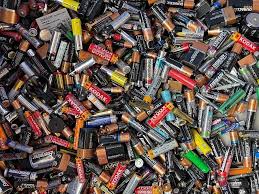
Collecting used batteries is the first step in the recycling process, and there are a bunch of programs designed to make it easy for everyone. You’ve probably seen collection bins at your local electronics store or even at community centers. These drop-off points are part of larger programs that gather old batteries from households, businesses, and institutions. By participating in these programs, you’re helping to ensure that batteries are safely recycled instead of ending up in the trash where they can cause pollution. Public awareness is key here – the more people know about and use these collection programs, the better!
Safe Handling and Storage
Handling used batteries safely is super important. Batteries can leak harmful chemicals or even catch fire if they’re not stored properly. When you’re ready to recycle, make sure to keep your old batteries in a cool, dry place and avoid mixing different types together. Some batteries, especially lithium-ion, should be taped at the terminals to prevent short circuits. Many collection programs provide specific guidelines for safe storage, so it’s a good idea to follow those instructions. By taking these precautions, you help prevent accidents and make the recycling process smoother and safer for everyone involved.
Transportation Regulations
Transporting used batteries from collection points to recycling facilities involves a few important rules. Batteries are considered hazardous materials, so there are strict regulations in place to ensure they’re moved safely. These regulations cover everything from how batteries should be packaged to the types of vehicles that can carry them. Proper packaging is crucial – it helps prevent leaks and fires during transit. Specialized transport companies often handle this part of the process, making sure that batteries arrive at recycling facilities without any issues. Following these regulations is essential for protecting both the environment and the people handling the batteries.
Why It Matters
Collecting and transporting used batteries properly is a critical part of the recycling process. It ensures that batteries are safely moved from your home or local drop-off point to the recycling facility where they can be processed. By participating in collection programs and following safe handling guidelines, you’re playing a vital role in this process. Not only does it help keep hazardous materials out of the environment, but it also supports the recycling industry in recovering valuable materials.
Next, we’ll break down the recycling process itself, step-by-step. We’ll look at how batteries are sorted, processed, and turned into new materials. We’ll also explore the environmental and economic impacts of battery recycling, and discuss the challenges and innovations in the field. Plus, we’ll give you tips on how to get involved and make a difference. Let’s keep exploring how we can make our world a little greener, one battery at a time!
The Recycling Process: Step-by-Step
Sorting and Initial Processing
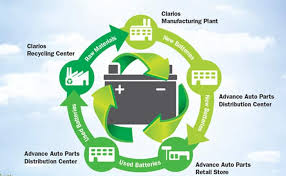
Once the used batteries are collected and transported to recycling facilities, the first step is sorting them. Different types of batteries need different recycling processes, so it’s important to sort them by chemistry. Workers or machines separate the batteries into categories like lead-acid, nickel-cadmium, nickel-metal hydride, and lithium-ion. After sorting, the batteries go through initial processing. This usually involves dismantling them and removing any outer casings or covers. Some batteries are shredded into smaller pieces to make it easier to extract valuable materials later on.
Chemical Processing and Material Recovery
Now comes the heart of the recycling process: chemical processing and material recovery. This is where the valuable metals and other materials inside the batteries are extracted and purified. There are a couple of main methods used here:
- Hydrometallurgy: This process uses water-based solutions to dissolve and separate the metals. The batteries are placed in a solution that breaks them down, allowing the metals to be recovered. For example, in the case of lithium-ion batteries, hydrometallurgy helps extract lithium, cobalt, and nickel.
- Pyrometallurgy: This method involves high-temperature processing. The batteries are heated in a furnace, which melts the metals inside. The molten metals are then separated based on their different melting points. Lead-acid batteries often go through pyrometallurgy to recover lead.
During these processes, other materials like plastics and acids are also separated and treated. Plastics can be recycled, and acids are neutralized to prevent environmental harm.
Purification and Refining
After the metals are recovered, they need to be purified to be reused effectively. This step ensures that the materials are of high quality and free from contaminants. The purification process varies depending on the metal but generally involves further chemical treatments or electrolysis. For example, purified lead from lead-acid batteries can be used to make new batteries, while purified lithium from lithium-ion batteries can go back into new battery production or other products.
Once the metals are purified, they are refined into usable forms. This can involve shaping them into sheets, bars, or other forms that manufacturers can easily use. The refined materials are then sold to companies that produce new batteries and other products, completing the recycling loop.
Why It Matters
Understanding the step-by-step process of battery recycling shows how intricate and important it is. Each stage, from sorting and initial processing to chemical processing and material recovery, plays a crucial role in ensuring that valuable materials are efficiently reclaimed and reused. This not only conserves resources but also minimizes environmental impact by keeping hazardous materials out of landfills.
In the next sections, we’ll delve into the environmental and economic impacts of battery recycling, highlight the challenges and innovations in the field, and offer tips on how you can contribute to these efforts. Stay with us as we continue to explore the world of battery recycling and its benefits!
Environmental and Economic Impact of Battery Recycling
Environmental Benefits
Recycling batteries offers significant environmental benefits. When batteries end up in landfills, they can leak harmful chemicals like lead, cadmium, and mercury into the soil and water. This pollution can harm wildlife, plants, and even humans. By recycling batteries, we prevent these toxic substances from contaminating our environment. Moreover, recycling reduces the need for mining new materials. Mining can be very destructive, leading to deforestation, water pollution, and loss of biodiversity. When we recycle batteries, we recover valuable materials like lead, lithium, nickel, and cobalt, which can be reused, reducing the need for new mining and preserving natural habitats.
Reduction in Pollution and Greenhouse Gas Emissions
Battery recycling also helps lower pollution and greenhouse gas emissions. Manufacturing batteries from raw materials requires a lot of energy, often from fossil fuels, which contributes to air pollution and climate change. Recycling, on the other hand, uses less energy because the materials are already in a usable form. This means fewer greenhouse gases are released into the atmosphere. By recycling batteries, we’re not just conserving resources; we’re also taking steps to combat climate change and improve air quality.
Conservation of Natural Resources
Every time we recycle a battery, we’re conserving natural resources. Metals like lithium, nickel, and cobalt are finite resources, meaning there’s only so much of them on Earth. Mining these metals can be expensive and environmentally damaging. Recycling allows us to recover these valuable materials from old batteries, so they can be used again and again. This reduces the pressure on our planet’s natural resources and helps ensure a sustainable supply of materials for future generations.
Economic Advantages
Recycling batteries isn’t just good for the environment; it also makes economic sense. The materials recovered from recycled batteries are valuable commodities. For example, lead from recycled car batteries can be used to make new batteries, and the same goes for lithium and cobalt in lithium-ion batteries. By recycling these materials, we reduce the need to buy new raw materials, which can be costly. Additionally, the recycling industry creates jobs in collection, transportation, and processing, boosting the economy. Companies that use recycled materials often find it cheaper and more sustainable than sourcing new materials, which can lead to lower costs for consumers.
Creation of Jobs in the Recycling Industry
The battery recycling industry is a significant source of employment. Jobs are created at every stage of the recycling process, from collection and sorting to processing and refining. These jobs not only help reduce unemployment but also contribute to economic growth. As the demand for battery recycling increases, more opportunities for employment and innovation arise, driving further economic benefits.
Economic Value of Recovered Materials
The recovered materials from recycled batteries have substantial economic value. For instance, the price of cobalt, a key component in many batteries, has been rising due to increased demand for electric vehicles. Recycling batteries to recover cobalt and other valuable metals helps stabilize supply and can reduce the costs associated with producing new batteries and electronic devices. This economic benefit extends to consumers, who may see lower prices for products that use these recycled materials.
Why It Matters
Understanding the environmental and economic impacts of battery recycling highlights why it’s so crucial. By recycling batteries, we’re not only protecting our planet from pollution and conserving precious resources, but we’re also supporting a sustainable economy. The benefits extend far beyond just reducing waste; they include combating climate change, creating jobs, and providing valuable materials for future use.
In the upcoming sections, we’ll discuss the challenges and innovations in battery recycling, and share tips on how you can help support these efforts. Stick with us as we continue to uncover the many ways battery recycling makes a positive impact on our world!
Challenges and Innovations in Battery Recycling
Current Challenges
Recycling batteries is no easy task, and there are several challenges that the industry faces. One of the biggest issues is the complexity of battery chemistries. Different types of batteries, like lithium-ion, nickel-cadmium, and lead-acid, require different recycling processes. This means that recycling facilities need to have specialized equipment and knowledge to handle each type. Additionally, some batteries, especially lithium-ion, can pose safety risks like fires or explosions if not handled properly. These technical difficulties make battery recycling more complicated and costly.
Another challenge is the economic viability of recycling. Sometimes, the cost of collecting, transporting, and processing used batteries can be higher than the value of the recovered materials. This can make it difficult for recycling programs to be financially sustainable without subsidies or incentives. Additionally, public awareness and participation in battery recycling programs are not as high as they could be, leading to lower collection rates and more batteries ending up in landfills.
Innovative Solutions
Despite these challenges, there are exciting innovations making battery recycling more efficient and effective. New technologies are being developed to improve the recovery rates of valuable materials and reduce the environmental impact of recycling processes. For example, advancements in hydrometallurgy and pyrometallurgy are making it easier to extract metals like lithium, cobalt, and nickel from used batteries with higher purity and lower energy consumption.
Another promising innovation is the design of batteries with recycling in mind. Some manufacturers are creating batteries that are easier to disassemble and recycle, which can significantly reduce the complexity and cost of the recycling process. This approach, known as “design for recycling,” aims to make the entire lifecycle of batteries more sustainable.
Emerging Technologies
Emerging technologies are also playing a crucial role in addressing the challenges of battery recycling. For instance, artificial intelligence and machine learning are being used to improve the sorting and processing of batteries. These technologies can help identify different types of batteries more accurately and optimize the recycling process, making it faster and more efficient.
Moreover, there are ongoing efforts to develop alternative materials for batteries that are less harmful to the environment and easier to recycle. Researchers are exploring the use of organic materials, solid-state electrolytes, and other innovations that could lead to safer and more sustainable batteries in the future.
Case Studies
Looking at real-world examples, several successful battery recycling programs highlight the potential of these innovations. In Europe, the Battery Directive has led to higher recycling rates by setting mandatory collection and recycling targets. Companies like Umicore in Belgium have developed advanced recycling facilities that efficiently recover valuable materials from used batteries, setting a benchmark for the industry.
In North America, organizations like Call2Recycle have implemented comprehensive collection programs, partnering with retailers and municipalities to make battery recycling more accessible to consumers. These case studies show how legislation, industry collaboration, and technological advancements can drive successful battery recycling initiatives.
Why It Matters
Understanding the challenges and innovations in battery recycling is crucial for appreciating the complexity of the process and the efforts being made to overcome these obstacles. The ongoing development of new technologies and recycling-friendly battery designs promises a more sustainable future for battery usage and recycling. By staying informed about these advancements, we can better support and advocate for effective recycling programs.
In the final sections, we’ll offer practical tips on how you can help support battery recycling efforts and make a positive impact. Stay tuned to learn how you can contribute to this eco-friendly movement and make a difference in your community!
How You Can Help: Tips for Consumers
Proper Disposal Practices
One of the easiest ways you can make a difference is by disposing of your batteries properly. Instead of tossing them in the trash, where they can leak harmful chemicals into the environment, take them to a designated recycling drop-off point. Many retail stores, community centers, and local recycling programs have collection bins specifically for used batteries. Make sure to tape the terminals of lithium-ion batteries to prevent short circuits and store them in a cool, dry place until you can recycle them. Proper disposal helps ensure that batteries are handled safely and recycled efficiently.
Participation in Recycling Programs
Getting involved in local and national recycling programs is another great way to help. These programs often rely on community participation to be successful. Check with your local waste management or environmental services to find out where you can drop off your used batteries. Some areas even offer curbside pickup for recyclables, including batteries. By participating in these programs, you’re contributing to a larger effort to keep hazardous materials out of landfills and support the recycling industry.
Benefits of Consumer Participation
When you participate in battery recycling programs, you’re not just helping the environment; you’re also supporting the economy. Recycling programs create jobs in collection, transportation, and processing. The materials recovered from recycled batteries, like lead, lithium, and nickel, can be used to make new products, reducing the need for mining and lowering production costs. This can lead to cheaper goods for consumers and a more sustainable economy. Your participation helps drive demand for recycled materials and encourages more companies to invest in recycling initiatives.
Educating Others
One of the most impactful things you can do is educate others about the importance of battery recycling. Share information with your friends, family, and community about how and why to recycle batteries. You can use social media to spread the word or even organize local events to raise awareness. Schools, workplaces, and community groups are great places to start educational campaigns. The more people know about battery recycling, the more likely they are to participate and make a positive impact.
Encouraging Community Involvement
Encouraging community involvement can amplify your efforts. Start by talking to your neighbors about setting up a local battery recycling program if one doesn’t already exist. Work with local schools, businesses, and community centers to provide information and resources. You might even consider volunteering for or donating to organizations that support battery recycling. By fostering a sense of community around recycling efforts, you can help create a more sustainable and environmentally conscious neighborhood.
Why It Matters
Your actions, no matter how small, can make a big difference in the world of battery recycling. Properly disposing of batteries, participating in recycling programs, educating others, and encouraging community involvement all contribute to a healthier environment and a more sustainable future. By taking these steps, you’re helping to reduce pollution, conserve resources, and support the recycling industry.
In the conclusion, we’ll summarize the key points we’ve discussed and provide a call to action for readers to get involved in battery recycling efforts. Let’s wrap up our journey through the world of battery recycling and reinforce the importance of our individual contributions to this vital cause.
Conclusion
Summary of Key Points
Throughout our exploration of battery recycling, we’ve uncovered why this process is crucial for both the environment and the economy. We started by understanding the various types of batteries and their specific recycling processes. From lead-acid to lithium-ion batteries, each type has its unique method of being broken down and repurposed. This not only prevents harmful chemicals from leaking into our soil and water but also conserves valuable resources by recovering metals like lead, lithium, nickel, and cobalt.
We also discussed the steps involved in the collection and transportation of used batteries. Proper collection programs and safe handling practices are essential to ensure batteries are transported without causing environmental or safety hazards. The detailed recycling process, including sorting, chemical processing, and material recovery, helps maximize the efficiency of recycling efforts, turning old batteries into valuable materials for new products.
The environmental and economic impacts of battery recycling cannot be overstated. Recycling batteries reduces pollution, lowers greenhouse gas emissions, conserves natural resources, and supports the economy by creating jobs and providing valuable materials. Despite the challenges, innovative solutions and emerging technologies are making battery recycling more efficient and effective. Case studies from around the world demonstrate the success of these efforts and the potential for continued improvement.
Call to Action
Now that you understand the importance and process of battery recycling, it’s time to take action. Here are a few simple steps you can take to contribute to this eco-friendly cause:
- Dispose of Batteries Properly: Always take your used batteries to designated recycling drop-off points instead of throwing them in the trash. Follow guidelines for safe storage and handling to prevent accidents.
- Participate in Recycling Programs: Get involved in local and national battery recycling programs. Find out where you can drop off your used batteries and take advantage of these services.
- Educate Others: Spread the word about the importance of battery recycling. Share information with friends, family, and your community. Use social media, organize events, and encourage others to join the effort.
- Encourage Community Involvement: Work with local schools, businesses, and community centers to promote battery recycling. Consider volunteering for or donating to organizations that support recycling initiatives.
By taking these steps, you’re helping to protect the environment, conserve resources, and support a sustainable economy. Every battery recycled is a step towards a cleaner, greener future. Let’s all do our part and make battery recycling a common practice in our daily lives.
Thank you for joining us on this journey through the world of battery recycling. Together, we can make a significant impact and ensure a healthier planet for future generations.

Dr. Alexander Tabibi is an entrepreneur, investor, and advocate for sustainable innovation with a deep commitment to leveraging technology for environmental and social good. As a thought leader at the intersection of business and sustainability, Dr. Tabibi brings a strategic vision to Green.org, helping guide its mission to inspire global climate awareness and actionable change.
With a background in both medicine and business, Dr. Tabibi combines analytical rigor with entrepreneurial insight.