
Contents
Introduction
Have you ever wondered what happens to all the stuff we throw away? Recycling isn’t just a trendy buzzword anymore—it’s a crucial way we can all pitch in to help the planet. Simply put, recycling means taking old materials and turning them into new ones instead of tossing them in the trash. It’s like giving things a second life!
In today’s world, where every small action counts towards a greener future, recycling plays a vital role. It’s not just about saving the environment (though that’s a big part of it!). It’s also about conserving resources, cutting down on pollution, and even creating new job opportunities. So, why should you recycle? Let’s dive into seven compelling reasons that might just convince you to join the recycling revolution!
Environmental Benefits
When you recycle, you’re not just tossing things away—you’re helping to save our planet in more ways than one. One of the biggest perks of recycling is reducing the amount of waste that ends up in landfills. Instead of burying useful materials, recycling gives them a new lease on life. Think of it as a way to shrink the mountains of trash we produce every day.
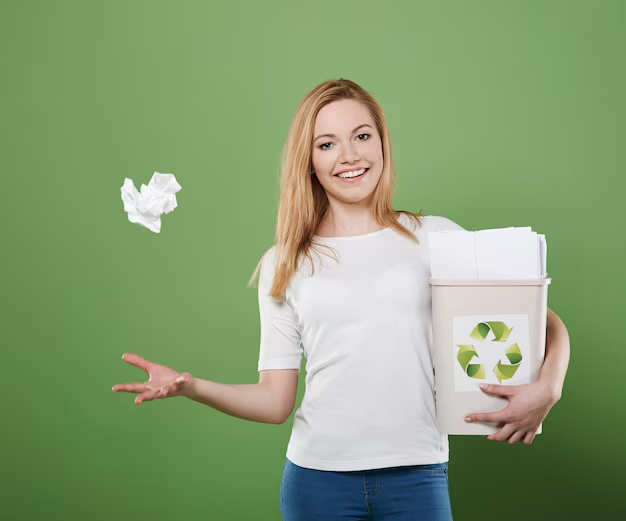
But that’s not all. Recycling also helps to conserve our precious natural resources. Whether it’s water, minerals, or energy, recycling means using less of these finite resources to create new products. Imagine the energy saved when we reuse materials like paper, plastic, or metal instead of starting from scratch every time. It’s a smart way to lighten our environmental footprint and ensure a cleaner, healthier planet for generations to come.
So, next time you think about tossing that soda can or old newspaper in the trash, think again—recycling isn’t just a choice, it’s a powerful way to protect our environment and preserve resources for the future.
Energy Savings
Ever wondered how recycling saves more than just landfill space? It’s all about conserving energy in ways that benefit our environment. When we recycle materials like paper, glass, or plastic, we’re actually saving a significant amount of energy compared to making new products from raw materials.
Here’s the scoop: Manufacturing goods from recycled materials typically requires less energy than producing them from scratch. For example, recycling paper saves trees and cuts down on the energy needed for logging, transporting, and processing raw wood. Similarly, recycling aluminum cans uses less energy than mining and refining new aluminum ore.
Plus, recycling helps to reduce greenhouse gas emissions—a major contributor to climate change. By lowering the demand for raw materials and reducing the energy-intensive processes involved in extraction and manufacturing, recycling plays a crucial role in mitigating environmental impacts.
So, next time you toss that plastic bottle into the recycling bin instead of the trash, you’re not just making a small gesture—you’re contributing to big energy savings and helping to protect our planet for future generations.
Protection of Wildlife
Recycling isn’t just about managing waste—it’s also about safeguarding our natural habitats and the creatures that call them home. When we recycle, we help preserve these habitats by reducing the need for new raw materials that often come from mining, logging, or drilling. This means fewer forests cut down, fewer rivers polluted, and less disruption to wildlife.

Think about it this way: Recycling prevents pollution from entering our air, water, and soil. By keeping harmful chemicals and debris out of ecosystems, we protect wildlife from the dangers of habitat destruction and contamination. It’s like giving our furry and feathered friends a cleaner, safer place to live.
Whether it’s ensuring nesting grounds for birds or protecting marine life from plastic debris, every recycled item makes a difference. So, next time you recycle that old electronics or glass bottle, remember—you’re not just cleaning up your space; you’re also helping to preserve the natural world and the amazing creatures that share it with us.
Economic Benefits
Did you know that recycling isn’t just good for the environment? It’s also a smart move for our wallets and the economy. When we recycle, we create opportunities for new jobs and businesses dedicated to collecting, sorting, and processing recyclable materials. This means more employment opportunities in communities across the globe.
But that’s not all—recycling can also save money in unexpected ways. By reusing materials like paper, metals, and plastics, we reduce the demand for raw resources and lower production costs. This can lead to savings for both businesses and consumers. For example, using recycled materials in manufacturing often requires less energy and fewer resources, translating into lower prices for goods we buy every day.
Plus, recycling helps to reduce the costs associated with waste disposal and landfill management. Municipalities and governments spend less on handling and disposing of trash when more materials are recycled instead of being thrown away. This frees up resources that can be invested in other community services and infrastructure projects.
So, whether it’s creating jobs, saving money, or supporting local economies, recycling is a win-win solution that benefits both our planet and our pockets. Next time you recycle that cardboard box or aluminum can, you’re not just helping the environment—you’re also contributing to a stronger, more sustainable economy.
Community Impact
Ever thought about how recycling affects your community beyond just cleaning up trash? It turns out, recycling has a big impact on public health and the overall quality of life in our neighborhoods. When we recycle, we help reduce the amount of waste that ends up in landfills or incinerators, which can release harmful pollutants into the air, water, and soil.
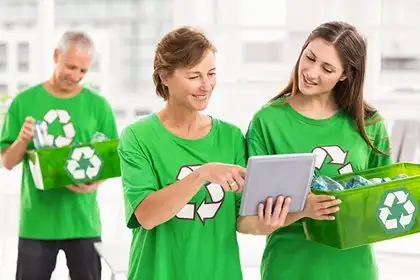
By keeping our environment cleaner and safer, recycling contributes to better public health outcomes. Fewer pollutants mean fewer health risks for residents, from respiratory problems to water contamination. This is especially important in urban areas where pollution levels can affect large populations.
But the benefits don’t stop there. Recycling also enhances the overall quality of life in our communities. Cleaner streets and parks, reduced litter, and improved waste management systems all contribute to a more pleasant and livable environment. This fosters community pride and encourages residents to take pride in their surroundings.
So, the next time you recycle that plastic bag or old electronics, remember—you’re not just keeping your home tidy; you’re also helping to build a healthier, happier community for everyone.
Personal Responsibility and Global Impact
Ever wonder how your small actions can make a big difference on a global scale? When it comes to recycling, every little bit counts. By choosing to recycle, you’re not just disposing of waste—you’re taking personal responsibility for the planet we all share.
Recycling promotes sustainable practices that conserve natural resources and reduce our carbon footprint. When we reuse materials like paper, glass, or plastic, we decrease the demand for new resources extracted from the earth. This helps preserve ecosystems and biodiversity, ensuring a healthier environment for future generations.
But the impact doesn’t stop at your doorstep. Your decision to recycle sends a powerful message to industries and policymakers about the importance of sustainability. As more individuals embrace recycling, companies are encouraged to adopt eco-friendly practices and governments to enact policies that support environmental conservation.
Think of recycling as a way to leave a positive legacy for the next generation. By making conscious choices today, we can create a brighter, cleaner future for our children and grandchildren. So, whether it’s sorting your recyclables at home or supporting recycling initiatives in your community, remember—you have the power to make a difference, one bottle or can at a time.
Conclusion
Now that we’ve explored the many reasons why recycling is so important, from protecting wildlife to saving energy and supporting our communities, it’s clear that recycling isn’t just a choice—it’s a powerful way to make a positive impact on our planet.
By reducing waste, conserving resources, and lowering pollution levels, recycling plays a vital role in creating a cleaner, healthier environment for all. It’s a simple yet effective way for each of us to contribute to global sustainability efforts and ensure a better future for generations to come.
So, whether you’re recycling plastic bottles, paper products, or electronic gadgets, remember that every little bit helps. By making recycling a part of your daily routine, you’re not only improving your immediate surroundings but also setting an example for others to follow.
Together, we can continue to build a more sustainable world—one recyclable item at a time. Let’s keep the momentum going and make recycling a habit that benefits us all. Together, we can make a difference!

Dr. Alexander Tabibi is an entrepreneur, investor, and advocate for sustainable innovation with a deep commitment to leveraging technology for environmental and social good. As a thought leader at the intersection of business and sustainability, Dr. Tabibi brings a strategic vision to Green.org, helping guide its mission to inspire global climate awareness and actionable change.
With a background in both medicine and business, Dr. Tabibi combines analytical rigor with entrepreneurial insight.