
As the Biden administration embarks on a monumental push towards establishing a low-carbon hydrogen industry, the debate intensifies over what truly constitutes ‘clean’ hydrogen. The recent hearings on Treasury Department rules for hydrogen tax credits have unveiled a rift between industry stakeholders and environmentalists, underscoring the complexities of transitioning to a sustainable hydrogen economy.
Contents
- 1 Financial Viability Hangs in the Balance
- 2 Navigating the Challenges of Low-Carbon Energy Sources
- 3 Innovations and Investments in the Hydrogen Sector
- 4 The Ongoing Debate Over Hydrogen’s Future
- 5 Methane Emissions and the Accountability Challenge
- 6 Conclusion: Towards a Sustainable Hydrogen Economy
- 7 Further Reading, Credit & Resources
Financial Viability Hangs in the Balance
The administration’s plan hinges on the Inflation Reduction Act’s section 45V, which aims to stimulate the hydrogen sector through tax credits, contingent upon using low-carbon sources like renewables, nuclear, and carbon capture for hydrogen production. Yet, the industry remains in limbo, awaiting final regulations that could make or break its financial viability.
A particular point of contention is the draft rule’s requirement for hydrogen production to be powered by newly developed low-carbon energy sources, a stipulation aimed at avoiding the activation of new fossil-fuel-based generators. Critics argue this could sideline projects reliant on nuclear power, given its high capital costs and lengthy setup times.
Innovations and Investments in the Hydrogen Sector
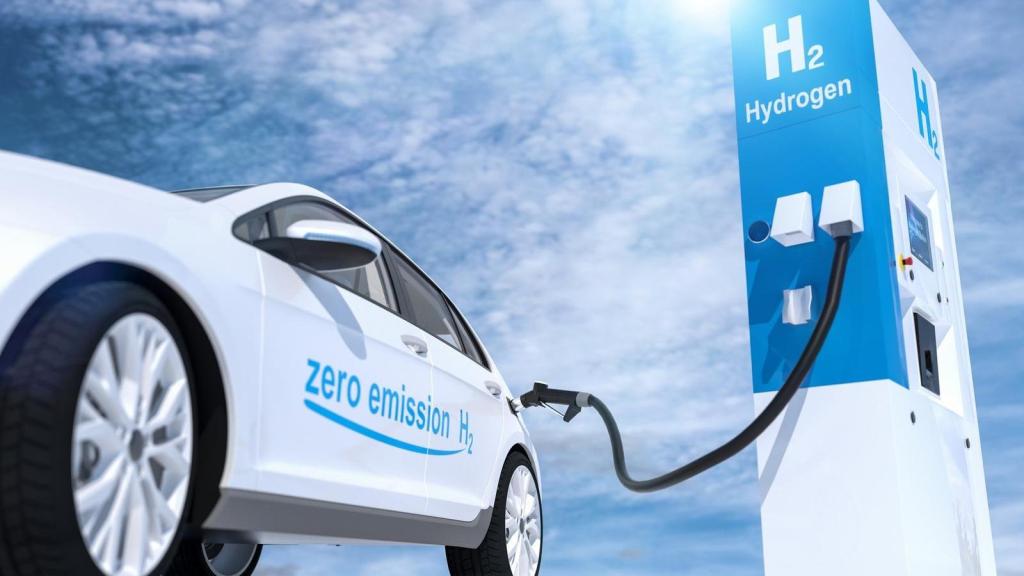
Meanwhile, advancements in the hydrogen sector offer a glimpse of potential solutions to these challenges. Innovations such as the world’s first asphalt production burner powered by renewable hydrogen and significant price reductions in green hydrogen production in China signal the industry’s forward momentum. These developments, along with recent investments by the U.S. Department of Energy in clean hydrogen technologies, underscore the sector’s potential for substantial growth and decarbonization impact.
The Ongoing Debate Over Hydrogen’s Future
Despite these advancements, disagreements persist over the practicality of the proposed regulations, with some industry representatives forecasting increased costs and delayed projects. Conversely, environmental advocates and companies aligned with the draft rules highlight ongoing and planned projects as evidence of the sector’s adaptability and commitment to sustainable practices.
Methane Emissions and the Accountability Challenge
The discourse extends to the evaluation of methane emissions from natural gas infrastructure, where there’s a push for more accurate accounting methods to ensure a genuine reduction in greenhouse gases. This debate exemplifies the broader challenges of balancing industry growth with environmental sustainability.
Conclusion: Towards a Sustainable Hydrogen Economy
In conclusion, while the path to a clean hydrogen economy is fraught with debate and uncertainty, the combined efforts of innovation, policy, and industry adaptation may yet navigate these turbulent waters. As the dialogue unfolds, it becomes clear that achieving a truly sustainable hydrogen sector will require compromise, collaboration, and continued technological advancements.
Further Reading, Credit & Resources
This article was enriched by insights from various sources. For further exploration of the topics discussed, delve into the following resources:
Hydrogen News Today, the World Economic Forum
ScienceDaily, MIT News
the Department of Energy, and Yahoo News

Dr. Alexander Tabibi is an entrepreneur, investor, and advocate for sustainable innovation with a deep commitment to leveraging technology for environmental and social good. As a thought leader at the intersection of business and sustainability, Dr. Tabibi brings a strategic vision to Green.org, helping guide its mission to inspire global climate awareness and actionable change.
With a background in both medicine and business, Dr. Tabibi combines analytical rigor with entrepreneurial insight.