


Contents
Introduction
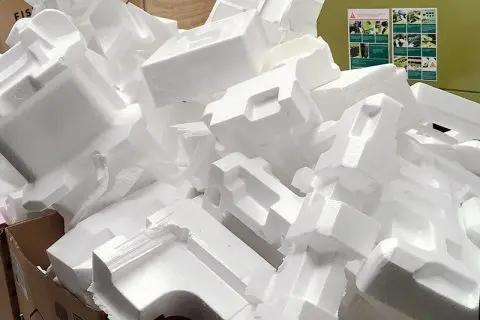
Styrofoam, also known as polystyrene, is everywhere. It’s that white, foamy material you find in packaging, disposable cups, plates, and coolers. It’s lightweight, easy to produce, and perfect for protecting fragile items during shipping. But here’s the catch: Styrofoam is a nightmare for the environment.
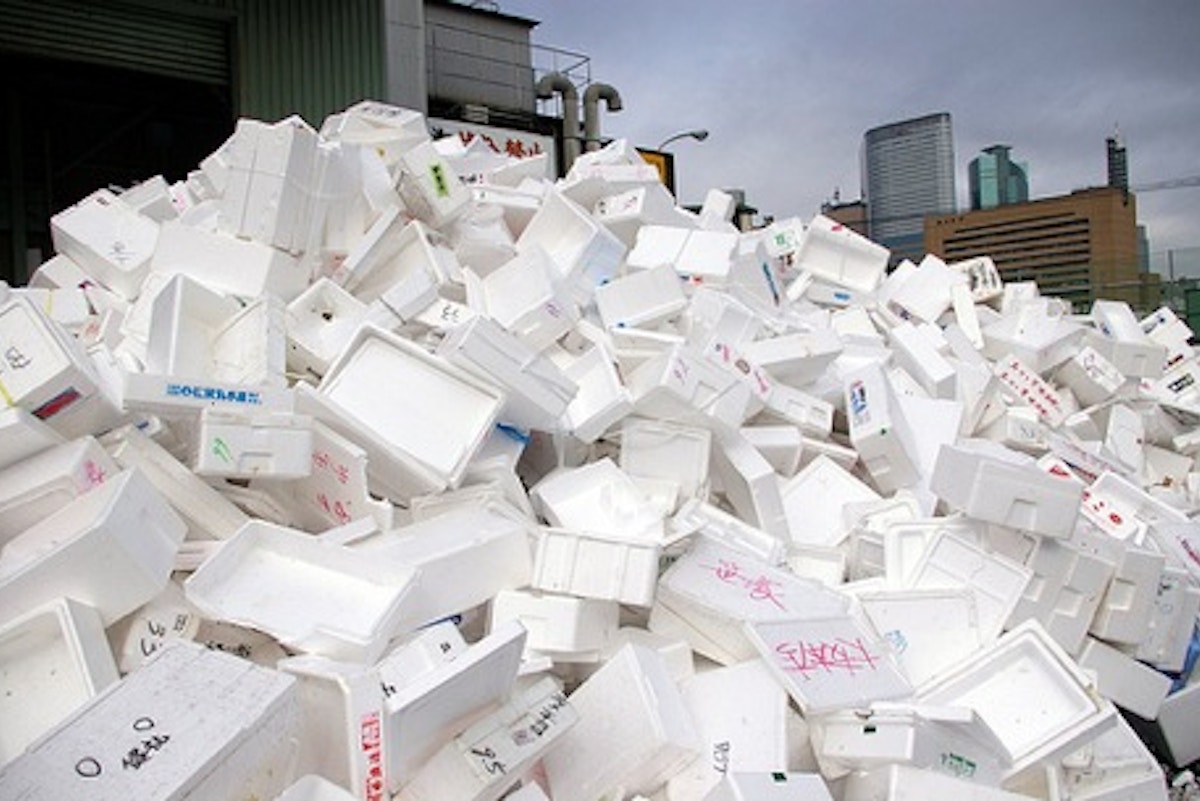
When we toss Styrofoam into the trash, it ends up in landfills, where it can take hundreds of years to break down. That’s right—hundreds of years! During that time, it can release harmful chemicals into the soil and water, making it a major environmental hazard. Plus, if it ends up in our oceans, it poses a serious threat to marine life. Animals can mistake it for food, leading to severe health problems or even death.
So, why should we care about how we dispose of Styrofoam? First off, reducing our Styrofoam waste can significantly lower our environmental footprint. Less Styrofoam in landfills means less pollution and less harm to wildlife. Additionally, many places have started to implement laws requiring proper Styrofoam disposal and recycling. Being aware of and following these regulations can keep us on the right side of the law.
In this guide, we’ll dive into everything you need to know about disposing of Styrofoam properly. From understanding the different types of Styrofoam to exploring various disposal methods, we’ll cover all the bases. We’ll also look at innovative solutions and share tips on how you can reduce your Styrofoam use. By the end, you’ll be equipped with all the knowledge you need to make more environmentally-friendly choices when it comes to Styrofoam. So, let’s get started and do our part to protect the planet!
Types of Styrofoam
Not all Styrofoam is created equal. In fact, there are two main types you’ll come across: Expanded Polystyrene (EPS) and Extruded Polystyrene (XPS). Knowing the difference between them can help you figure out the best way to dispose of each type.


Expanded Polystyrene (EPS)
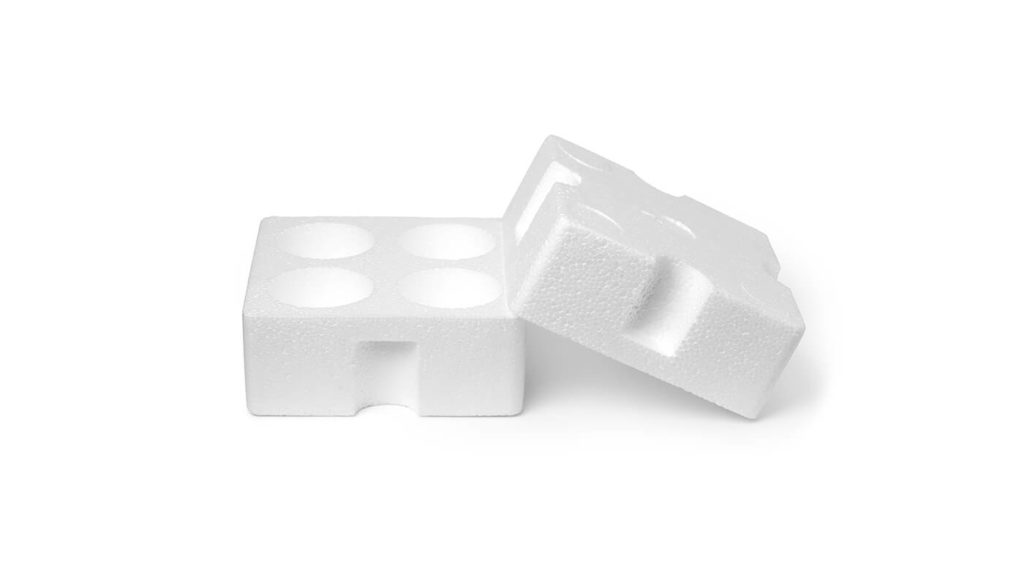
EPS is the more common type of Styrofoam you’ll see. It’s made from tiny beads of polystyrene that are expanded and fused together. You’ll recognize EPS in things like coffee cups, takeout containers, and packing peanuts. It’s lightweight and has a lot of air in it, which makes it a great insulator and cushion. However, it’s also pretty bulky, which can make it a pain to recycle.
Extruded Polystyrene (XPS)
XPS, on the other hand, is a bit different. It’s made by melting polystyrene crystals and then forcing them through a mold to create a solid sheet. This type of Styrofoam is denser and stronger than EPS. You’ll often find XPS in building insulation and some types of packaging. Because it’s more compact, XPS can sometimes be easier to recycle than EPS.
Difference Between EPS and XPS
So, what’s the big deal about the differences between EPS and XPS? For one thing, the way they’re made affects how they break down and how they should be disposed of. EPS, with all its little air pockets, can be tougher to recycle because it takes up so much space. XPS, being denser, is sometimes a bit easier to handle. Knowing which type you have can help you decide the best disposal method.
In the next sections, we’ll dive into how you can get rid of both types of Styrofoam in a way that’s kind to the environment. Whether you’re recycling, reusing, or just trying to reduce your Styrofoam use, we’ve got you covered.
Methods of Disposal
Now that we know the types of Styrofoam we’re dealing with, let’s talk about how to get rid of it properly. There are several ways to dispose of Styrofoam, and choosing the right method can make a big difference for the environment.

Recycling
One of the best ways to dispose of Styrofoam is by recycling it. But first, you need to know if your Styrofoam is recyclable. Look for a recycling symbol with the number 6 on it. This indicates it’s polystyrene and can potentially be recycled.
To find a recycling program, check with your local waste management services or look online for nearby recycling centers. Not all facilities accept Styrofoam, so it’s important to do a little research first. Once you find a place, make sure your Styrofoam is clean—no food residue or dirt. You might also need to break down large pieces into smaller chunks to make them easier to handle.
Reuse and Repurposing
If recycling isn’t an option, consider reusing or repurposing your Styrofoam. There are plenty of creative ways to give Styrofoam a second life. For example, you can use it for DIY projects or crafts, like making holiday decorations or model building. Gardeners can also use Styrofoam to improve drainage in plant pots.
Donating is another great option. Schools, community centers, and art programs often accept Styrofoam for projects and activities. This way, you’re not just keeping Styrofoam out of the landfill—you’re also helping out your community.
Safe Disposal Methods
Sometimes, recycling or reusing Styrofoam isn’t feasible. In these cases, there are safe disposal methods to consider. Some areas offer special waste disposal services that handle Styrofoam. These services ensure that Styrofoam is disposed of properly, without causing harm to the environment.
If special disposal services aren’t available, landfill disposal might be your last resort. If you have to throw Styrofoam in the trash, try to minimize its environmental impact by breaking it down into smaller pieces. This helps it take up less space and reduces the chance of it blowing away and causing litter.
Incineration
Another disposal method is incineration, but it’s not without its issues. Controlled incineration facilities can handle Styrofoam and reduce it to ash, but this process can release harmful emissions if not done correctly. It’s crucial to ensure that any incineration is done in a facility equipped to manage these emissions safely.
By knowing these disposal methods, you can make informed choices about what to do with your Styrofoam. Whether you recycle, reuse, or use a special disposal service, every little bit helps in reducing the environmental impact of this common material. Next, we’ll look at some exciting innovations in Styrofoam disposal and ways you can personally get involved in making a difference.
Innovations in Styrofoam Disposal
As we become more aware of the environmental impact of Styrofoam, exciting new innovations are emerging to tackle the problem. From biodegradable alternatives to advanced recycling technologies, here’s a look at some of the latest solutions.

Biodegradable Alternatives
One of the most promising developments is the creation of biodegradable alternatives to traditional Styrofoam. These new materials are designed to break down more quickly and safely in the environment. Some are made from natural sources like corn starch or mushrooms, offering a sustainable option that functions much like regular Styrofoam. While they may not be available everywhere just yet, they represent a significant step forward in reducing our reliance on traditional polystyrene.
Advanced Recycling Technologies
Recycling Styrofoam has always been a challenge, but new technologies are making it easier. Innovations in chemical recycling, for instance, allow Styrofoam to be broken down into its original components and reused to make new products. This process not only reduces waste but also cuts down on the need for new raw materials. Additionally, some companies are developing machines that can compress Styrofoam on-site, making it more efficient to transport and recycle.
Government and Industry Initiatives
Governments and industries are also stepping up with initiatives to promote better Styrofoam disposal practices. Some cities and states have introduced bans on Styrofoam products, encouraging businesses to switch to more eco-friendly alternatives. There are also programs that provide funding and support for recycling facilities and research into sustainable materials. By supporting these initiatives, we can help drive the shift toward more environmentally friendly practices.
These innovations are paving the way for a future where Styrofoam doesn’t have to be a major environmental issue. By staying informed and supporting these advancements, we can all play a part in reducing the impact of Styrofoam waste. Next, let’s explore how you can make a difference in your own life and community by reducing Styrofoam use and promoting proper disposal methods.
Personal Responsibility and Community Involvement
When it comes to Styrofoam disposal, every little bit helps. By making a few changes in your own habits and getting involved in your community, you can make a significant impact. Here’s how you can contribute:
Reducing Styrofoam Use
One of the easiest ways to cut down on Styrofoam waste is simply to use less of it. Look for alternatives whenever possible. For example, bring your own reusable coffee cup instead of using Styrofoam cups. Opt for paper or compostable plates and utensils when you’re hosting a party. Many stores now offer eco-friendly packaging options, so choose products that use those materials. By being mindful of your purchases, you can significantly reduce your Styrofoam footprint.
Community Education and Advocacy
Education is a powerful tool. Talk to your friends, family, and neighbors about the importance of proper Styrofoam disposal and recycling. Organize or join local clean-up events to help keep Styrofoam and other trash out of the environment. You can also work with local schools or community centers to set up recycling programs or educational workshops about sustainable living. The more people know, the bigger the impact we can make together.
Supporting Legislation
Policies and regulations play a crucial role in managing Styrofoam waste. Stay informed about local laws and regulations regarding Styrofoam use and disposal. Support legislation that promotes recycling and the use of biodegradable alternatives. You can do this by contacting your local representatives, signing petitions, or participating in community meetings. Your voice can help push for stronger environmental protections and better waste management practices.
By taking these steps, you’re not just helping to reduce Styrofoam waste—you’re also setting an example for others to follow. Personal responsibility and community involvement are key to making lasting changes that benefit the environment. As we wrap up, we’ll summarize the key points and encourage you to take action in your own life to support a healthier planet.
Conclusion
Let’s wrap up what we’ve learned about Styrofoam disposal and why it matters. Styrofoam, or polystyrene, is everywhere in our daily lives, from coffee cups to packaging material. Unfortunately, it’s also a major environmental problem because it takes hundreds of years to decompose and can harm wildlife and ecosystems.
Proper disposal of Styrofoam is crucial. Recycling is a great option if your local facilities accept it. Remember to clean and break down your Styrofoam before recycling. If recycling isn’t available, consider reusing it for crafts, gardening, or donating it to schools and community centers. If these aren’t feasible, look for special waste disposal services or, as a last resort, dispose of it in the trash, but try to minimize its environmental impact.
Innovations like biodegradable alternatives and advanced recycling technologies are paving the way for a more sustainable future. Government and industry initiatives are also helping to promote better disposal practices and reduce Styrofoam use.
As individuals, we can make a big difference by reducing our Styrofoam consumption, educating our communities, and supporting legislation that encourages environmentally friendly practices. By making informed choices and getting involved, we can help protect our planet from the harmful effects of Styrofoam.
So, let’s all do our part. Whether it’s choosing a reusable cup, participating in a local clean-up, or advocating for better recycling programs, every action counts. Together, we can make a significant impact on reducing Styrofoam waste and creating a healthier environment for future generations.
Remember, change starts with us. Let’s take action today to ensure a cleaner, greener tomorrow.


Dr. Alexander Tabibi is an entrepreneur, investor, and advocate for sustainable innovation with a deep commitment to leveraging technology for environmental and social good. As a thought leader at the intersection of business and sustainability, Dr. Tabibi brings a strategic vision to Green.org, helping guide its mission to inspire global climate awareness and actionable change.
With a background in both medicine and business, Dr. Tabibi combines analytical rigor with entrepreneurial insight.