


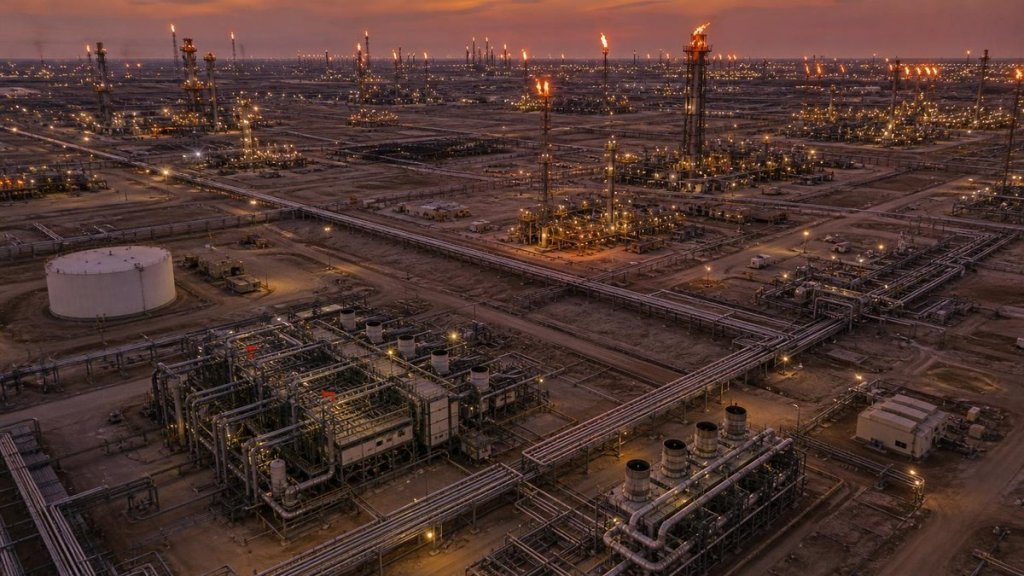
On a clear day in the Permian Basin, you can sometimes see the flares before you see the rigs. Pockets of burning methane light up the horizon, a byproduct of an industry that has long treated natural gas as an afterthought to crude oil. That visual may become more common if the Trump administration follows through on its latest regulatory push. The White House has directed the Environmental Protection Agency to relax methane controls across oil and gas operations, a move that would unwind some of the tightest emissions rules ever placed on the sector.
The timing matters. Methane, the primary component of natural gas, packs a warming punch roughly 80 times stronger than carbon dioxide over a 20-year period, according to the IPCC. When it leaks from wells, pipelines, or processing plants, it does damage fast. For an administration that has made deregulation a centerpiece of its economic agenda, though, those physics appear to weigh less heavily than the economics of domestic energy production.
What the Rollback Actually Targets

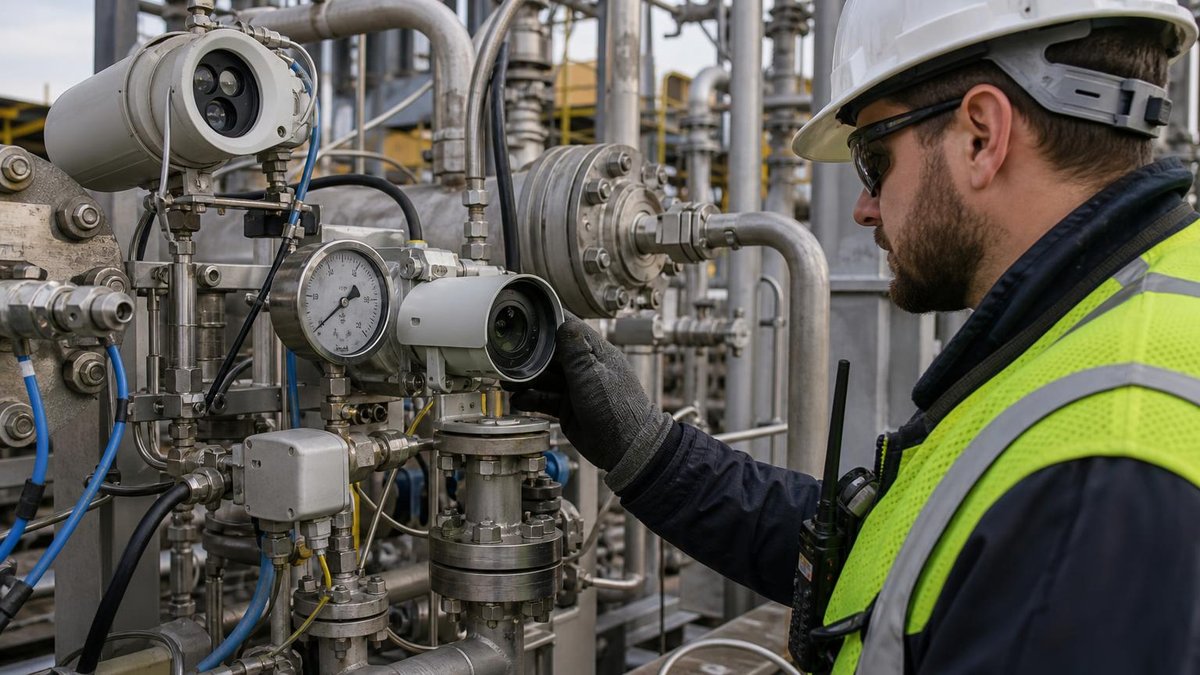
The EPA methane rule changes now under review touch nearly every phase of hydrocarbon extraction. The existing framework, strengthened during the Biden administration, required operators to monitor for leaks at well sites and compressor stations, repair them within specified timeframes, and eliminate routine flaring at new wells. It also set standards for pneumatic controllers, the devices that vent small amounts of gas continuously as part of their normal operation.
Trump’s proposal would loosen several of these requirements. Companies could face longer intervals between leak inspections, particularly at smaller sites. The definition of what constitutes a “significant” leak would likely expand, meaning more emissions would go unreported and unrepaired. Most consequentially, the administration appears poised to reduce or eliminate federal standards for existing infrastructure, which accounts for the vast majority of production equipment in the field.
This is not the first time methane rules have become a political football. The Obama administration established baseline regulations in 2016. Trump attempted to suspend them in 2020, only to see courts block the move. Biden’s EPA rebuilt and expanded the framework in 2024. Now the pendulum swings again, leaving operators to navigate yet another cycle of regulatory uncertainty.
Why Methane Draws Such Sharp Debate
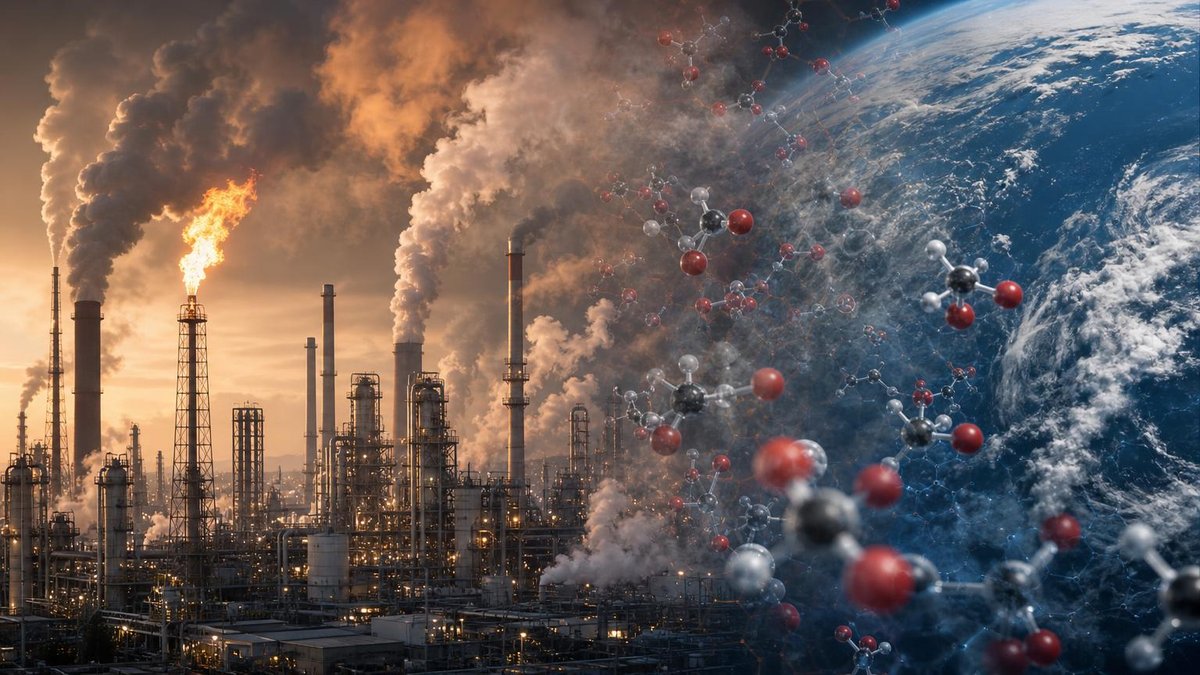
The oil and gas sector sits in an unusual position within global greenhouse gas emissions by sector. It is not the largest overall emitter; power generation and transportation both produce more CO2 in absolute terms. But methane’s outsized short-term warming potential means the industry punches above its weight on near-term climate impacts.
The IEA estimates that the energy sector as a whole, including oil, gas, and coal operations, was responsible for roughly 135 million tonnes of methane emissions in 2023. That represents about 40% of all human-caused methane entering the atmosphere. Within that slice, oil and gas operations dominate.
The debate over regulation often breaks down along a deceptively simple fault line: is methane a waste product to be minimized, or a valuable commodity to be captured? In theory, the economic answer should favor capture. Methane that escapes into the atmosphere generates zero revenue. In practice, the infrastructure to collect and market gas from remote or low-pressure sources often costs more than the gas is worth, especially when prices are depressed.
This is where gas flaring enters the picture. When operators lack pipeline access or processing capacity, they burn excess methane rather than venting it directly. Flaring converts methane to CO2, reducing immediate warming impact but still adding carbon to the atmosphere. The practice has drawn increasing scrutiny from satellites and environmental groups, and from investors who see stranded gas as both a climate risk and a financial inefficiency.
The Global Context and Competitive Pressures
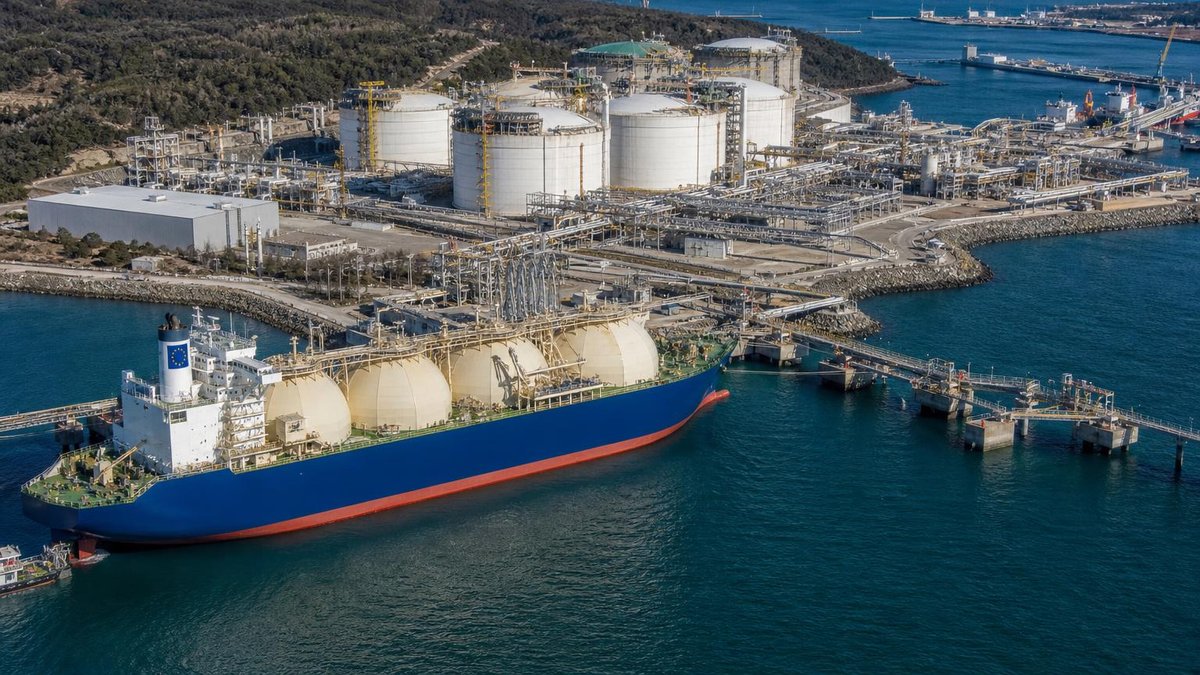
American methane policy does not exist in isolation. The European Union’s methane regulation, which took full effect in 2024, now requires importers of oil and gas to demonstrate that their supply chains meet emissions standards equivalent to EU domestic rules. That creates a potential trade barrier: U.S. LNG exports to Europe, which have surged since Russia’s invasion of Ukraine, could face certification hurdles if American production is perceived as leakier than alternatives.
Major importing nations including Japan and South Korea are developing similar frameworks. The Google methane emission mapping initiative and parallel efforts by the UN’s International Methane Emissions Observatory have made it increasingly difficult for producers to hide poor performance. Satellite detection can now identify large point sources with enough precision to attribute them to specific facilities.
Some industry voices have quietly pushed back against deregulation for exactly this reason. The American Petroleum Institute, while critical of what it considers excessive compliance burdens, has also emphasized the sector’s voluntary methane reduction commitments. A subset of major producers, particularly those with significant LNG export exposure, worry that a regulatory race to the bottom could damage their market access.
What This Means for the Future of Oil and Gas Sector
Looking ahead, the future of oil and gas sector will be shaped by more than just Washington rulemaking. Technology costs, capital availability, and international market access all exert independent pressure. The Tokyo Gas e-methane and hydrogen initiative illustrates how Asian utilities are already exploring alternatives to conventional natural gas for their lowest-carbon scenarios.
Within the U.S., the investment landscape is bifurcating. Private equity-backed producers in the Permian and Appalachia often operate on shorter time horizons, maximizing near-term cash flow. Publicly traded majors, by contrast, face sustained pressure from institutional investors to demonstrate emissions discipline. That divergence means a regulatory rollback may benefit some operators more than others, potentially accelerating consolidation.
The workforce implications are equally uneven. The energy and gas sector work environment has evolved considerably, with automation reducing headcount at well sites even as specialized emissions monitoring roles have grown. A weaker federal framework might slow that transition, but it would not reverse the underlying technological trajectory.
Table 1 below compares key methane regulatory requirements under the current EPA framework and the proposed changes, based on published administration proposals and EPA regulatory dockets.
| Regulatory Element | Current EPA Framework (2024) | Proposed Trump Changes |
|---|---|---|
| Leak inspection frequency (new wells) | Quarterly optical gas imaging surveys | Semi-annual or annual for low-production sites |
| Leak repair timeline | 5 days for serious leaks, 30 days for others | Extended to 30-60 days depending on severity |
| Pneumatic controller standards | Zero-bleed required at new facilities | Exemption for low-bleed devices at smaller sites |
| Routine flaring at new wells | Prohibited; gas capture required | Exemptions for lack of pipeline access |
| Existing source coverage | State implementation plans required | Federal standards reduced or eliminated |
| Third-party monitoring | Super emitter response program | Voluntary participation only |
These shifts, if finalized, would represent the most significant weakening of fossil fuel emissions standards in at least fifteen years. The legal pathway is uncertain; environmental groups have already signaled intent to challenge, and some provisions may require Congressional review under the Congressional Review Act if they constitute major rules.
State-Level Countercurrents
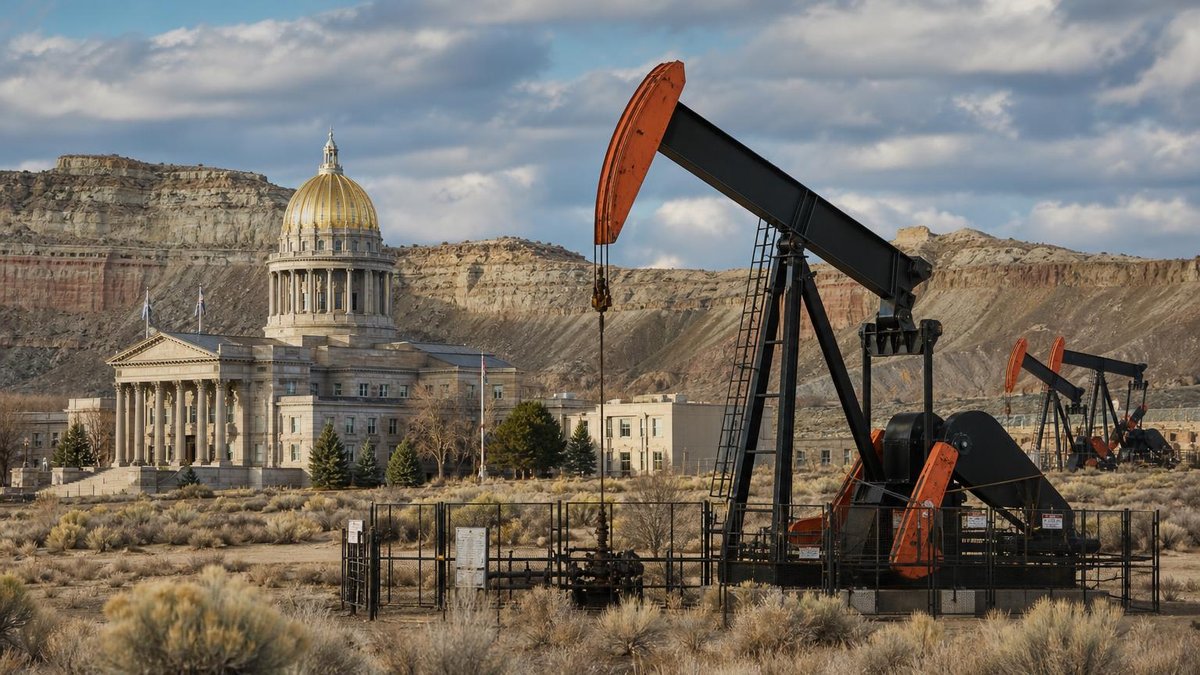
Perhaps the most underappreciated dynamic is the role of state regulation. Colorado, New Mexico, and California have all enacted methane rules that meet or exceed federal standards. For operators in those states, a federal rollback changes little. In fact, it may complicate compliance by creating a dual-track system where state requirements remain stringent but federal reporting obligations diminish.
Texas and North Dakota, by contrast, have historically resisted prescriptive methane controls. Producers there would see the clearest regulatory relief. The patchwork that emerges could reshape investment flows, with some analysts suggesting that capital might migrate toward jurisdictions with simpler compliance landscapes.
The irony is that some of the most methane-intensive basins, including the Permian, span state lines. A well in the Texas portion of the Permian might face radically different requirements than one a few miles away in New Mexico. That geographic arbitrage has already created compliance headaches for integrated operators, and a federal rollback would amplify rather than resolve them.
The Methane Math That Refuses to Balance
From a pure climate perspective, the arithmetic of methane leakage is unforgiving. The IPCC’s Sixth Assessment Report emphasizes that rapid methane reduction is one of the few levers available to slow warming in the critical next two decades. CO2 lingers for centuries; methane dissipates in roughly a dozen years. Cutting it now buys time for slower infrastructure transitions.
The administration’s counterargument centers on energy security and economic competitiveness. Domestic oil and gas production, the logic runs, displaces dirtier foreign supplies while supporting American jobs and reducing trade deficits. There is some validity to this; U.S. LNG has displaced coal in European power generation, and even methane-leaky American gas typically generates lower lifecycle emissions than coal burned without carbon capture.
But this framing elides a crucial point: methane controls and production growth are not inherently in tension. The technologies to detect and eliminate leaks, from aerial surveys to continuous monitoring sensors, have improved dramatically and fallen in cost. The International Energy Agency’s methane tracker finds that roughly 40% of oil and gas methane emissions could be eliminated at no net cost, given the value of captured gas.
What the rollback would sacrifice, then, is not production capacity but operational discipline. It rewards the least efficient operators, those who have deferred maintenance and resisted modernization, at the expense of those who have invested in cleaner systems.
Frequently Asked Questions
Policy and Regulatory Impact
How does the Trump methane proposal differ from previous regulatory changes?
Earlier Trump-era efforts to suspend methane rules were largely blocked by courts. The current approach appears more methodical, using formal rulemaking to revise standards rather than attempting immediate suspension. This creates stronger legal footing but also means a longer implementation timeline, likely extending into 2026.
Will state methane rules prevent a total regulatory rollback?
In practice, yes, for a significant share of production. States with established programs, particularly Colorado and New Mexico, have indicated they will maintain current standards. The federal changes would most affect operations in states without independent methane frameworks, primarily Texas, North Dakota, and parts of Appalachia.
What role does Congressional Review play?
Major rules finalized in the last 60 legislative days of a previous Congress can be overturned by simple majority vote under the Congressional Review Act. Because the Biden methane rules were finalized in 2024, they remain vulnerable to this mechanism if Republicans maintain unified government.
Industry and Climate Implications
How will this affect U.S. LNG export competitiveness?
The impact is genuinely uncertain. Some buyers, particularly in Europe, are developing methane intensity standards for imported gas. U.S. suppliers with poor emissions profiles could face exclusion or price penalties. Conversely, if European demand growth outpaces supply alternatives, buyers may prioritize volume over carbon accounting.
Can satellite monitoring fill the gap left by weaker federal rules?
Satellites can identify large point sources, but they struggle with smaller, dispersed leaks that collectively matter. The Google methane mapping initiative and similar efforts improve transparency, yet they do not create legal obligations to repair what they find. Without regulatory teeth, monitoring becomes a reputational tool rather than an enforcement mechanism.
What does this mean for oil and gas sector trends toward lower carbon intensity?
The trend toward emissions disclosure and reduction is driven by multiple forces, not solely regulation. Investor pressure, insurance requirements, and customer preferences all push in similar directions. A federal rollback might slow but probably will not reverse the trajectory, particularly for larger public companies with net-zero commitments.
How significant is methane from oil and gas compared to other emission sources?
Within global greenhouse gas emissions by sector, agriculture actually produces more methane overall, primarily from livestock and rice cultivation. However, oil and gas methane is more concentrated and technically easier to address. The sector also offers the clearest economic case for action, since captured methane has direct market value.
Sources
- Intergovernmental Panel on Climate Change (IPCC), 2021. Climate Change 2021: The Physical Science Basis, Chapter 6: Short-Lived Climate Forcers. https://www.ipcc.ch/report/ar6/wg1/downloads/report/IPCC_AR6_WGI_Chapter_06.pdf
- International Energy Agency (IEA), 2024. Global Methane Tracker 2024. https://www.iea.org/reports/global-methane-tracker-2024
- U.S. Environmental Protection Agency (EPA), 2024. Standards of Performance for New, Reconstructed, and Modified Sources and Emissions Guidelines for Existing Sources: Oil and Natural Gas Sector Climate Review; Final Rule. https://www.epa.gov/system/files/documents/2024-03/og-final-rule-tex-version_0.pdf
- U.S. Energy Information Administration (EIA), 2024. U.S. Natural Gas Gross Withdrawals and Production. https://www.eia.gov/dnav/ng/ng_prod_sum_a_EPG0_VGM_mmcf_a.htm
- United Nations Environment Programme (UNEP), 2024. International Methane Emissions Observatory (IMEO): Methane Alert and Response System. https://www.unep.org/imo/methane-alert-and-response-system
- European Commission, 2024. Regulation (EU) 2024/1787 on Methane Emissions Reduction in the Energy Sector. https://eur-lex.europa.eu/legal-content/EN/TXT/?uri=OJ:L_202401787
This article is for informational purposes only.


Dr. Alexander Tabibi is an entrepreneur, investor, and advocate for sustainable innovation with a deep commitment to leveraging technology for environmental and social good. As a thought leader at the intersection of business and sustainability, Dr. Tabibi brings a strategic vision to Green.org, helping guide its mission to inspire global climate awareness and actionable change.
With a background in both medicine and business, Dr. Tabibi combines analytical rigor with entrepreneurial insight.