



Berlin police weren’t spraying protesters last summer. They were hosing down overheated residents just trying to get through the day. In Rome, civil protection teams drove pickup trucks fitted with misting systems through tourist-packed streets. Red alerts stretched across the continent, warnings covered around 200 million people, and thermometers in some places climbed past 40 degrees Celsius. If that sounds like a scene from a climate disaster film, it wasn’t. It was just another European summer – and according to the experts, it’s going to keep getting worse.
Surviving Europe’s deadly heatwaves is no longer a niche concern for outdoor workers or the elderly. It’s a question every person living on this continent needs to take seriously, because the heat is coming back, and it will be hotter than last time.
What extreme heat actually does to the human body

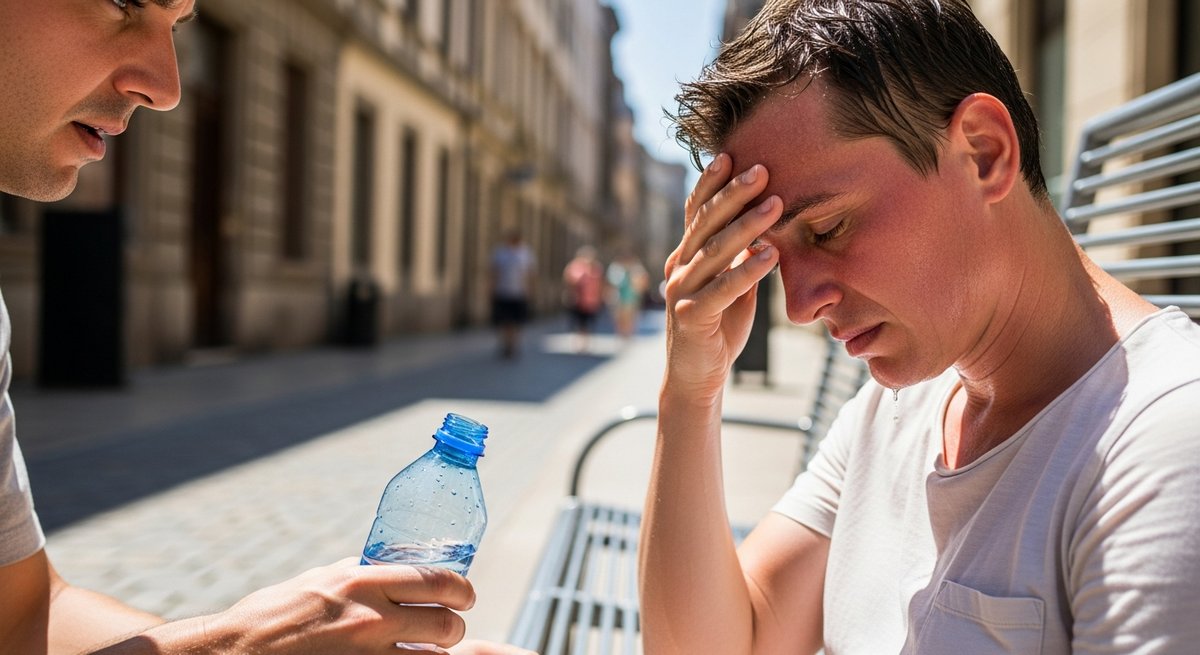
Most people understand heat is uncomfortable. Fewer understand just how dangerous it is, and how fast it can turn fatal.
Jeff Goodell, climate journalist and author of The Heat Will Kill You First, put it plainly: our bodies have essentially one cooling mechanism. The heart pumps blood toward the skin, we sweat, and the evaporation of that sweat pulls heat away from the body. When the temperature outside climbs high enough for long enough, that single system gets overwhelmed.
“Your heart starts pumping faster and faster,” Goodell explained. “Your whole cardiovascular system is stressed. If you have any kind of cardiovascular weaknesses, you’re into heart attack territory. And then literally the cellular membranes in your body begin to melt.”
That’s not a metaphor. Heat stroke can cause organ failure at the cellular level, starting with the kidneys and cascading from there. The World Health Organization estimates nearly half a million people die from heat-related causes globally every year. More than a third of those deaths – around 175,000 – happen in Europe. Goodell believes those numbers are a significant undercount, because heat deaths often look like heart attacks and go unrecorded as heat-related.
Warning signs include dizziness, a pounding heart, rapid sweating, and disorientation. If someone stops sweating entirely while in intense heat, that’s a serious danger signal – the body is shutting down its only cooling system.
Why Europe is especially vulnerable to heatwaves
Ask someone in Phoenix, Arizona what to do in a heatwave and they’ll answer without thinking. Ask someone in Berlin or Manchester the same question and there’s a good chance they’ll shrug. That knowledge gap is one of the biggest reasons Europe suffers such high mortality when temperatures spike.
“Europe is built for a climate that no longer exists,” Goodell said. “It’s poorly adapted for a hot world.”
Air conditioning tells the story clearly. In the United States, around 90% of households have it. In Europe, the figure is roughly 20%. In Germany specifically, it drops to around 19%, and most of those are portable units rather than fixed, more efficient systems. Even in southern countries like Spain and Italy, only about half of homes have air conditioning.
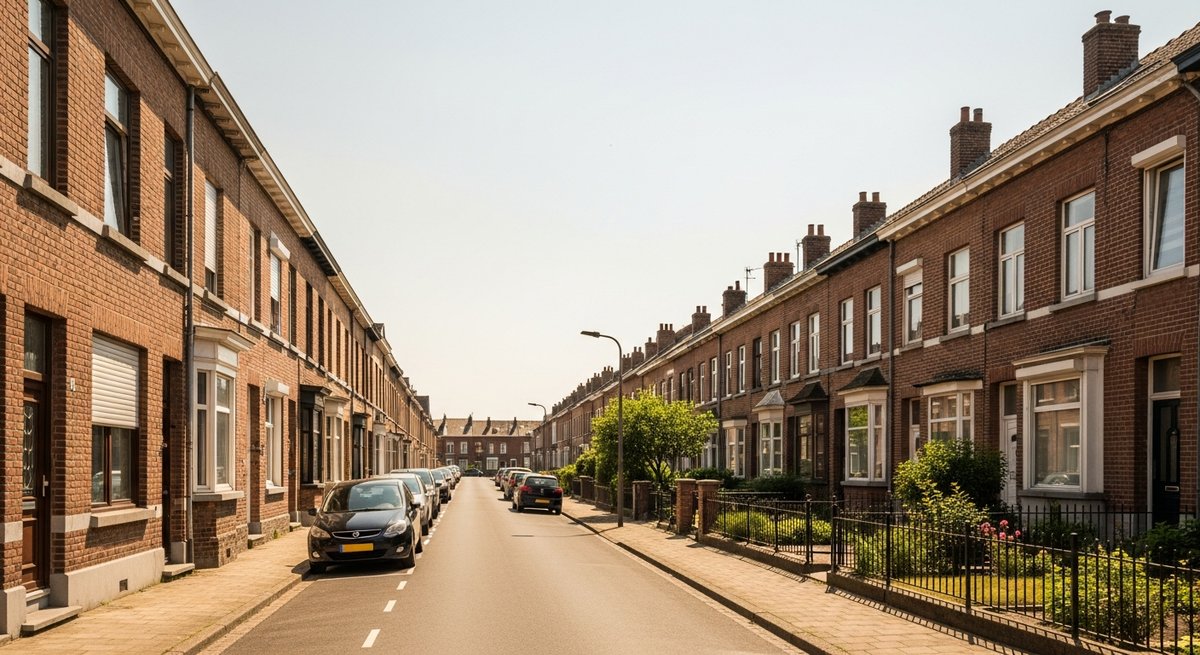
The buildings themselves are part of the problem. European architecture was designed for cold climates – thick walls and small windows that trap warmth. In a heatwave, those same buildings become ovens. Ventilation is poor, insulation traps heat, and there’s little cultural knowledge about how to manage. Most Europeans simply don’t know whether to open windows or close them, pull shades down or up.
The urban heat island effect compounds this. Cities like London, Paris, and Berlin absorb and radiate heat from concrete and asphalt, pushing temperatures several degrees higher than the surrounding countryside. As heatwave and wildfire alerts have swept across Europe repeatedly, urban residents face a particular challenge: the city itself becomes a radiator.
Practical survival tips that actually work

When extreme heat hits, the instinct is to push through. That instinct can kill you.
The single most important rule: get to a cool space before you feel seriously unwell. Waiting until you’re dizzy or disoriented is waiting too long. A cool room, a shaded spot, a public cooling center, or even sitting next to a running air conditioning unit can all prevent heat stroke from developing.
How to Stay Safe During Extreme Heat
These are the tips that genuinely work:
- Close windows and blinds during the hottest part of the day — this stops heat from building up inside your home
- Open windows at night when temperatures drop to flush cooler air through
- Wet a towel and wrap it around your neck — this aids evaporative cooling directly and works faster than most people expect
- Stay indoors between 11am and 6pm and keep activity levels minimal during that window
- Drink water continuously, even when you don’t feel thirsty — dehydration reduces your body’s ability to sweat, which is your primary cooling mechanism
- Avoid alcohol and excessive caffeine — both accelerate dehydration faster than most people realise
- Check on elderly neighbours, young children, and anyone living alone — heat stroke kills silently and quickly in vulnerable people
One thing most people get wrong about hydration: drinking water doesn’t directly cool you down. Water allows your body to sweat, and sweating is what actually lowers your core temperature. Hydration is indirect — but it’s essential. Without it, your cooling system shuts down entirely.
Don’t forget your pets
Dogs and cats are just as vulnerable to heat stress as humans. On a hot day, concrete pavement can reach temperatures that burn paws within seconds. During extreme heat events:
- Limit outdoor time to early morning and late evening
- Provide constant access to fresh water
- Watch for heavy panting, lethargy, or drooling as early distress signs
If your pet shows signs of heat stress, move them to a cool space immediately and apply cool — not cold — water to their paws and belly.
Longer-term solutions: cities, infrastructure, and the bigger picture
Individual survival tips matter. But the scale of Europe’s heatwave problem demands bigger answers — and the window to implement them is narrowing.
Green Infrastructure: Cooling Cities From the Ground Up
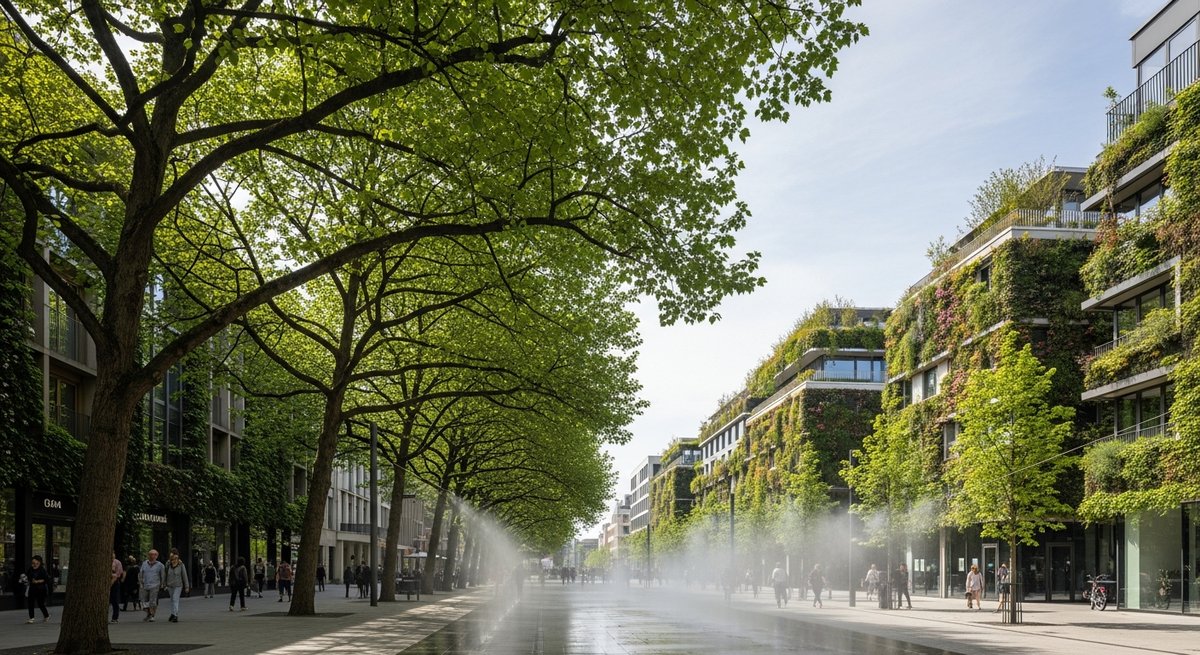
Green infrastructure is one of the most promising long-term responses to urban heat. More trees, green roofs, living walls, and water features all reduce ambient temperature at the city level. Vertical gardens have shown real promise as an urban cooling strategy, lowering surface temperatures and improving air quality simultaneously.
Desealing urban surfaces — replacing concrete with grass, soil, or permeable paving — allows cities to absorb and release heat more naturally rather than trapping and radiating it. This single intervention can reduce urban heat island temperatures by several degrees.
Paris has moved further than most European cities in this direction, developing a comprehensive heat action plan that includes public cooling centres, mapped shaded walking routes, and community outreach programmes designed to identify vulnerable residents before a crisis hits — not during one.
Heat Pumps: Efficient Cooling Without Making Things Worse
Heat pumps, which double as efficient cooling systems, are a critical piece of the infrastructure puzzle. They are significantly more energy-efficient than traditional air conditioners, and when powered by renewable electricity they provide cooling without adding to the carbon emissions that are making heatwaves more frequent in the first place.
That last point matters more than most people realise. Running conventional air conditioning at scale during a heatwave increases grid demand, burns more fossil fuels, and incrementally warms the atmosphere further. Heat pumps powered by renewables break that cycle.
The Root Cause: Why European Heatwaves Keep Getting Worse
The reason heatwaves in Europe are becoming more frequent and more deadly is not complicated: burning fossil fuels loads the atmosphere with CO₂, raises global temperatures, and pushes weather systems further from historical norms.
Research from the World Weather Attribution group found that recent European heatwaves would be virtually impossible without the additional greenhouse gases humans have put into the atmosphere. Europe’s record heat events have exposed how far outside its historical climate envelope the continent has already moved.
EU climate monitoring service Copernicus reports European land temperatures have reached nearly 2.5°C above the long-term average. If that trajectory continues, the consequences extend well beyond discomfort:
- Roads, rail lines, and airport runways buckle and fail
- Power grids face collapse precisely when cooling demand peaks
- A grid failure during a major heatwave could produce a mass casualty event most governments have not begun to plan for
A Death Toll That Should Have Changed Everything — And Didn’t
The 2003 European heatwave killed around 15,000 people in France alone. It triggered some reform. It was not enough.
Spain reaching 46°C while France issues national alerts is no longer an outlier event. It is the new baseline. The temperature anomaly curve keeps climbing, and the infrastructure, policy, and public health systems across most of Europe remain built for a climate that no longer exists.
The cities that survive the coming decades of extreme heat will be the ones that started redesigning for it now — not the ones waiting for the next crisis to force their hand.
Frequently asked questions about surviving Europe’s heatwaves
Understanding the danger
How does extreme heat actually kill people?
Most heat deaths are caused by cardiovascular collapse. The heart pumps faster and faster trying to cool the body, and in people with existing heart conditions, it can give out. In extreme cases, sustained high body temperature causes cellular damage to organs like the kidneys, leading to organ failure.
Why do so many more people die from heat in Europe compared to the US?
The main factors include lower air conditioning penetration (around 20% in Europe versus 90% in the US), buildings designed for cold climates, lack of cultural knowledge about heat management, and fewer public cooling resources in most cities.
Are official heat death statistics accurate?
Probably not. Heat deaths often look like heart attacks or organ failure and are recorded without heat as a contributing cause. Scientists who study this believe official figures significantly undercount the true mortality toll.
Is the urban heat island effect a real factor in European cities?
Yes. Dense concrete and asphalt absorbs heat during the day and releases it at night, keeping urban temperatures several degrees higher than surrounding rural areas. This significantly increases health risks for city dwellers during heatwaves.
Staying safe and preparing
What are the most important things to do during a heatwave?
- Get to a cool space early – don’t wait until you feel ill
- Close blinds and windows during daylight hours, open them at night
- Drink water regularly throughout the day
- Avoid exercise and outdoor activity during the hottest hours
- Use wet towels on the neck or wrists to aid cooling
- Check on vulnerable people nearby
Does drinking cold water rather than warm water help more during a heatwave?
Temperature of the water matters less than people think. What matters is drinking consistently. Water doesn’t cool you directly – it enables sweating, which is the body’s cooling mechanism. Stay hydrated regardless of water temperature.
How should I protect my pets during extreme heat?
Treat them much as you’d treat a vulnerable person. Keep them in cool, shaded spaces, provide constant water access, avoid walking them on hot pavement, and watch for heavy panting as a sign of heat stress.
What should governments be doing that they currently aren’t?
- Establishing and publicizing public cooling centers in cities
- Investing in green infrastructure to reduce urban temperatures
- Mandating heat action plans for outdoor workers, including rest breaks during peak heat
- Expanding access to affordable, efficient cooling technology
- Addressing the root cause by accelerating the transition away from fossil fuels
Sources: Jeff Goodell, The Heat Will Kill You First (2023); World Health Organization heat mortality data; World Weather Attribution research group; EU Copernicus Climate Change Service; DW interview transcript with Jeff Goodell.


Dr. Alexander Tabibi is an entrepreneur, investor, and advocate for sustainable innovation with a deep commitment to leveraging technology for environmental and social good. As a thought leader at the intersection of business and sustainability, Dr. Tabibi brings a strategic vision to Green.org, helping guide its mission to inspire global climate awareness and actionable change.
With a background in both medicine and business, Dr. Tabibi combines analytical rigor with entrepreneurial insight.