


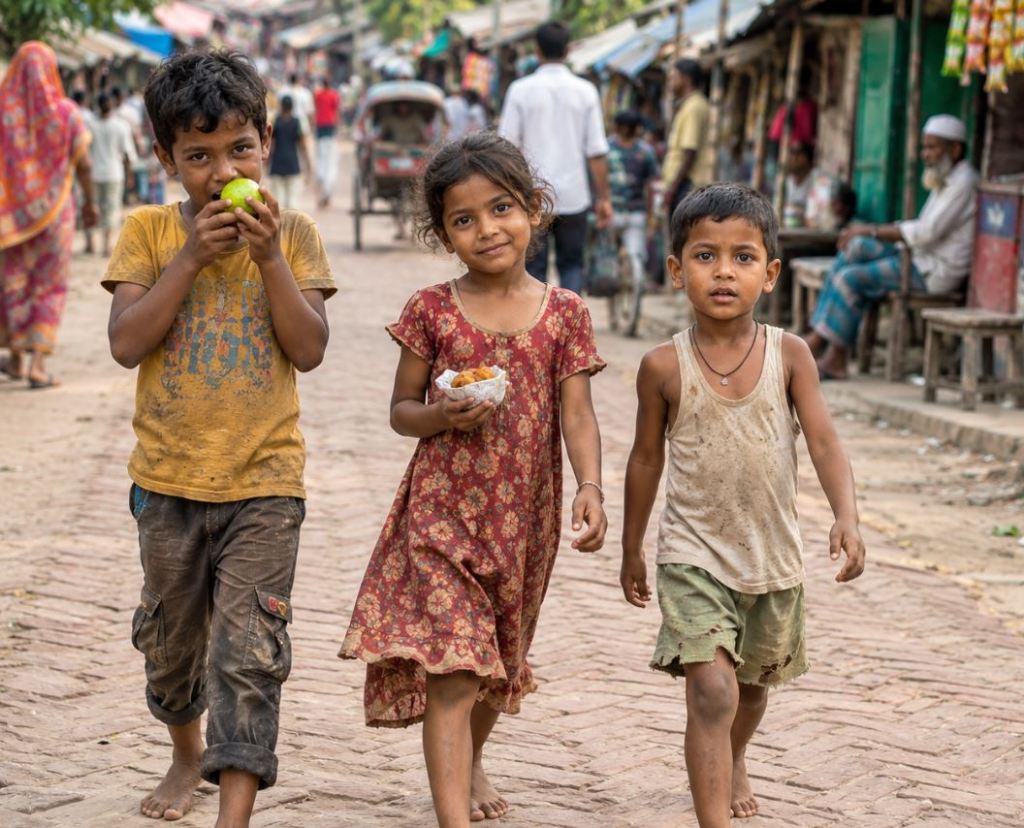
Last year, someone searched how much david pastrnak 90 million deal money could buy in emergency shelter supplies. The number stuck in my head because 90 million keeps surfacing in headlines, from sports contracts to population projections like iran population 2026 90 million. But the figure that actually matters for the future of human security is the one the UN refugee agency just published: roughly 90 million displaced people now face direct threats from climate-related hazards. That is not a contract or a lottery jackpot. It is a measure of how badly the world has failed to separate human safety from environmental collapse.
What the UNHCR Report Actually Found
The UN High Commissioner for Refugees issued a stark assessment in early 2024. Roughly 90 million displaced people now live where floods, droughts, extreme heat, and resource scarcity pile onto already desperate conditions. These aren’t theoretical risks. Camps, informal settlements, and host communities with little protective infrastructure get hit directly.
The agency’s analysis draws on operational data from conflict zones, disaster displacement events, and protracted refugee situations. What emerges is a pattern: displacement creates vulnerability, and climate change deepens it. A camp built for temporary shelter becomes semi-permanent. Water sources dry up or flood. Agricultural livelihoods disappear. The people least responsible for emissions bear the worst consequences.
This intersects with broader patterns Green.org has tracked. The shrinking Andean glaciers threaten water security for millions in South America, while deforestation’s health impacts fall disproportionately on displaced and poor populations. The systems are connected, even if policy responses remain siloed.
Who Counts Among the 90 Million
The displaced population at climate risk includes several distinct groups. Understanding the breakdown matters because solutions differ.
- Refugees and asylum seekers: People fleeing conflict or persecution who now face environmental hazards in host countries, often in climate-vulnerable regions
- Internally displaced persons (IDPs): Those who have not crossed international borders but were forced from their homes, frequently by both conflict and natural disasters
- Stateless populations: People without citizenship who lack legal protections and access to disaster response resources
- Returnees in fragile settings: Those coming back to areas where infrastructure has degraded and environmental conditions have worsened during their absence
- Host community members in displacement settings: Local populations sharing strained resources in areas receiving large displaced populations
The UNHCR emphasizes that these categories overlap in practice. A person displaced by conflict may later be displaced again by flooding. The compound nature of these crises is what makes current protection frameworks inadequate.
Where Climate and Displacement Collide
Geography shapes the risk profile. Sub-Saharan Africa hosts massive displaced populations in drought-prone regions. South Asian countries face cyclones and monsoon flooding that inundate camps and informal settlements. The Middle East’s extreme heat increasingly threatens populations in arid host countries. Storms are intensifying and harvests are failing across Latin American displacement corridors.
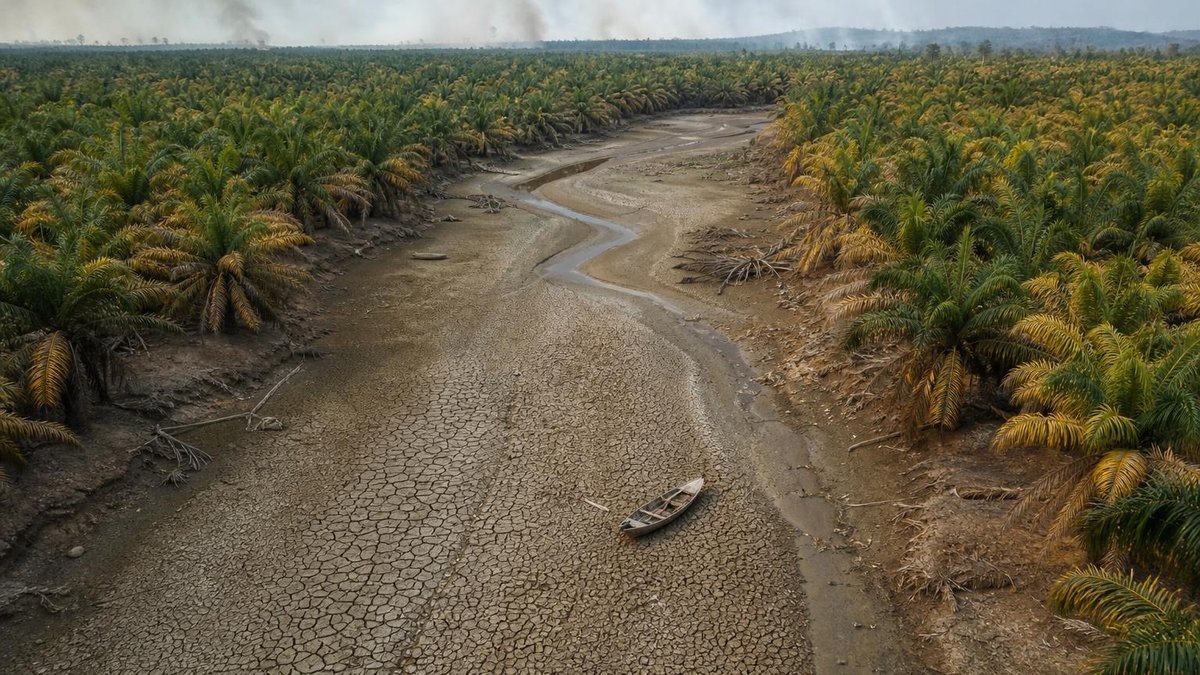

UNHCR field teams see the same problems everywhere. Shelters built for mild weather buckle under heat waves. Floods overwhelm latrines and water points. Crops fail; food runs short. This is not some 2050 model. Camps in Chad and Bangladesh are dangerous now.
This operational strain connects to larger financial and energy transitions. The renewable energy employment boom offers potential livelihood pathways for displaced populations, if training and access programs materialize. Currently, they rarely do.
The Protection Gap: Why Existing Law Falls Short
International refugee law was designed for persecution, not environmental change. The 1951 Refugee Convention does not recognize climate change as a basis for asylum. Someone whose country has literally become unlivable often cannot qualify. The law simply wasn’t built for this.
Some regions have moved faster. The African Union’s Kampala Convention explicitly covers displacement from natural disasters and environmental change. Latin American governments have created complementary protection categories. But most of the world? The legal framework still pretends climate displacement is a future problem.
The UNHCR has tiptoed around “climate refugees” language. Most of this displacement will stay internal, they stress; it won’t look like traditional cross-border refugee flows. Their answer is to shore up existing systems, get ready for bigger numbers, and resist parallel structures that could weaken protections for people fleeing persecution.
Environmental groups want formal climate refugee status. Humanitarian veterans push back; they know how hard it is to protect even current refugee categories, and they fear political backlash that could hurt everyone.
What Effective Response Would Require
The gap between recognized needs and actual capacity is measurable. UNHCR funding appeals go unfilled year after year. Climate adaptation money, where governments bother to spend it, almost never targets displaced people specifically. Development and humanitarian budgets stay in separate boxes, even when they serve the same populations.
Effective response would require several structural shifts:
| Response Element | Current Gap |
|---|---|
| Anticipatory action | Funding released only after disasters strike, not before |
| Site planning | Camps placed in hazard zones due to land availability and politics |
| Livelihood support | Short-term aid prioritized over sustainable income generation |
| Legal pathways | No systematic mechanism for climate-motivated mobility |
| Host community investment | Tensions rise when resources are stretched without shared benefits |
The table above synthesizes UNHCR operational assessments and independent humanitarian evaluations. Each gap represents years of documented failure, not abstract concern.
Numbers in Context: Why Scale Matters
Ninety million is difficult to comprehend. For comparison, france tourist arrivals 2016 90 million represented a record travel year for one of the world’s most visited countries. The displaced population at climate risk equals that entire tourist flow, except these people did not choose their destination and cannot easily leave.
Other 90 million figures float through news cycles. BLM raised $90 million 2020 during unprecedented protest movements. Currency conversions like 90 million won to usd or 90 million yen to usd appear in financial reporting. 90 million lotto max winner headlines celebrate individual windfalls. These numbers attach to choice, agency, and mobility. The UNHCR’s 90 million attaches to constraint, risk, and immobility.
Scale also matters for resource allocation. The Apple Restore Fund’s $400 million for carbon removal represents serious private capital, yet humanitarian appeals for displaced populations routinely face billion-dollar shortfalls. The investment priorities reveal value judgments.
Frequently Asked Questions
Understanding the Crisis
Are climate refugees legally recognized under international law?
No. The 1951 Refugee Convention defines refugees as people fleeing persecution based on race, religion, nationality, political opinion, or social group membership. Climate and environmental factors are not included. Some regional frameworks, like Africa’s Kampala Convention, offer broader protection, but no global legal instrument specifically addresses climate displacement.
How does the UNHCR count 90 million people at climate risk?
The figure combines operational data on displaced populations with climate hazard mapping. The agency identifies where displaced people live, then overlays environmental risk factors including flood exposure, drought probability, heat stress indices, and resource scarcity. Not all 90 million have been directly affected yet; the figure represents population at elevated risk given current conditions and trends.
Will most climate displacement be internal or cross-border?
Evidence suggests predominantly internal displacement. The World Bank projects that by 2050, climate factors could force 216 million people to move within their own countries. Cross-border movement faces more legal and physical barriers. The UNHCR anticipates that internal displacement will constitute the larger challenge, though regional migration pressures will intensify.
Responses and Solutions
What would a functioning protection system look like?
Several elements would need to come together:
- Anticipatory financing that releases resources before disasters, based on forecasts rather than damage assessments
- Planned relocation options with genuine community participation, not forced resettlement
- Legal pathways for people from countries experiencing severe environmental degradation
- Investment in host community infrastructure to reduce resource competition
- Livelihood programs that build skills relevant to changing environmental conditions
Can renewable energy development help displaced populations?
Potentially, but current implementation is limited. Solar mini-grids can power camps more reliably than diesel generators. Training programs could prepare displaced people for green economy jobs. However, funding for such integration remains scarce, and energy projects in displacement settings often prioritize cost over community benefit. The projected 35 million green jobs by 2047 will not automatically reach displaced populations without deliberate policy design.
Why don’t we hear more about this in climate negotiations?
Climate displacement remains politically sensitive. Wealthy countries resist obligations that might imply liability for historical emissions. Migration-sensitive governments block language that could create admission expectations. Humanitarian agencies worry that overt politicization could reduce protection space. The result is that displacement features marginally in UNFCCC processes, despite its centrality to actual human outcomes.
Sources
- UNHCR, 2024. “UNHCR warns 90 million displaced people at risk from climate threats.” Reuters. https://www.reuters.com/business/environment/90-million-displaced-people-risk-climate-threats-un-refugee-agency-says-2024-01- [VERIFY]
- IPCC, 2022. “Climate Change 2022: Impacts, Adaptation and Vulnerability.” Working Group II Contribution to the Sixth Assessment Report. https://www.ipcc.ch/report/ar6/wg2/
- World Bank, 2021. “Groundswell Part 2: Acting on Internal Climate Migration.” https://www.worldbank.org/en/topic/urbandevelopment/publication/groundswell-part-2
- African Union, 2009. “African Union Convention for the Protection and Assistance of Internally Displaced Persons in Africa (Kampala Convention).” https://au.int/en/treaties/african-union-convention-protection-and-assistance-internally-displaced-persons-africa
- UNEP, 2023. “Adaptation Gap Report 2023: Underfinanced. Underprepared.” https://www.unep.org/resources/adaptation-gap-report-2023

